
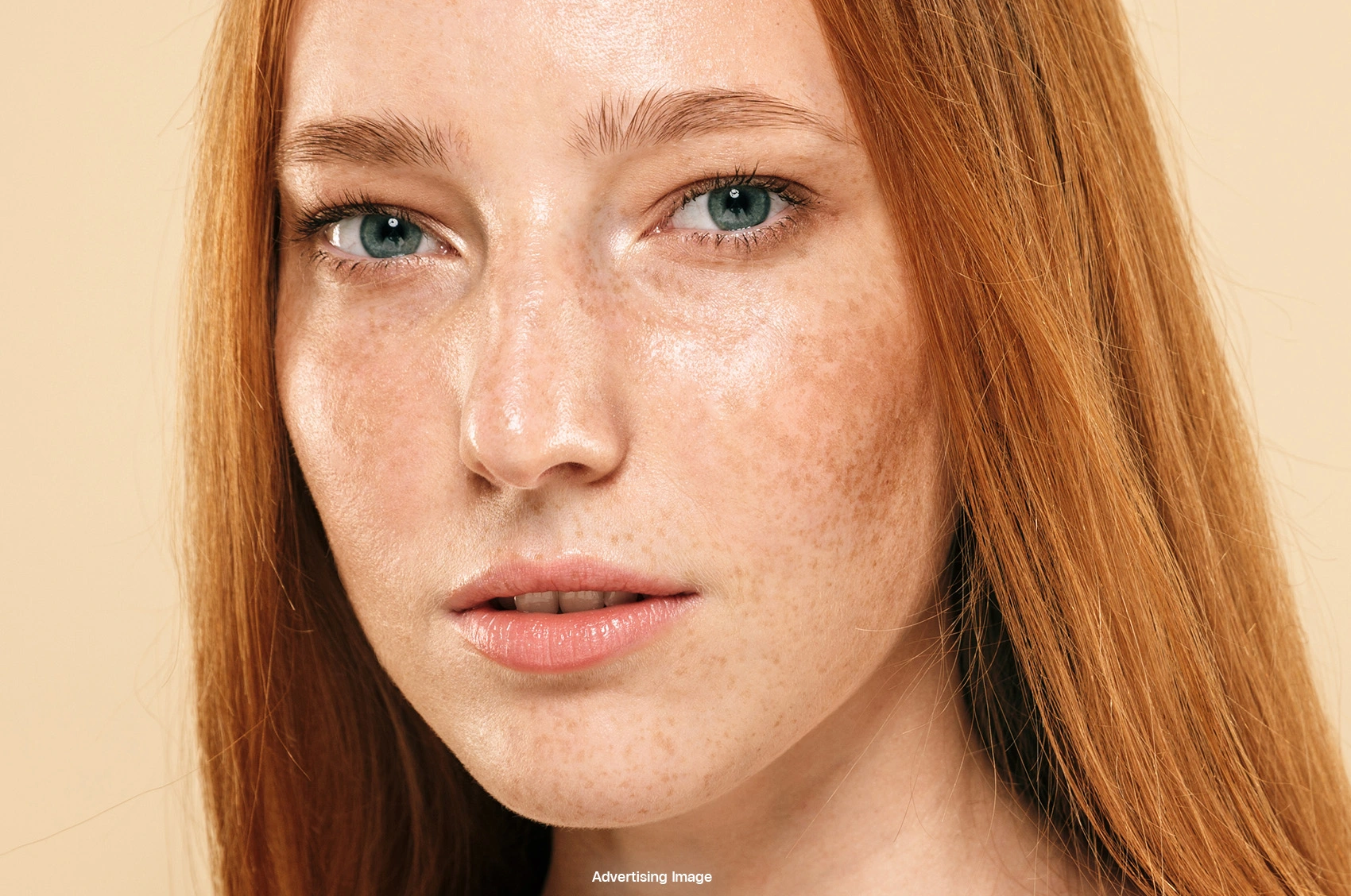
Melasma is a common skin concern that appears as brown or grayish patches on areas like the cheeks, forehead, and upper lip. It often develops gradually and is more noticeable when exposed to sunlight. While melasma doesn’t cause physical discomfort, many people seek guidance to understand what causes it and how it can be managed effectively. At BSL Clinic, we help patients explore options that fit their skin condition and personal preferences—ranging from skincare routines to medical approaches.
Melasma on the face can develop from a combination of internal and external factors. Sun exposure, hormonal changes, certain medications, and even skin irritation from harsh treatments may all contribute to this condition. While melasma isn’t harmful, understanding what triggers it is an important first step in selecting the right melasma treatment—especially for individuals whose skin is more reactive to environmental or hormonal shifts.

Hormonal melasma occurs due to increased estrogen levels, especially during pregnancy or contraceptive use, stimulating melanocytes to overproduce melanin¹. This leads to uneven skin darkening, often worsened by vascular changes and inflammation².

Frequent UVA and UVB exposure triggers the skin to produce more melanin, causing it to darken over time³. UVA increases oxidative stress, while UVB directly stimulates melanin production, leading to skin pigmentation⁴.

Certain chemicals in cosmetics, like preservatives, mercury, and lead, can irritate the skin and trigger pigmentation, leading to melasma⁵. Long-term use of hair dyes and fragranced products may make the skin more sensitive, causing dark spots and worsening melasma⁶.


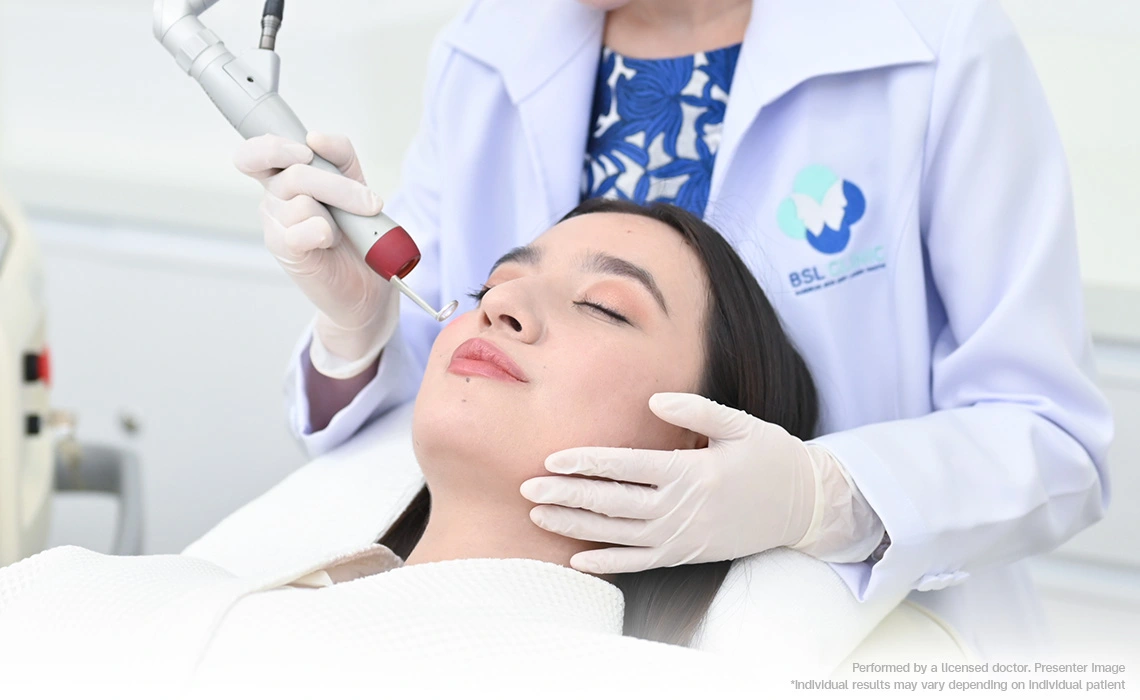
1.Laser therapy targets melanin pigments to help manage melasma. BSL Clinic’s doctors carefully select and operate lasers designed for specific skin concerns.
Effective melasma treatment often involves more than just one solution. Because melasma on the face can result from both internal and external triggers, treatment must be approached step-by-step, with consideration of the individual’s skin type and condition. Below is an outline of how melasma laser treatment and other supportive methods are typically applied to help manage and reduce pigmentation over time.
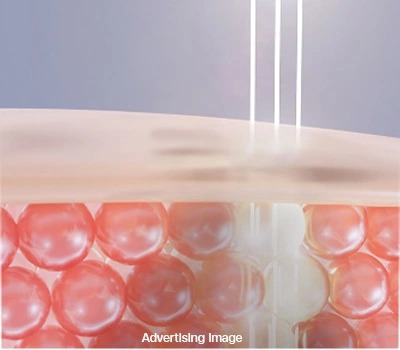
The lasers use PTP (PhotoAcoustic Technology Pulse) mode to break down pigment particles in the skin while minimizing impact on surrounding tissue, without downtime⁷.
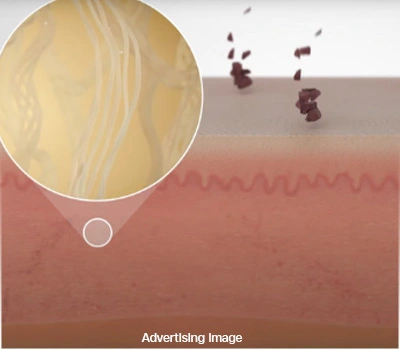
This laser gently removes excess melanin in the epidermis, helping to fade melasma⁸. It speeds up skin renewal, allowing dark spots to gradually lighten over time⁹.
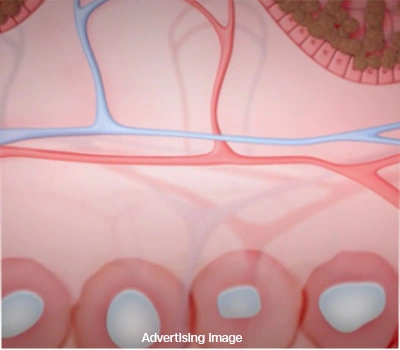
This laser penetrates the dermis, stimulating collagen production and skin remodeling, which strengthens the skin¹⁰. It improves skin texture and elasticity and enhances overall skin resilience¹¹.
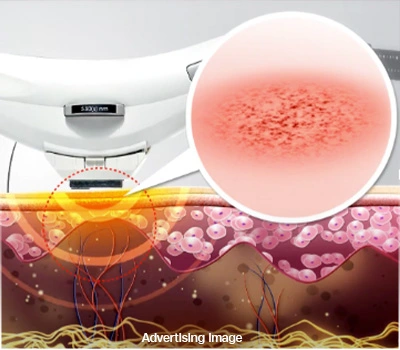
The laser targets blood vessels to reduce redness and vascular activity, which worsens pigmentation, ultimately improving melasma appearance¹².
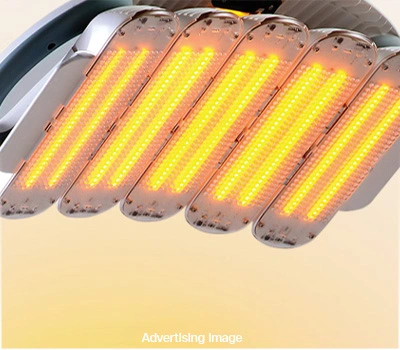
LED light therapy penetrates the skin, reducing inflammatory mediators and calming inflammation while promoting skin healing¹³.
This treatment helps reduce inflammation, restore skin, and boost collagen, improving skin texture and pigmentation¹⁴. It promotes skin renewal, balancing pigment production for a more even skin tone¹⁵.
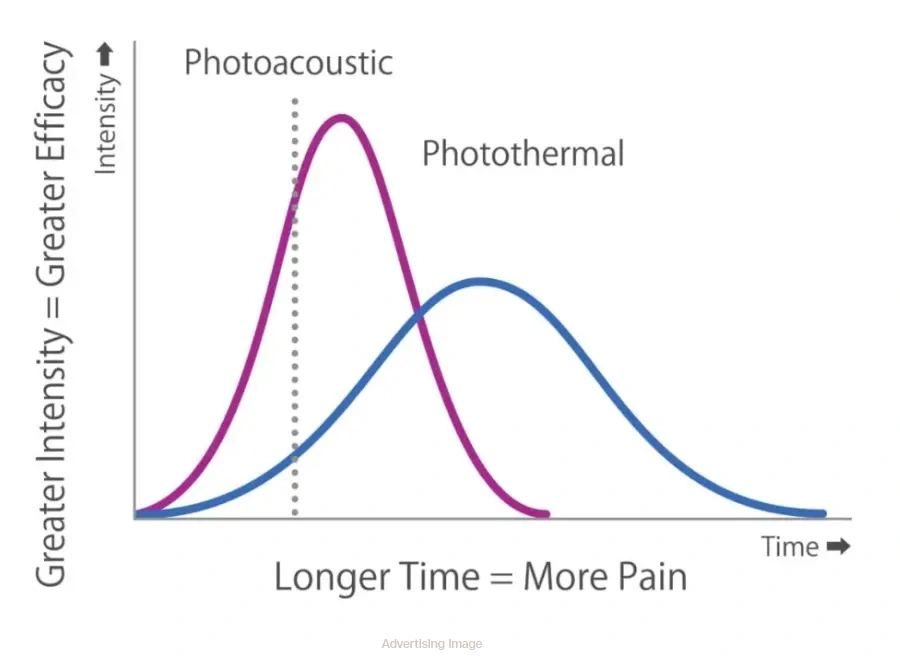
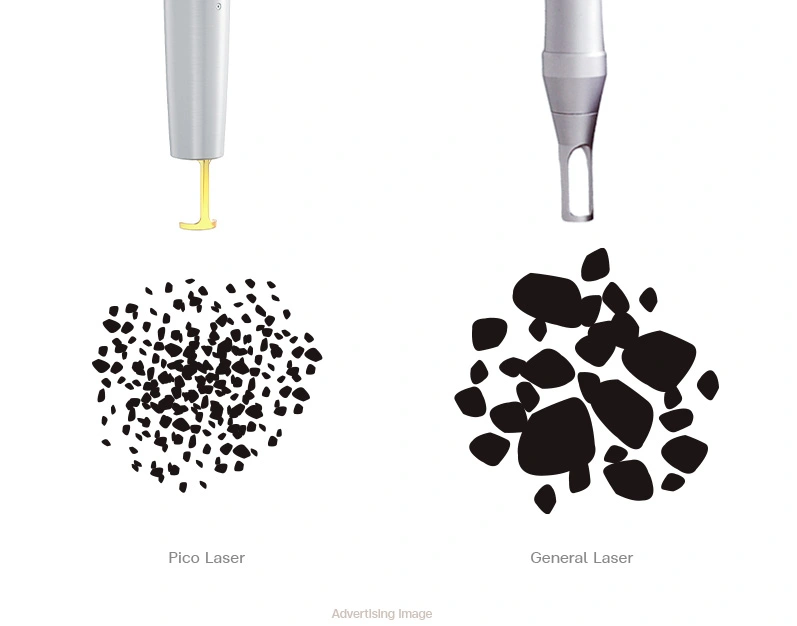
The Picoway Laser Program uses a photoacoustic effect to break down melanin into tiny particles while minimizing heat damage to surrounding tissue¹⁶. Its multi-handpiece system allows precise treatment at different pigmentation depths, making it effective for various skin concerns¹⁷.
The result? PicoWay laser program is designed to help manage melasma efficiently, with minimal downtime. This technology aims to improve skin appearance over multiple sessions while supporting overall skin health.
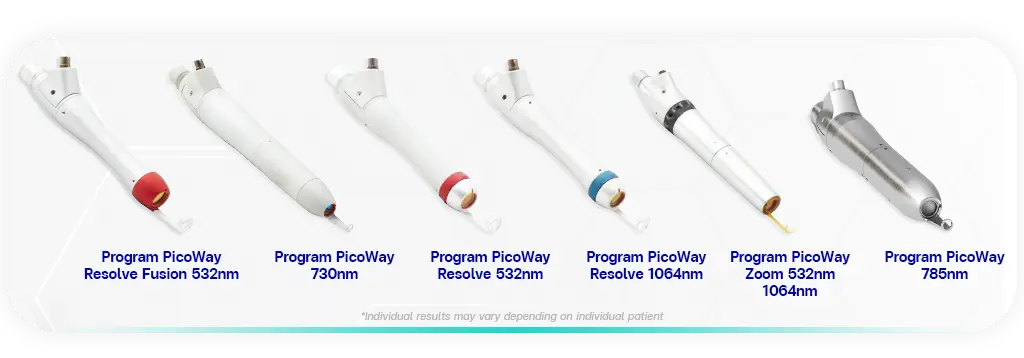
PicoWay Program
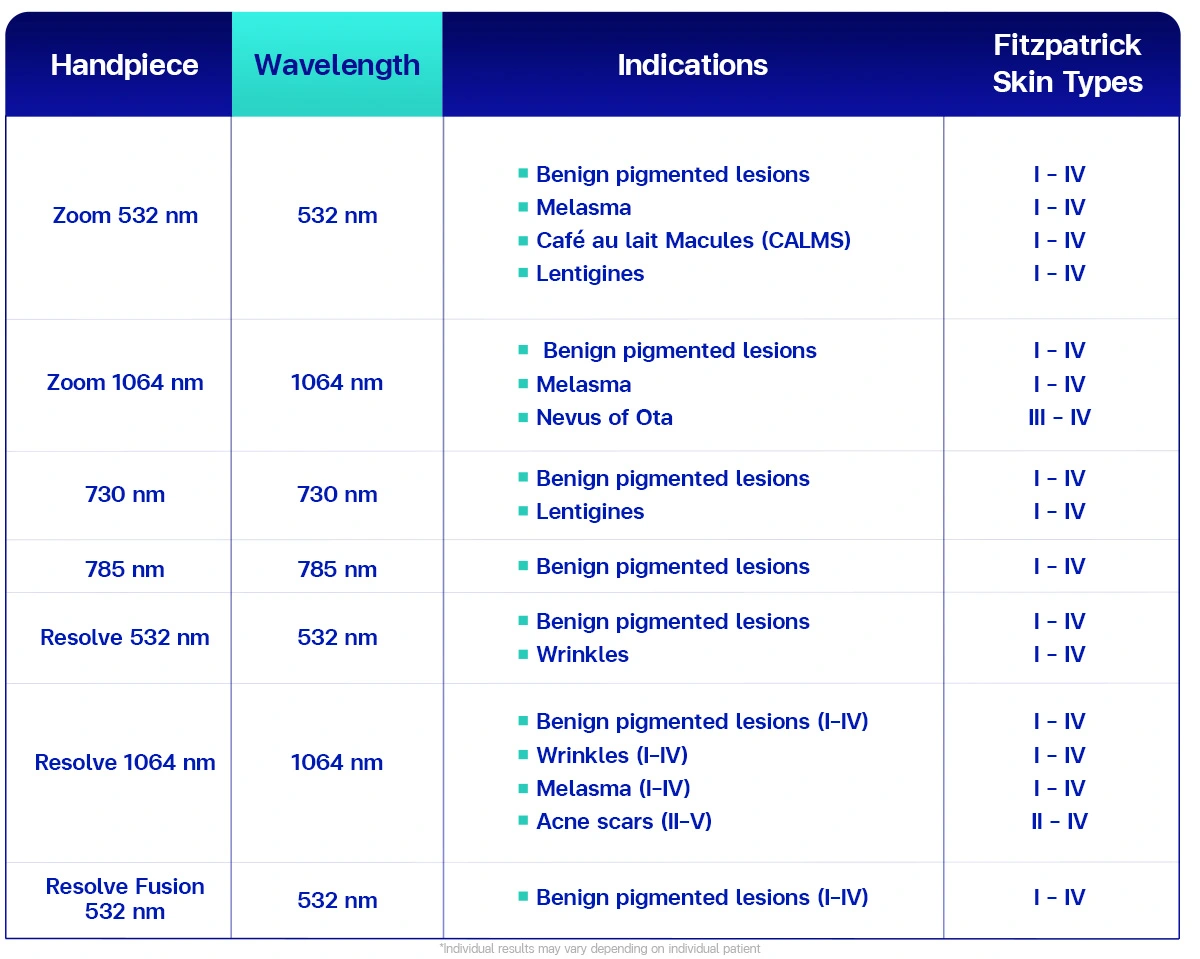

At BSL Clinic, we manage melasma by targeting key factors like excess pigmentation, inflammation, vascular issues, sun exposure, and skin barrier health. Our laser therapies promote skin clarity and balance, including Pigmentation Reduction Laser, Pigmentation Removal Laser, Laser for Skin Resilience, Laser for Vascular Melasma, and Light Therapy.
Our approach features the PicoWay Laser Program, utilizing multiple handpieces and wavelengths for precise, multi-depth treatment. This technology, combined with our integrative care model, helps manage melasma, support skin strength, and promote overall skin health. The goal? A more even-looking, revitalized complexion tailored to your needs.
2. Maintaining Results with Topical Aftercare: Laser treatments help lighten pigmentation, but proper post-care is key to lasting benefits. Regular moisturizing, sun protection, and whitening topicals support and enhance treatment effects.
3. BSL Clinic does not use mercury, steroids, or other hazardous substances in skin treatments. These ingredients may cause redness, sensitivity, and skin disorders such as vitiligo or Exogenous Ochronosis (EO), which leads to dark patches.
4. Applying sunscreen (SPF 30+) and using additional sun protection before outdoor activities helps protect the skin from UV exposure. Proper sun care may reduce the risk of skin concerns.
5. Avoid using cosmetics, including whitening creams, that contain chemical enhancers, preservatives, or mercury, as they may contribute to skin sensitivity and pigmentation issues like melasma.

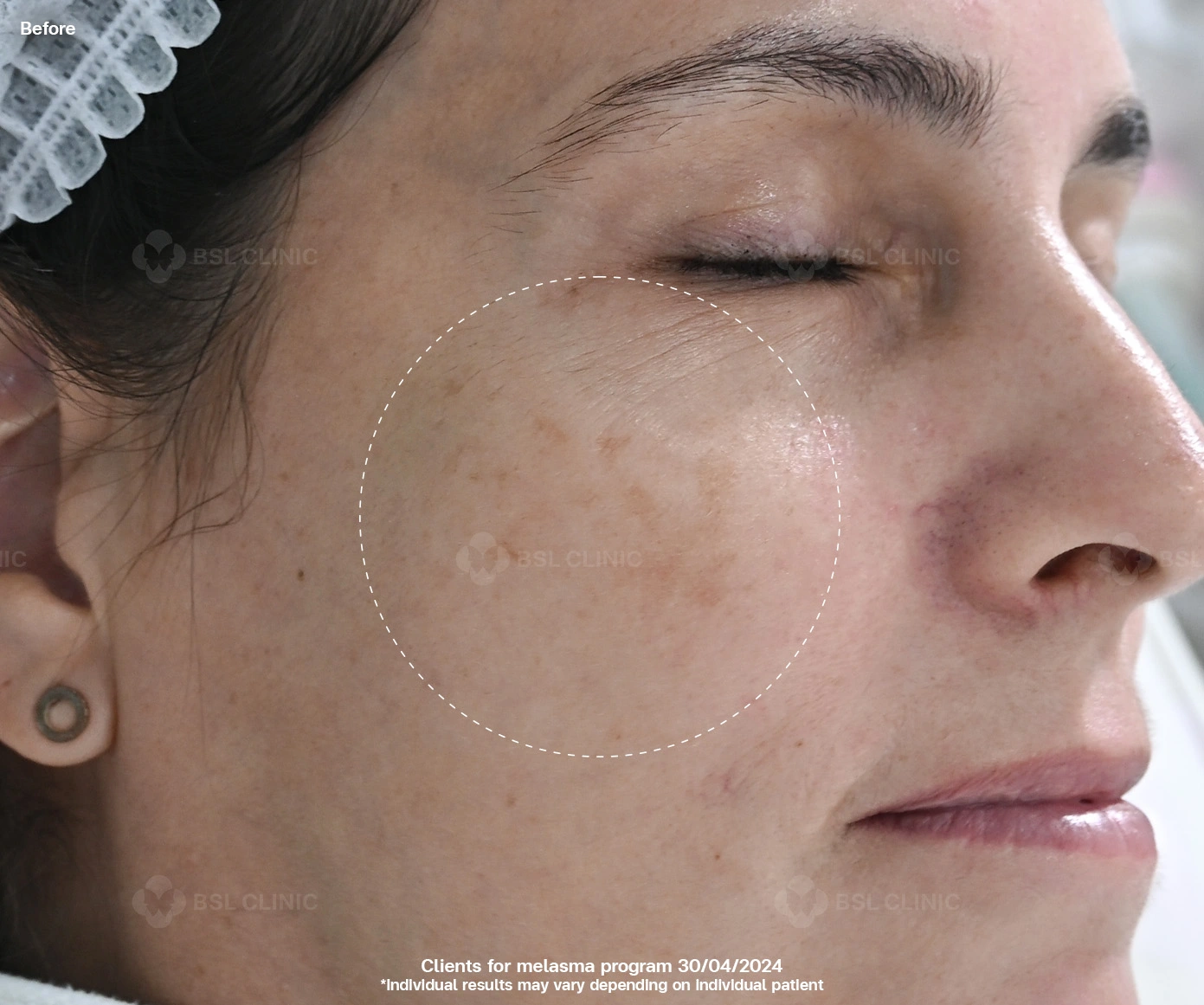
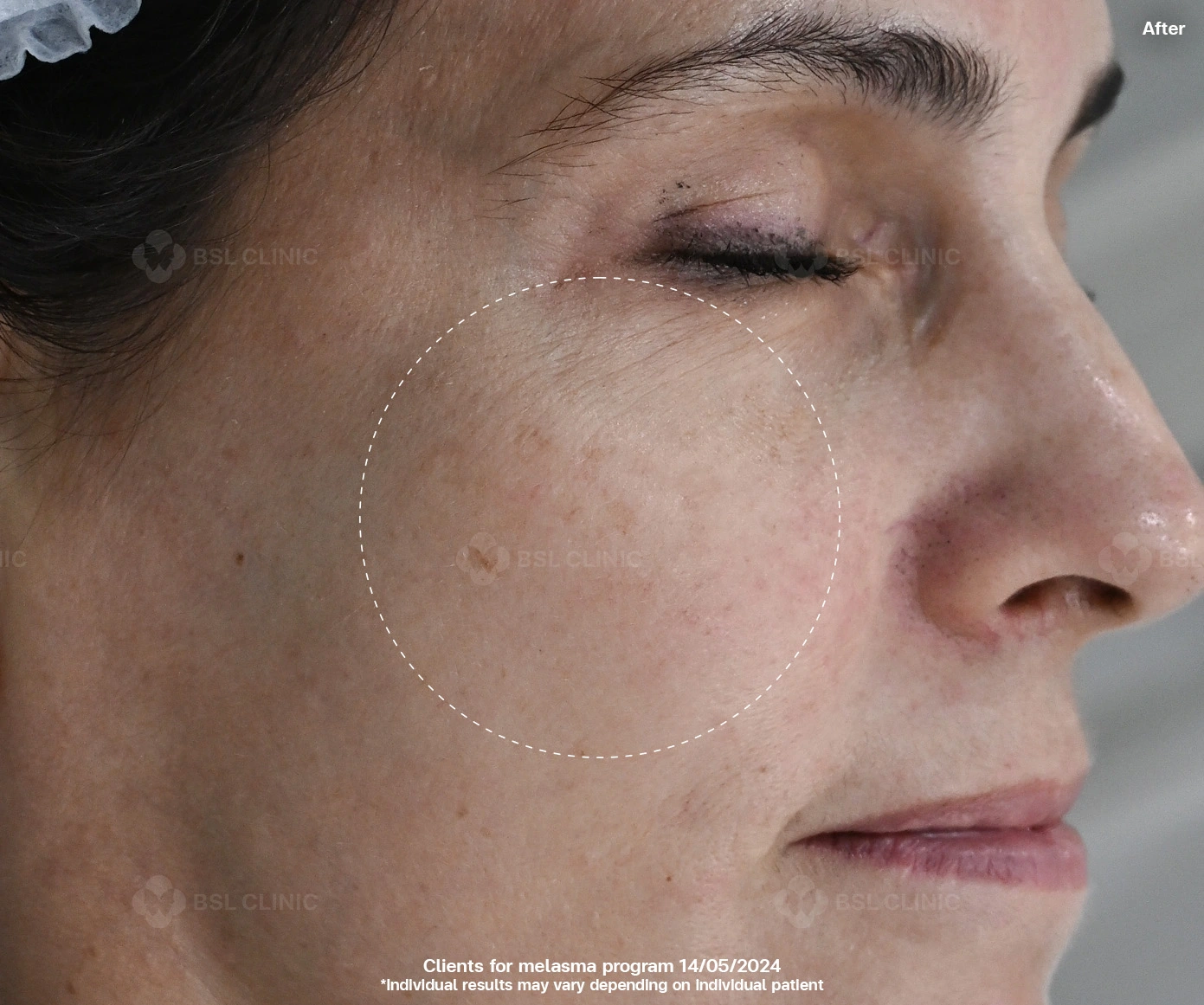
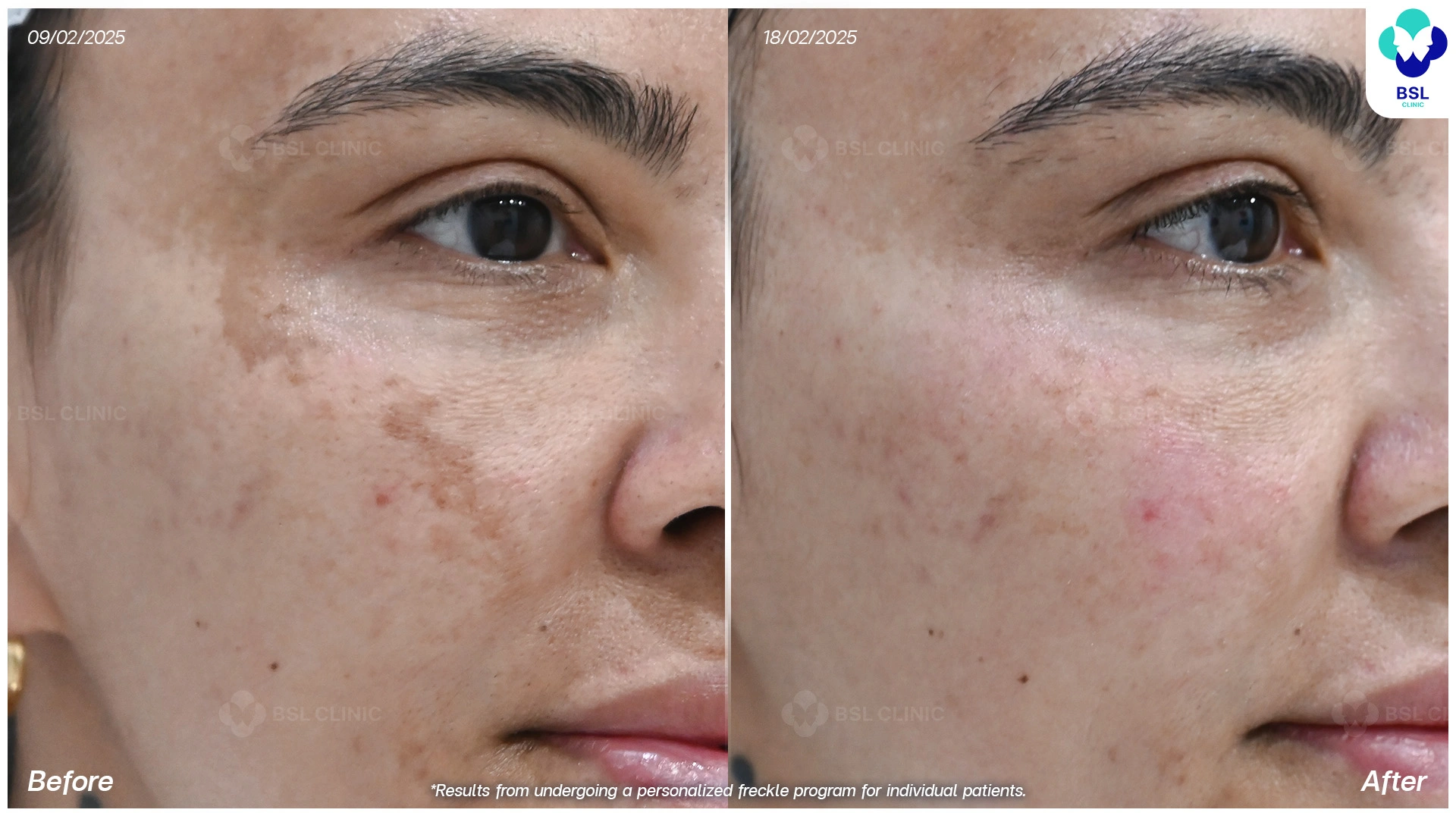
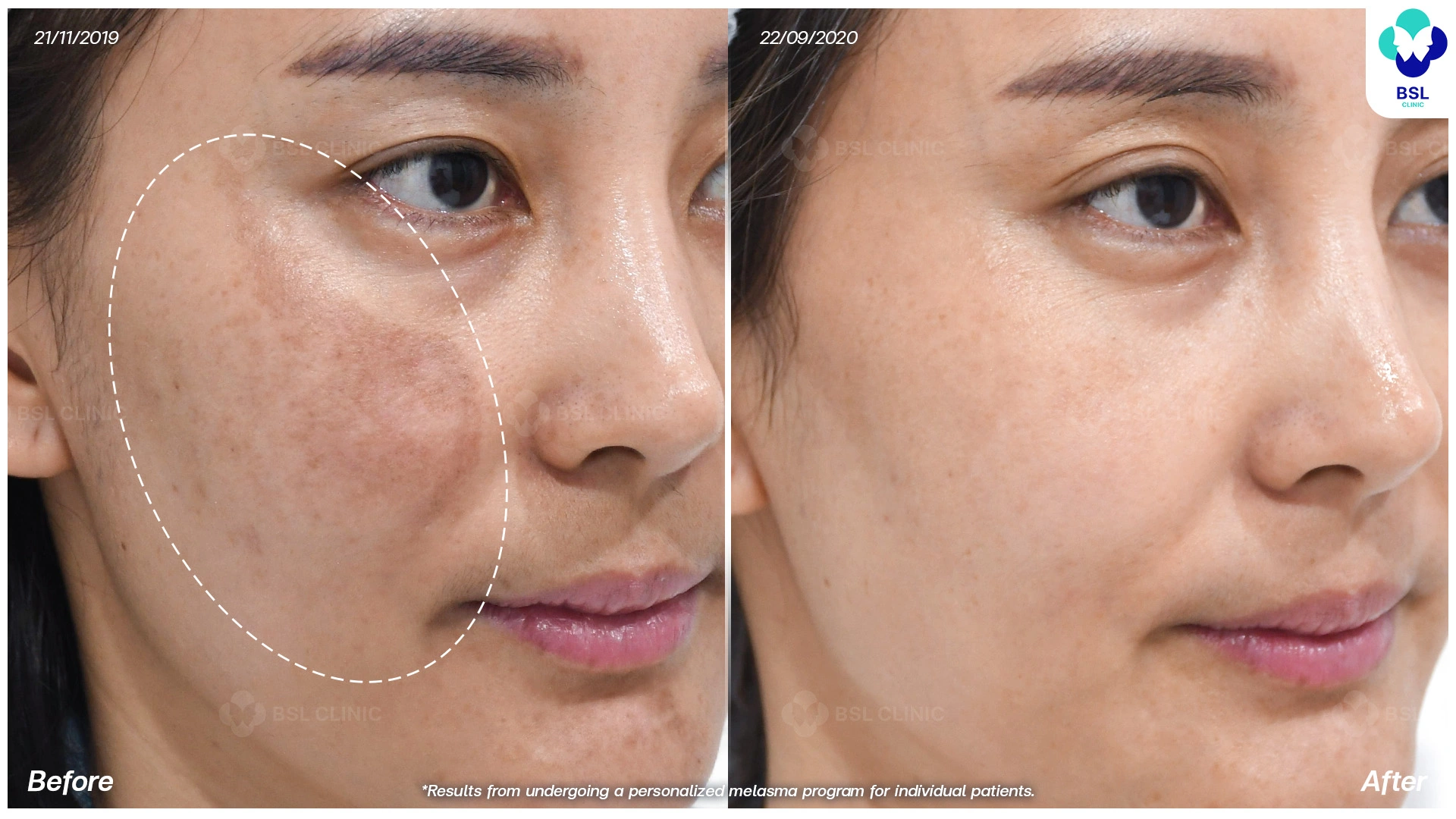
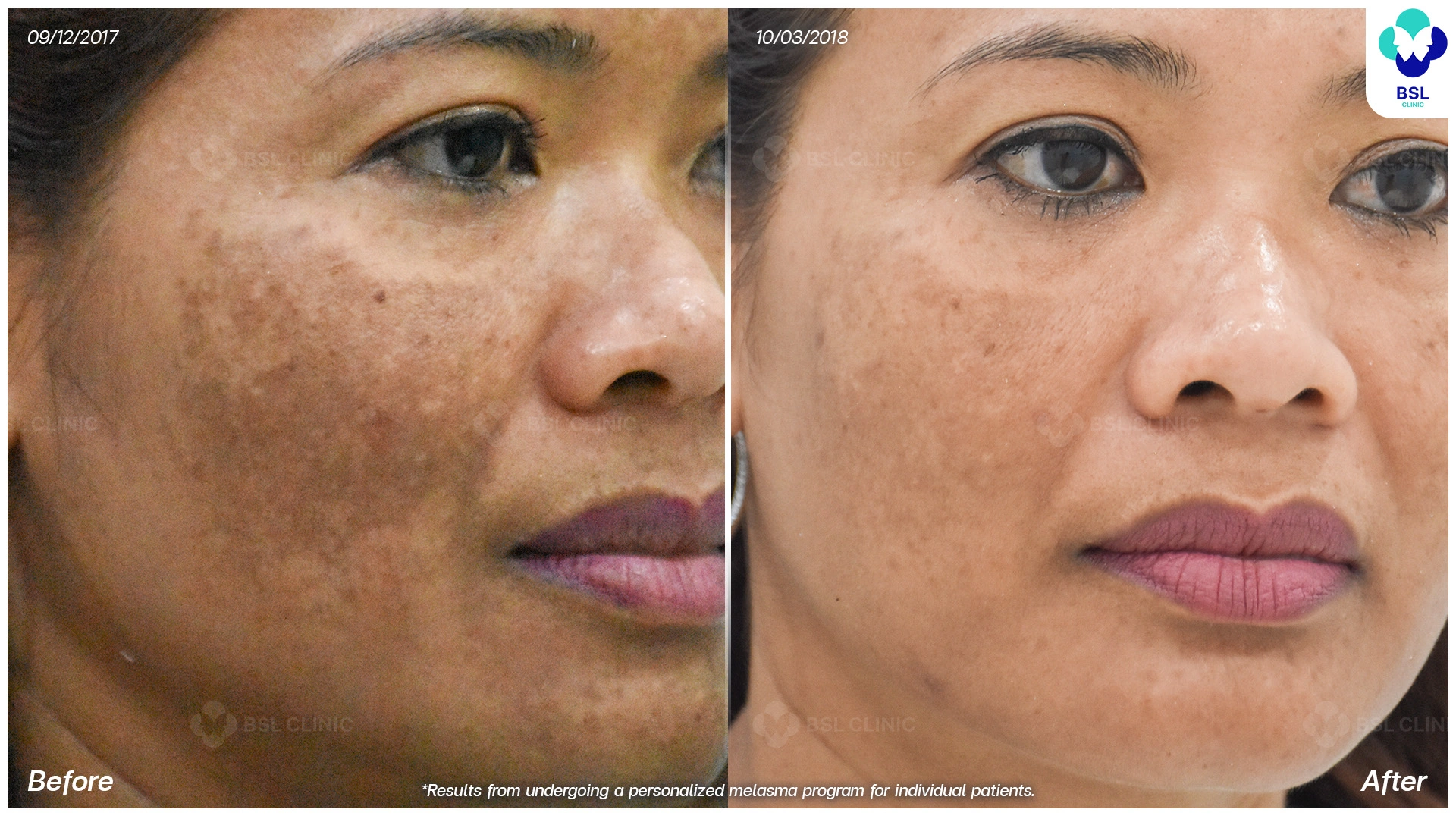
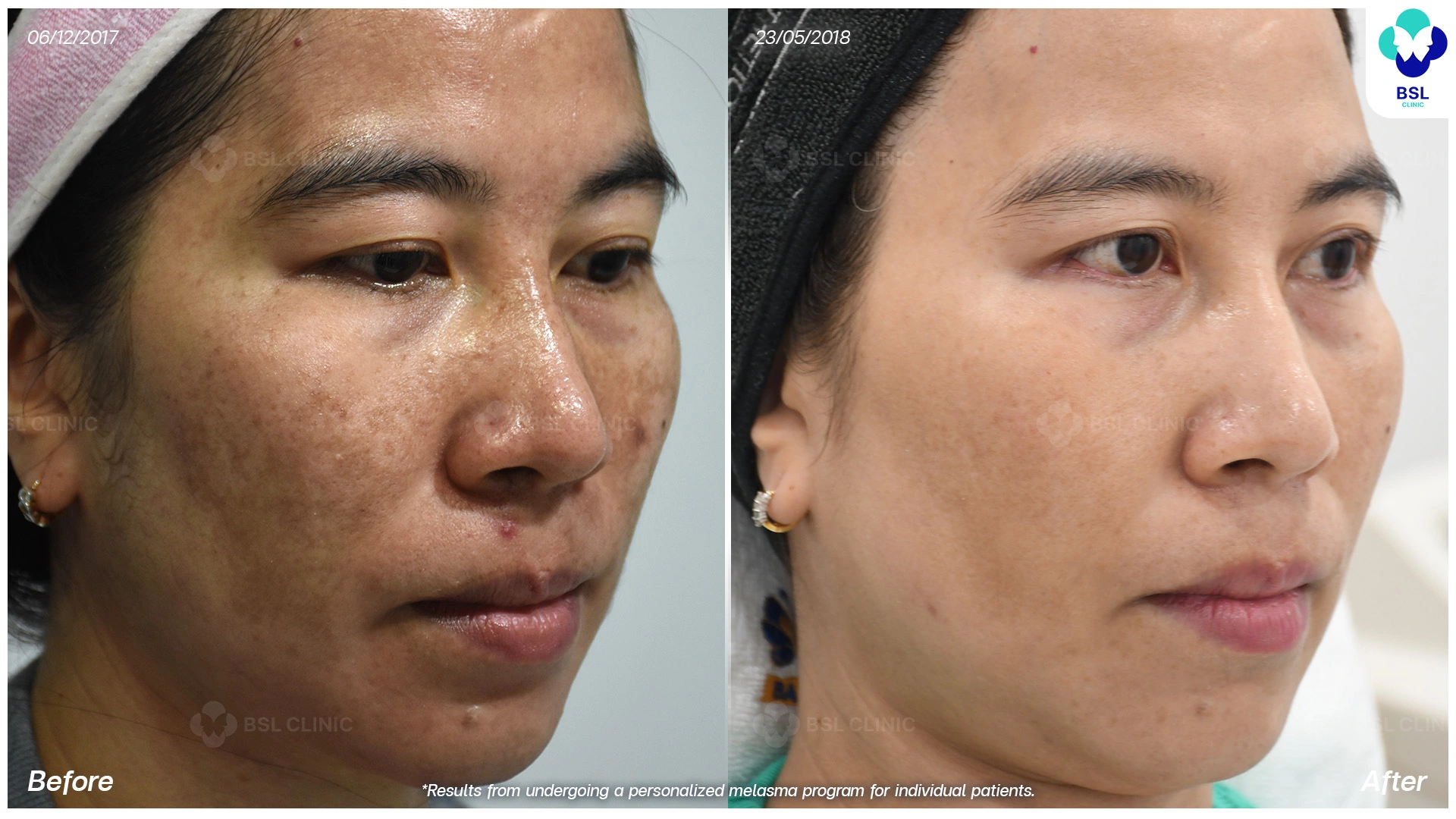
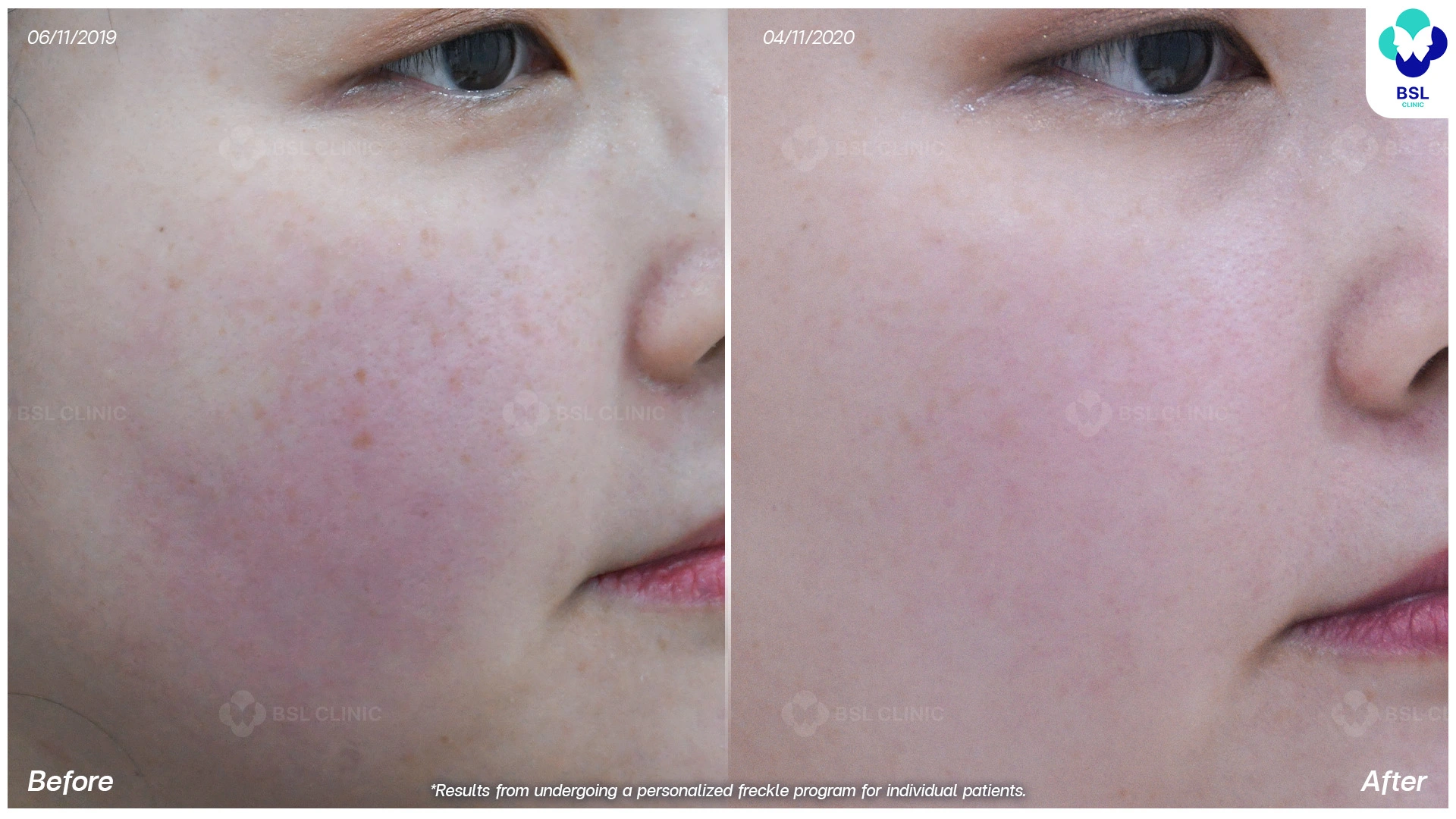
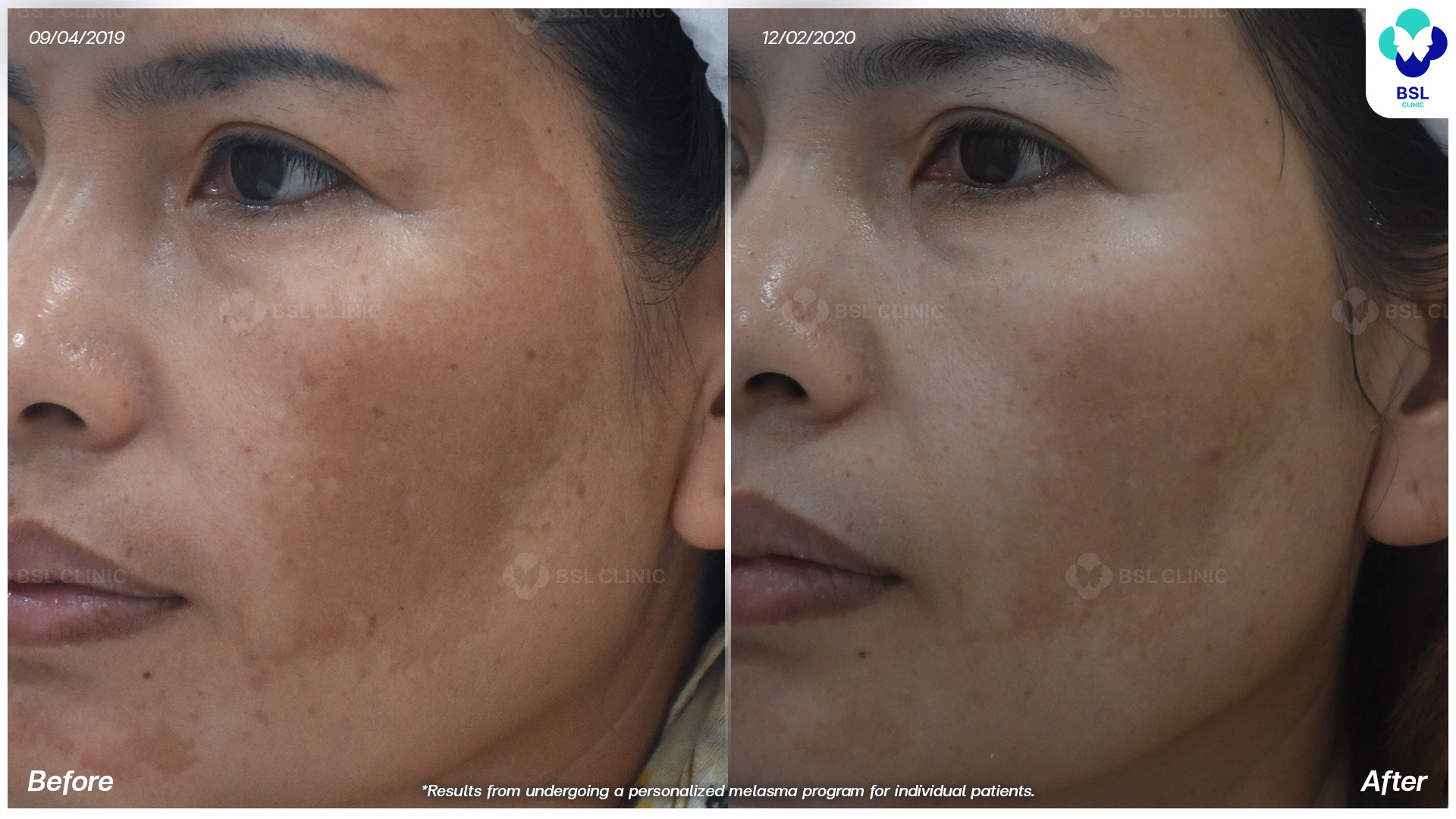

Ms. Farah, a self-employed business owner in Phuket, sought treatment at BSL Clinic for melasma and skin discoloration, which had affected her self-image.
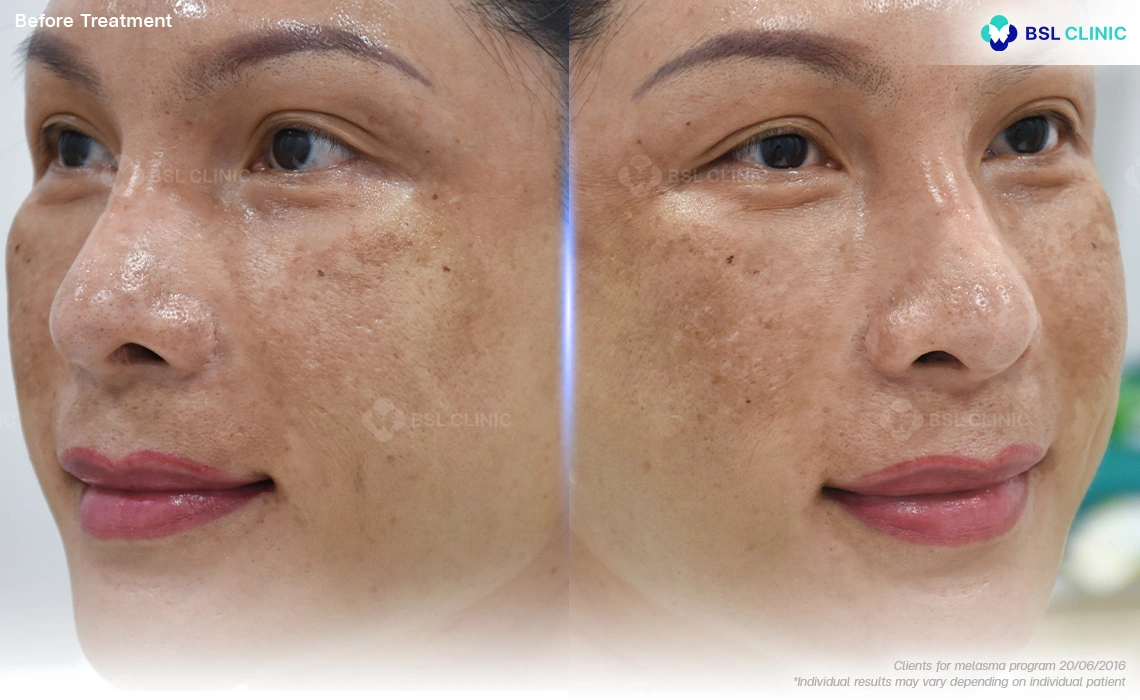
She often felt self-conscious when interacting with clients. After discovering BSL Clinic’s Facebook page and learning about their melasma treatment options, Ms. Farah decided to schedule a consultation. She chose BSL Clinic based on their approach to skin care and treatment availability.
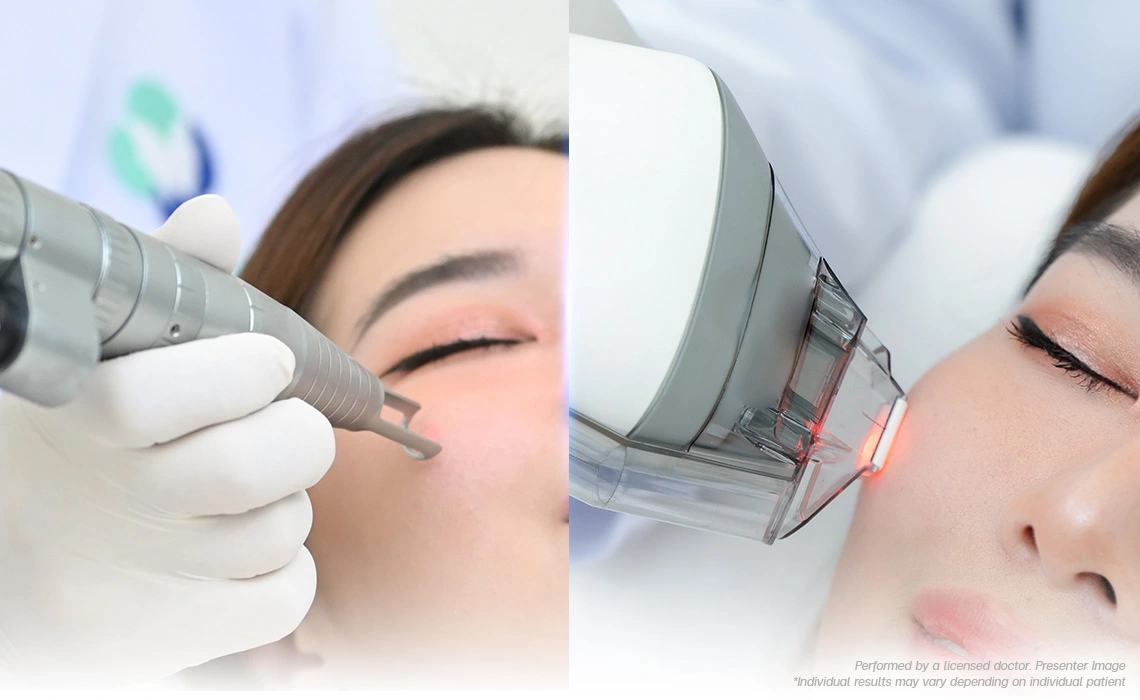
This laser targets excess melanin, breaking it down while minimizing post-inflammatory hyperpigmentation (PIH)¹⁸. It also helps regulate tyrosinase enzyme activity, reducing melanin production and preventing further pigmentation darkening¹⁹.
BSL Clinic’s doctors utilize pigmentation laser technologies to create microchannels in the epidermis, breaking down excess melanin and stimulating skin renewal8. This process helps fade melasma while improving skin texture and tone9.
Bioregenerative program repairs the skin, strengthens its barrier, and reduces pigmentation²⁰. By promoting skin renewal, it enhances smoothness, resilience, and overall complexion clarity²¹.
Ms. Farah was pleased with her treatment experience. She noticed an improvement in the appearance of dark pigmented patches within a month of starting treatment. Two months later, she returned to BSL Clinic for a follow-up consultation and observed a more even skin tone. She shared that she felt more confident interacting with clients at her hairdressing business. Reflecting on her experience, Ms. Farah stated, ‘The treatment here was incredibly amazing’.
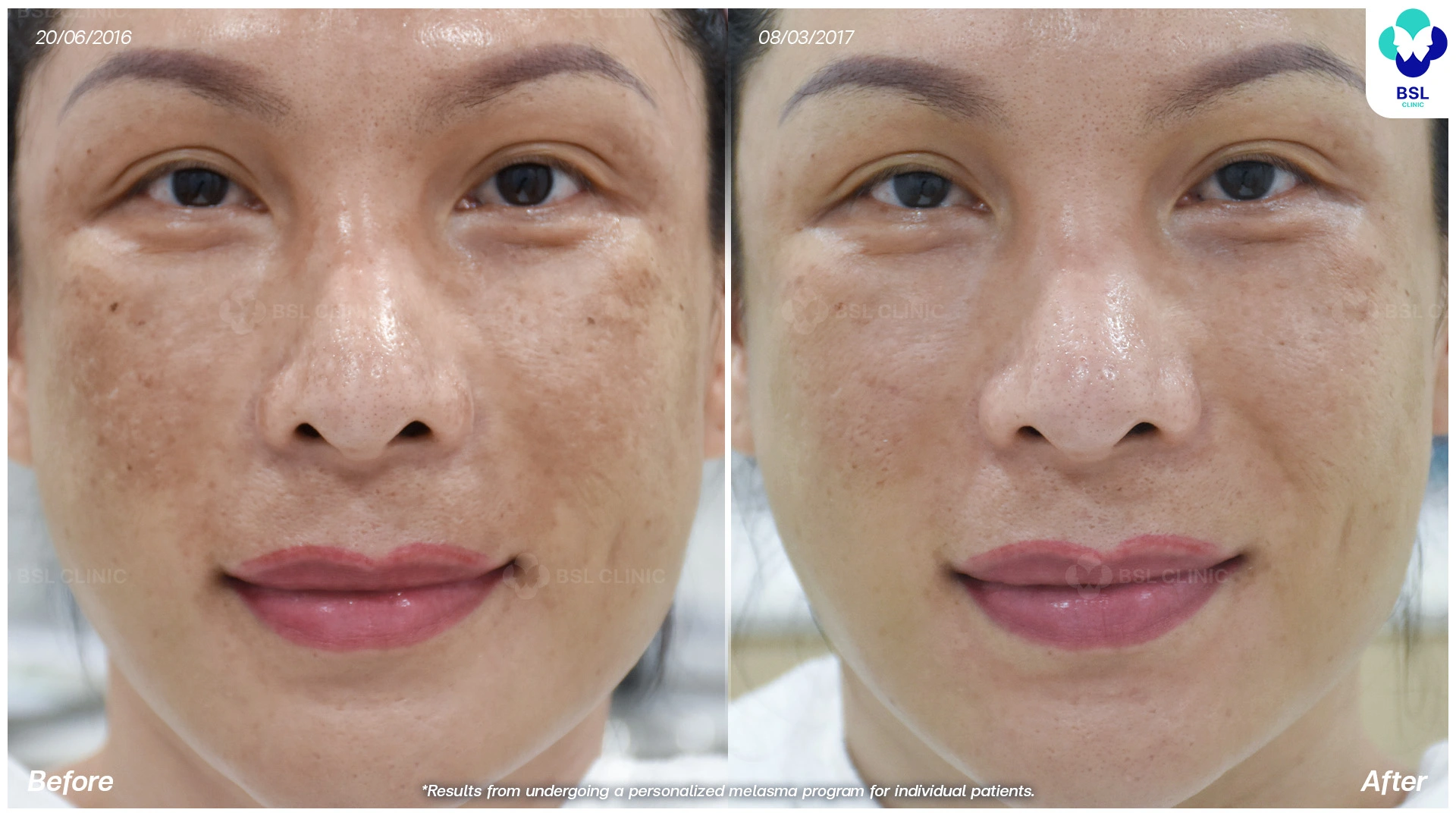
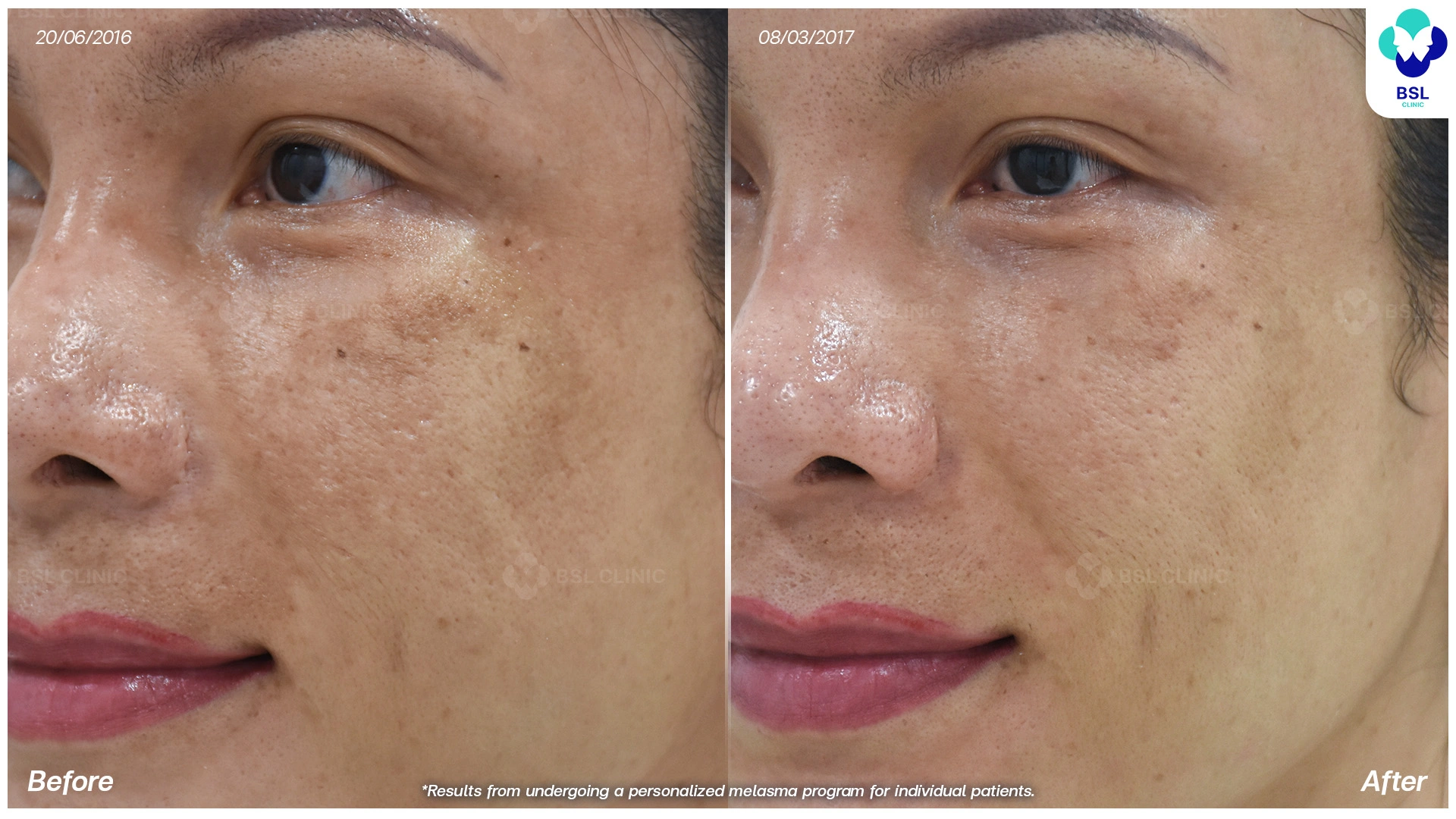
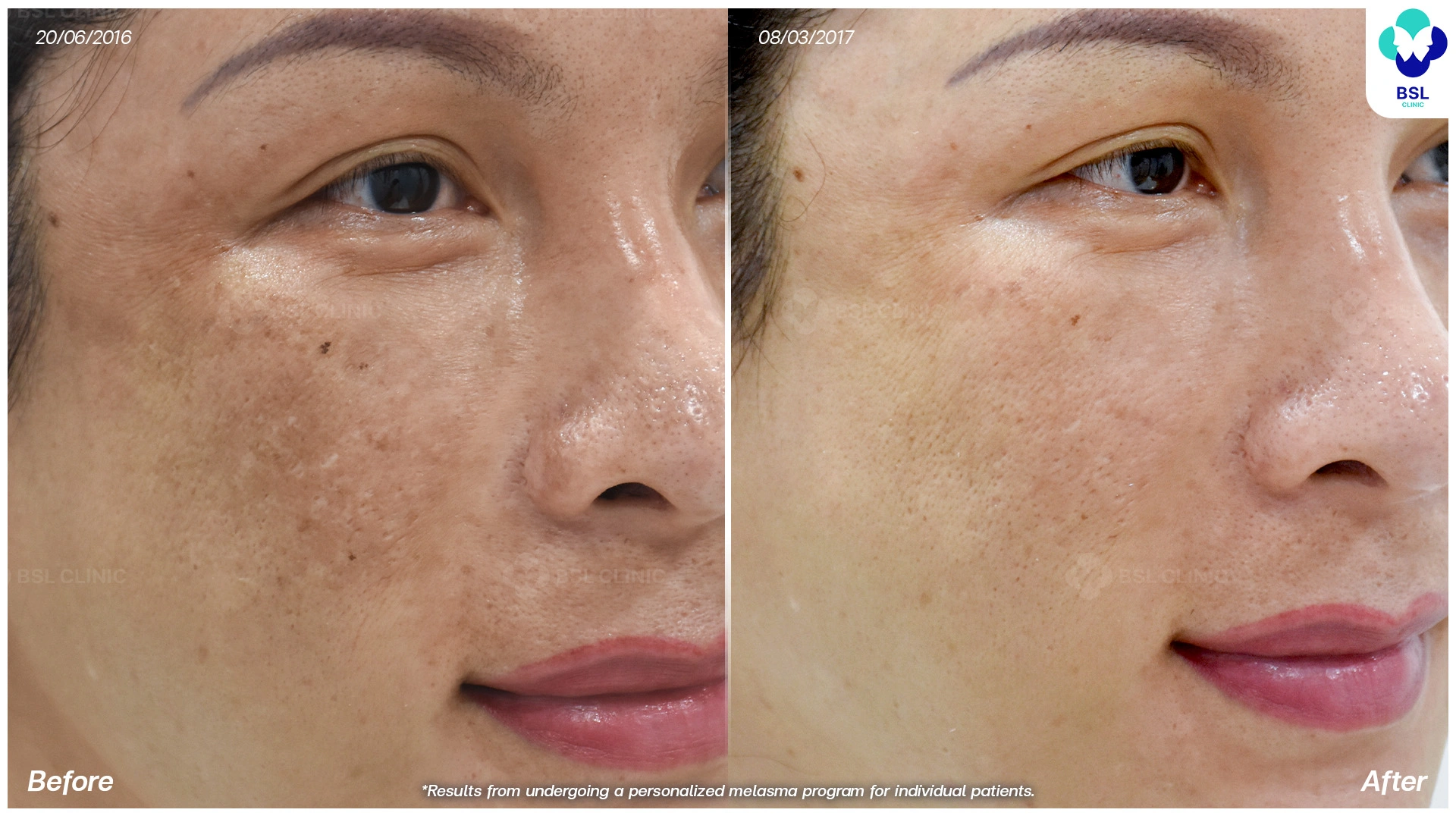
(Note: BSL Clinic would like to thank Ms. Farah for permitting to share treatment information concerning her skin conditions).

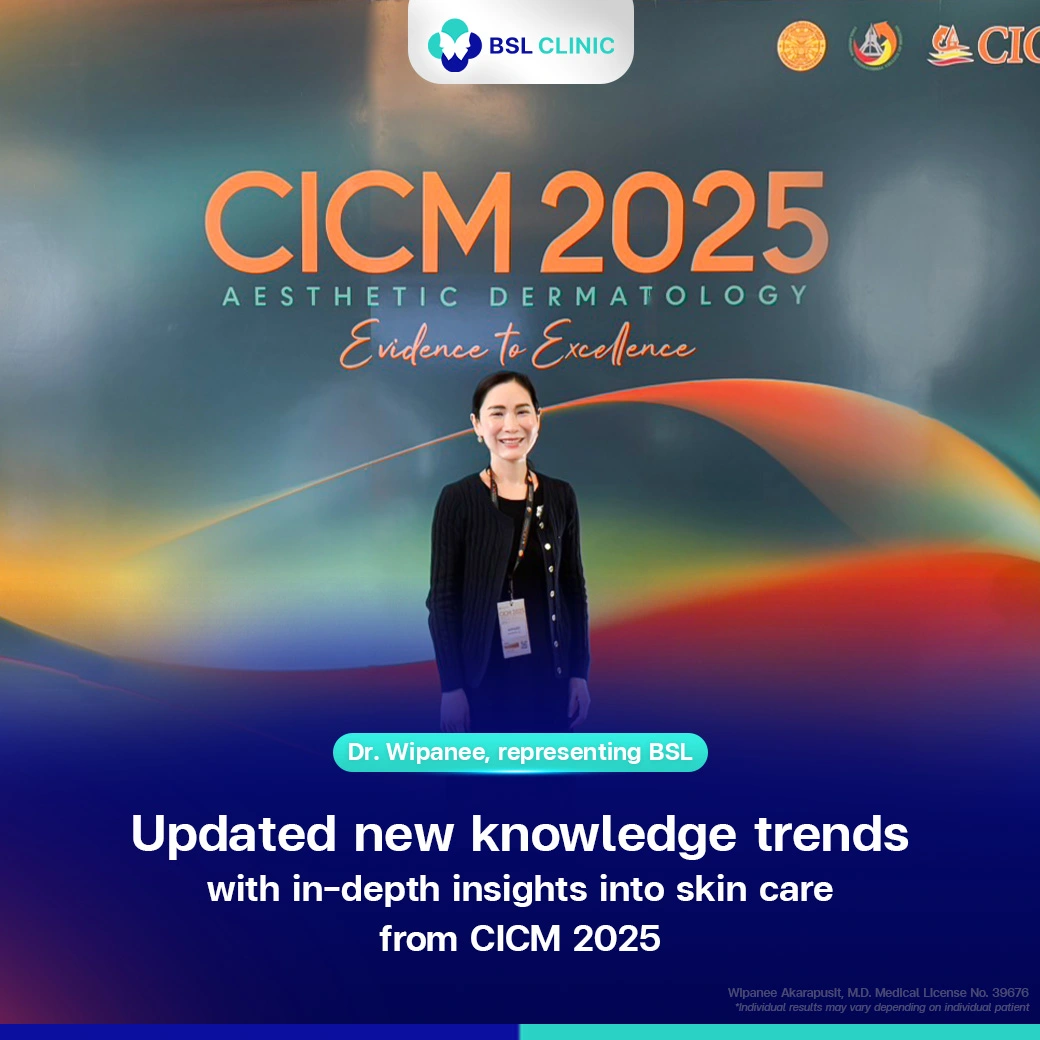
Dr. Wipanee, representing BSL, provided an update on knowledge trends with in-depth insights into skin care from CICM 2025, bringing them back to further develop treatment methods for our clients.
CICM 2025 Aesthetic Dermatology: Evidence-Based Medicine is an annual event that BSL doctors never miss, in order to stay updated with knowledge and research on dermatological treatments — including acne, melasma, freckles, hair loss, and scalp issues — as well as aesthetic procedures such as facial, neck, and body skin tightening, weight loss, and body contouring, all aimed at achieving healthy and youthful-looking skin.
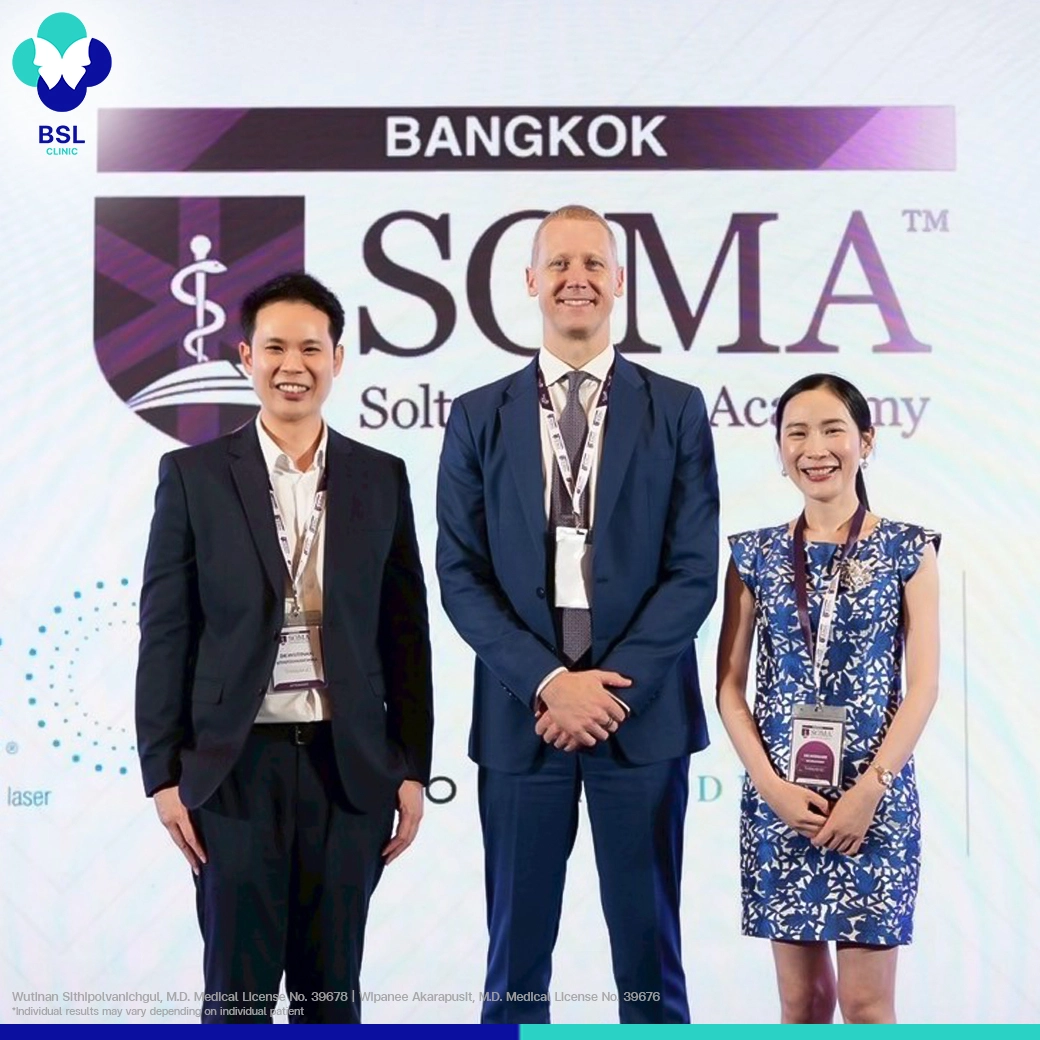
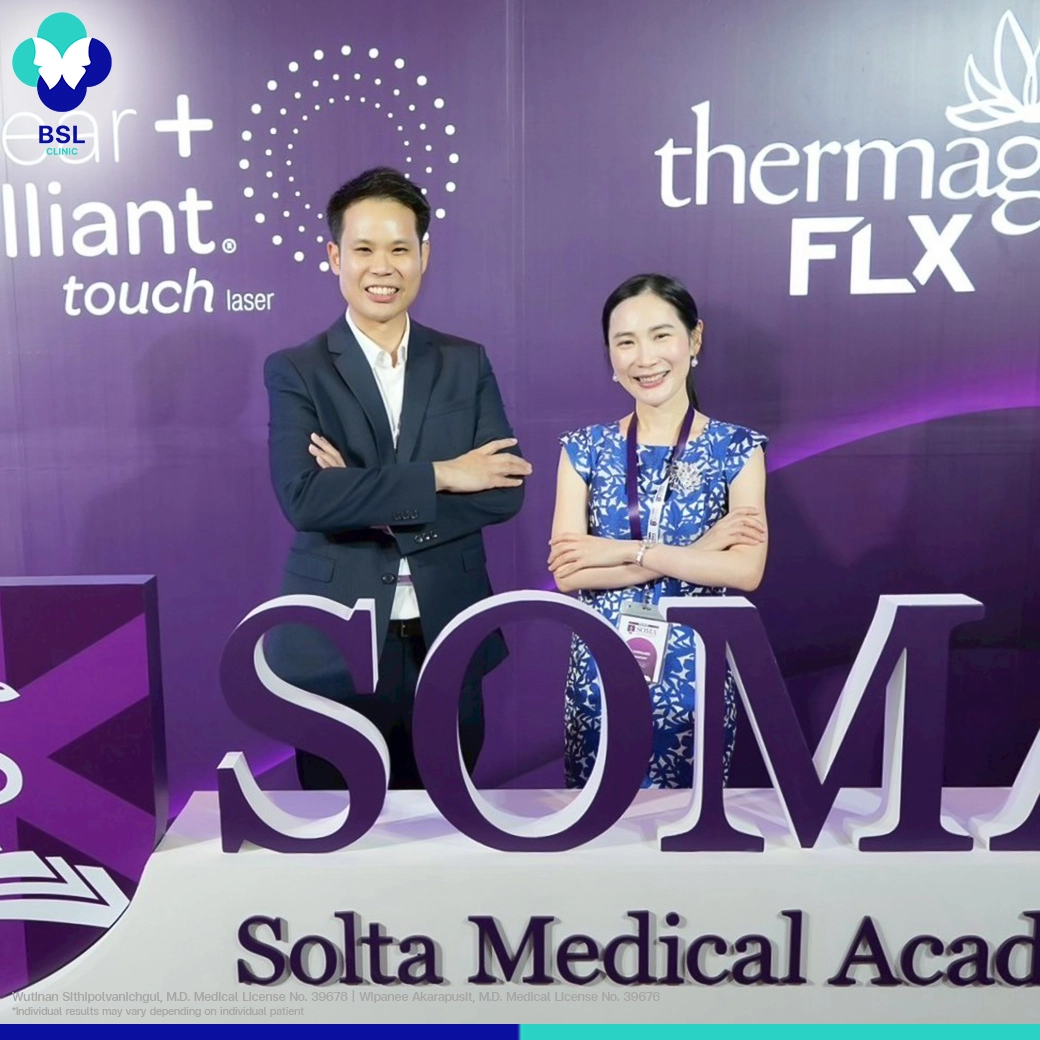
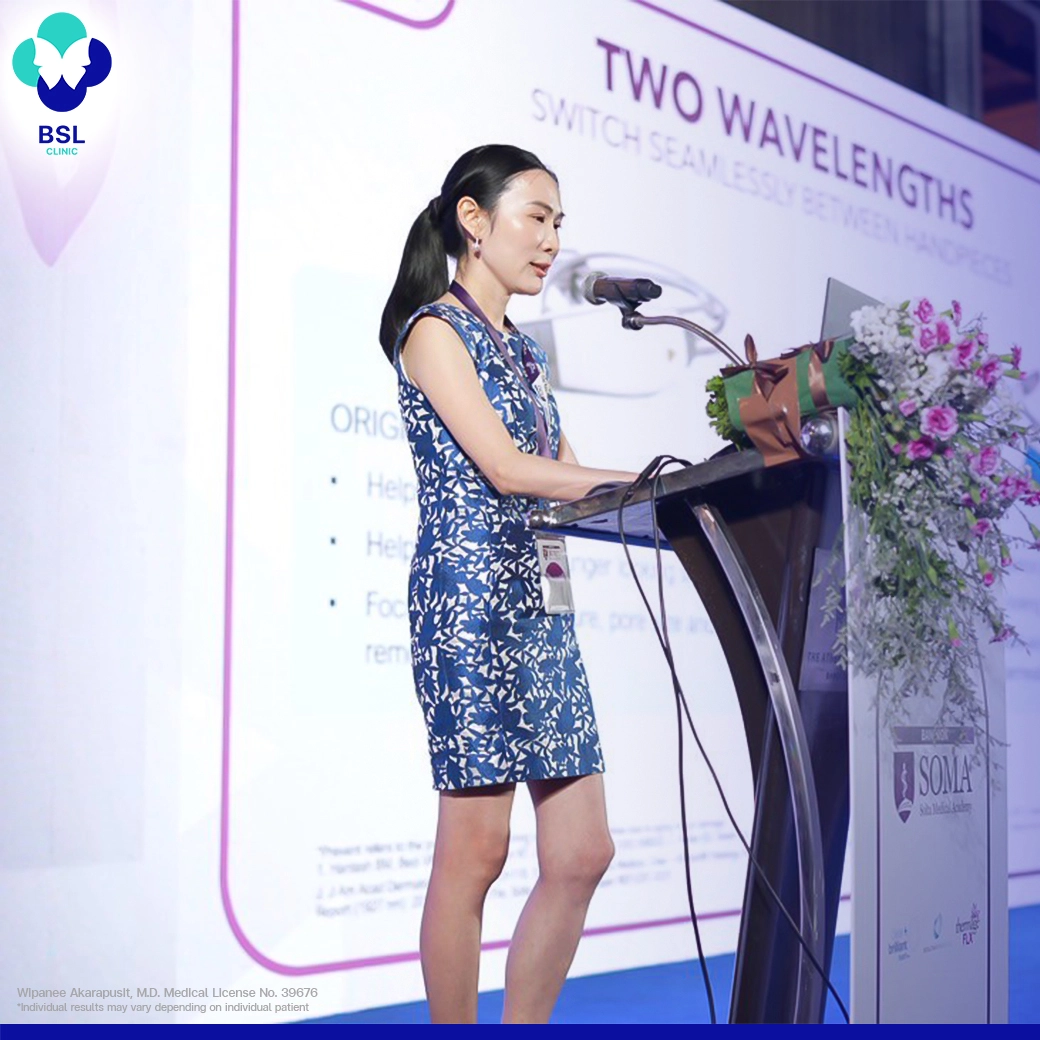
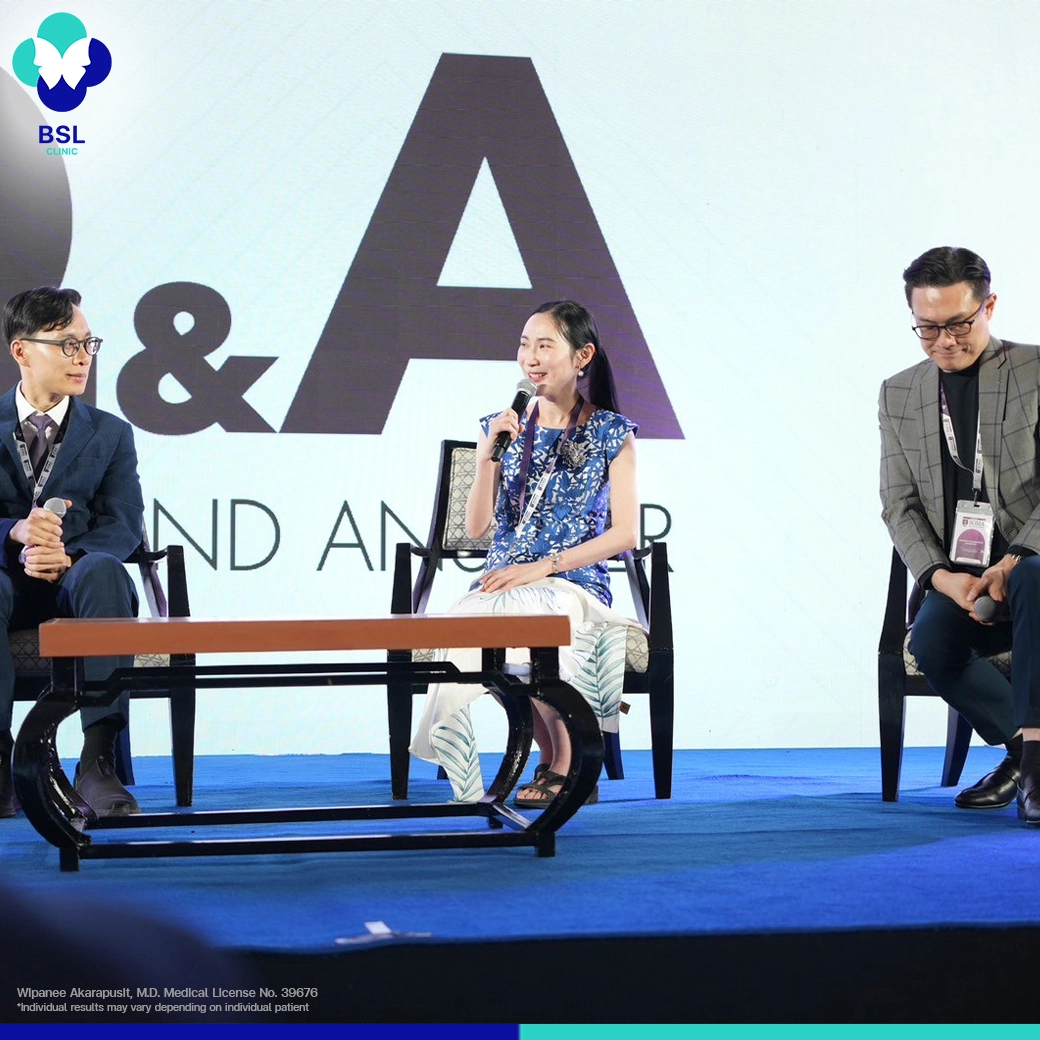
BSL Clinic Participates in Academic Conference Presentation
A stage that brings together dermatology and aesthetic medicine practitioners from various countries to exchange knowledge and experiences in skin care.
Dr. Wipanee Akkaraphusit (Medical License No. 39676) joined as a speaker, presenting on topics that reflect real experiences in patient care, while sharing holistic treatment approaches that emphasize “personalized understanding,” one of the key principles of modern aesthetic medicine.
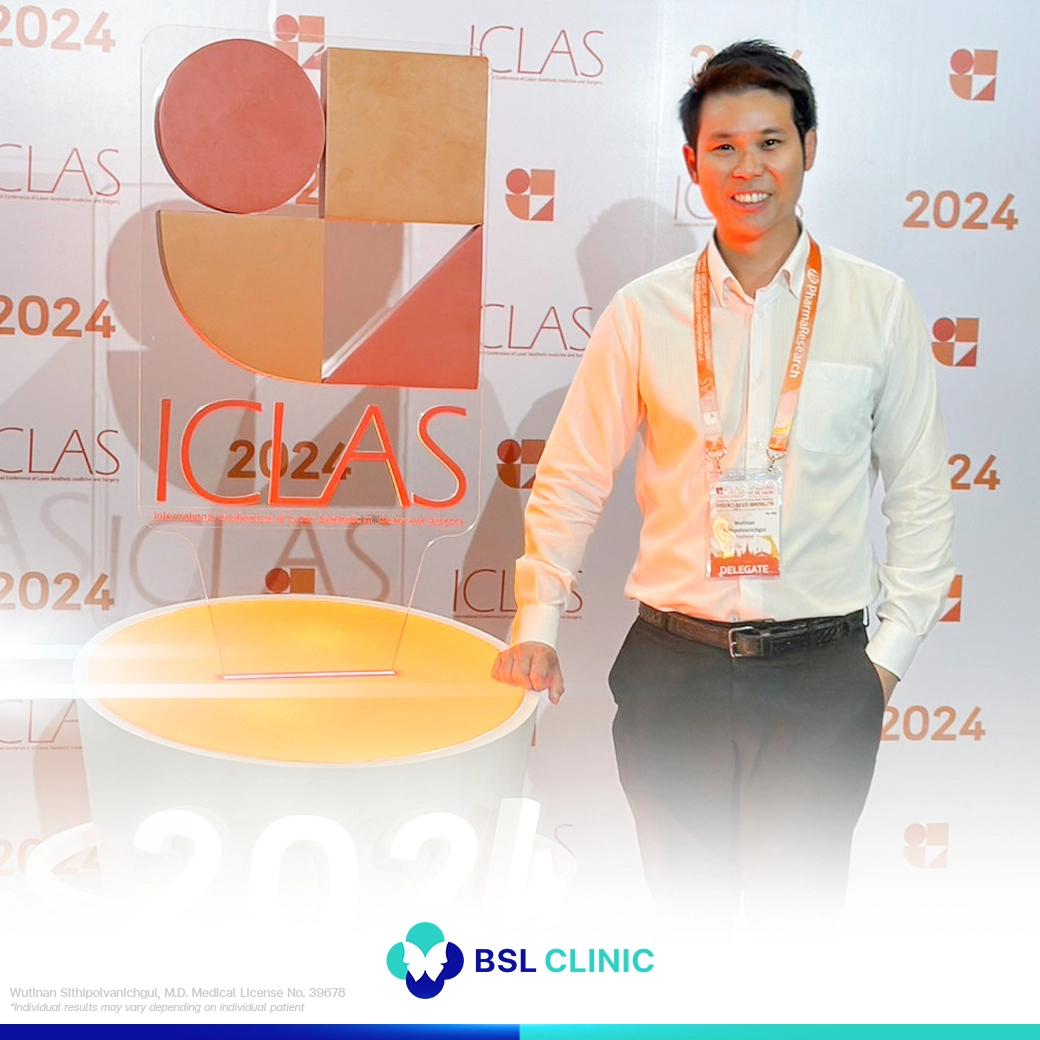
BSL doctors joined to update treatment methods for acne scars, melasma, freckles, skin tightening, filler programs and laser technology at the 3rd International Conference of Laser, Aesthetic Medicine and Surgery (ICLAS) in order to develop new knowledge and various treatment techniques to achieve results that are suitable for each patient.
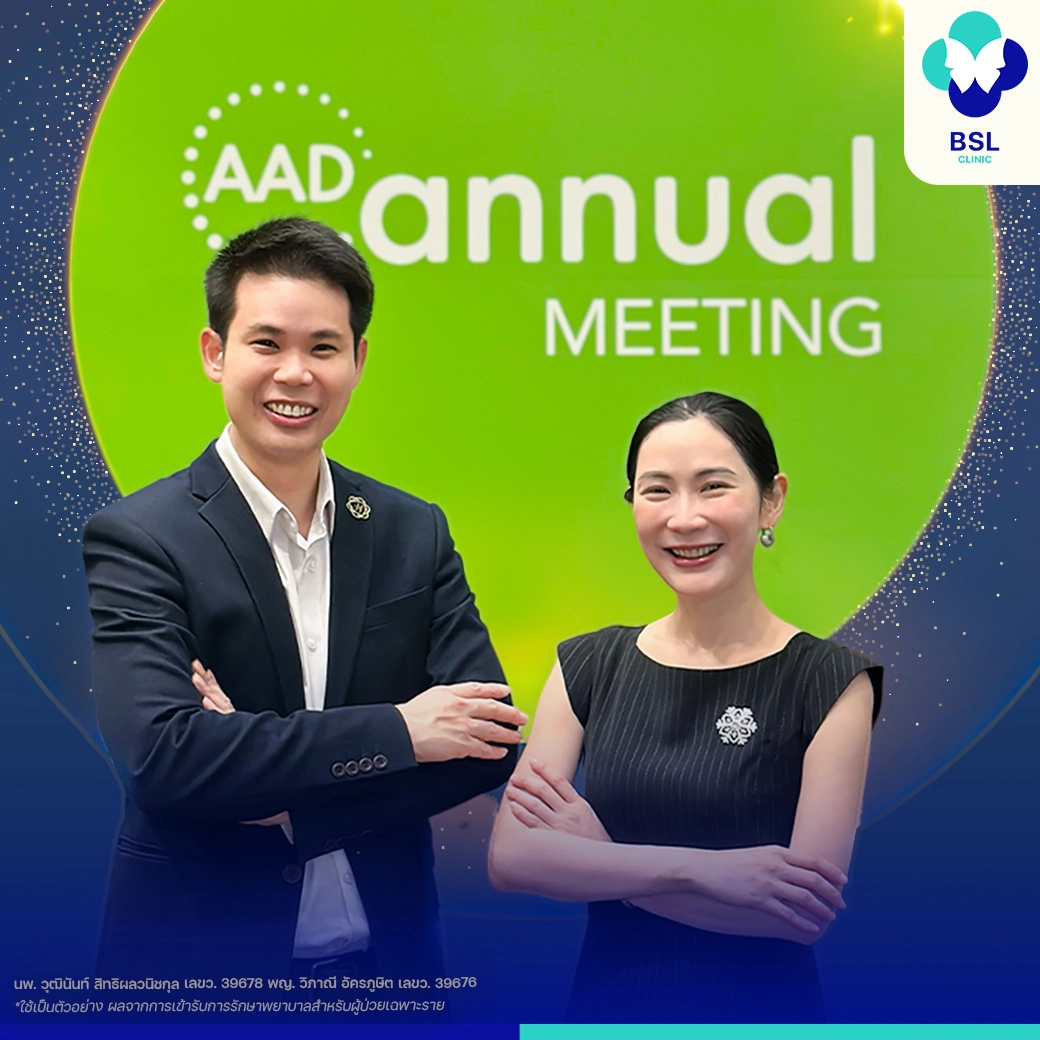
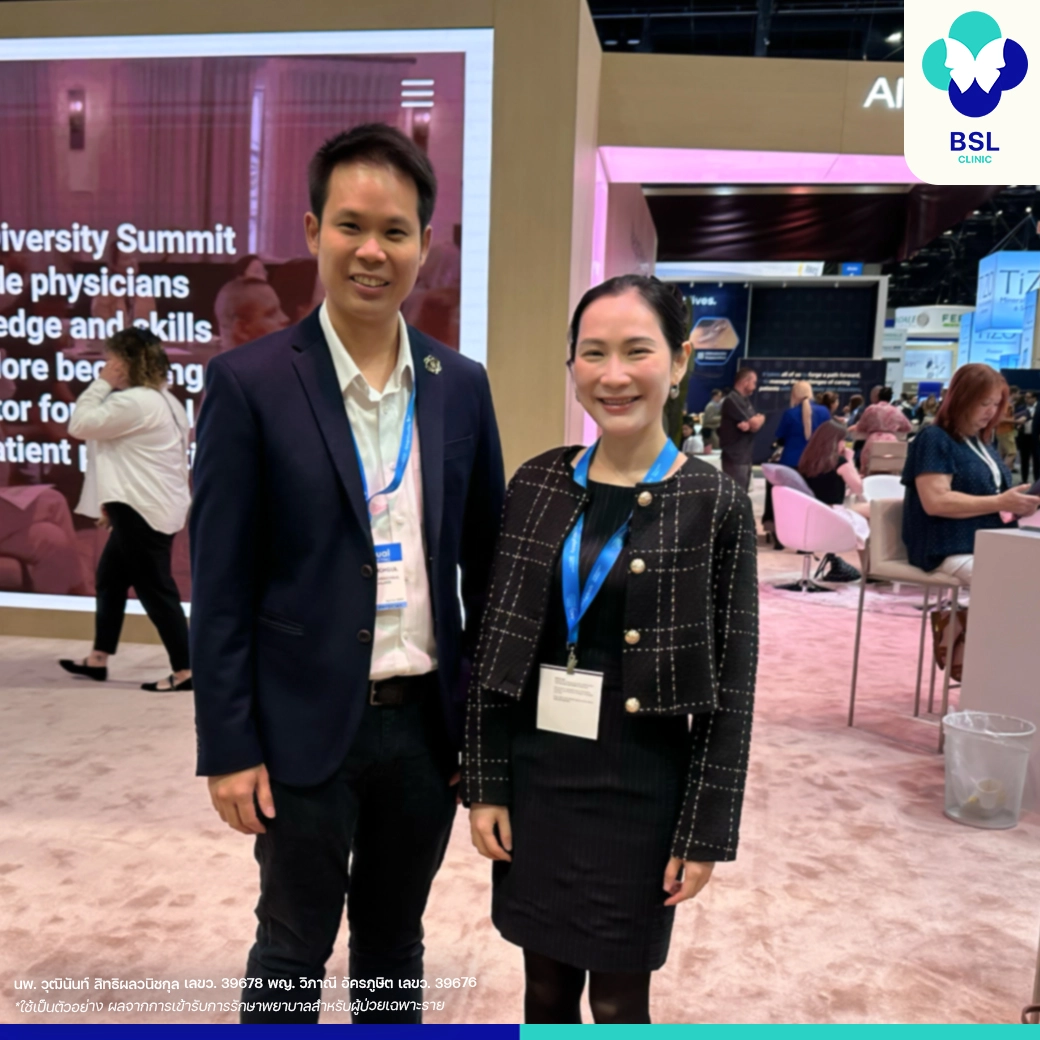
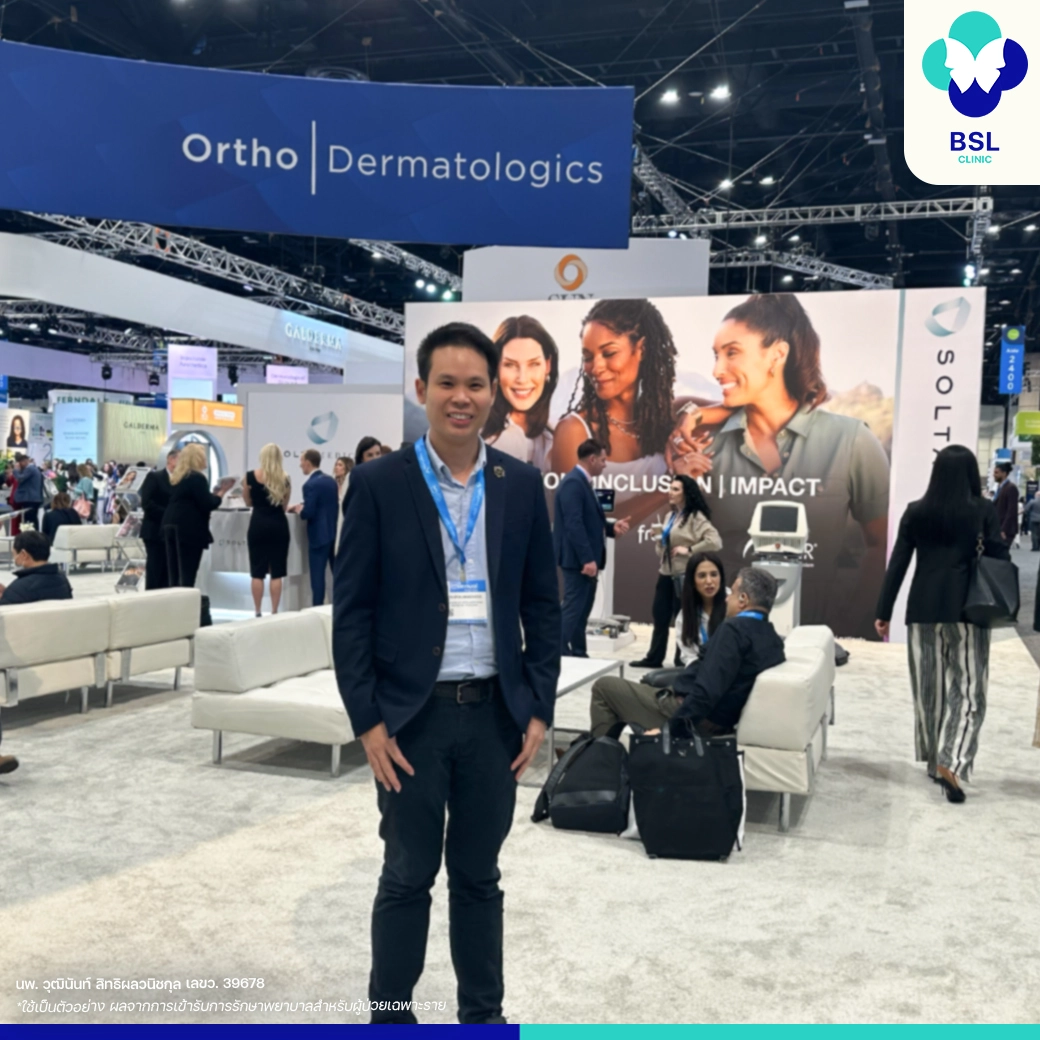
To develop approaches in skin care tailored to individual causes, laser technology that has been studied and applied in many countries is now available at BSL Clinic.
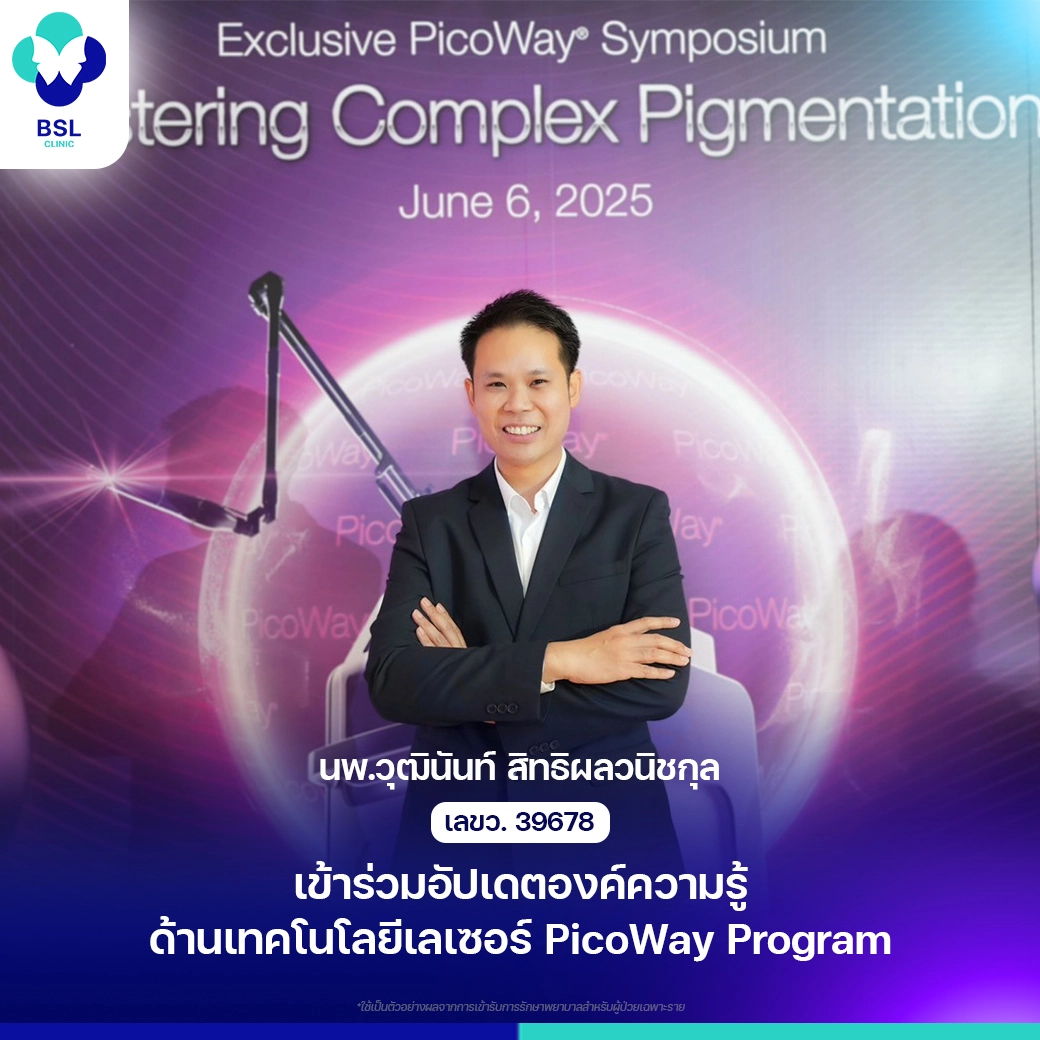
BSL Clinic had the honor to attend the Exclusive PicoWay® Symposium: Mastering Complex Pigmentation, with Dr. Wutthinan Sithipolvanichgul (Medical Council No. 39678) updating knowledge on the PicoWay® Program and approaches to managing skin pigmentation issues such as melasma, freckles, and uneven skin tone, while exchanging perspectives with doctors from various countries to find approaches suitable for each individual.
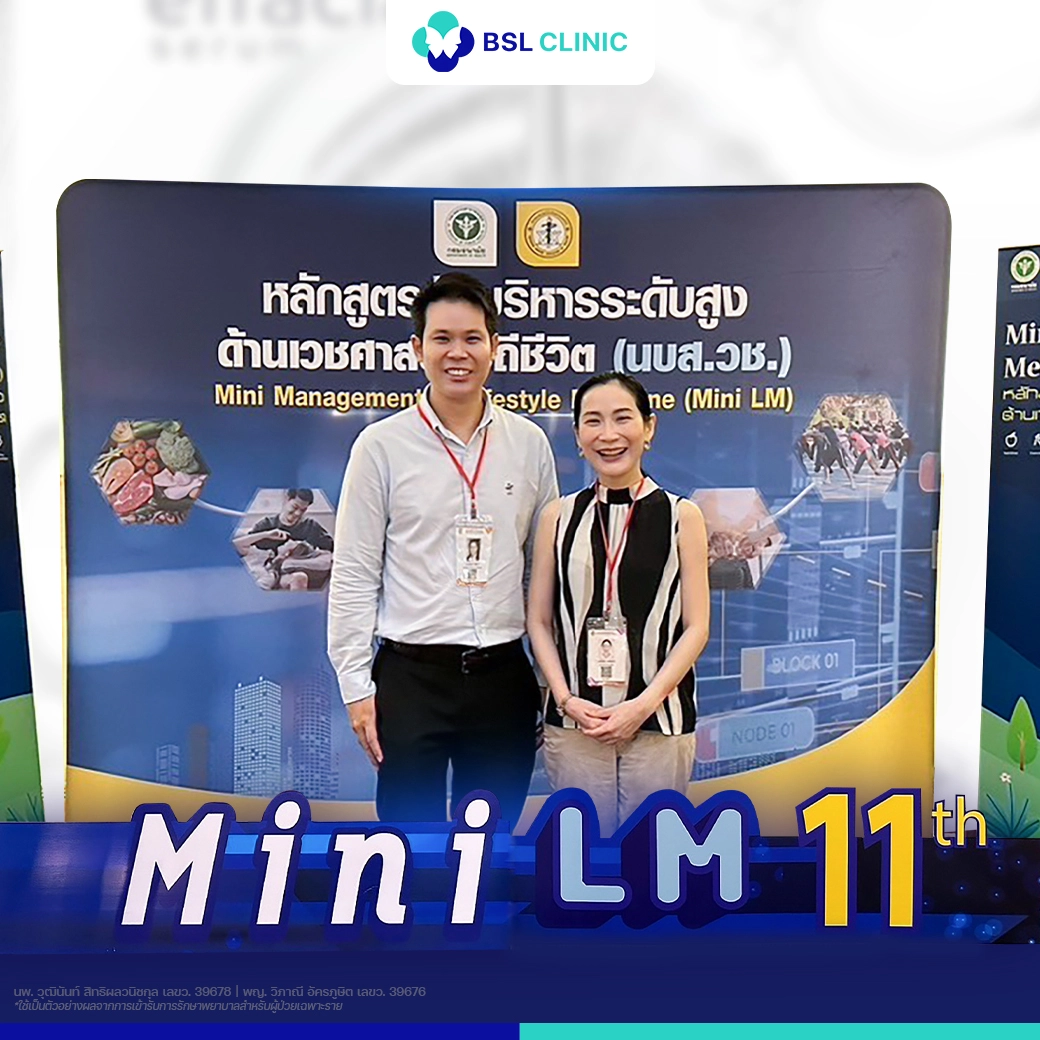
This learning covers knowledge in health promotion, disease prevention, and chronic condition management, with a focus on holistic health care from the level of genes, environment, and lifestyle behaviors. BSL doctors will apply the knowledge gained to consider and plan appropriate health and skin care for each individual client.
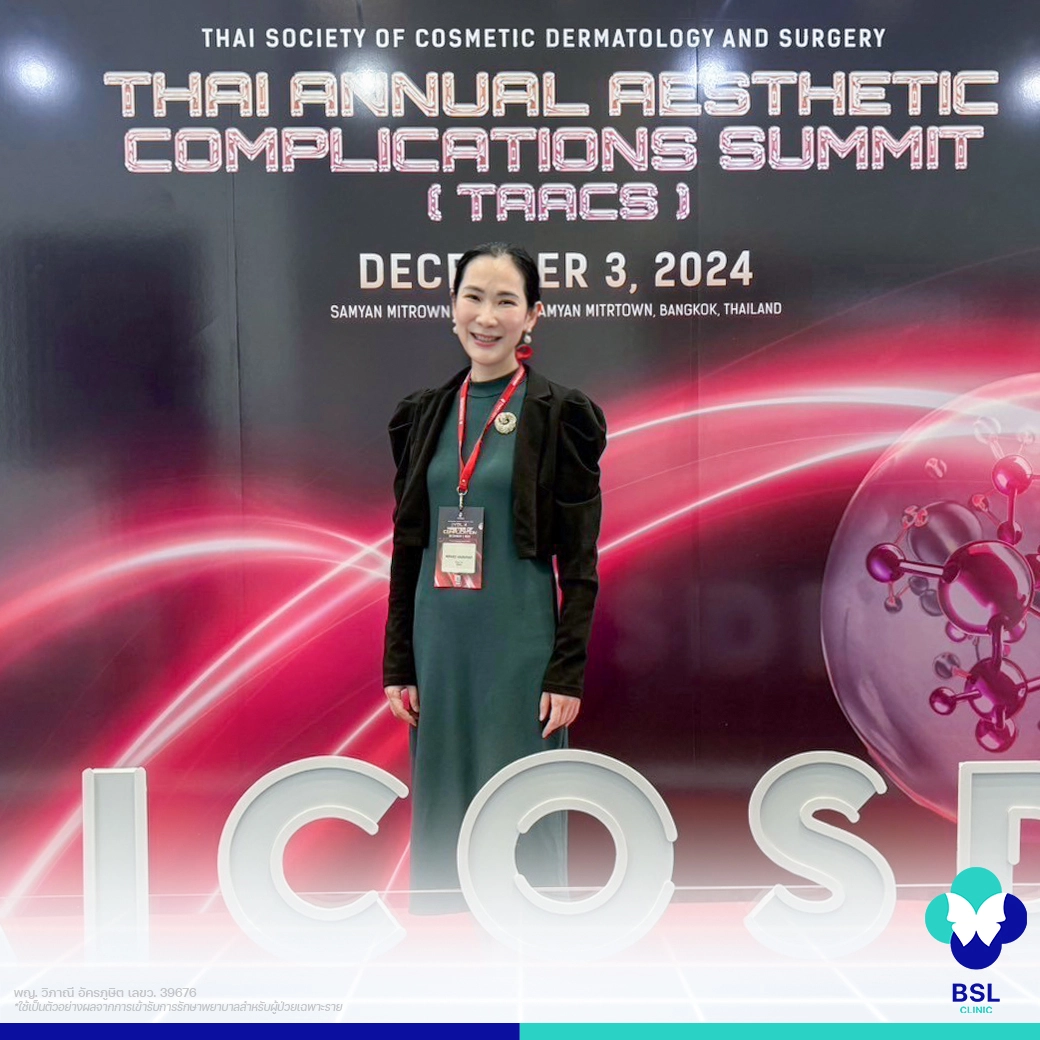
Doctors participated in a national academic conference to exchange knowledge in the treatment of dermatological and aesthetic issues. This conference emphasized methods of care, prevention, and the management of possible complications from treatments, enabling doctors to apply the information in planning care appropriate for each individual.
Wutinan Sithipolvanichgul, M.D. Medical License No. 39678 *Individual results may vary depending on individual patient
BSL Clinic had the honor to attend the Exclusive PicoWay® Symposium: Mastering Complex Pigmentation, with Dr. Wutthinan Sithipolvanichgul (Medical Council No. 39678) updating knowledge on the PicoWay® Program and approaches to managing skin pigmentation issues such as melasma, freckles, and uneven skin tone, while exchanging perspectives with doctors from various countries to find approaches suitable for each individual.
Wutinan Sithipolvanichgul, M.D. Medical License No. 39678 *Individual results may vary depending on individual patient
This learning covers knowledge in health promotion, disease prevention, and chronic condition management, with a focus on holistic health care from the level of genes, environment, and lifestyle behaviors. BSL doctors will apply the knowledge gained to consider and plan appropriate health and skin care for each individual client.


Call Center : +66993438666
Whatsapp : +66620136667
Line ID : @bslclinic
bslclinic.com
BSL Clinic (Sukhumvit Branch)
Time Square Building Room 114 (Ground Floor). 246 Sukhumvit Road, Khlong Toei, Bangkok, Thailand 10110
Copyright © 2015 www.bslclinic.com All Rights Reserved.