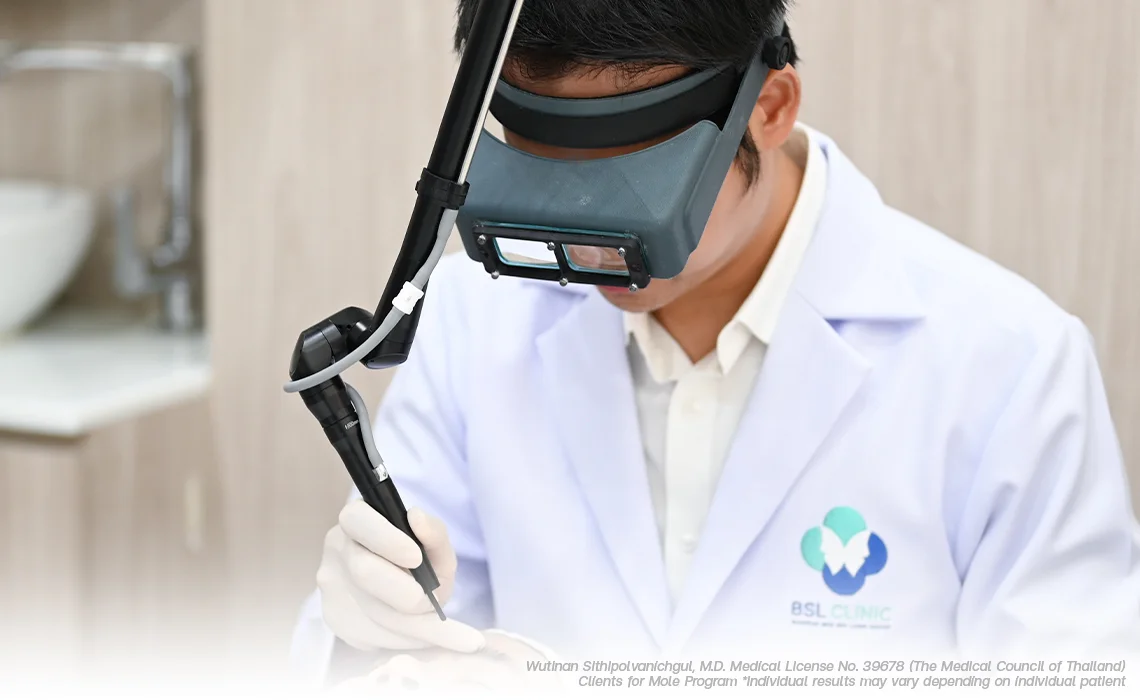





Skin growths such as moles and skin tags are common and usually harmless. However, some individuals may seek treatment for cosmetic or practical reasons, especially when these lesions appear in visible or sensitive areas.
One method that has been widely used in clinical settings is the CO2 Laser—a type of light-based technology that can target and remove certain types of skin lesions with precision. This page explores how CO2 laser treatment is applied to address moles and skin tags, and what to expect from the process.
CO2 Laser is a type of ablative laser often used in dermatological procedures, including the removal of moles and skin tags. It works by directing concentrated light energy to gently break down targeted tissue with precision.
Compared to surgical excision, CO2 laser treatment may offer a less invasive alternative for selected types of raised or surface-level lesions, depending on medical assessment.
Individuals may consider CO2 laser treatment if they have:
As always, proper consultation is important to determine whether CO2 Laser is suitable for the specific type and location of the skin lesion.
CO2 Laser is an ablative laser that delivers focused light energy in the form of a fine beam. This beam penetrates the upper layers of skin to precisely remove unwanted tissue—such as certain types of moles or skin tags—without affecting the surrounding area.
During CO2 laser treatment, the light energy heats the targeted area just enough to break down the unwanted cells. The treated tissue is naturally replaced as part of the skin’s healing response, which gradually reveals smoother and more even skin over time.
Because of its precision, CO2 Laser is often selected for treating small, well-defined growths that require minimal disruption to nearby skin—such as raised moles on the face or skin tags in delicate areas.
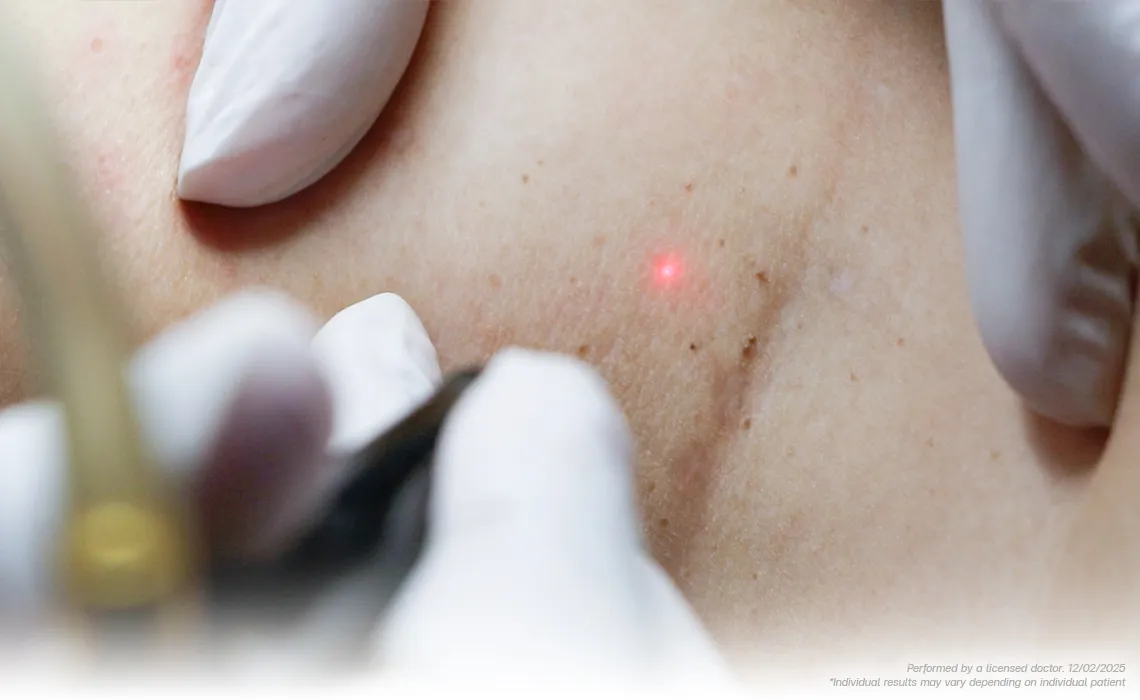
CO2 Laser operates at a wavelength of 10,600 nanometers, which is highly absorbed by water in skin tissue. This allows for precise removal of superficial lesions—such as certain types of moles and skin tags—by vaporizing the targeted cells without excessive damage to surrounding skin.
In addition to tissue removal, CO2 laser treatment also creates controlled thermal stimulation beneath the skin’s surface. This heat response activates the body’s natural repair process, encouraging collagen production and gradual skin renewal.
Because it delivers both precision and regenerative benefits, CO2 Laser is often considered in the treatment of raised moles, surface-level skin growths, or skin tags—particularly when the goal includes both removal and texture improvement.
After receiving CO2 laser treatment for moles or skin tags, the treated area may appear slightly red or sensitive for the first few days. Very thin scabs may form as part of the natural healing process, and they typically fall off within 5 to 7 days.
The newly revealed skin may appear pink and delicate at first, gradually blending into the surrounding skin tone. Most people can resume light daily activities soon after the procedure, but it’s advised to avoid sun exposure and apply gentle skincare as recommended.
While CO2 Laser is known for its precision, individual healing experiences may vary depending on the depth and type of the lesion removed. A follow-up may be scheduled to assess the result and ensure proper recovery.
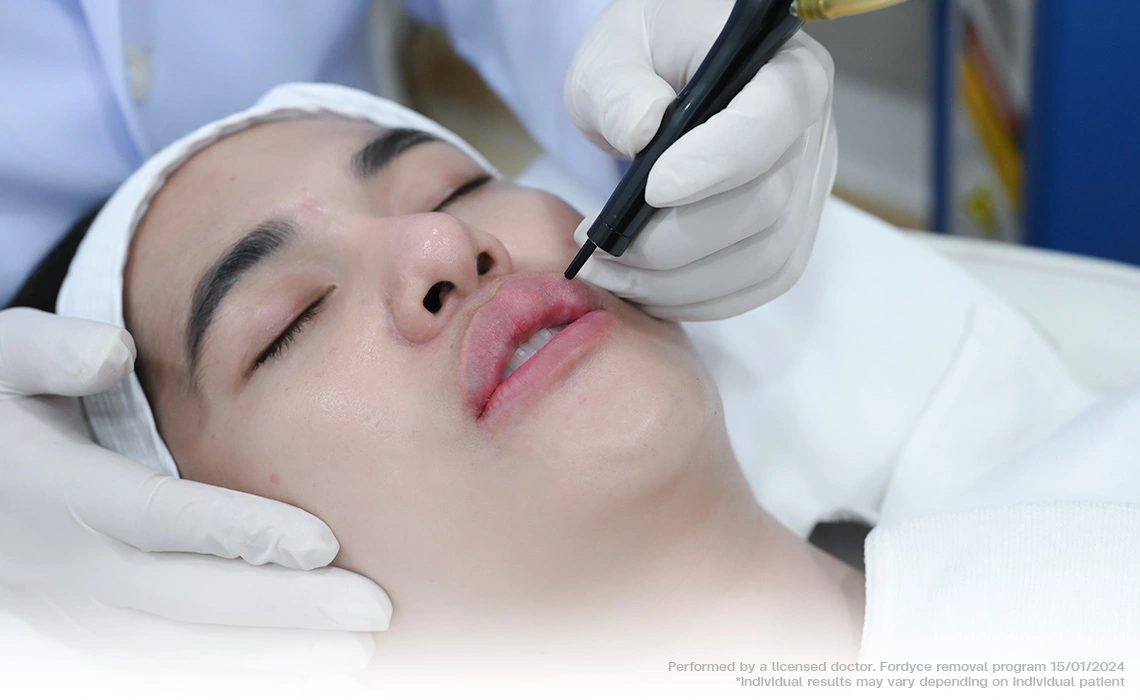
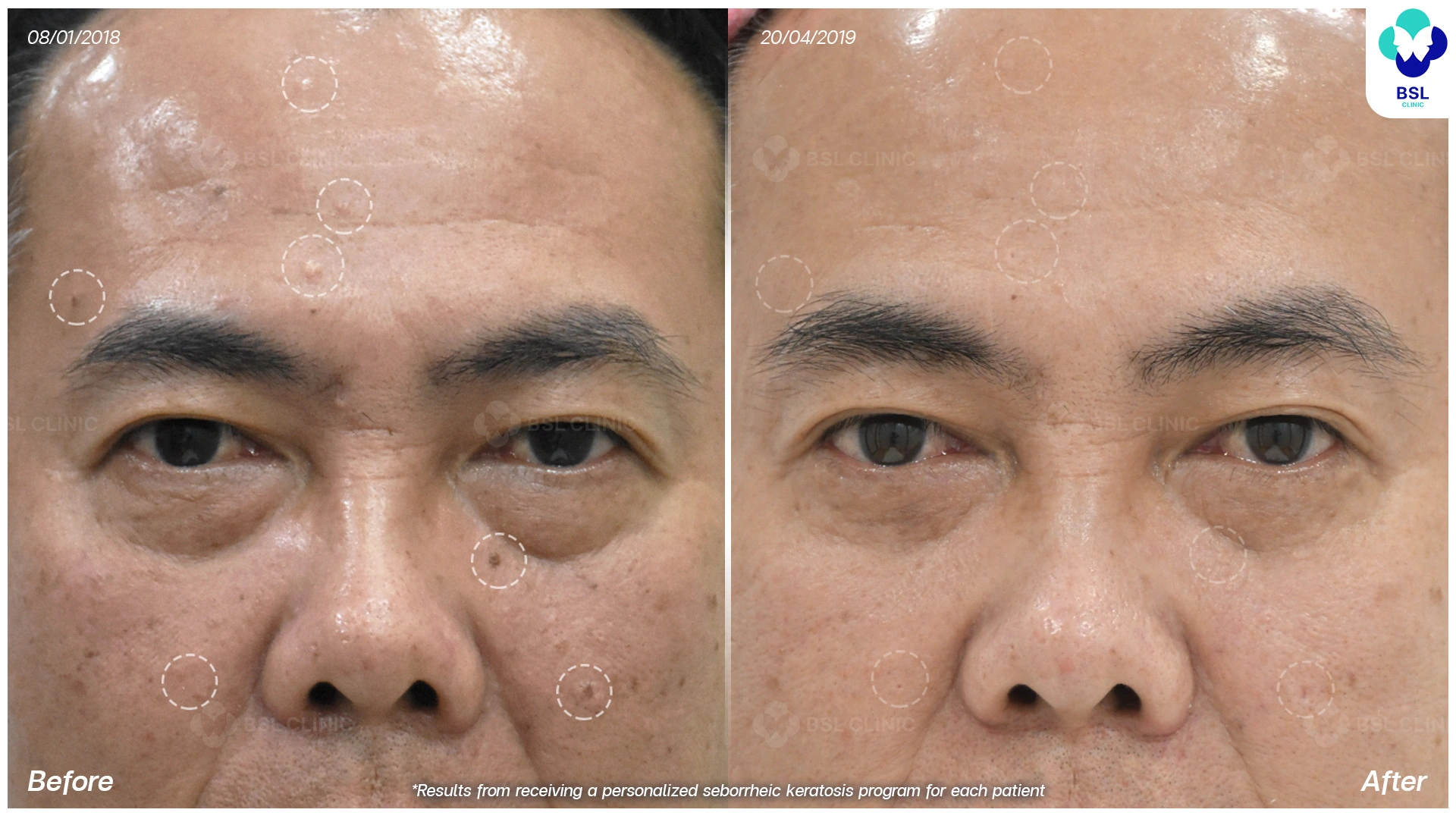
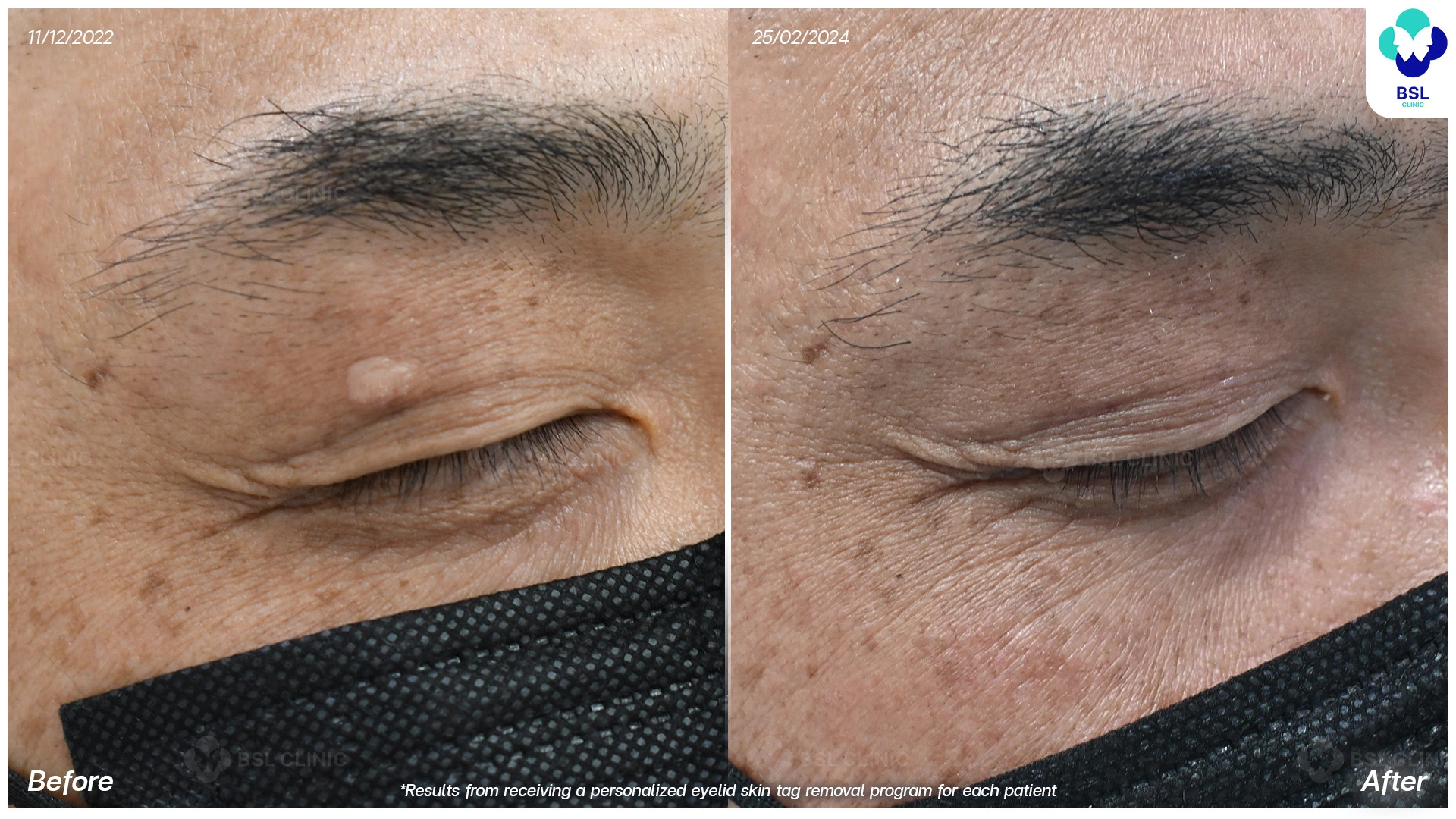
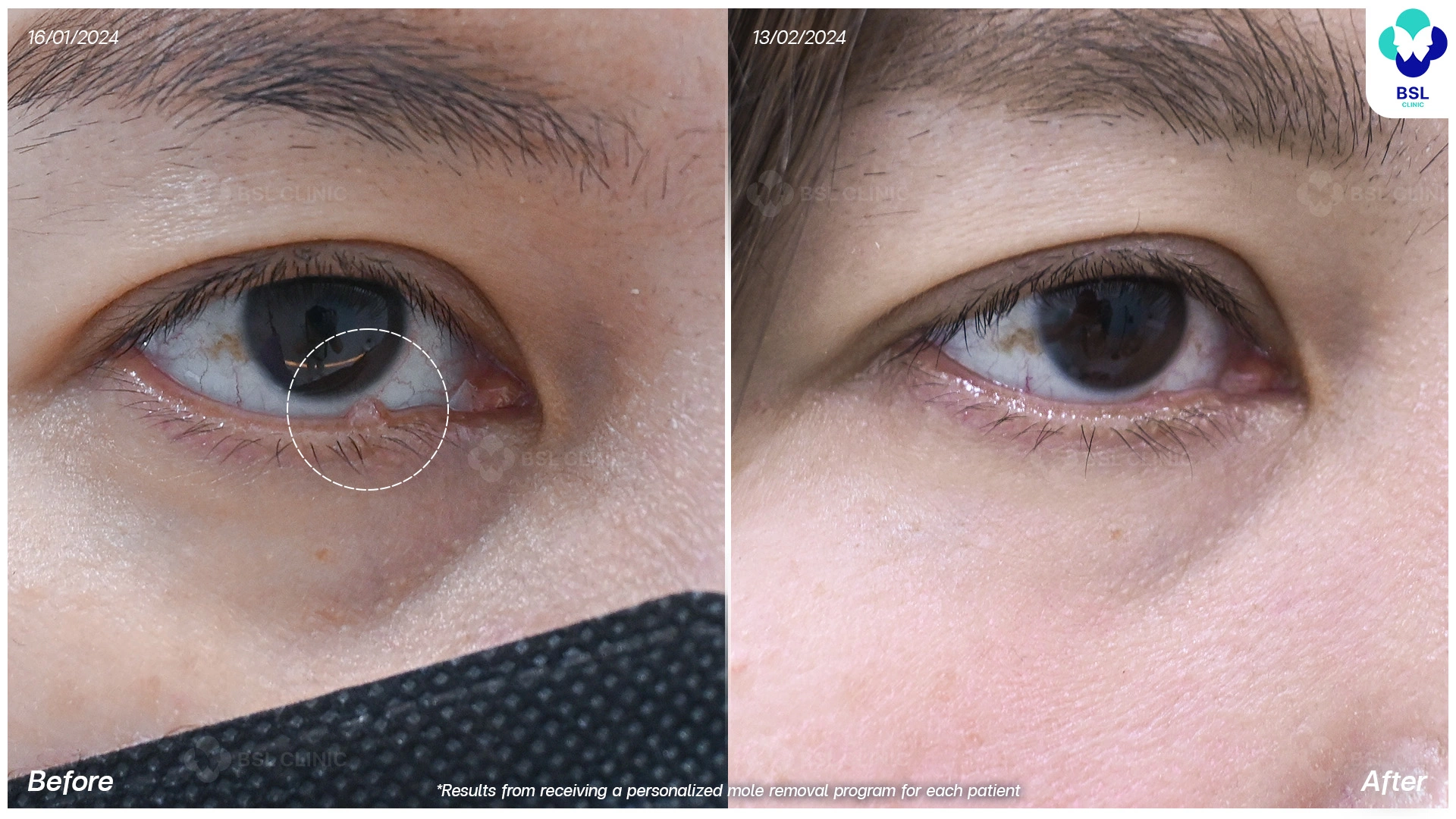
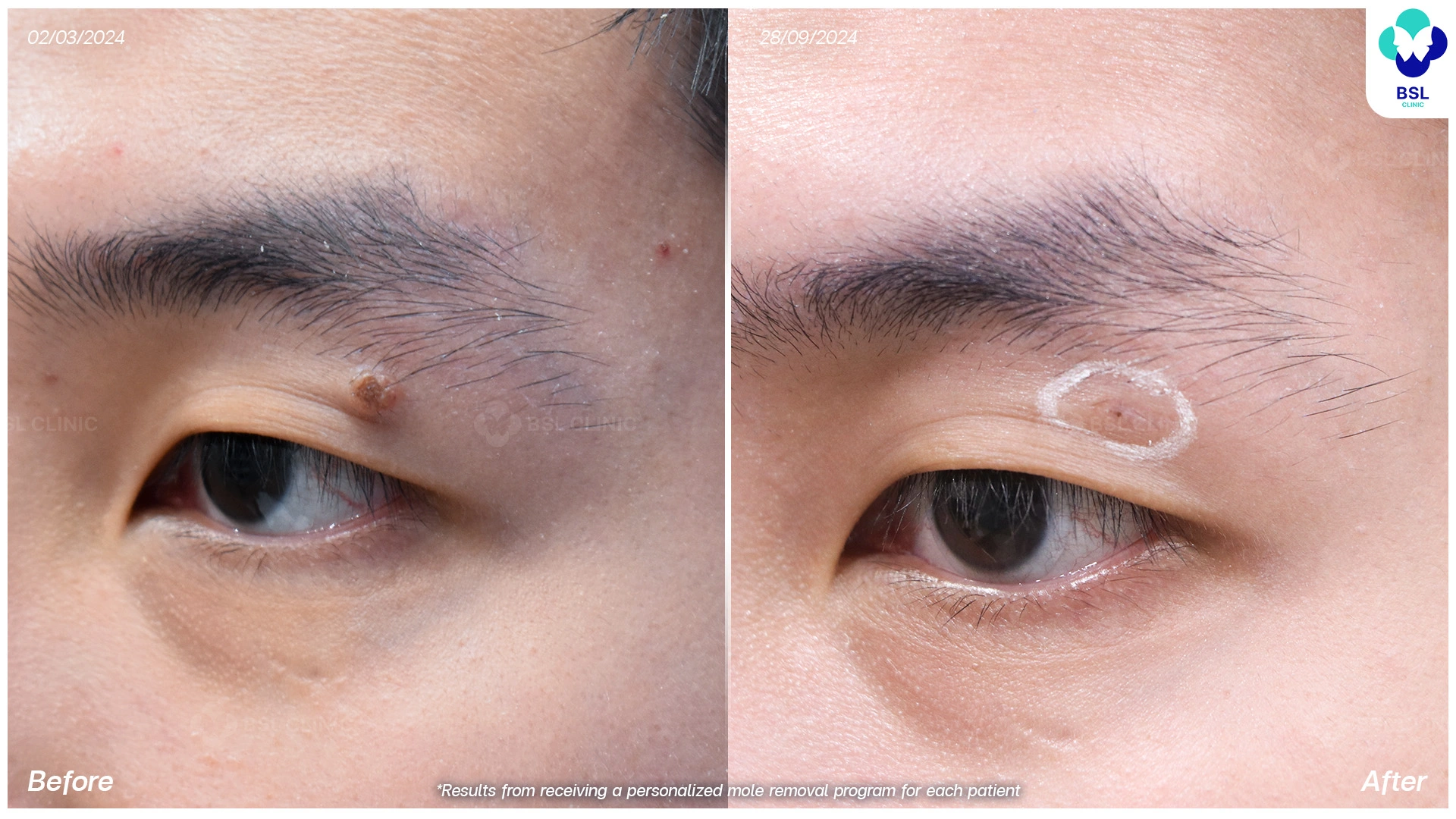
Following a CO2 laser treatment, individuals may notice gradual but visible improvements in the treated area. Whether used for moles, skin tags, or other surface-level lesions, the laser’s targeted action supports a natural skin renewal process.
While results vary based on skin type and lesion size, many patients observe smoother skin texture and more uniform tone over time. This section explores what changes can typically be expected after undergoing a CO2 Laser procedure.
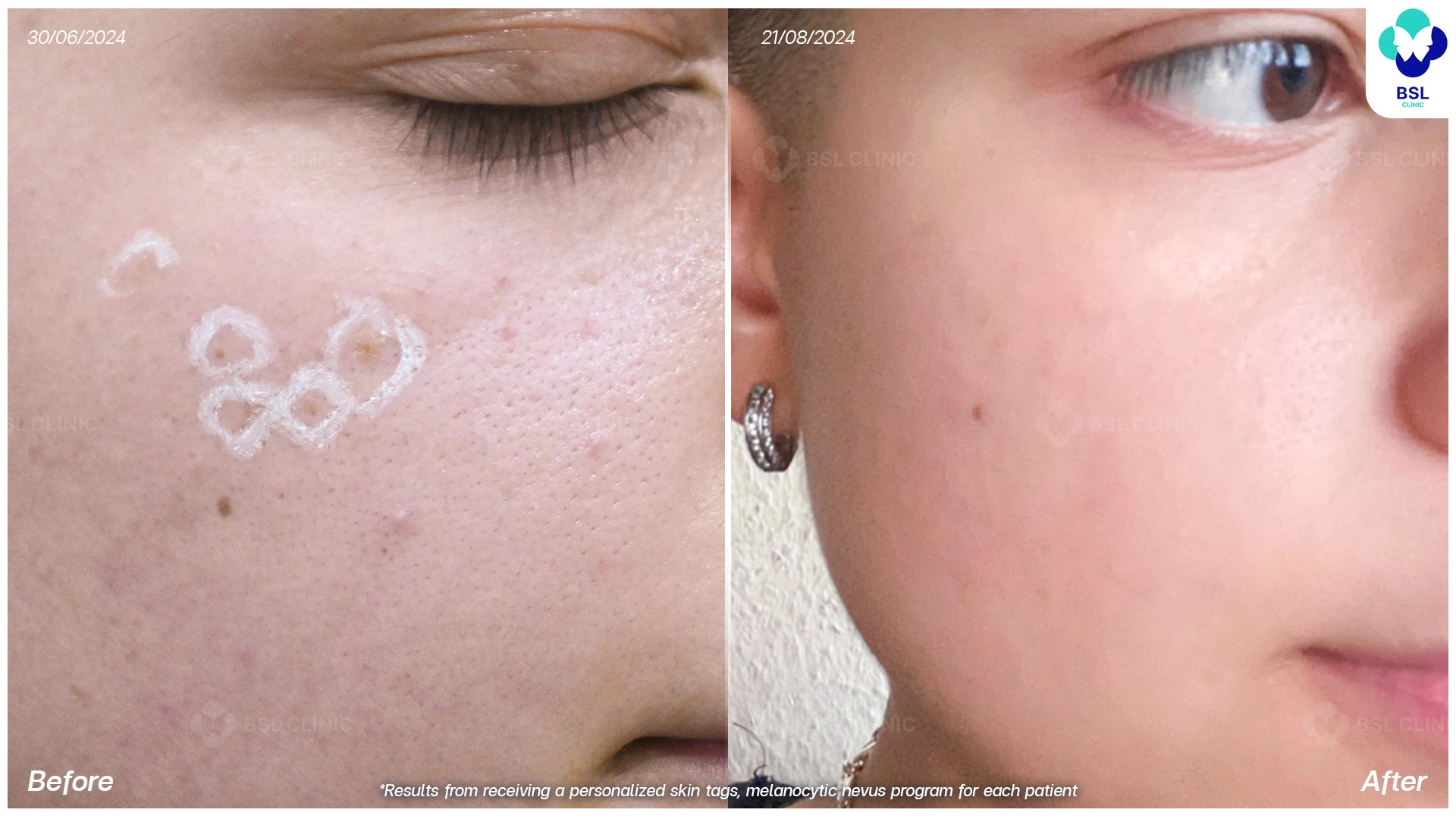
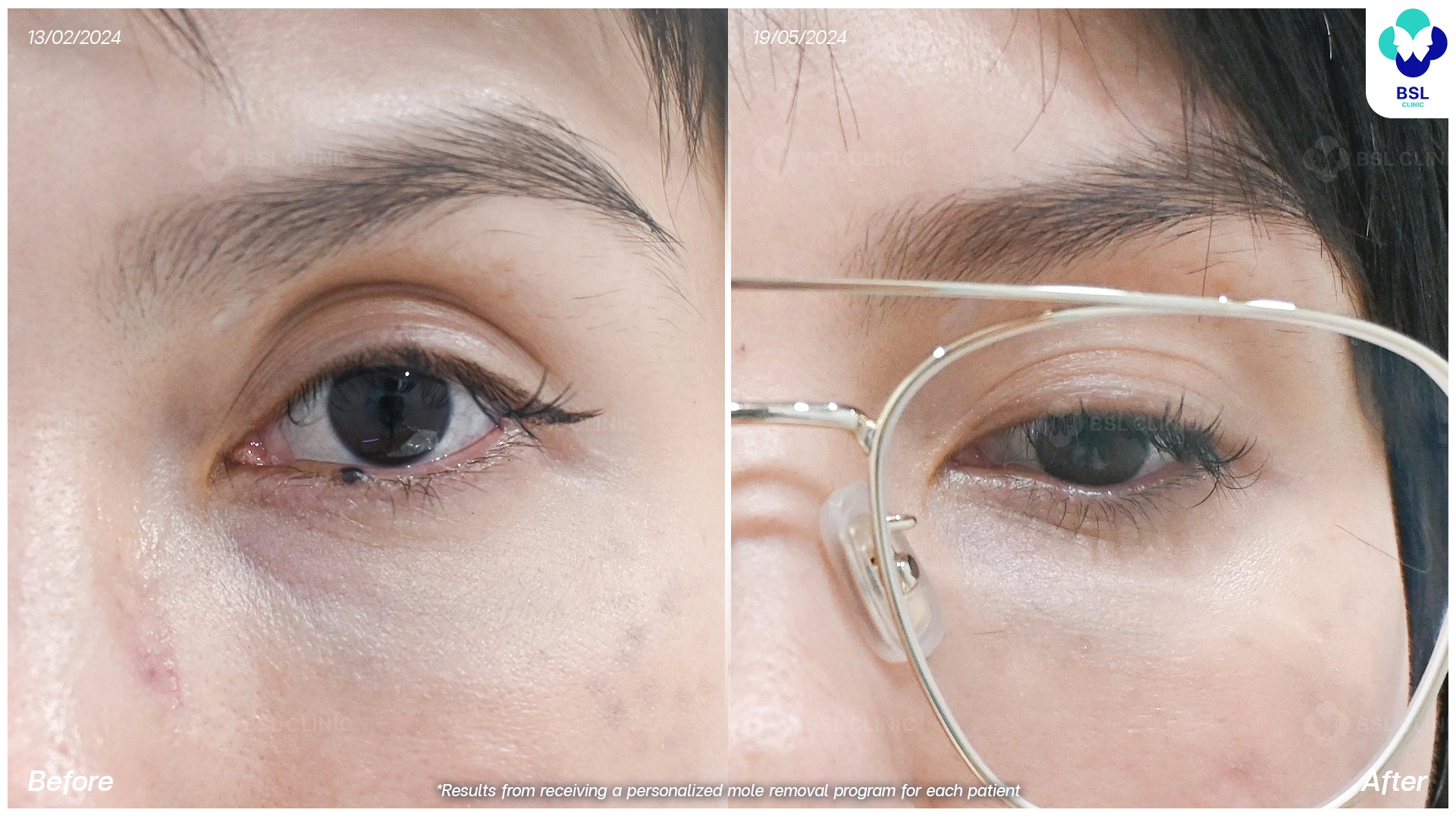
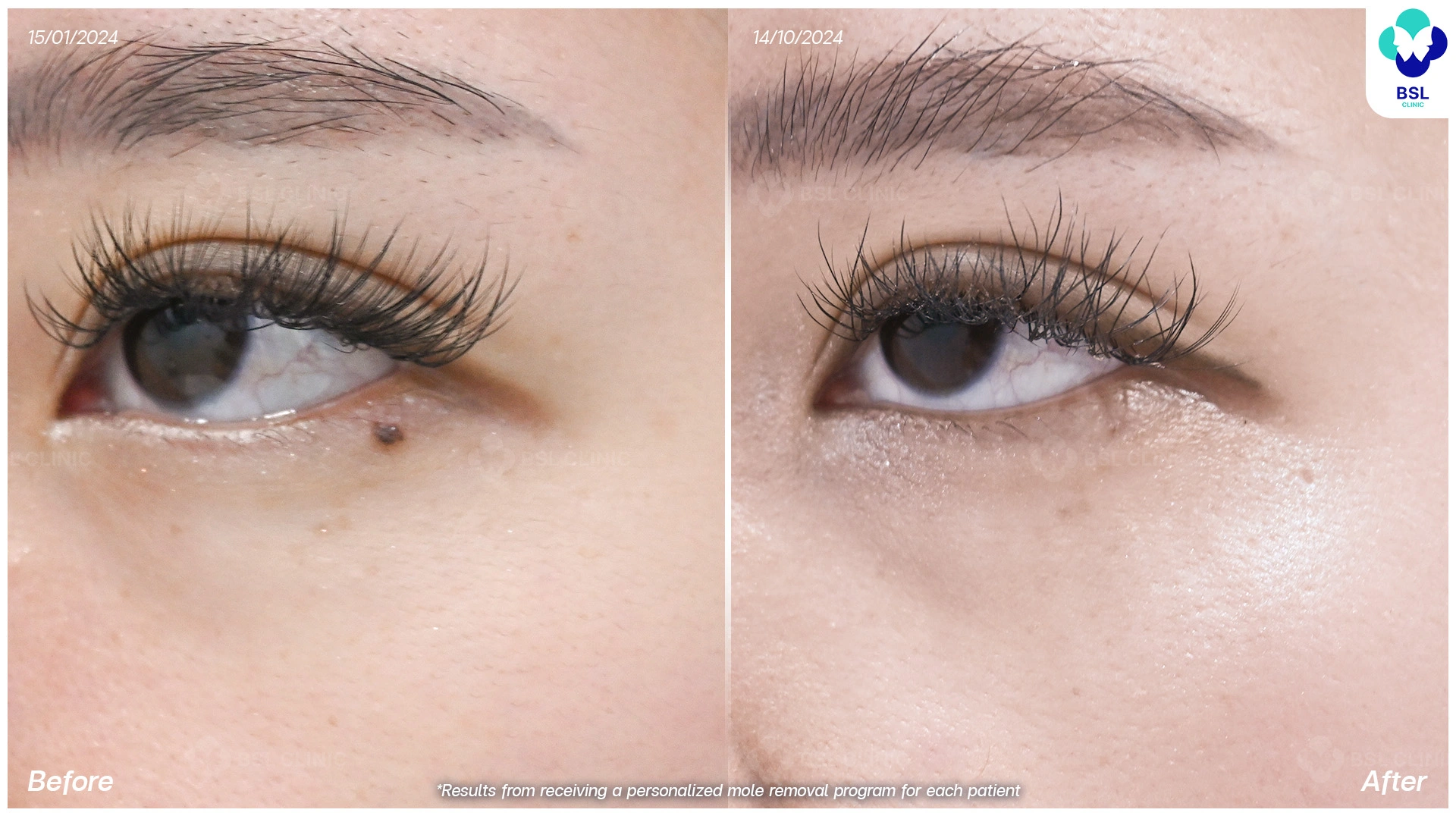
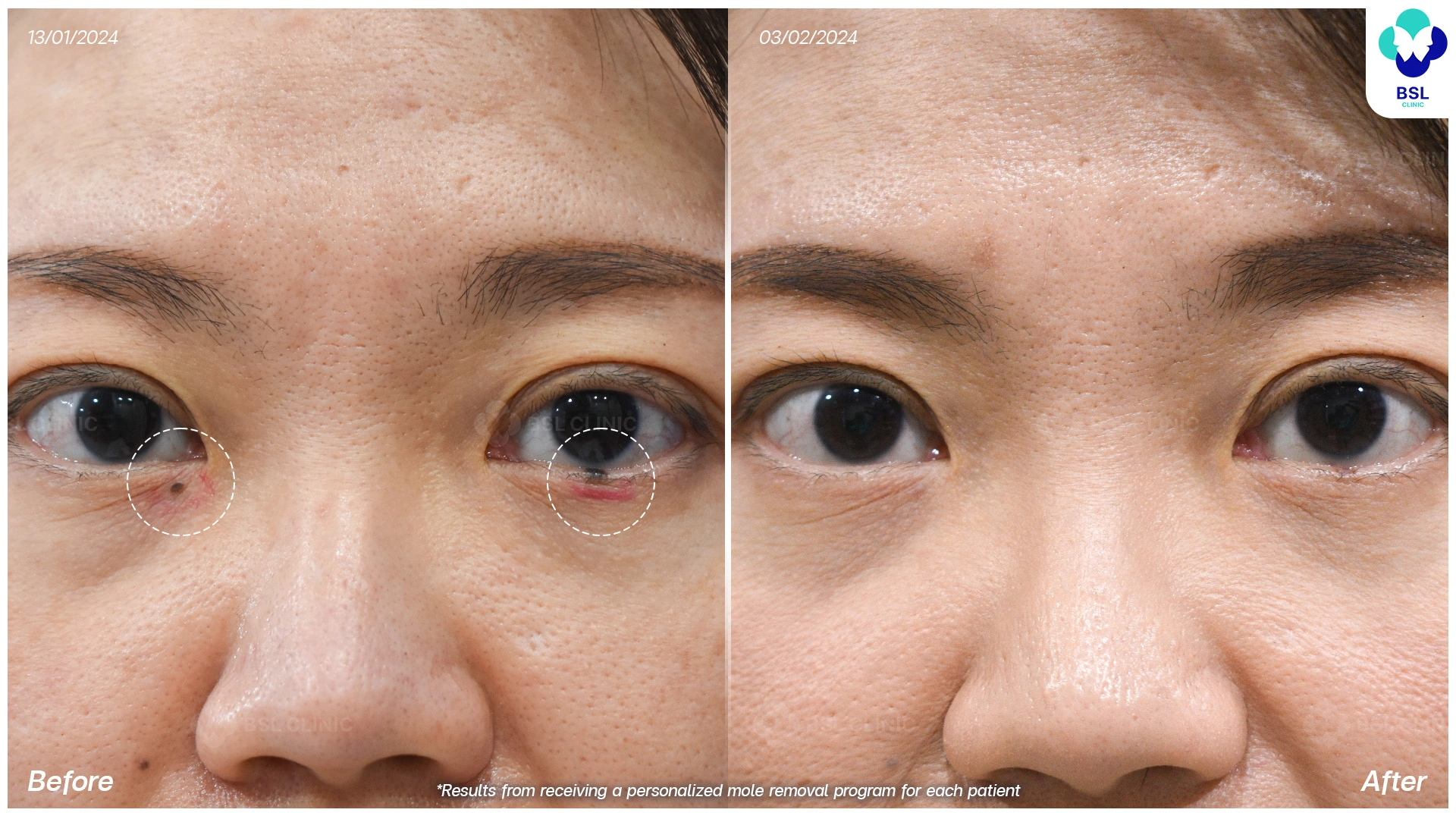
Not all moles are suitable for CO2 laser treatment. Flat or raised moles that are superficial may respond well, while deeper or irregular moles may require clinical evaluation or alternative methods.
CO2 Laser can be used on various skin tones, but individuals with darker skin may be at higher risk for temporary pigmentation changes. A consultation is important to assess suitability and adjust settings accordingly.
Most individuals don’t require special preparation. However, avoiding sun exposure, harsh skincare products, or blood-thinning medications (if advised) can help minimize irritation during CO2 laser treatment.
Yes, it is often possible to treat several areas in a single CO2 laser session, depending on the number, location, and time needed. This will be evaluated during your consultation.
After CO2 laser treatment, it’s best to avoid sun exposure, makeup (on the treated area), exfoliants, or swimming for a few days. Keeping the skin clean and moisturized is encouraged.
‧ Not sure what to do about a skin tag? Find out more about care options and medical guidance.


Call Center : +66993438666
Whatsapp : +66620136667
Line ID : @bslclinic
bslclinic.com
BSL Clinic (Sukhumvit Branch)
Time Square Building Room 114 (Ground Floor). 246 Sukhumvit Road, Khlong Toei, Bangkok, Thailand 10110
Copyright © 2015 www.bslclinic.com All Rights Reserved.