



Six laser platforms and regenerative medicine—built on over 40 years of clinical heritage originating from Anan Clinic.
The BSL Clinic Scar Treatment Program is a multimodal, evidence-based approach designed to improve the appearance of scars. By combining laser technologies, radiofrequency microneedling, and regenerative injectables, each treatment is carefully selected and sequenced using a clinically validated Scar Algorithm.
This comprehensive program addresses acne scars, surgical scars, traumatic and burn scars, chickenpox scars, hypertrophic scars, keloids, and pigmentation-related scars—helping promote smoother, healthier-looking skin.

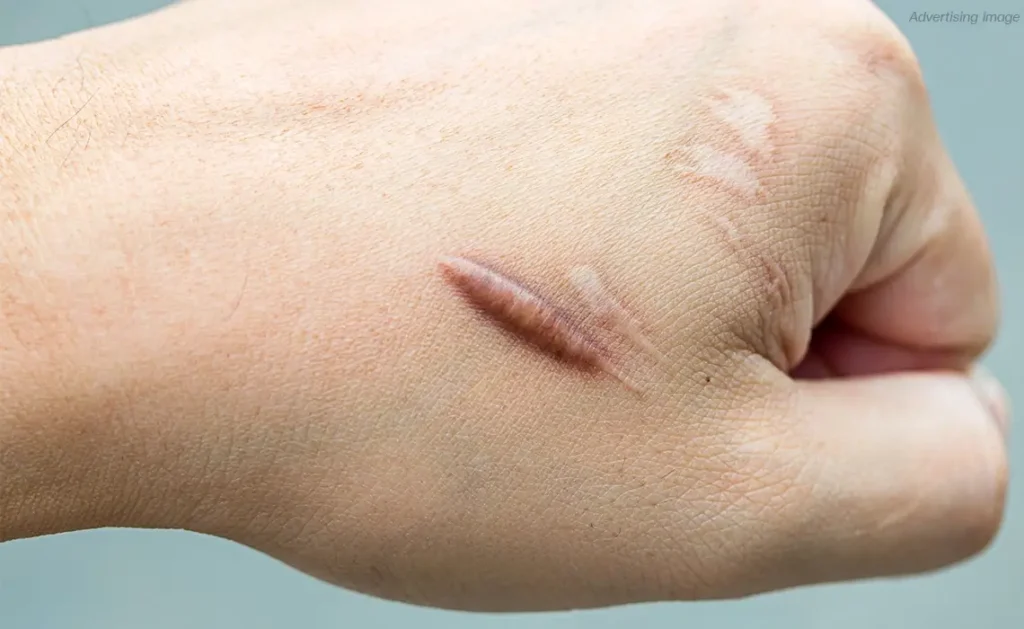
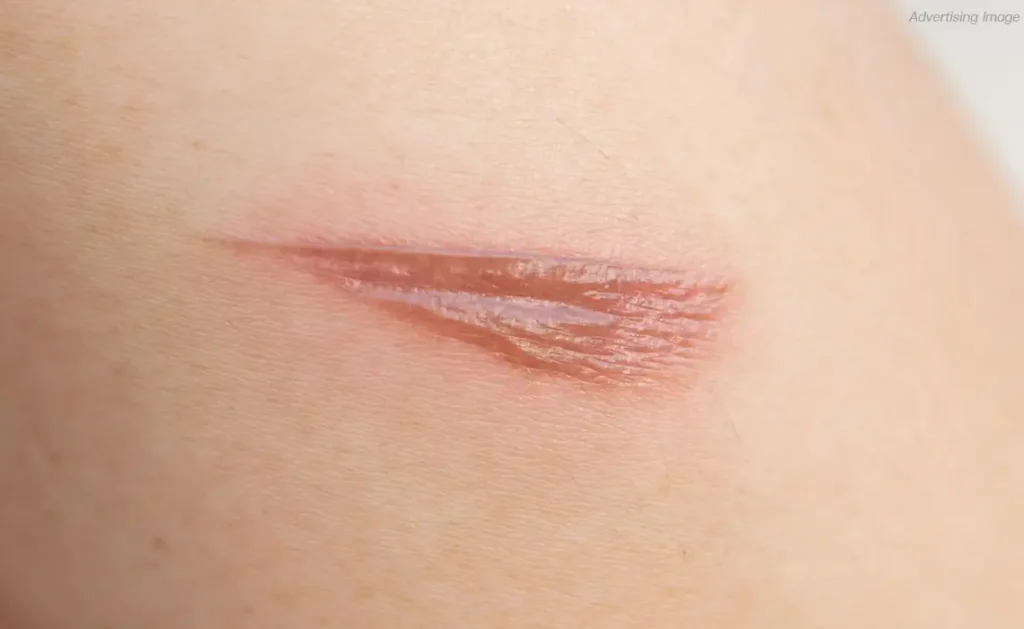
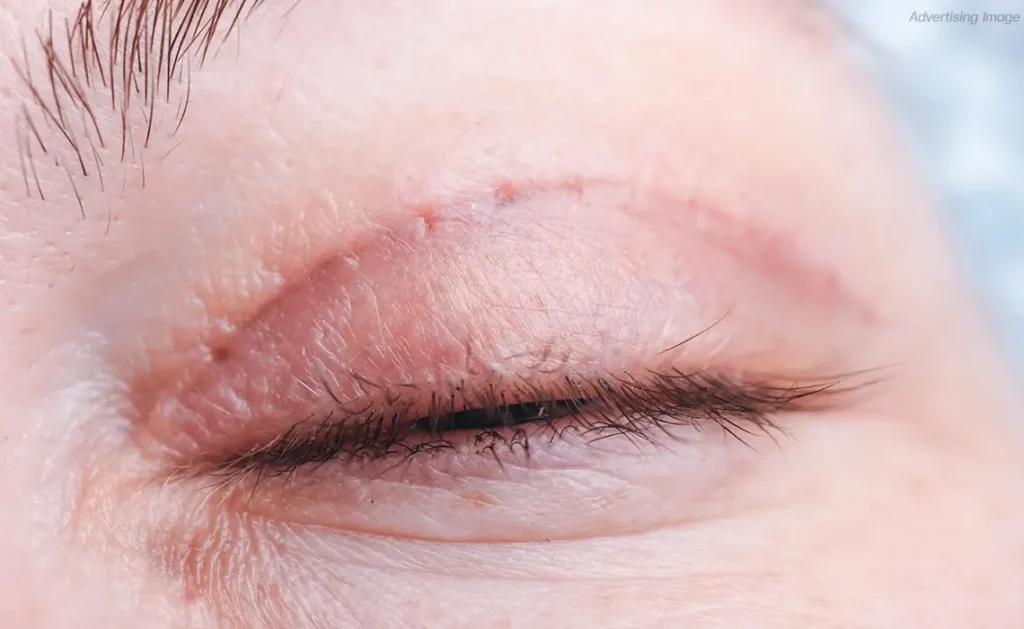
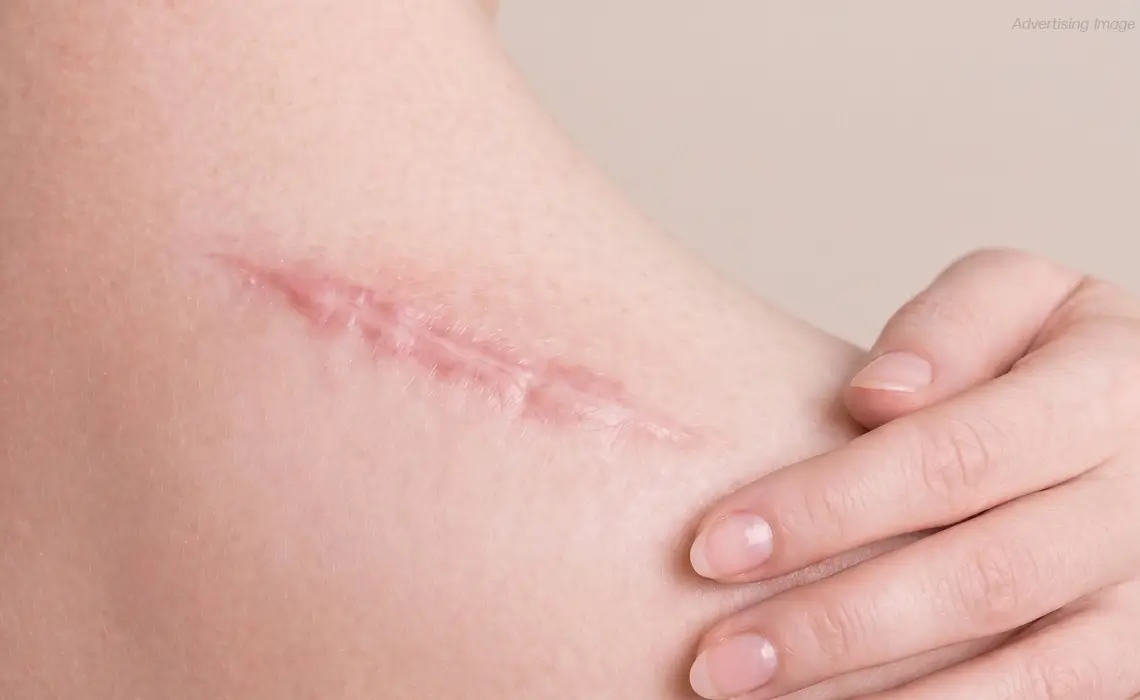
Scars are a natural part of the skin’s healing process following injury, inflammation, surgery, or infection. As the skin repairs itself, collagen fibers form to close the wound, resulting in tissue that may differ in texture, color, and appearance from the surrounding skin.
While scars are medically harmless in most cases, they can affect confidence and quality of life, depending on their visibility, size, and location.
Understanding the type of scar is essential for selecting an appropriate scar treatment plan. Common types include:
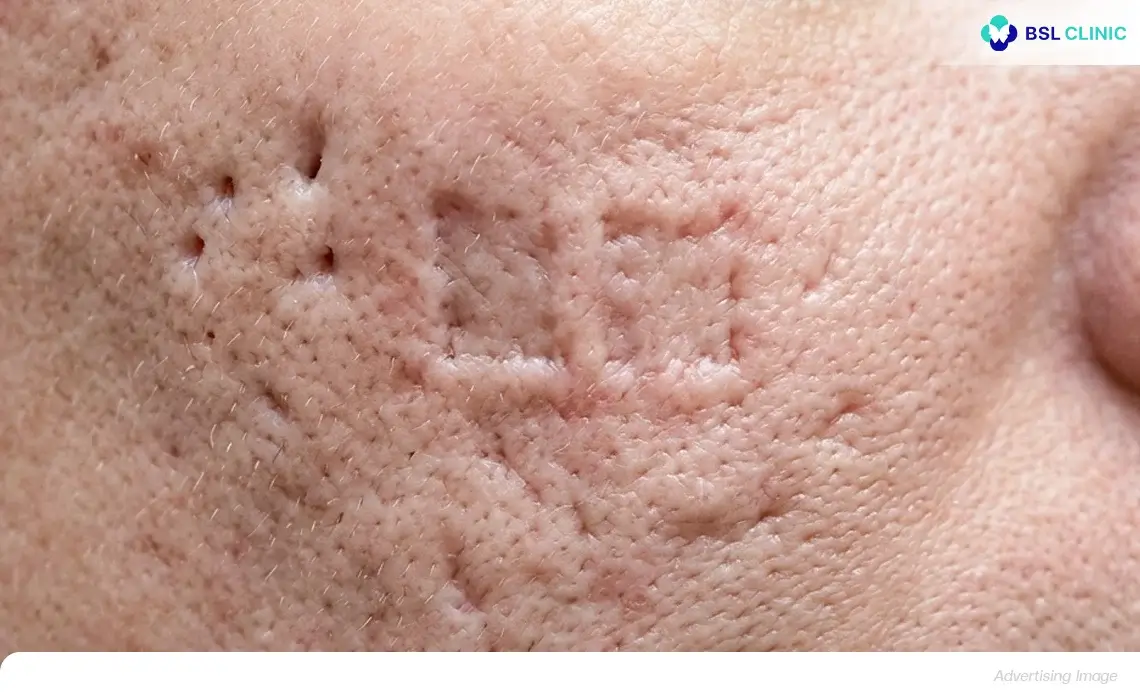
Depressed scars such as acne scars, including ice-pick, boxcar, and rolling scars.
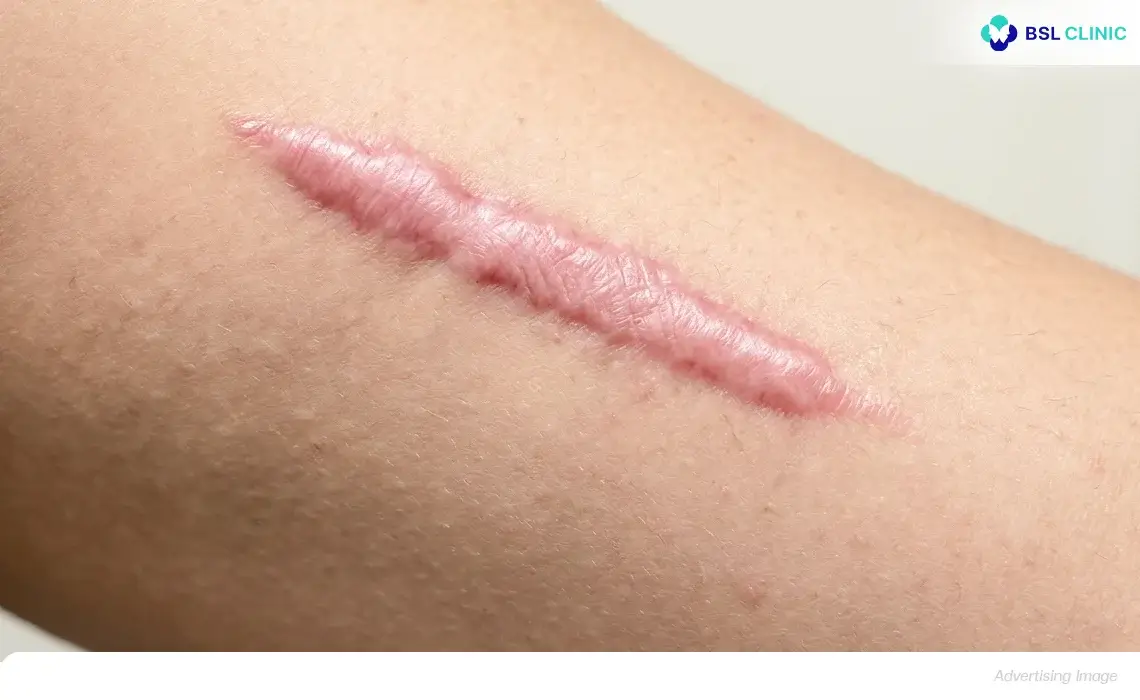
Raised scars that remain within the boundaries of the original wound.
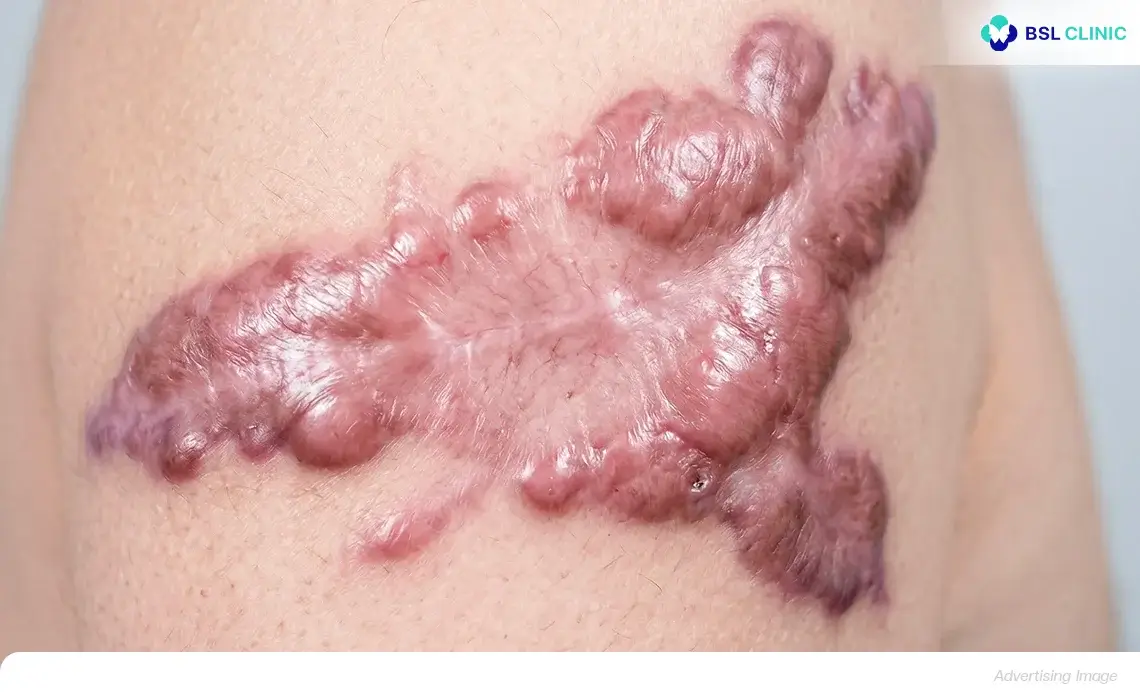
Thick, raised scars that extend beyond the original injury.
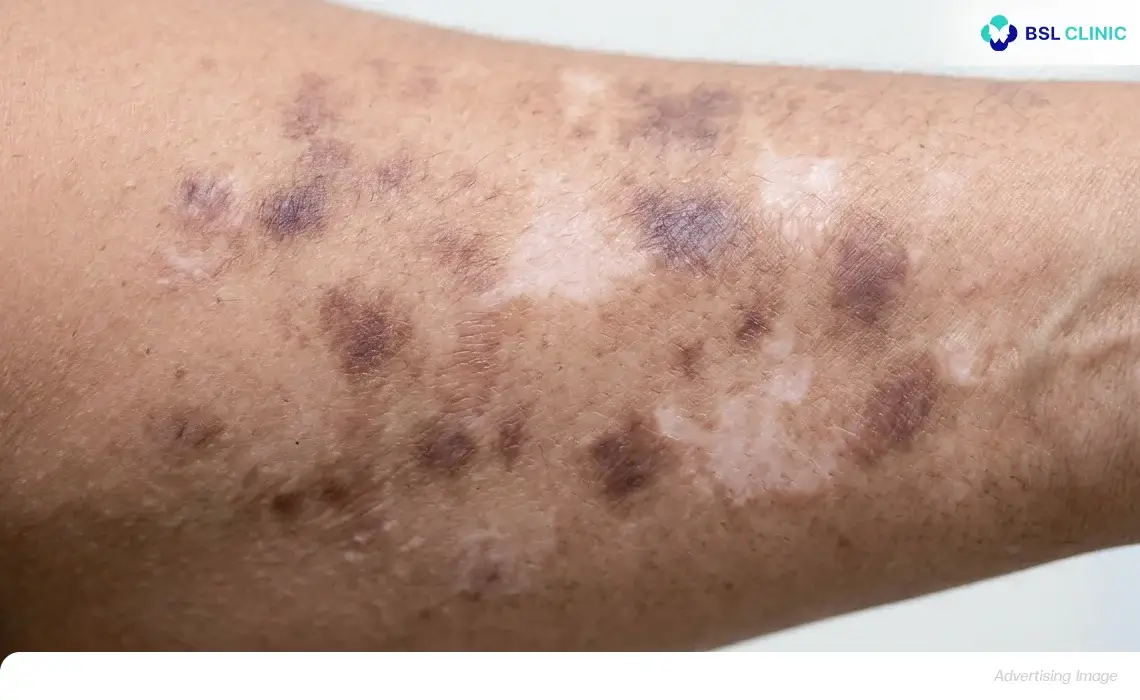
Scars associated with hyperpigmentation or hypopigmentation.
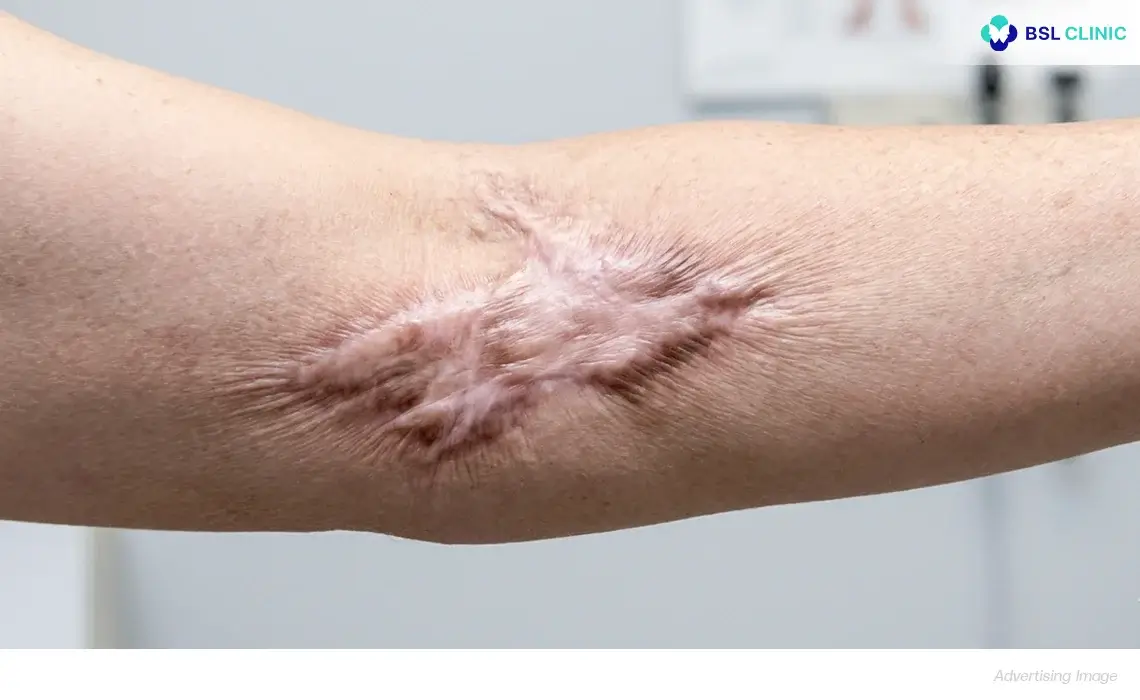
Tight scars often resulting from burns that may restrict movement.
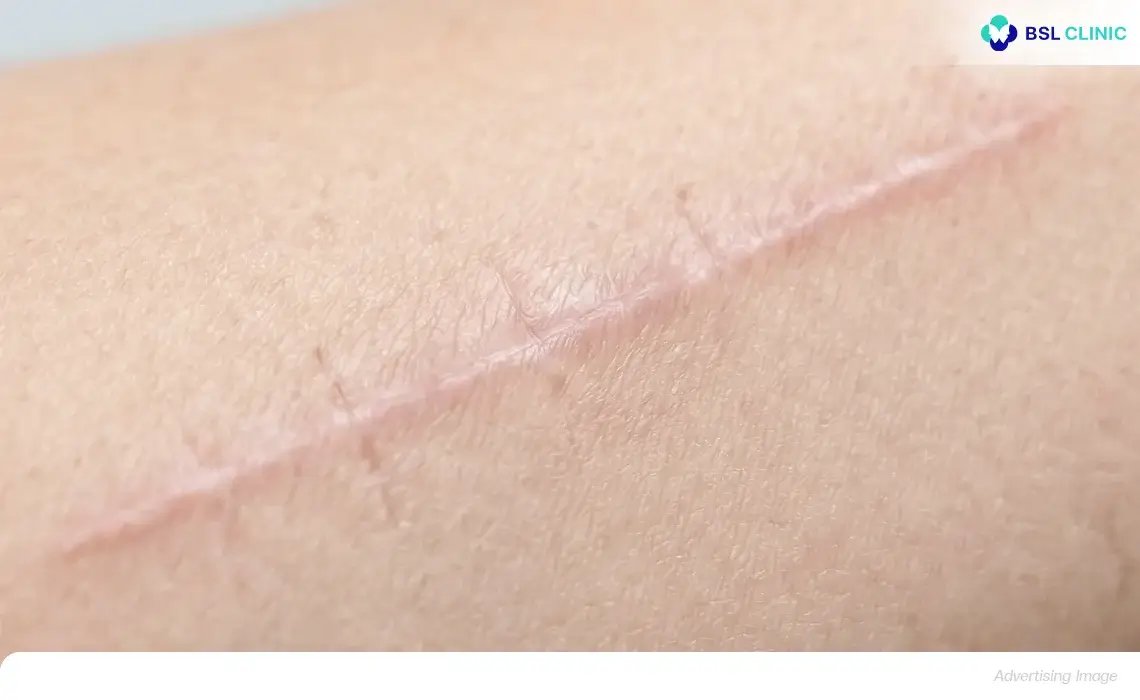
Scars formed after procedures or physical injuries.
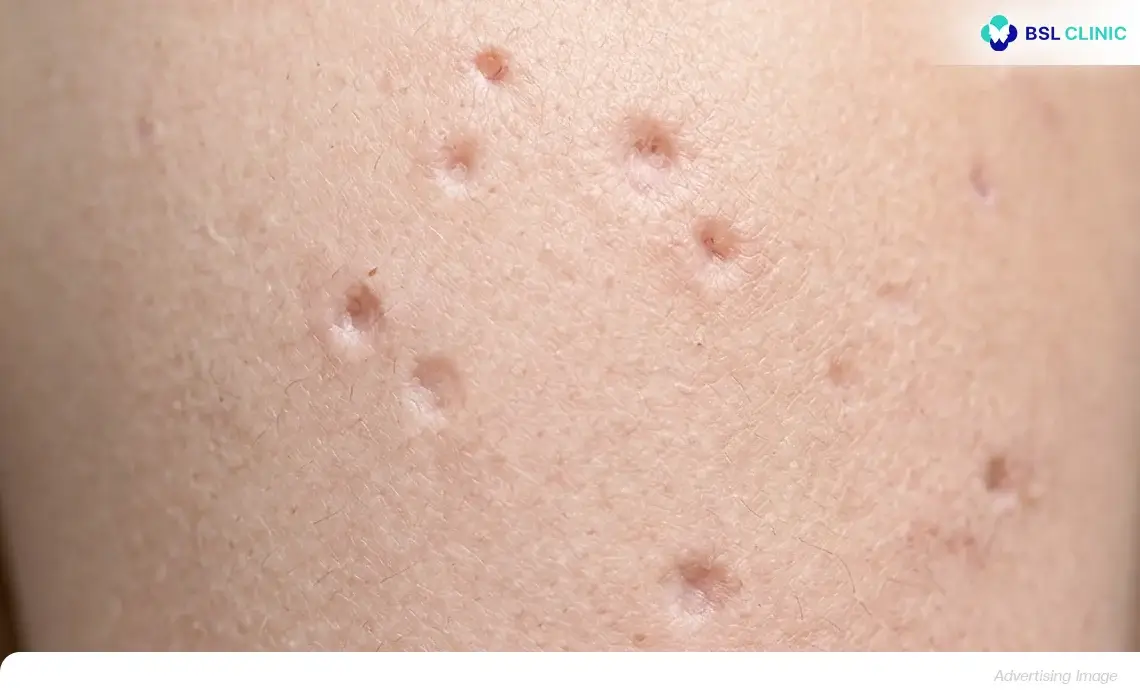
Pitted scars caused by varicella infection.

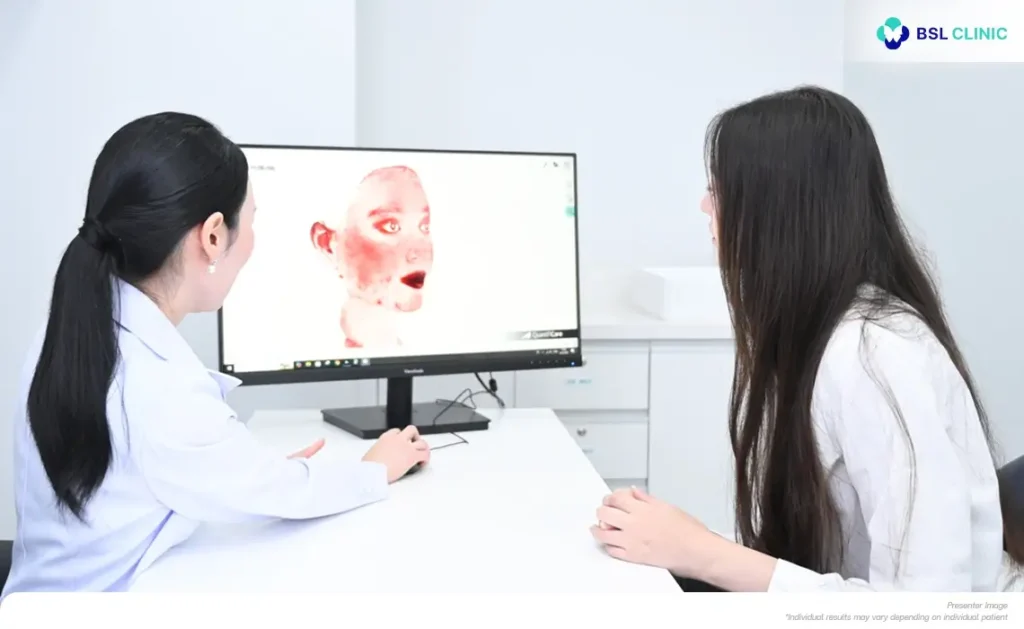
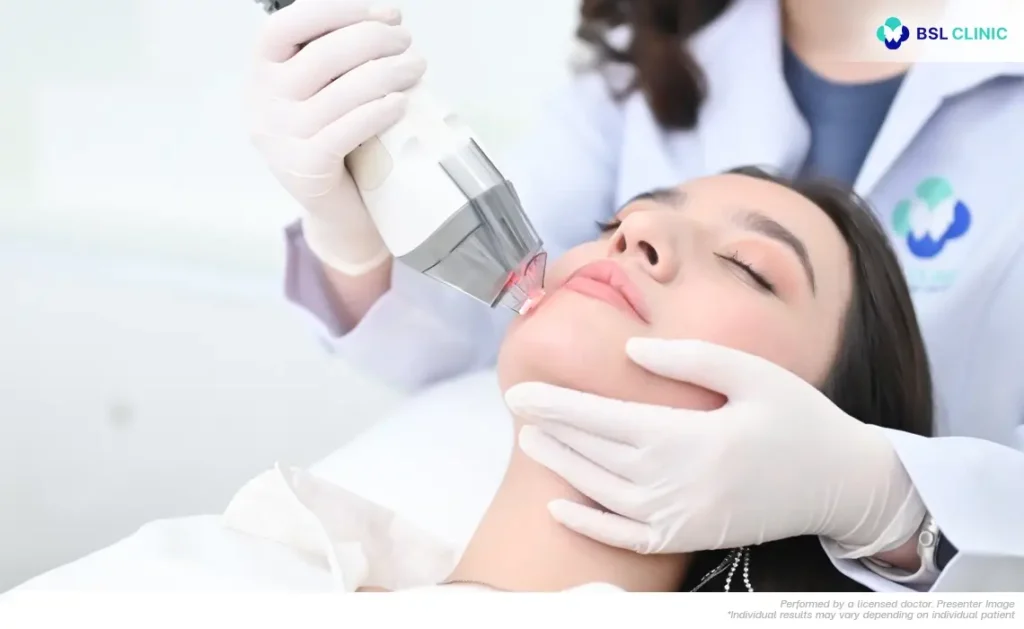
Scars—whether caused by acne, surgery, injury, burns, or chickenpox—can affect more than appearance. At the BSL Clinic, we recognize that no two scars are alike. Each scar varies in its characteristics and requires a carefully tailored approach rather than a one-size-fits-all solution.
Our doctors conduct a comprehensive assessment to understand every dimension of your scar, including:
Based on this evaluation, a personalized treatment plan is designed using a strategic, multimodal approach. Known as Multimodal Customized Solutions, this method combines complementary techniques in a carefully sequenced protocol to address the unique nature of each scar.
This approach reflects the training and clinical experience of Wutinan Sithipolvanichgul, MD, and Wipanee Akarapusit, MD, who have received training at internationally recognized institutions, including under Richard Rox Anderson, MD at Harvard.
While some clinics rely on one or two devices, scar management often requires a more comprehensive approach. In 2020, Kauvar, Kubicki, Suggs, and Friedman introduced the Scar Algorithm in Lasers in Surgery and Medicine—a framework guiding physicians to evaluate scar type, stage, skin type (Fitzpatrick I–VI), and the most appropriate treatment modality, often involving combination therapy.¹
BSL Clinic applies this Scar Algorithm to every patient. Our treatment approach works across 3 interconnected dimensions:
| Dimension | Treatment Goal | Technologies Used |
|---|---|---|
Structure | Improve depth and elevation; support collagen remodeling | PicoWay Resolve, Fractional CO₂ AcuPulse, Fraxel Dual, and Microneedle RF Programs |
Color | Reduce redness, improve uneven pigmentation, support pigment balance | Vascular Laser 550 nm, Laser Genesis 1064 nm, and PicoWay Zoom Programs |
Regeneration | Support tissue renewal, modulate inflammation, improve pigmentation balance | Polynucleotide, PLLA, Injectable Neuromodulators, Intralesional Steroid Injections, 5-FU |
At the BSL Clinic, there is no fixed formula. Each patient receives a uniquely designed “treatment recipe.” A shallow pitted scar on the cheek and a raised red scar with vascular involvement on the nose require entirely different tools and techniques — and treatment strategies are selected accordingly.
Real-world scar treatment results depend on many factors — scar type, scar age, skin type, and the number of sessions. At BSL Clinic, we believe in setting honest expectations from the very first consultation.
What you can realistically expect: visibly smoother skin, refined pores, faded redness and dark marks, shallower pitted scars, flatter raised scars, more even skin tone, and — perhaps most importantly — restored confidence. Initial results are often visible within the first month, with continued improvement over 3–6 months as new collagen matures.
An honest note:
Scar treatment does not erase scars completely — no technology can do that. What it achieves is significant improvement, often to the point where scars are barely noticeable in normal lighting. Your doctor will assess your specific scars and give you a clear, honest picture of what’s achievable before you begin.


Every treatment journey begins with a comprehensive assessment by a physician who classifies your scars and designs a personalized plan. Based on your specific scar characteristics, your doctor will select from the following technologies:
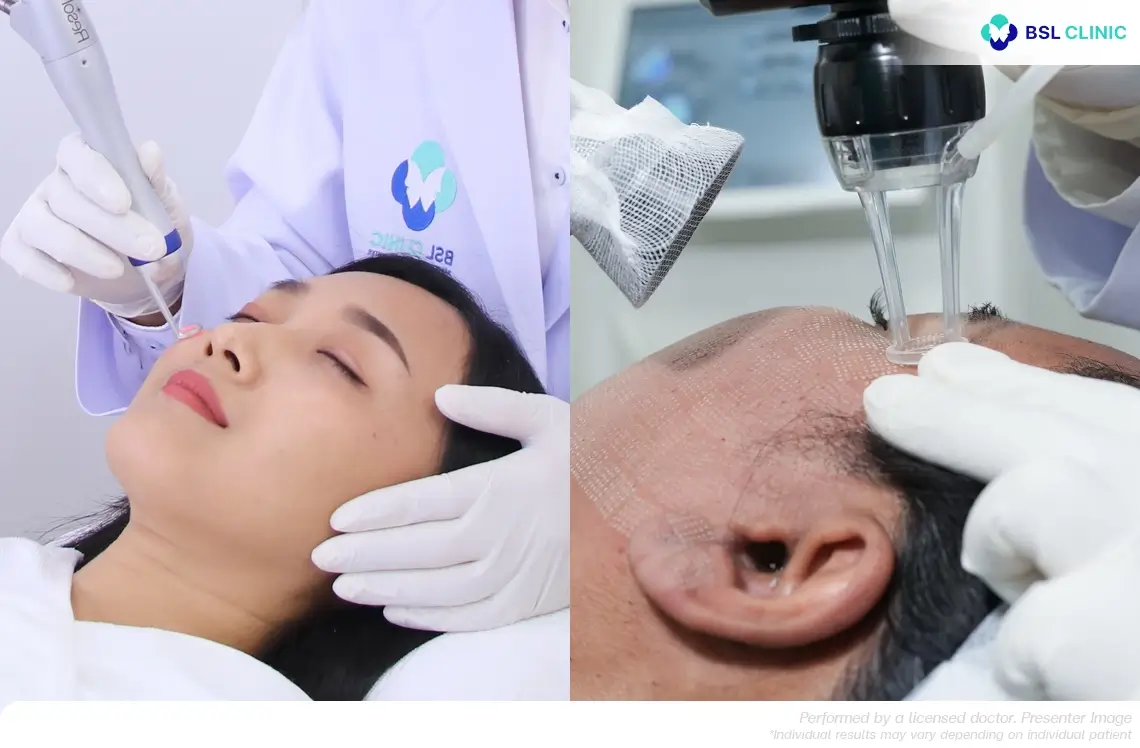
Fractional CO2 laser resurfacing can address several skin concerns related to aging, texture, and scarring.
Common treatment goals include softening wrinkles, refining uneven skin texture, improving acne scars, and rejuvenating delicate areas such as the skin around the eyes.
PicoWay Resolve 1064 nm Program utilizes ultra-short picosecond pulses to create a photoacoustic effect within the skin. This mechanism supports collagen remodeling with limited thermal diffusion to surrounding tissue. Fractional delivery creates controlled micro-injuries beneath the skin surface, supporting gradual textural improvement with relatively short downtime.
Fractional CO₂ AcuPulse (Lumenis) Program provides targeted resurfacing to improve scar depth and contour. Its fractional technology delivers precise micro-columns of energy to promote controlled skin renewal while allowing surrounding tissue to support recovery.
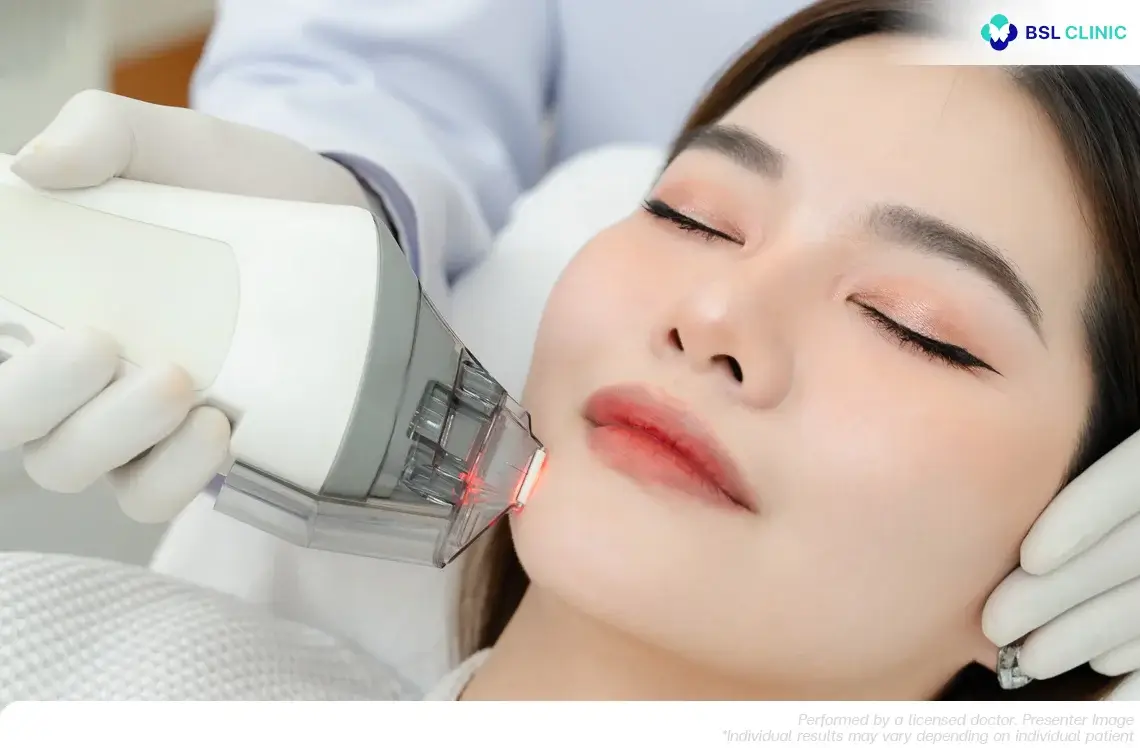
Fraxel Dual Laser Program is a dual-wavelength platform combining 1550 nm and 1927 nm technologies in a single device. The 1550 nm wavelength penetrates into the dermis to support collagen remodeling for moderate pitted scars, while the 1927 nm (Thulium) wavelength works at the epidermal level to address pigmentation and refine surface texture.
At BSL Clinic, our doctors find that the Fraxel Dual Program is especially well-suited for Asian skin (Fitzpatrick III–V), where managing post-inflammatory hyperpigmentation risk is critical. Clinical experience shows that 3–4 sessions typically produce excellent results for moderate acne scarring.
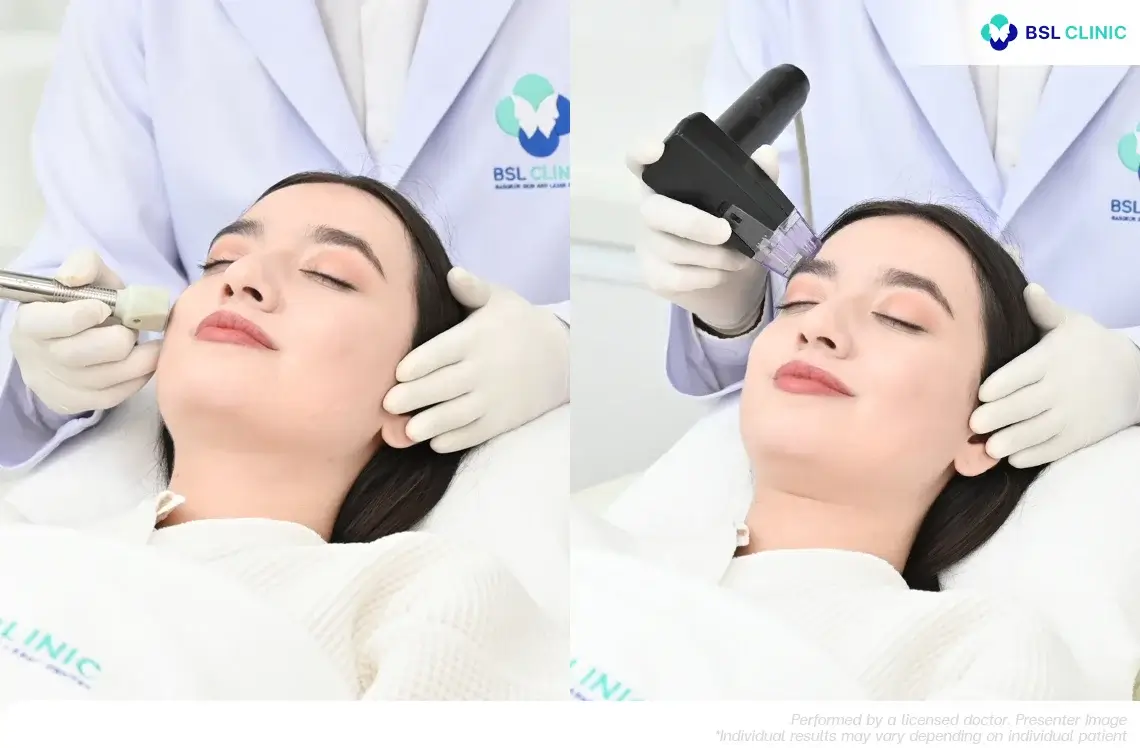
For scars that extend beyond the reach of conventional lasers, Fractional Radiofrequency Microneedling may be incorporated into treatment plans. These devices deliver radiofrequency energy through insulated microneedles that penetrate up to 7–8 mm into the dermis and subcutaneous layer, supporting tissue remodeling and collagen stimulation.
Fractora Program’s 24-pin bipolar RF tip creates precise zones of ablation and coagulation at controlled depths. Morpheus8 Program offers adjustable depth from 1–8 mm, enabling treatment from superficial texture to deep fibrotic scars. A landmark study in the Aesthetic Surgery Journal (2025) reported a 3-year relapse rate of 24% with Fractional RF Microneedling—lower than isotretinoin therapy (67%) or ablative laser alone (75%).⁶
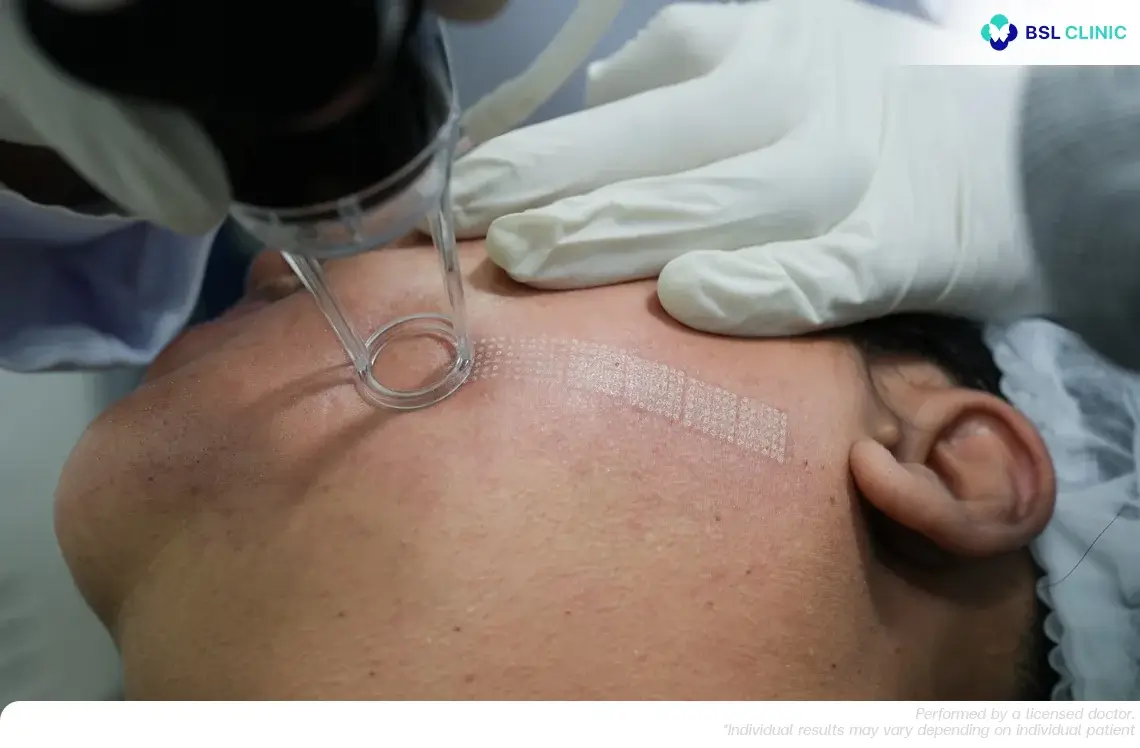
Scars with sharp, well-defined edges — such as boxcar acne scars and chickenpox scars — respond particularly well to the Fractional CO₂ AcuPulse Program. The laser’s SuperPulse technology delivers high energy in extremely short bursts, precisely ablating scar edges while minimizing collateral thermal damage. The scanner allows density and depth to be finely controlled, enabling the physician to “blend” sharp scar borders into the surrounding skin and stimulate new tissue growth from the base of the scar upward.
Research by Clementoni et al. (2012) published in the Journal of Cosmetic Laser Therapy demonstrated an average 42% wrinkle improvement and 40.1% melanin variation improvement with multi-modal fractional CO₂, with low downtime and minimal adverse effects.⁷
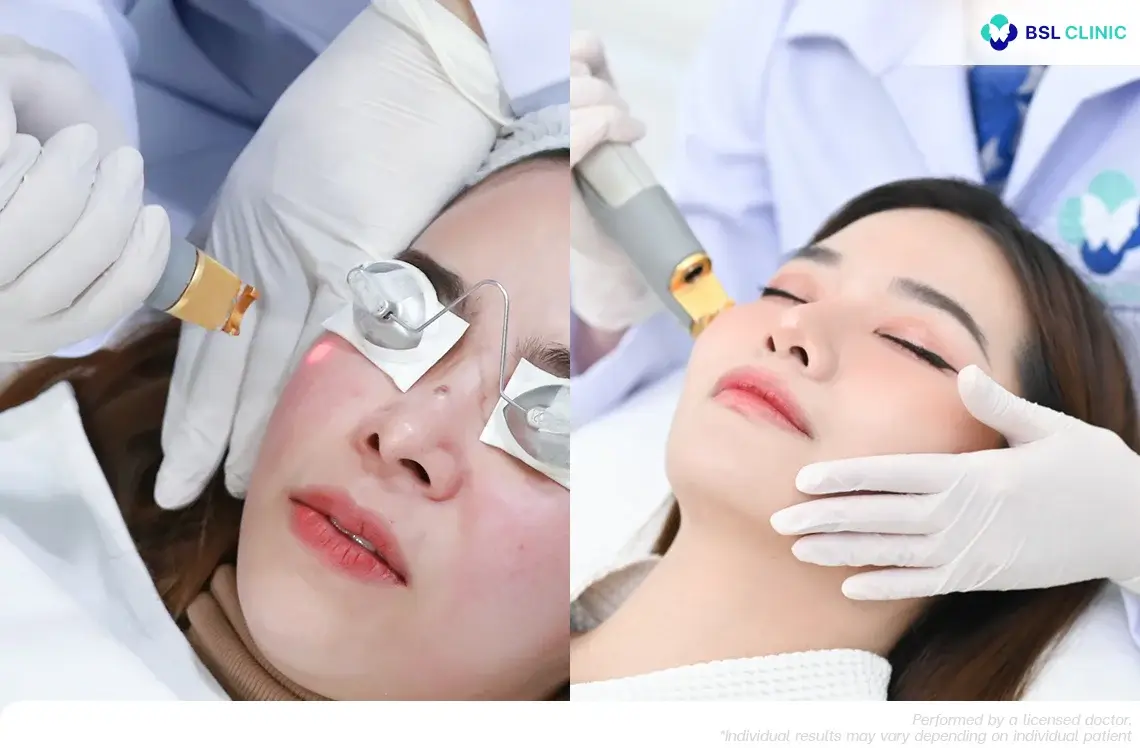
Erythematous scars — those that remain persistently red or pink — result from excessive blood vessel formation (angiogenesis) during the wound healing process. At BSL Clinic, treatment is matched to vascular depth:
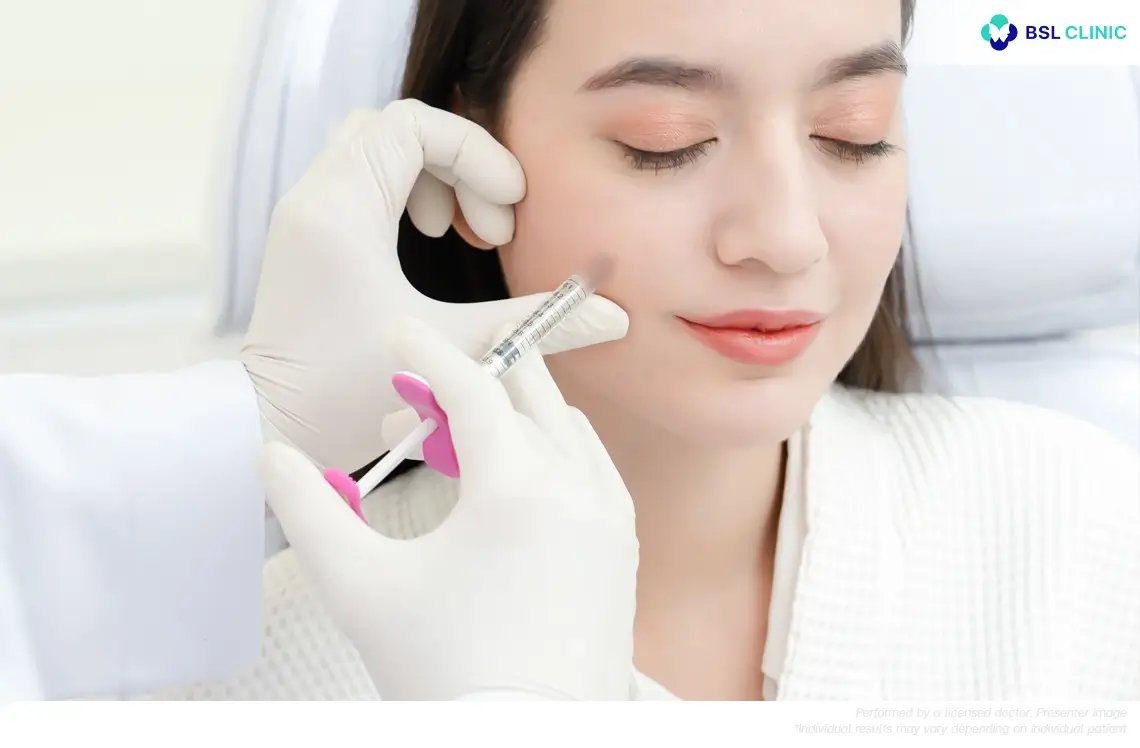
The final dimension that completes BSL Clinic’s approach is regenerative injectable therapy, used alongside laser treatment for enhanced outcomes:
| Scar Type | Characteristics | Primary Technologies |
|---|---|---|
Shallow pitted scars |
Shallow depressions, uneven texture |
PicoWay Resolve and Fractional CO₂ Programs |
Medium pitted scars |
Moderate depth, defined edges |
Fraxel Dual and Fractional CO₂ Programs |
Deep pitted scars |
Deep depressions, tethered fibrous bands |
Microneedle RF (Fractora / Morpheus8 Programs) + Subcision |
Raised scars / Keloids |
Elevated, red, may itch or feel tender |
Vascular Laser + Intralesional Steroid / 5-FU Injections |
Chickenpox scars |
Small round pits, scattered, sharp edges |
Fractional CO₂ AcuPulse Program |
Red scars |
Persistent redness or pink tone |
550 nm IPL, 1064 nm Nd:YAG, and Laser Genesis |
Dark scars |
Darker than surrounding skin |
PicoWay Zoom and Fraxel Dual Laser Programs |
White scars |
Lighter than surrounding skin |
Polynucleotide, PLLA, and Fractional Laser |
Surgical / Traumatic scars |
Linear, may be raised or contracted |
PDL and Fractional CO₂ Programs (early intervention may be considered) |
BSL Clinic is committed to evidence-based medicine. Every technology we select and every protocol we design is grounded in peer-reviewed clinical research. Here are the key studies that underpin our scar treatment program:
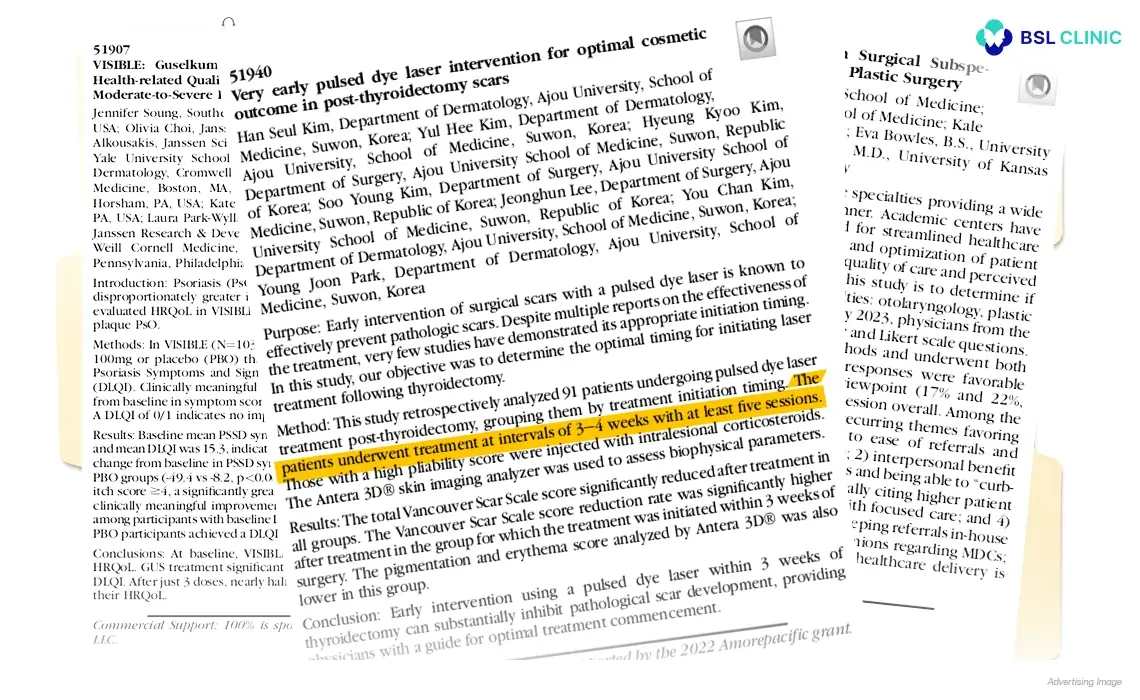
Lasers in Surgery and Medicine, 2020
Kauvar, Kubicki, Suggs & Friedman developed a systematic algorithm requiring physicians to assess scar type, scar stage, skin type, and optimal modality before selecting treatment.1 The paper recommends early laser intervention within 4–6 weeks post-injury to prevent pathological scarring — the foundational framework BSL Clinic uses for every patient.
Lasers in Surgery and Medicine, 2024
Qiang et al. studied the timing of combined PDL 595 nm and CO₂ ablative fractional laser on facial surgical scars using 3D imaging. The group treated at 2 weeks post-surgery showed significantly better scar scores than the 4-week group in color, texture, and overall appearance — confirming that earlier truly is better.²
PMC / Lasers in Surgery and Medicine, 2017
A blinded clinical study showed that picosecond lasers through a holographic beam-splitter improved acne scars in 81% of subjects, with 85% reporting high satisfaction.⁵,⁹ The treatment was safe across Fitzpatrick Skin Types II–V with no pigmentary alterations — making it well-suited for Asian skin.
Aesthetic Surgery Journal, 2025
A retrospective review of 356 patients comparing three treatment modalities found that Fractional RF Microneedling achieved a relapse rate of just 24% at three years, dramatically lower than isotretinoin (67%) or ablative laser alone (75%).⁶ The deep RF energy reaches the reticular dermis, triggering sustained neocollagenesis.
Journal of Cosmetic Laser Therapy, 2012
Clementoni et al. studied 24 patients receiving a single multi-modal fractional CO₂ treatment.⁷ 3D imaging confirmed statistically significant improvement in all measured parameters, with low adverse effects and short downtime — achieved through the unique ability to deliver deep and superficial fractional treatment from a single handpiece.
“Scars are preventable.” If you’ve recently had surgery or an injury, starting laser treatment within 2–4 weeks can significantly reduce the risk of abnormal scarring. Don’t wait for a scar to mature — early intervention during the Proliferation Phase (days 4–21) is the golden window for prevention.
BSL Clinic serves patients from Thailand and over 40 countries worldwide, with a patient satisfaction rate of 99.2% (surveyed since 2017 to present). Here are representative case examples:
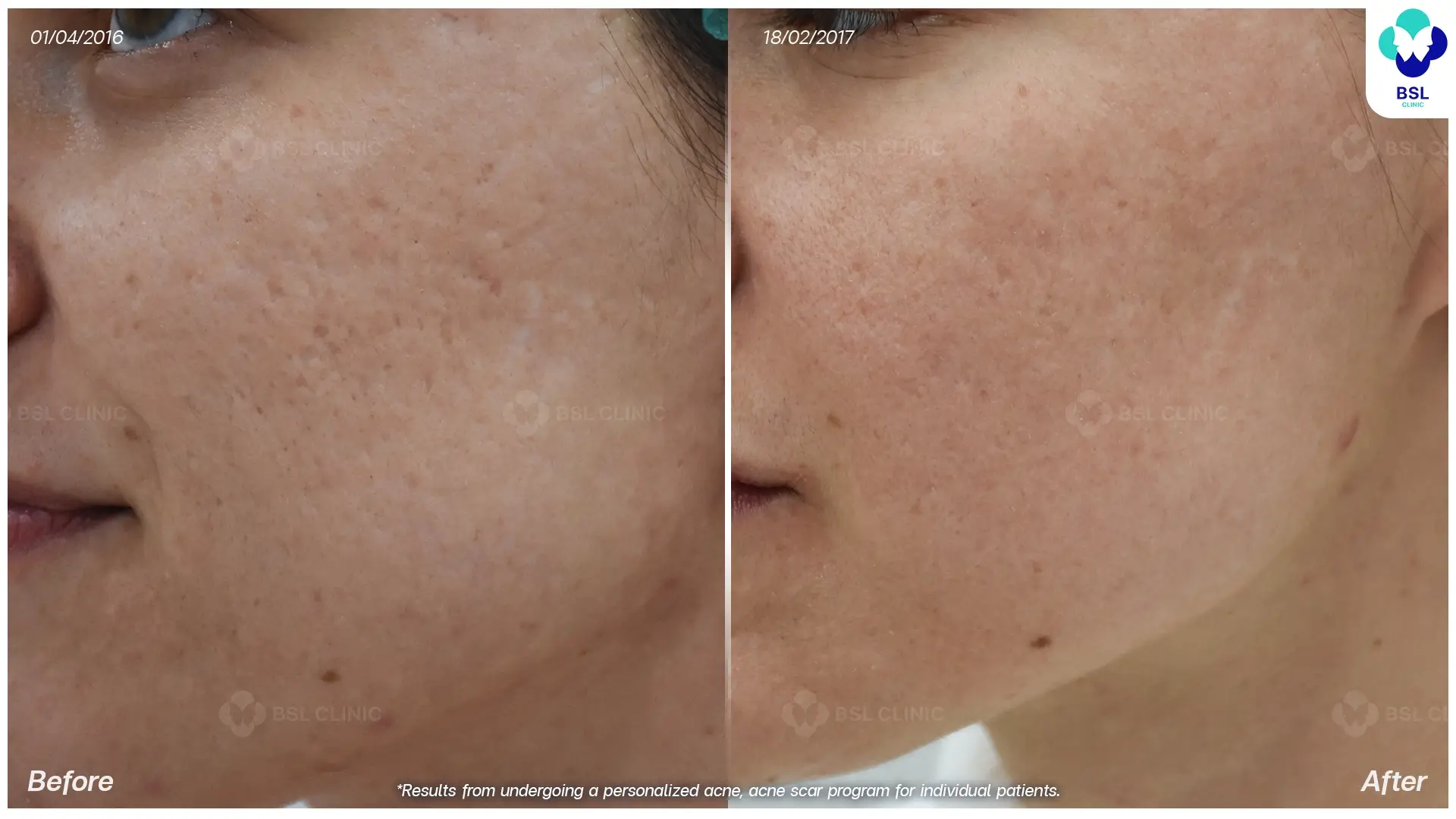
A 28-year-old female patient with rolling and boxcar acne scars across both cheeks received alternating sessions of Fractional CO₂ AcuPulse and PicoWay Resolve Program — 5 sessions total. Within 3 months of completing treatment, skin texture had improved visibly, with pitted scars becoming barely noticeable under normal lighting.
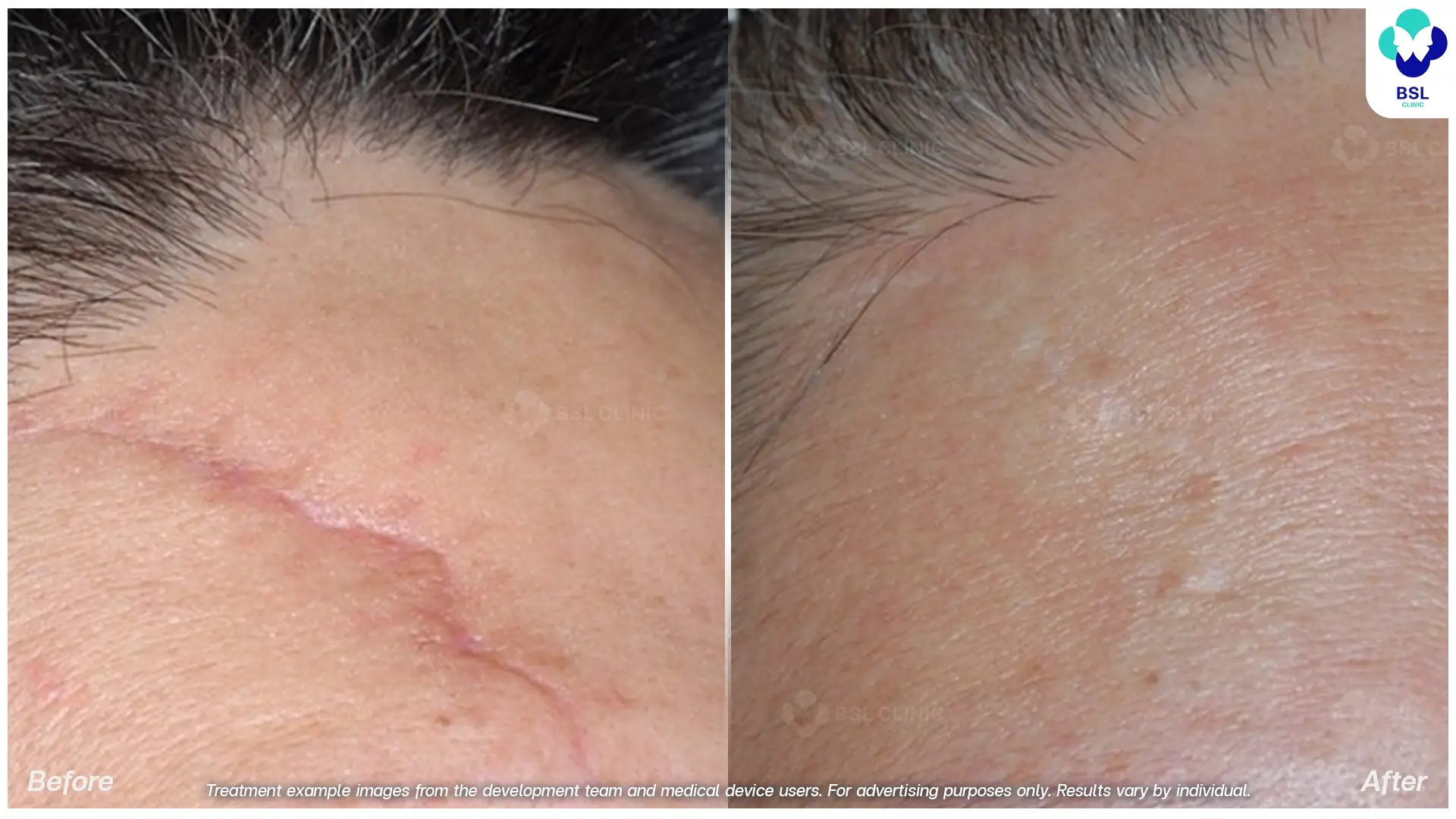
A 35-year-old male patient with a long linear scar on the forehead from a traffic accident. Treated with 4 sessions of Fraxel Dual Laser Program. After 3 months, the scar had faded to the point of blending with surrounding skin, with even skin tone restored.
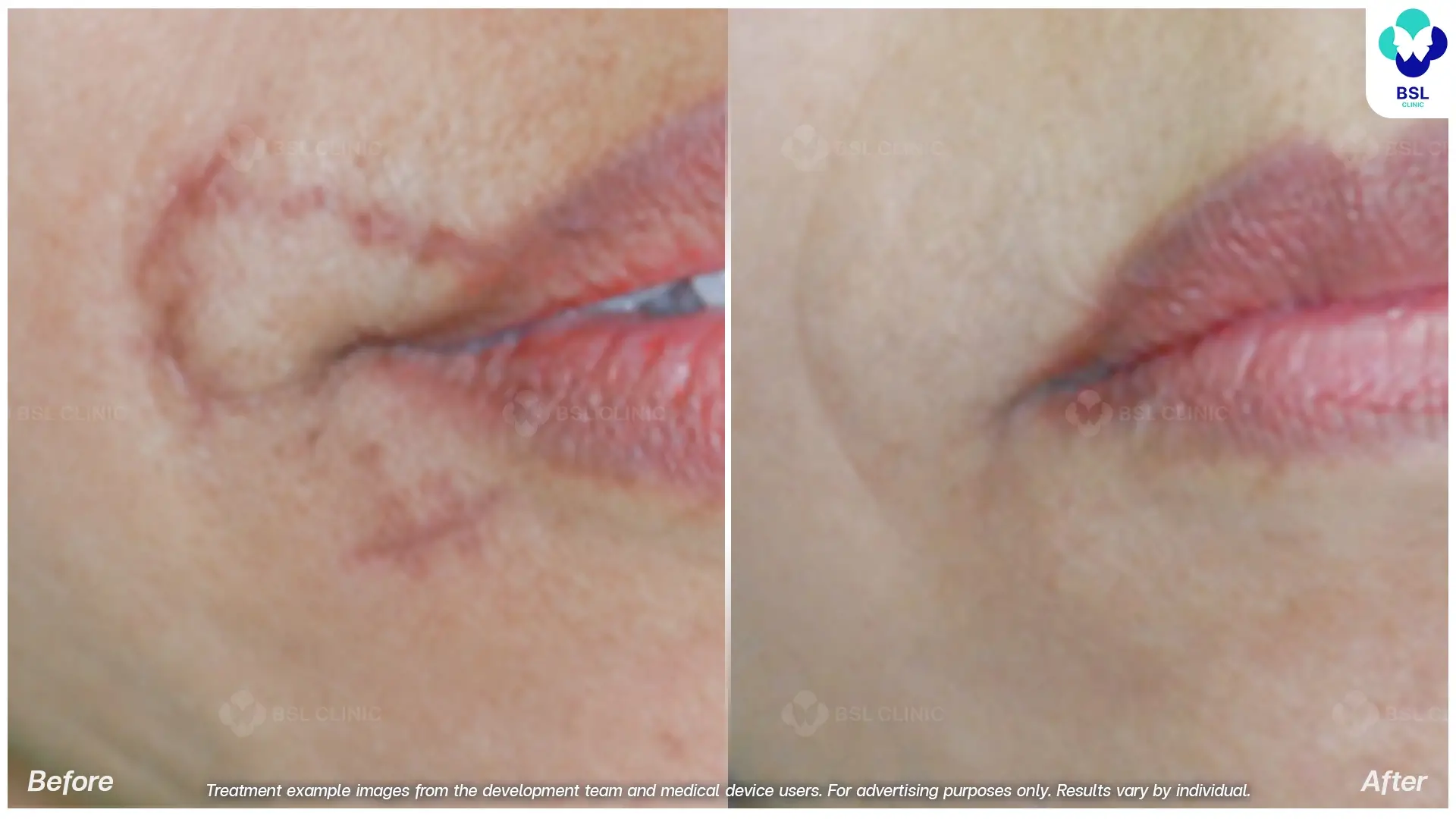
A female patient with a fresh surgical scar near the corner of her mouth. Treatment with Fraxel Dual Laser Program was initiated within 3 weeks of surgery — 4 sessions total. The scar healed flat, with no residual elevation or redness. This case illustrates the power of early intervention in preventing scar formation entirely.
This program may be suitable for individuals with:
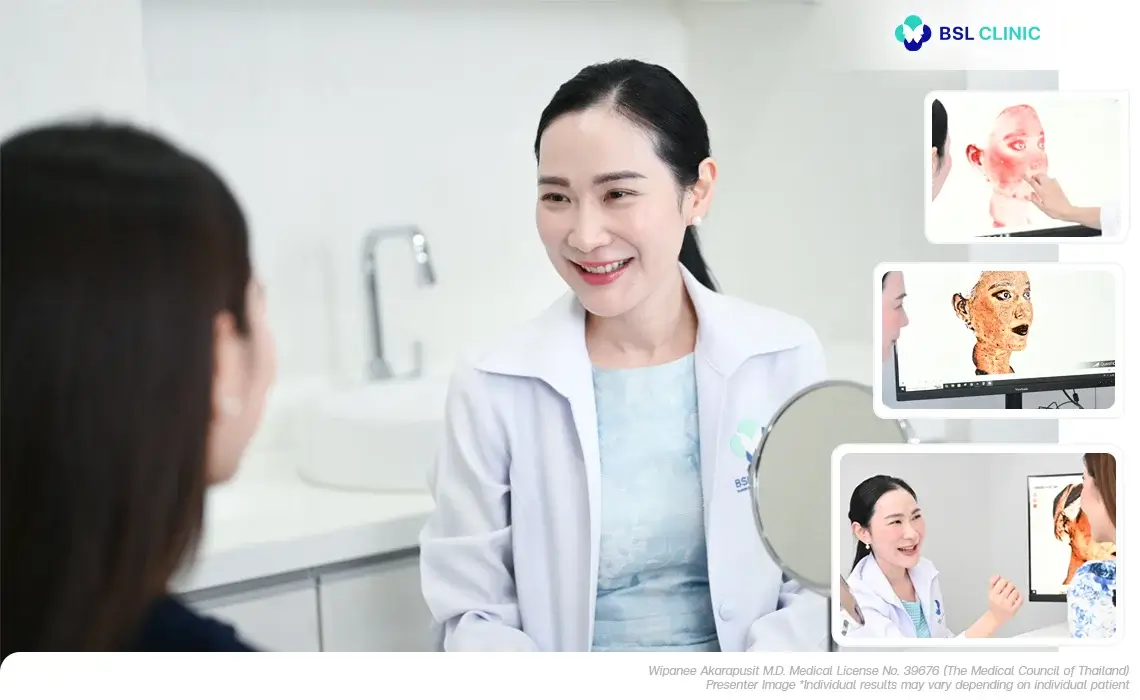
At BSL Clinic, every patient receives a personalized consultation before treatment begins. During this one-on-one assessment, our physicians evaluate your scar concerns, skin type, medical history, and treatment goals to design a treatment plan tailored to your individual needs.
For your safety and comfort, additional precautions may be considered for individuals who are pregnant or breastfeeding, have used isotretinoin (Accutane) within the past 6–12 months, have a history of severe keloid formation, or have active or unstable skin conditions.
Book a consultation so your doctor can assess your scars in person and design a personalized treatment plan with a clear timeline, expected number of sessions, and realistic outcomes—before treatment begins.

| Technology | Typical Downtime | Pain Level | Sessions Needed |
|---|---|---|---|
PicoWay Resolve Program |
1–2 days mild redness |
Minimal; no anesthesia needed |
3–6 sessions |
Fraxel Dual Program |
3–5 days redness/swelling |
Topical anesthesia applied |
3–4 sessions |
Fractional CO₂ AcuPulse Program |
5–7 days redness |
Topical anesthesia applied |
3–4 sessions |
Fractora / Morpheus8 Programs |
2–3 days mild swelling |
Topical anesthesia applied |
3–5 sessions |
Vascular Laser |
1–2 days mild redness |
Minimal |
3–5 sessions |
All laser and medical technologies at BSL Clinic are Thai FDA approved. Treatments are performed by board-certified physicians, with personalized post-treatment skin care and sun protection guidance provided at every visit to optimize healing and results.
| Technology | Typical Downtime | Pain Level | Sessions Needed |
|---|---|---|---|
PicoWay Resolve Program |
1–2 days mild redness |
Minimal; no anesthesia needed |
3–6 sessions |
Fraxel Dual Program |
3–5 days redness/swelling |
Topical anesthesia applied |
3–4 sessions |
Fractional CO₂ AcuPulse Program |
5–7 days redness |
Topical anesthesia applied |
3–4 sessions |
Fractora / Morpheus8 Programs
(Microneedle RF) |
2–3 days mild swelling |
Topical anesthesia applied |
3–5 sessions |
Vascular Laser |
1–2 days mild redness |
Minimal |
3–5 sessions |
All laser and medical technologies at BSL Clinic are Thai FDA approved. Treatments are performed by board-certified physicians, with personalized post-treatment skin care and sun protection guidance provided at every visit to optimize healing and results.
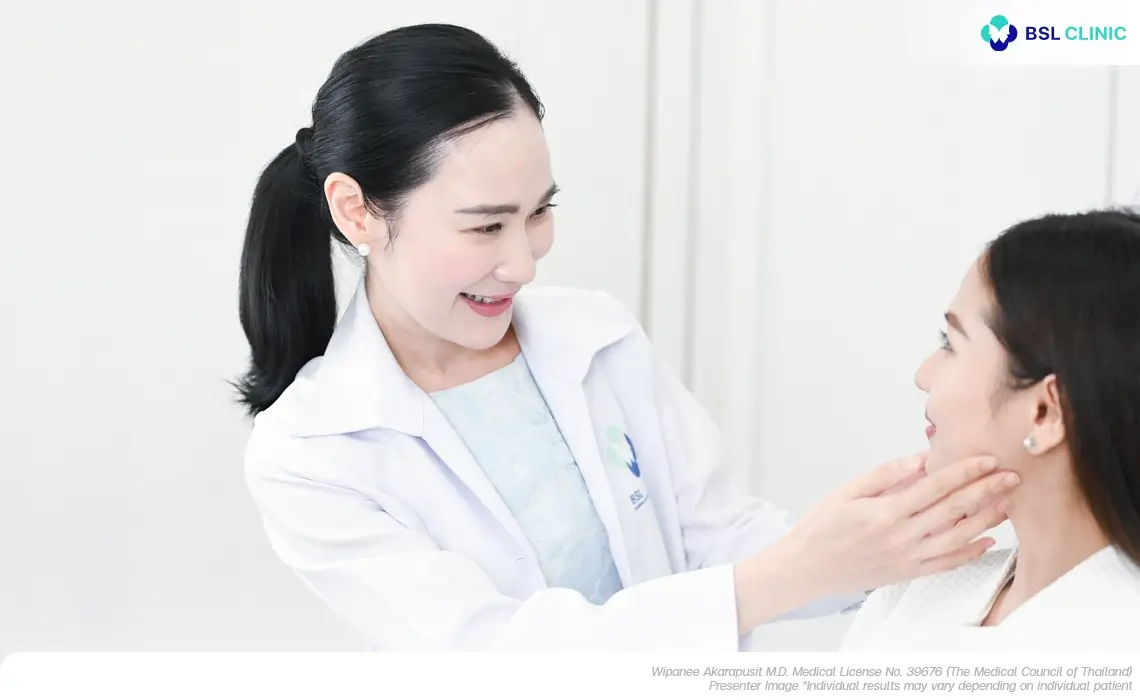
Yes. Laser technologies provide measurable improvement in scar removal. Clinical data shows PicoWay Resolve Program improves 94% of treated acne scar areas after 3–6 sessions, while Fractional RF Microneedling demonstrates lasting results with a 3-year relapse rate of 24%.⁵⁻⁶ A personalized multimodal scar treatment approach can significantly improve appearance.
Most patients require 3–6 scar treatment sessions spaced 4–6 weeks apart, with each visit lasting 30–60 minutes. Initial improvement may be seen after the first session, with peak results appearing 2–3 months after completing the course as collagen matures. Your doctor will recommend the optimal plan for scar removal.
Pain levels and downtime vary by technology used for laser scar removal. PicoWay Resolve Program has 1–2 days of mild redness, Fraxel Dual Program 3–5 days, Fractional CO₂ AcuPulse Program 5–7 days, and Microneedle RF (Fractora/Morpheus8 Programs) 2–3 days of mild swelling. Topical anesthesia is applied when appropriate.
Yes. Older scars may respond more slowly but can still improve with scar treatment such as Fractional CO₂ AcuPulse Program, RF Microneedling Programs, and PLLA biostimulator injections. These procedures stimulate collagen remodeling for scar removal, and with appropriate protocols and sufficient sessions, even decades-old scars may show meaningful improvement.⁶⁻⁷
Starting early is recommended. Studies (2024–2025) show vascular laser (PDL) within 2–3 weeks after suture removal helps prevent hypertrophic scarring during the Proliferation Phase (days 4–21).²⁻³
If this window has passed, scar treatment and laser scar removal remain effective but may require additional sessions; patients planning surgery may schedule treatment in advance.
Hypopigmented scars are among the most challenging in dermatology. At the BSL Clinic, Polynucleotide (PN/PDRN) and PLLA injections combined with fractional laser stimulate melanocyte activity and collagen production to gradually restore skin color. Multiple sessions are required, but meaningful improvement is achievable.
BSL Clinic is characterized by the following key aspects:
Yes. BSL Clinic has served patients from over 40 countries. Our English-speaking medical team and conveniently located clinics in Silom and Sukhumvit ensure easy access. Many international patients combine treatment with a stay in Bangkok, and intensive schedules can be arranged for those requiring multiple sessions. Contact us at bslclinic.com for treatment planning and scheduling.
In many cases, yes. A systematic review (Karmisholt et al., 2018) confirmed that early laser intervention reduces scar formation4, and a randomized controlled trial (Waibel et al., 2020) showed better outcomes with a single laser treatment at 3 months post-injury compared with no treatment at 12 months. Early intervention is recommended when appropriate.⁸
Your journey begins with a comprehensive consultation, including scar assessment, clinical photography, and discussion of goals. A personalized treatment plan outlines recommended technologies, sessions, and timeline. Each visit includes skin preparation, topical anesthesia if needed, and the procedure, followed by post-care instructions and follow-up to monitor progress and adjust the plan.
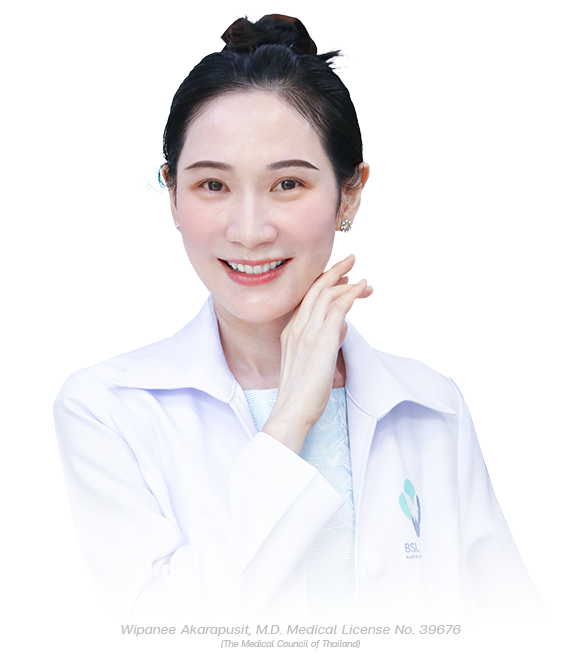
The Medical Council of Thailand BSL Clinic, Bangkok

Call Center : +66993438666
Whatsapp : +66620136667
Line ID : @bslclinic
bslclinic.com
BSL Clinic (Sukhumvit Branch)
Time Square Building Room 114 (Ground Floor). 246 Sukhumvit Road, Khlong Toei, Bangkok, Thailand 10110
Copyright © 2015 www.bslclinic.com All Rights Reserved.