





Imagine a laser so fast it fires in one trillionth of a second — that’s the PicoWay Laser Program, a picosecond-based laser technology designed to help improve pigmentation concerns such as melasma and dark spots, as well as acne scars and early wrinkles.¹ It is part of the broader Pico Laser, known for its versatile approach to skin-tone and texture care.
The PicoWay Laser Program uses ultra-short picosecond pulses to create a photoacoustic effect that helps fragment excess pigment with minimal heat.² This non-thermal mechanism supports the surrounding skin and is suitable for diverse skin tones, including individuals prone to “post-inflammatory hyperpigmentation (PIH)”.³
Common reasons people choose the PicoWay Laser Program include:
This quick overview helps you identify whether the PicoWay Laser Program aligns with your skin concerns before exploring each section in detail.
Ever wondered how the PicoWay Laser Program supports skin-tone and texture enhancement — all without relying on heat?
It’s all about picosecond precision: light energy released in one trillionth of a second converts into ultra-fast mechanical vibrations, breaking down unwanted pigment and supporting natural skin repair.⁴
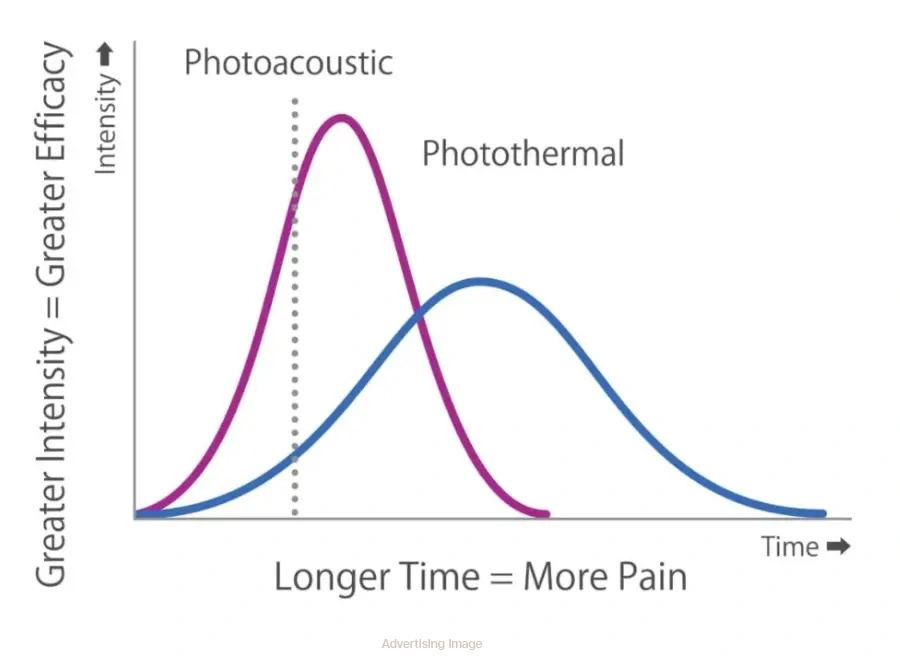
Each pulse generates a subtle photoacoustic effect, dispersing pigment particles while also stimulating collagen renewal beneath the surface.
Because it works through vibration rather than heat, this Pico Laser approach is designed to limit unnecessary thermal buildup and support the skin’s natural recovery process.⁵
In simple terms:
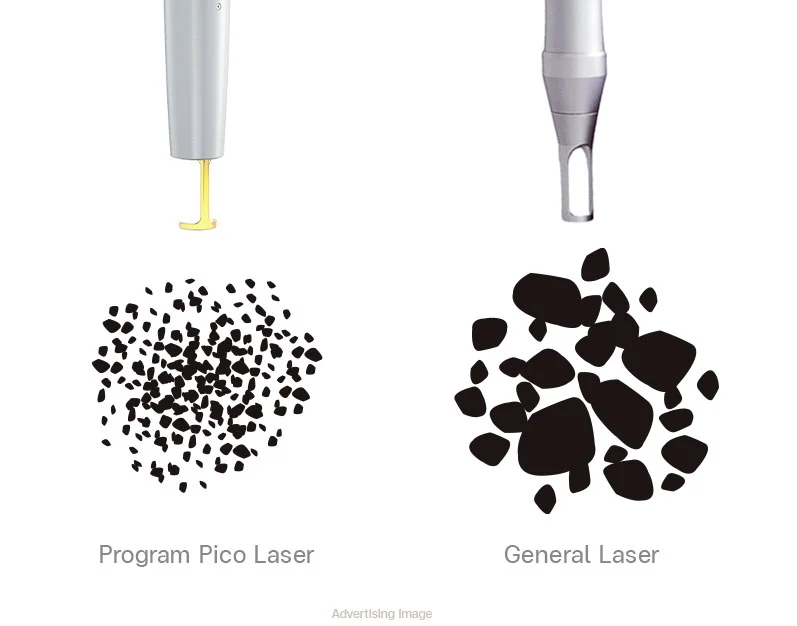
This picosecond-based approach is used across various pigmentation and texture-related concerns, which is why the PicoWay Laser Program is commonly considered for acne scars, fine lines, and early signs of aging.
The PicoWay Laser Program is designed to address a broad spectrum of skin concerns related to pigmentation, acne scars, and early signs of aging.
Unlike conventional lasers that rely primarily on heat, this Pico Laser system delivers ultra-short pulses—measured in picoseconds—to generate a photoacoustic effect that precisely targets pigment and stimulates dermal renewal without unnecessary thermal impact.⁵
Each treatment plan within the PicoWay Laser Program is personalized to individual skin tone, concern, and sensitivity, allowing it to be adapted for both pigmentation-related issues and texture refinement.
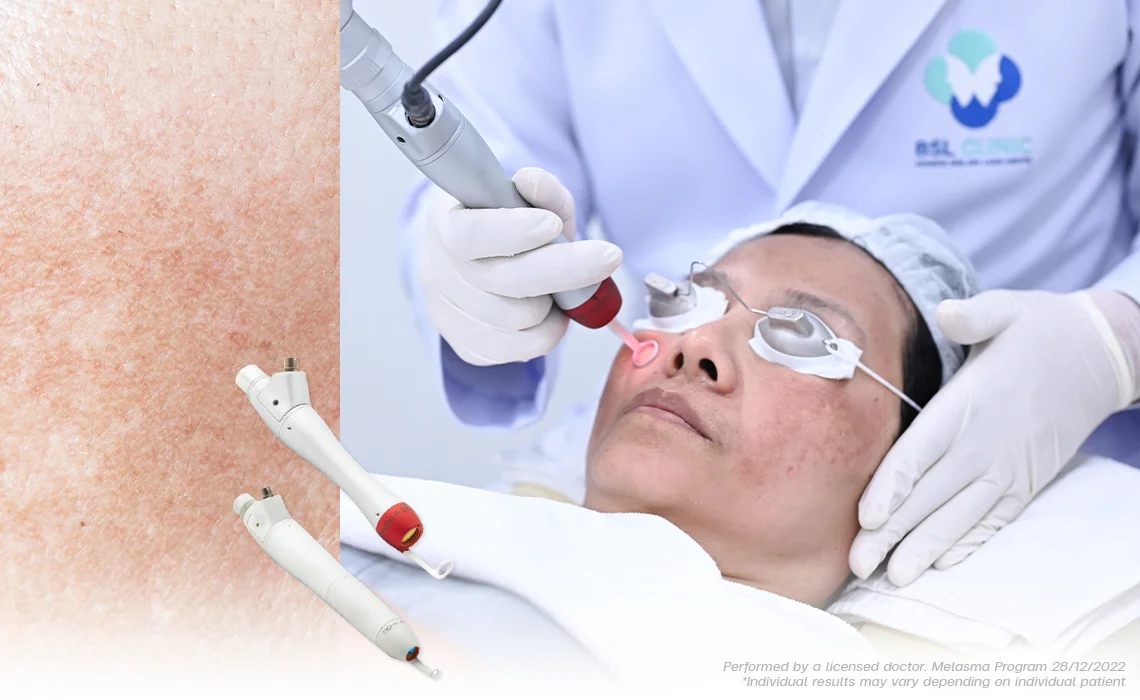
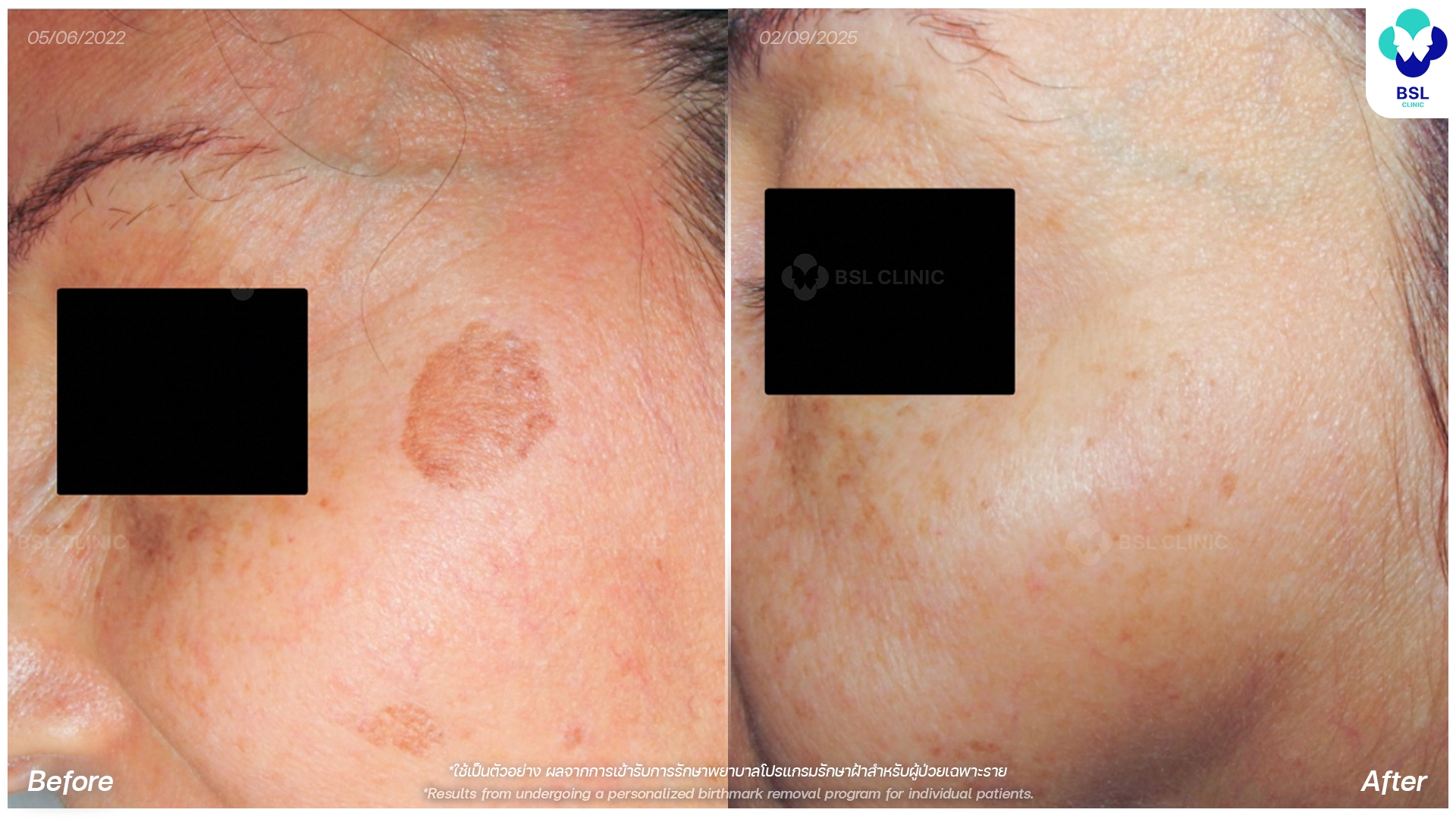
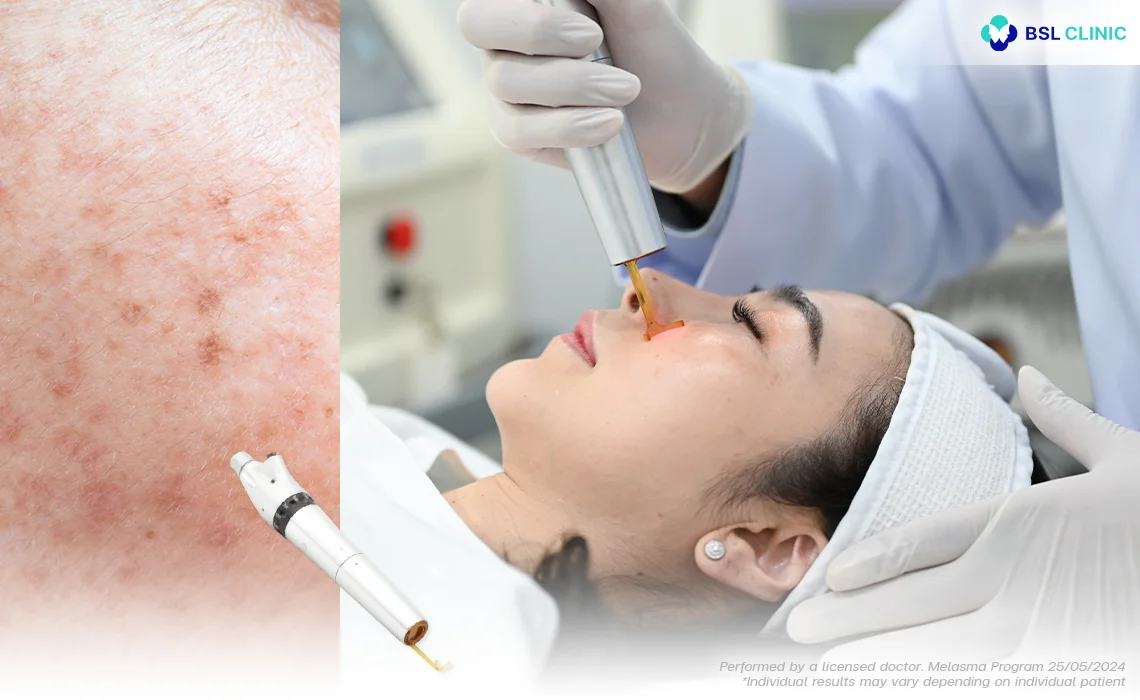
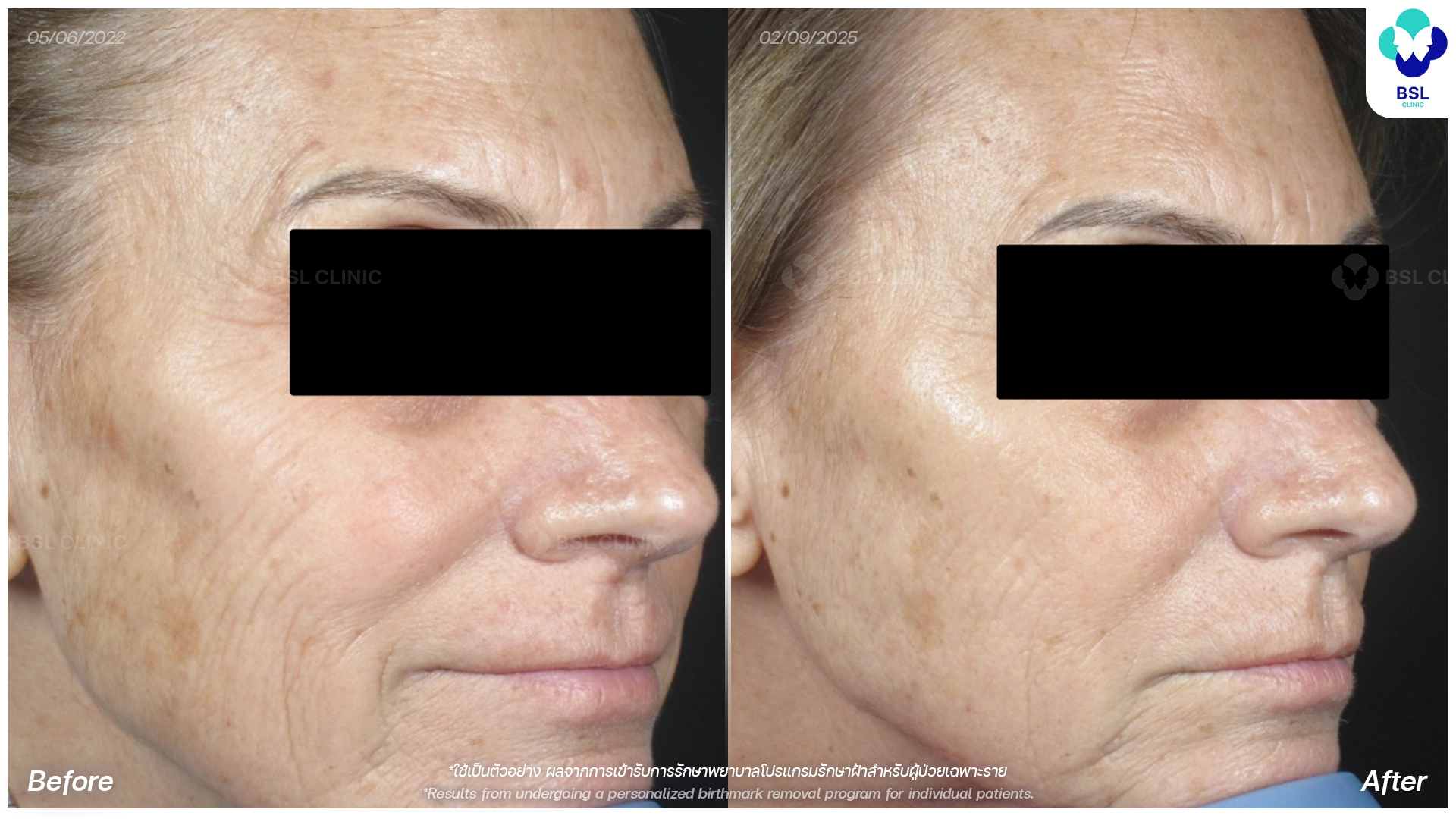
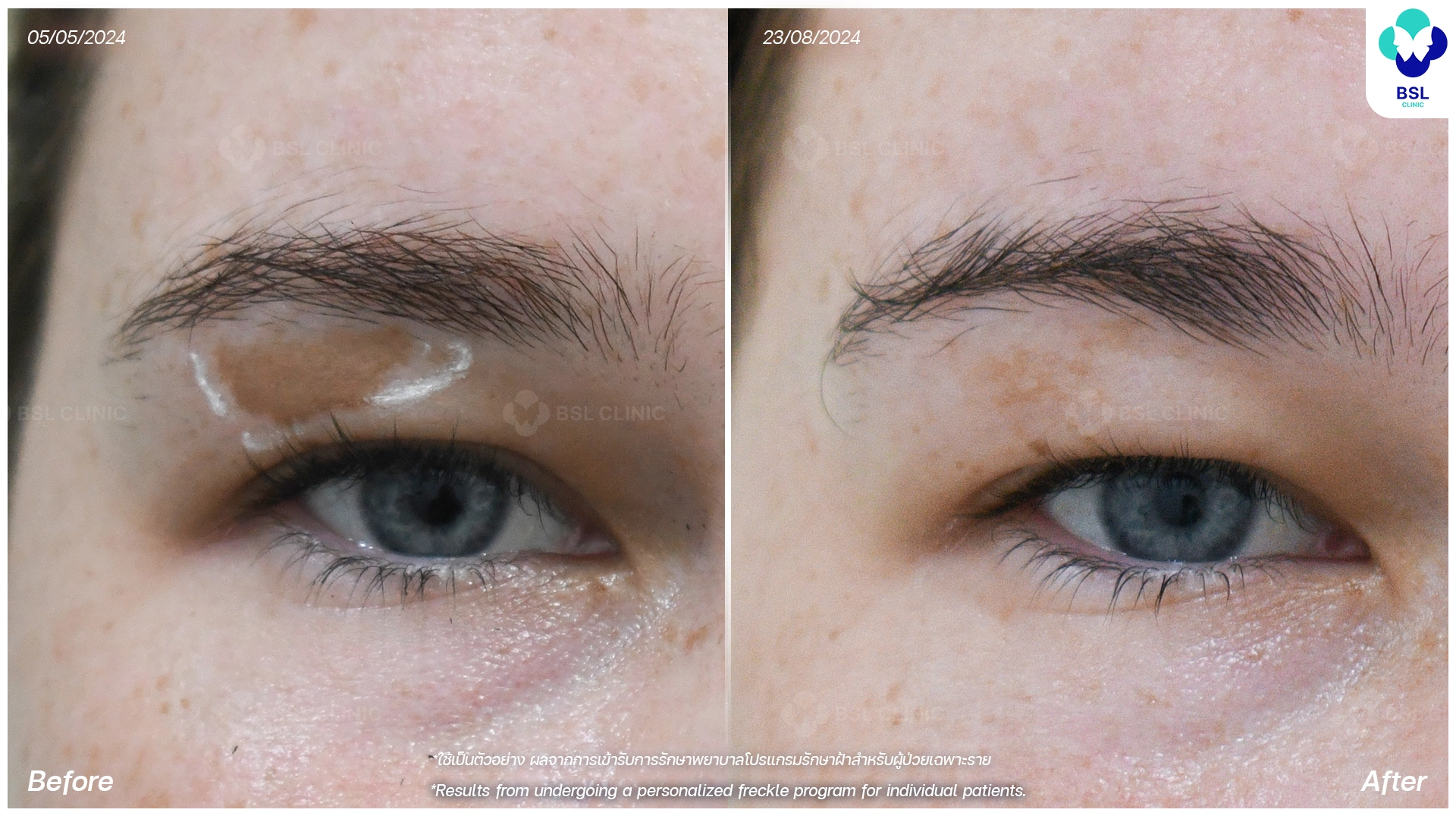
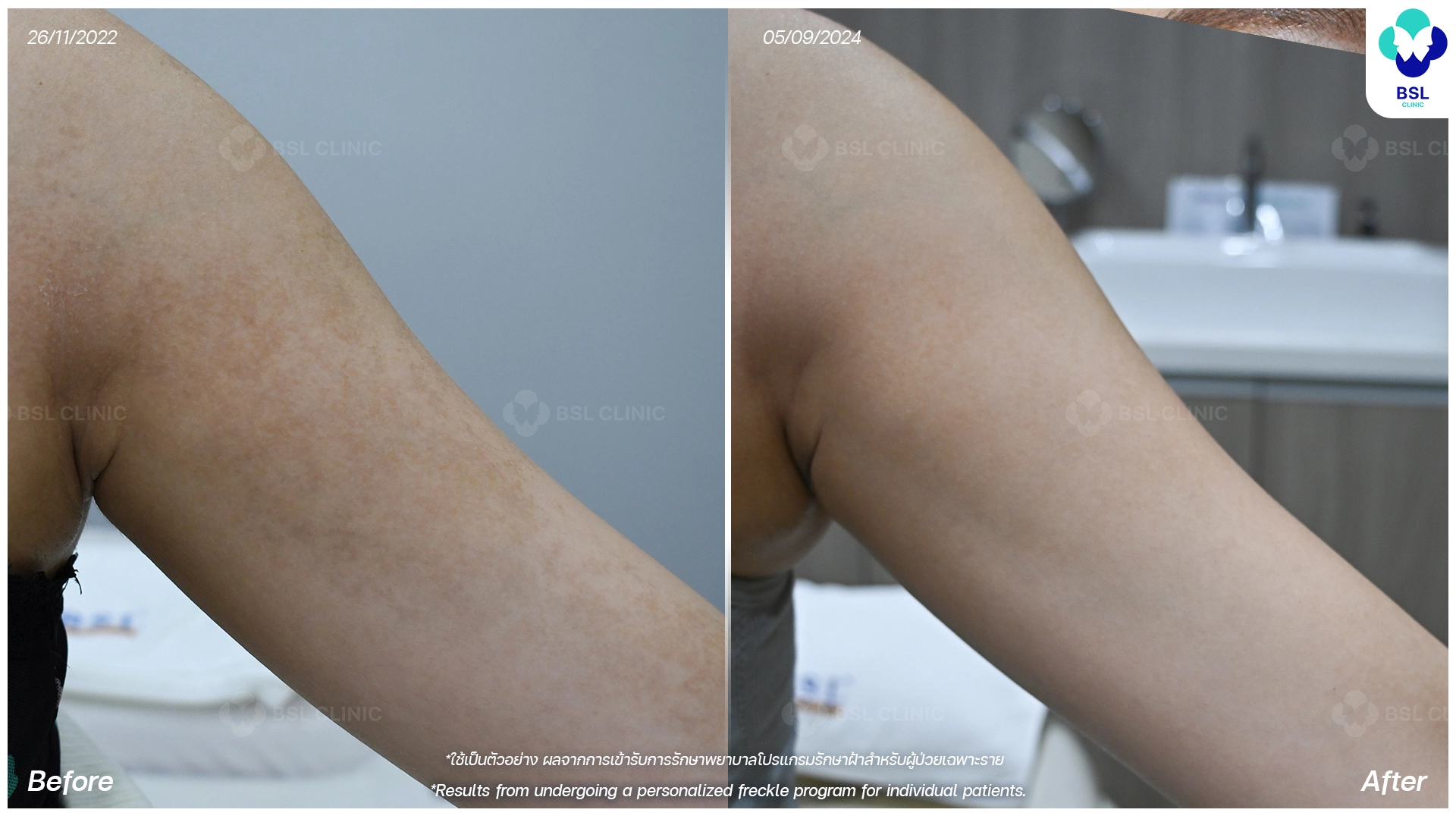
Melasma and sun-induced pigmentation commonly result from UV exposure, hormonal changes, and genetic predisposition.
Through the Pico Laser for Pigmentation protocol, the PicoWay Laser Program delivers controlled photoacoustic energy to disperse excess melanin located within both the epidermal and dermal layers.⁷
This program is often selected for:
The measured precision of the PicoWay Laser program helps manage pigment distribution while maintaining surrounding skin balance over a series of sessions.
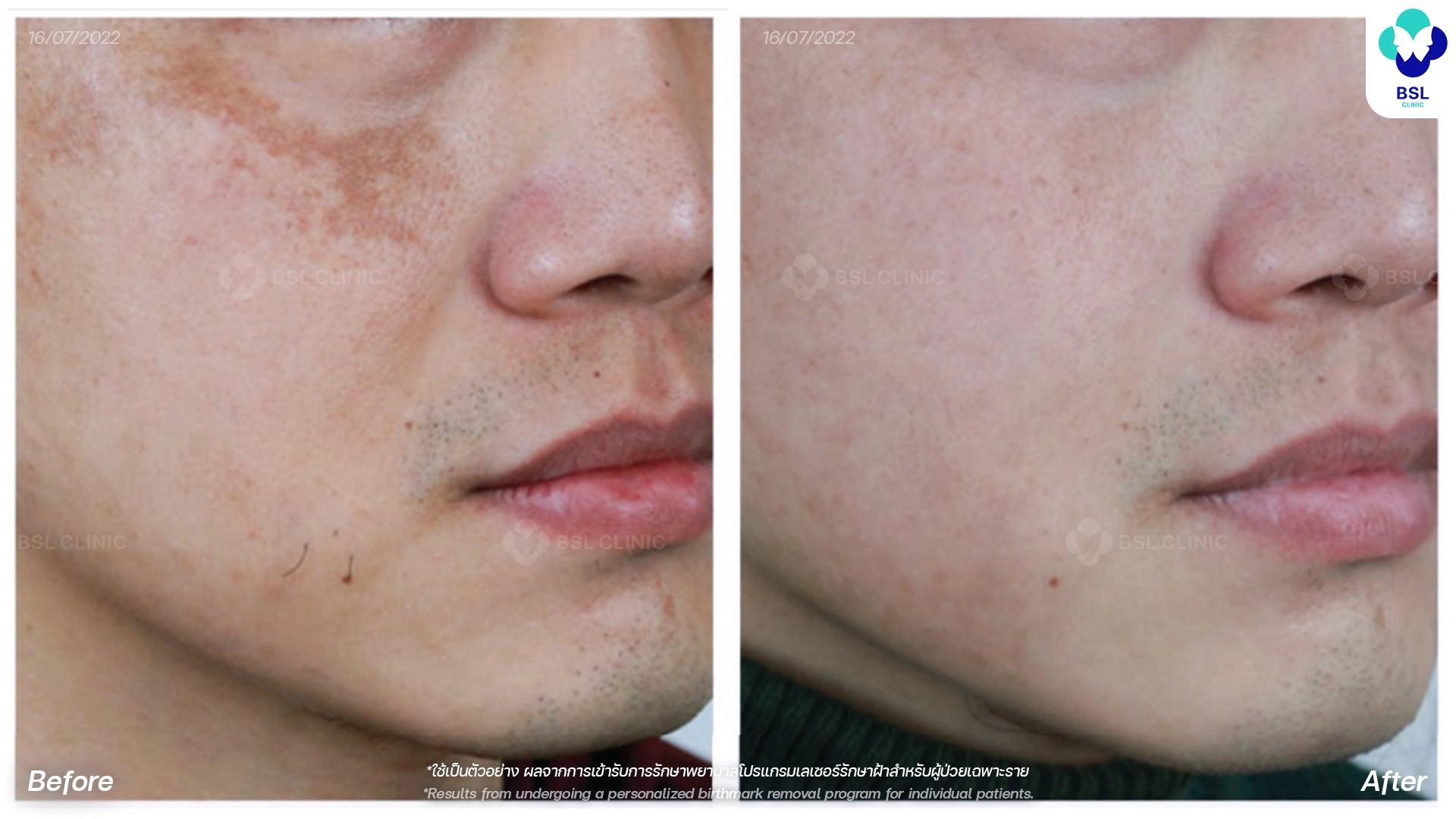
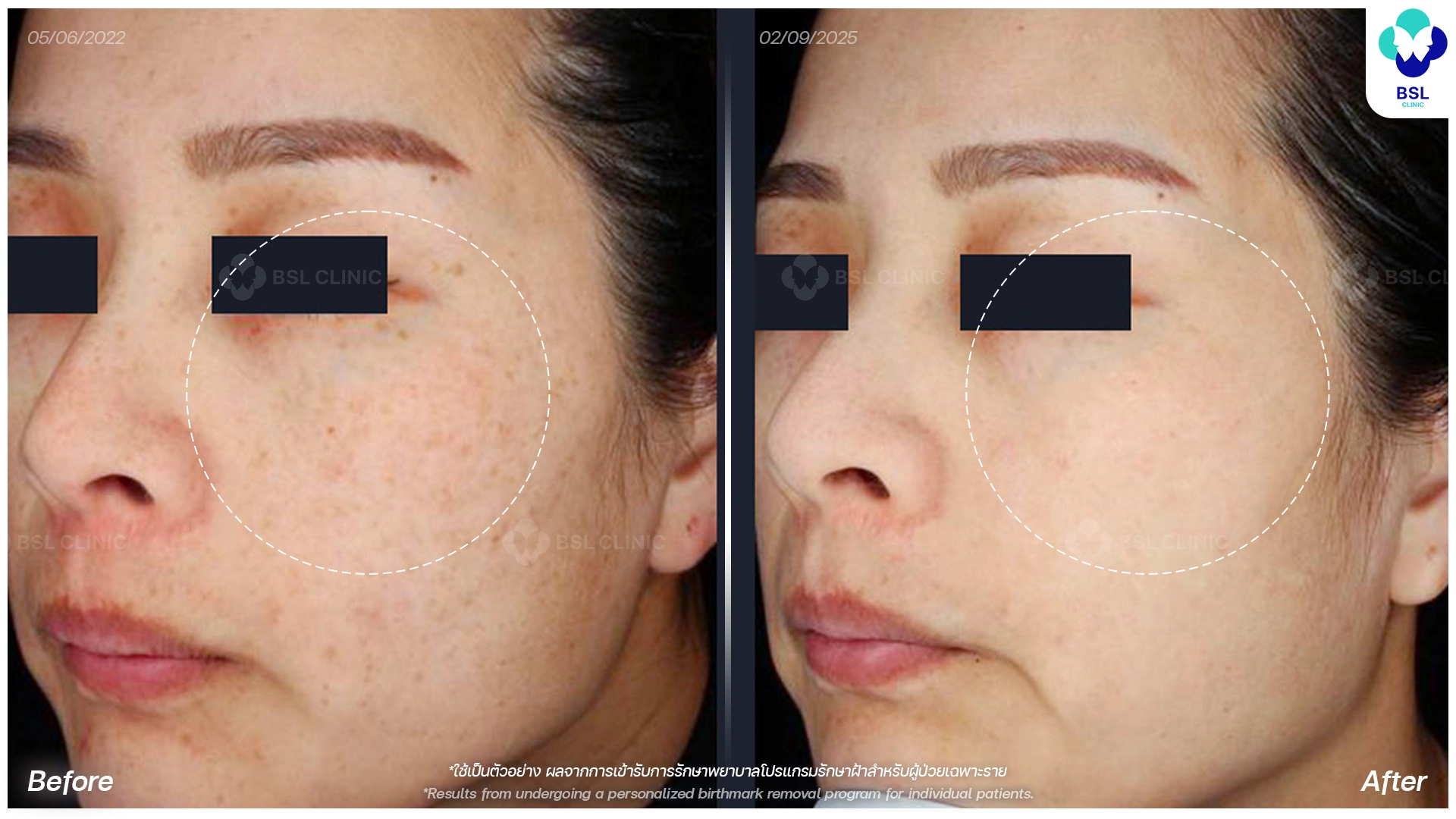
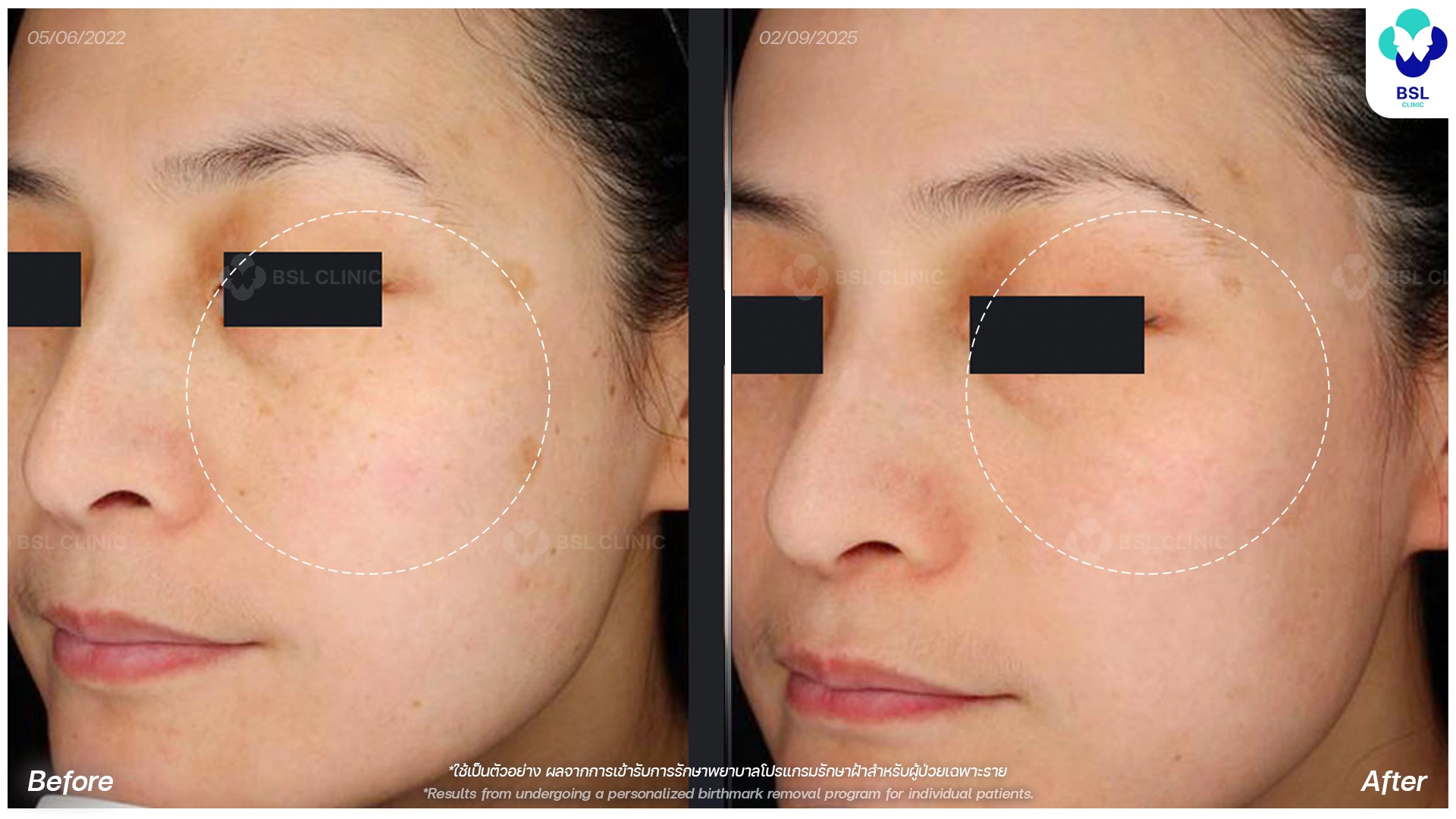
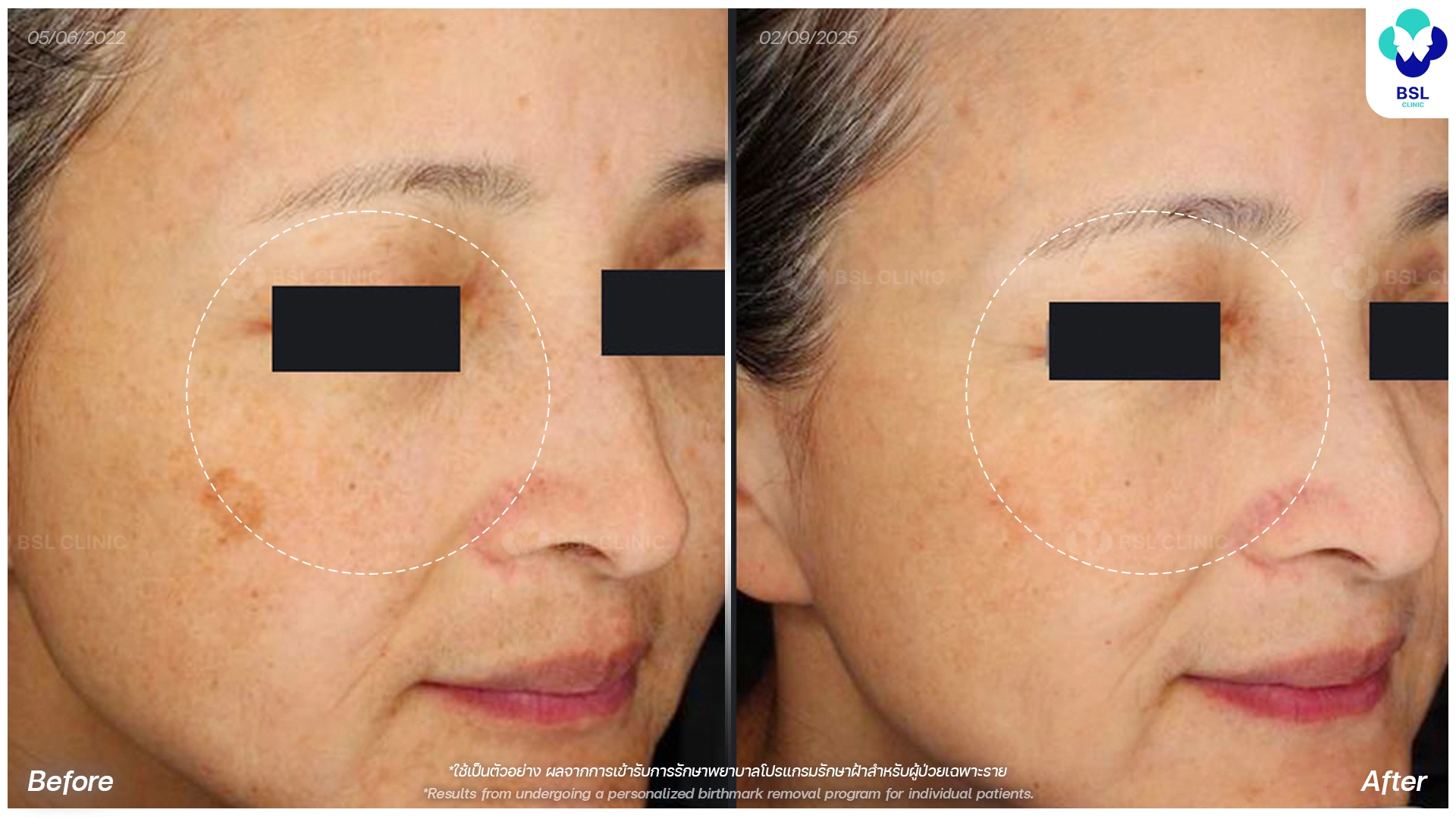
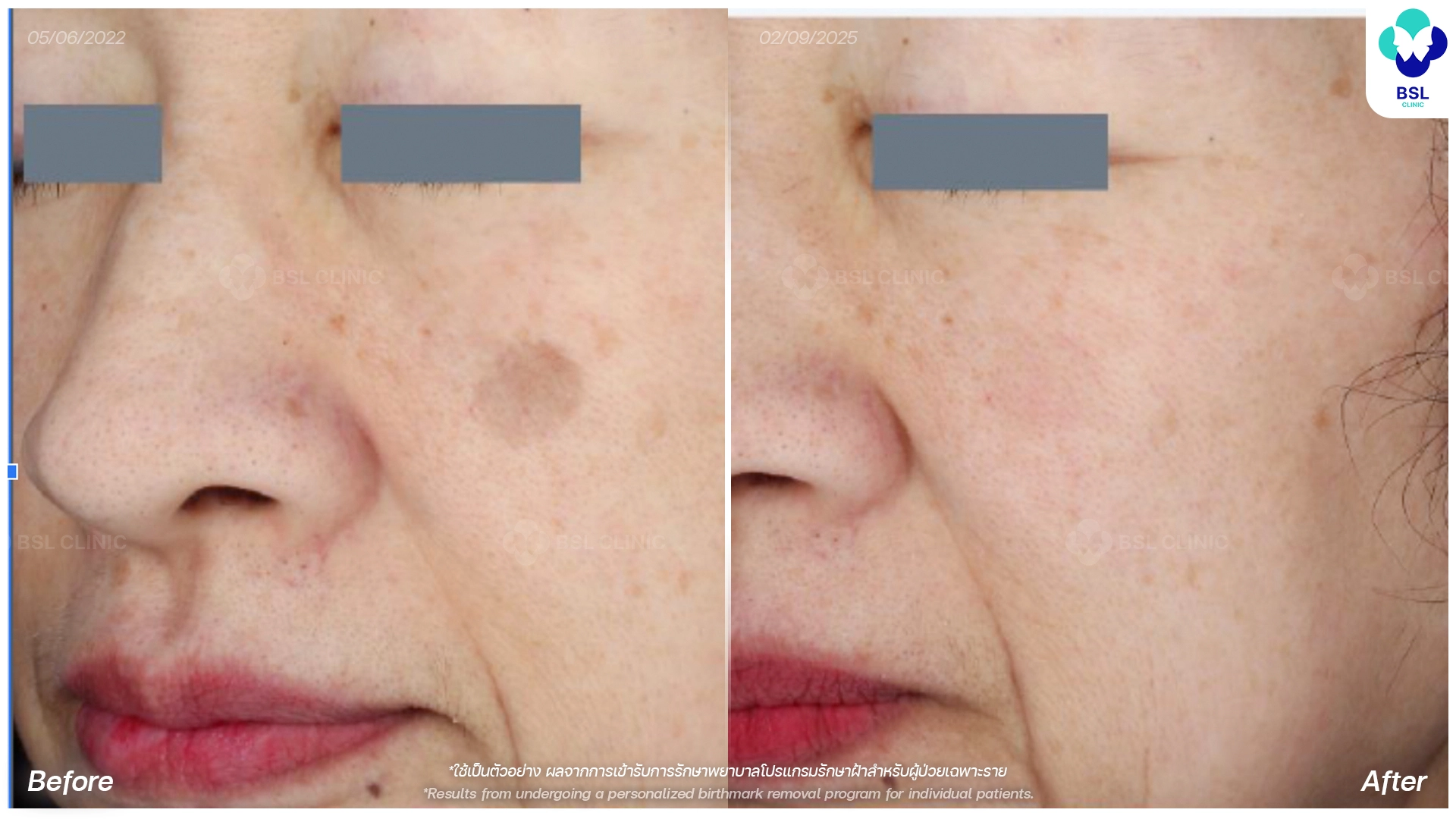
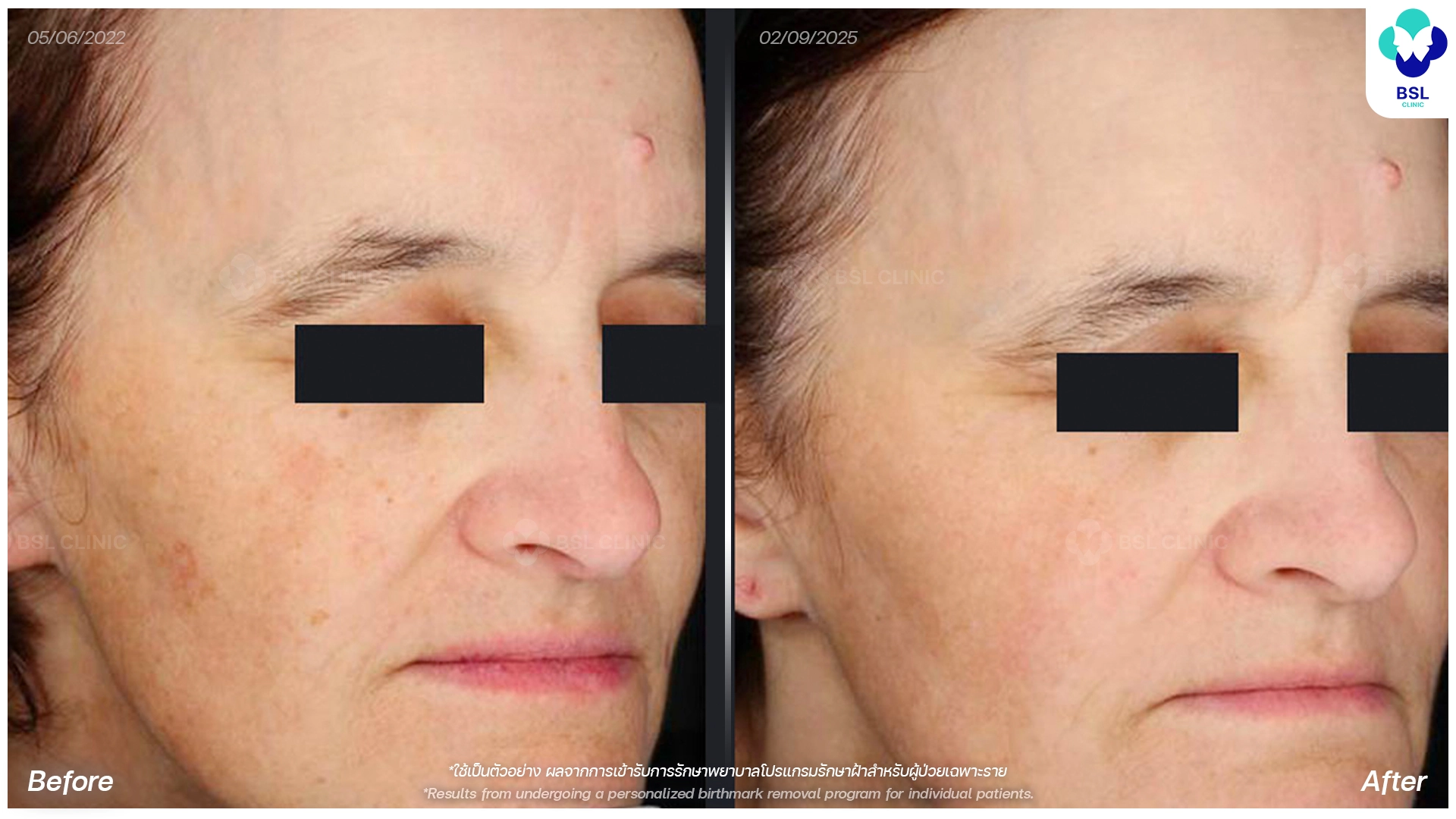
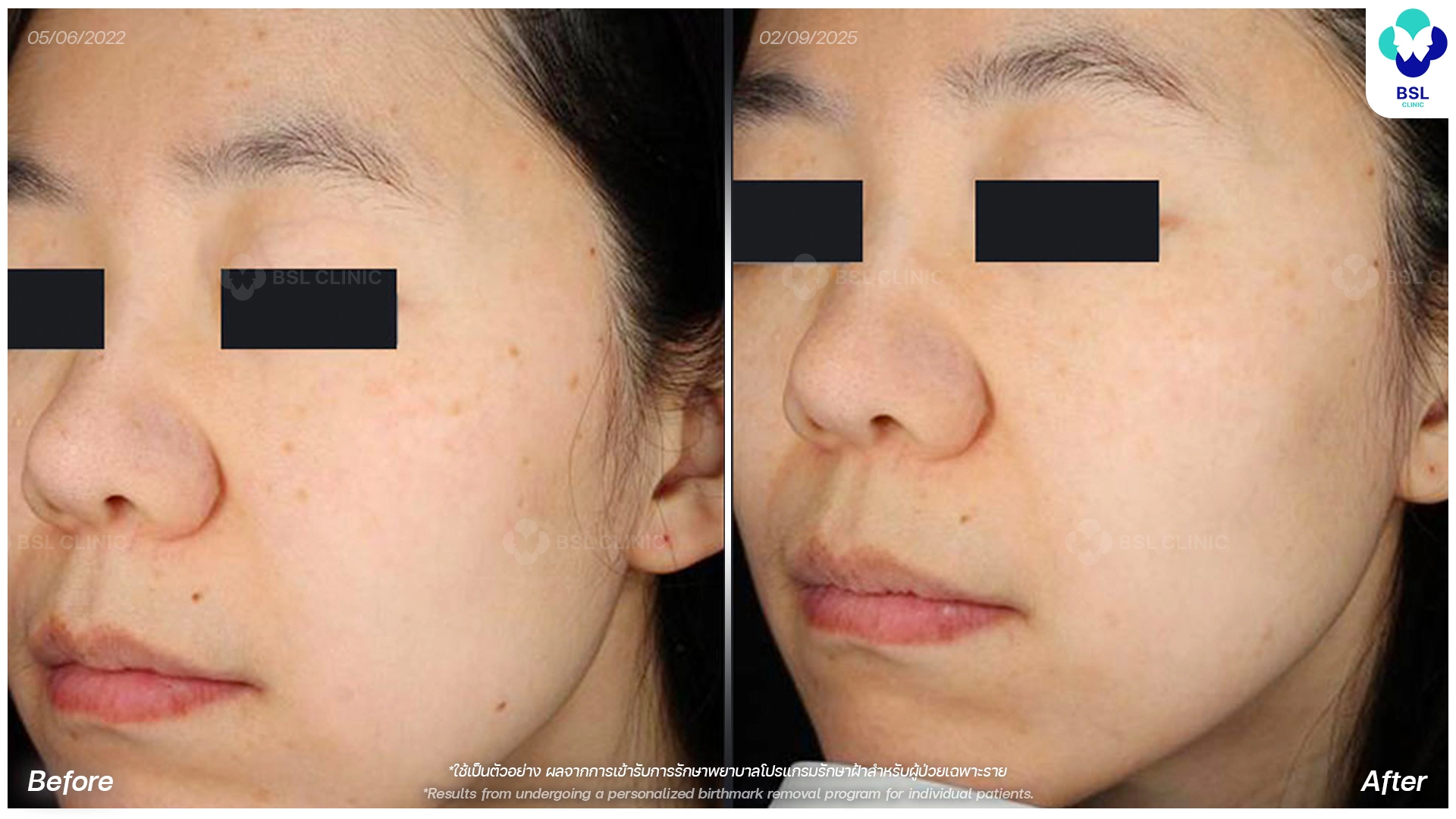
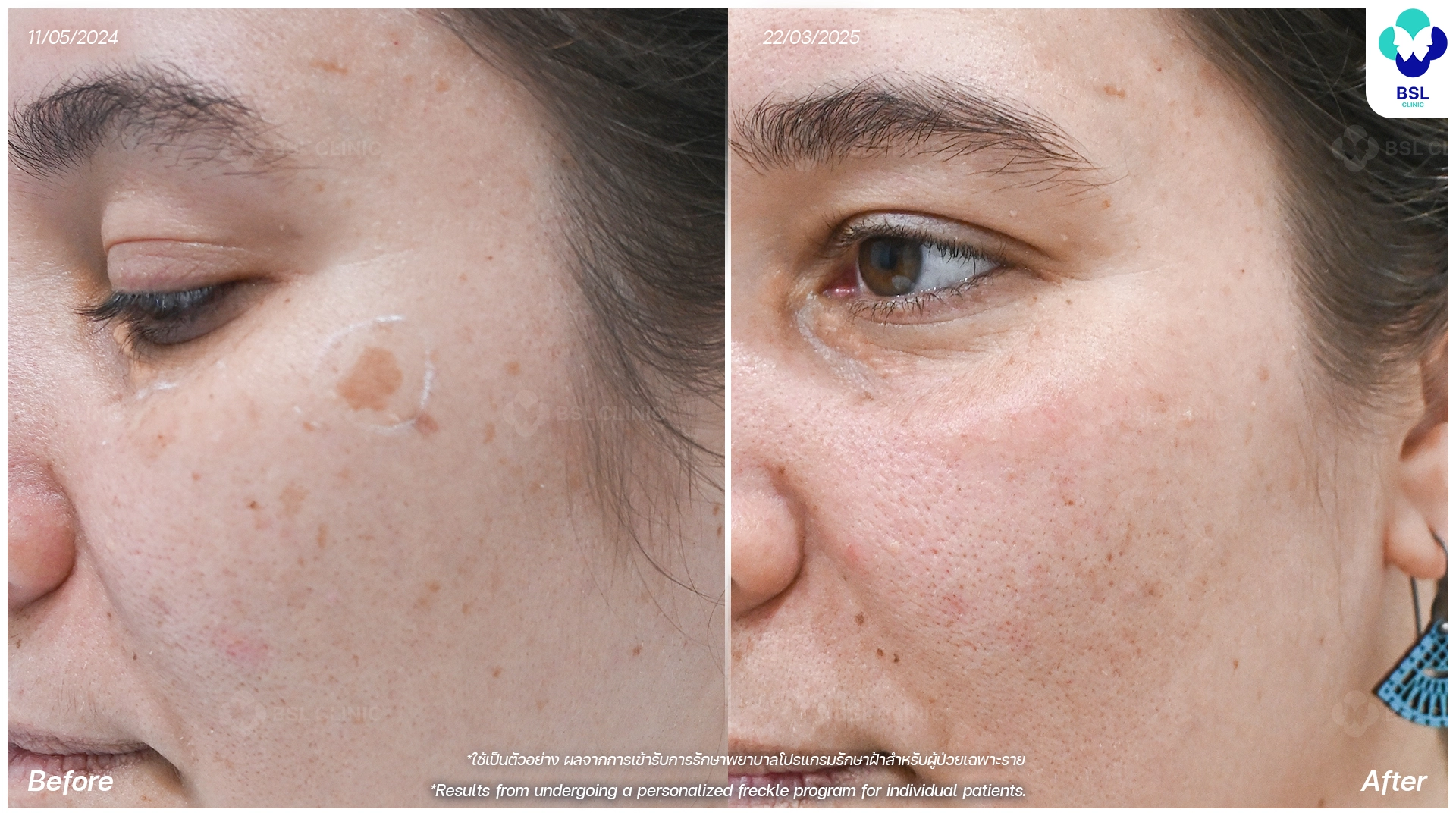
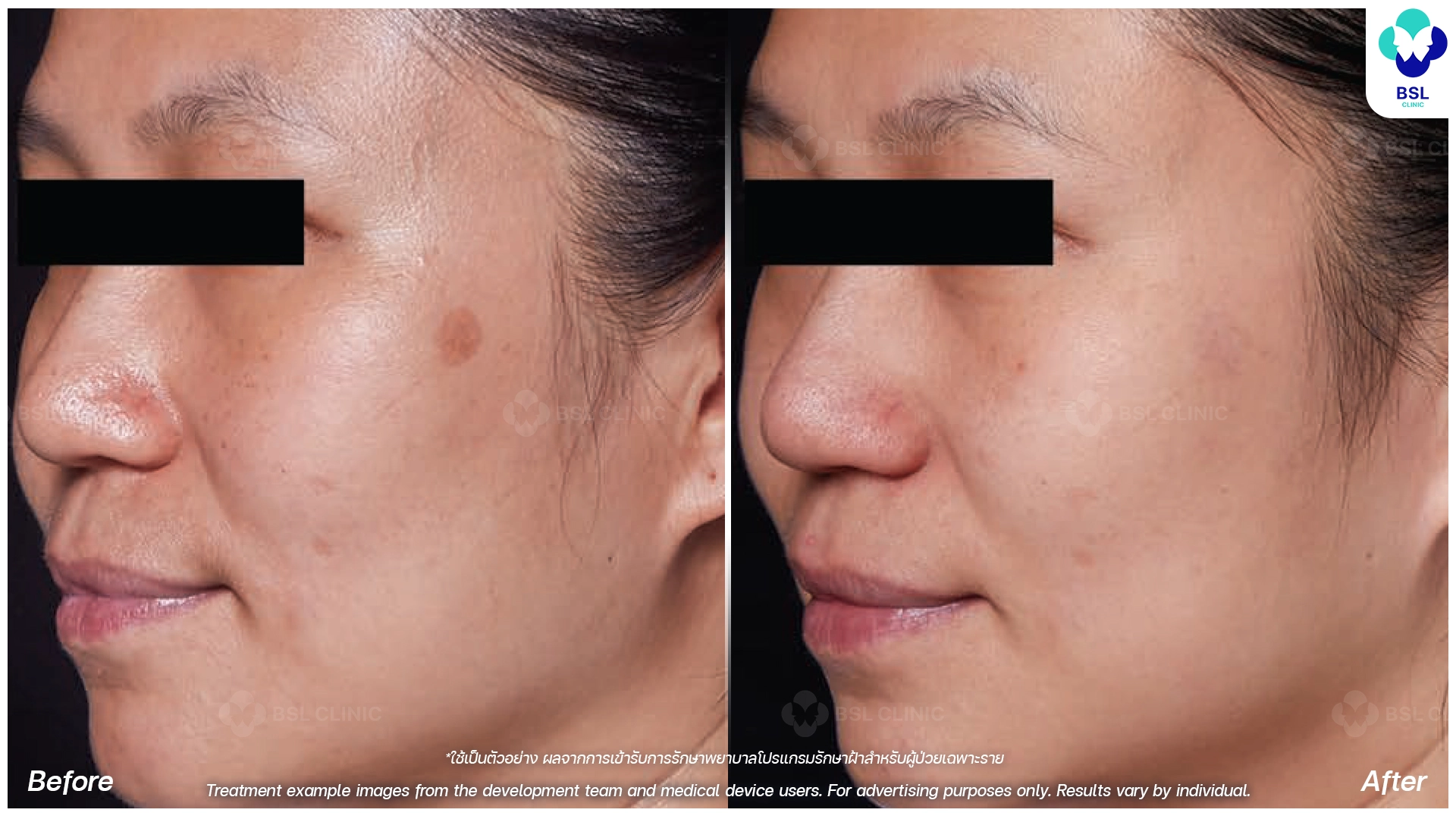
Freckles, lentigines, and solar pigmentation are superficial forms of hyperpigmentation caused by excess melanin clustering near the surface.
The PicoWay Laser program uses photoacoustic pulses to fragment these pigment clusters into fine particles that the skin can naturally eliminate over time.⁸
It is often recommended for:
This precision-based method supports a clearer, more uniform complexion appearance.
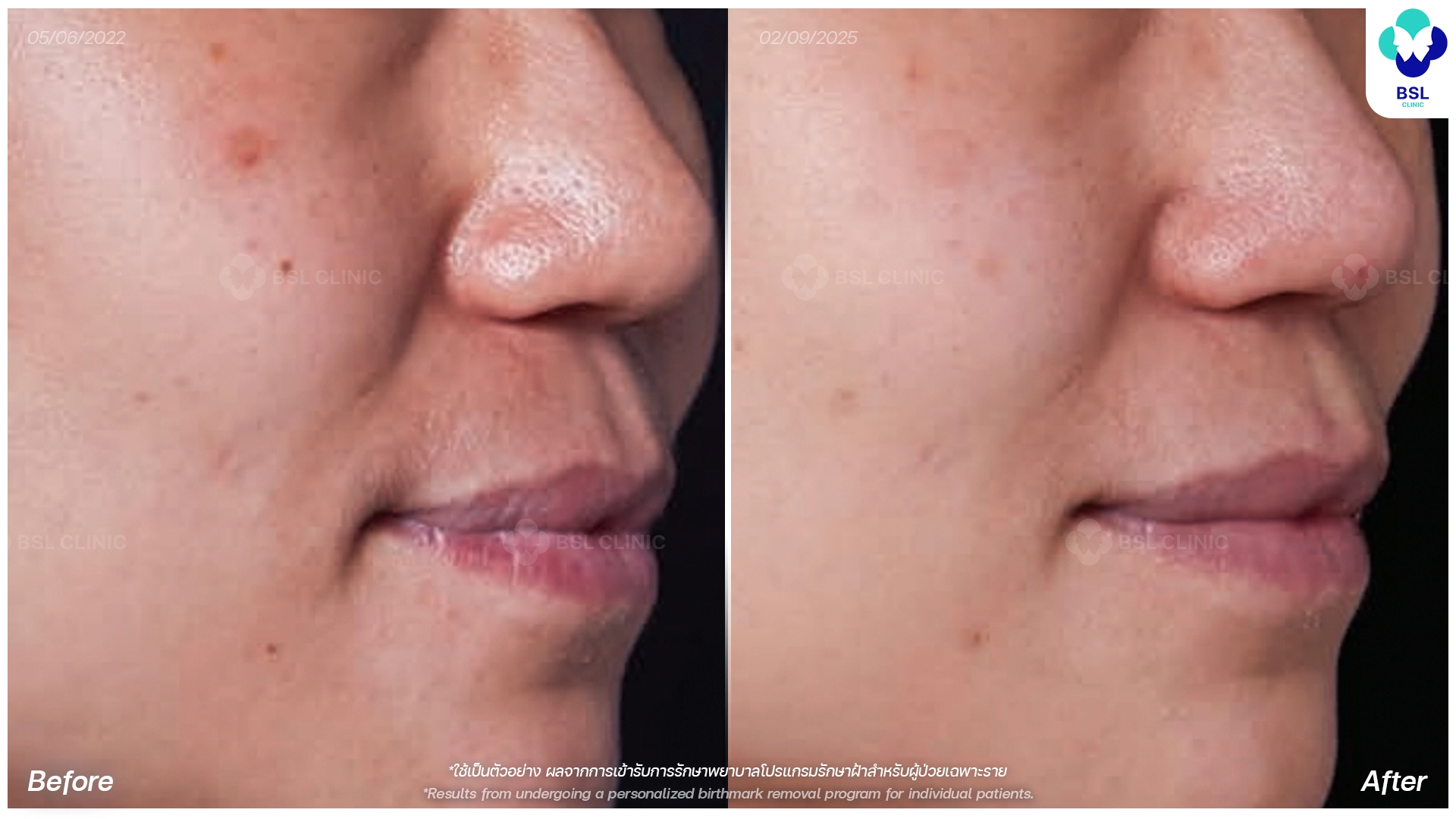
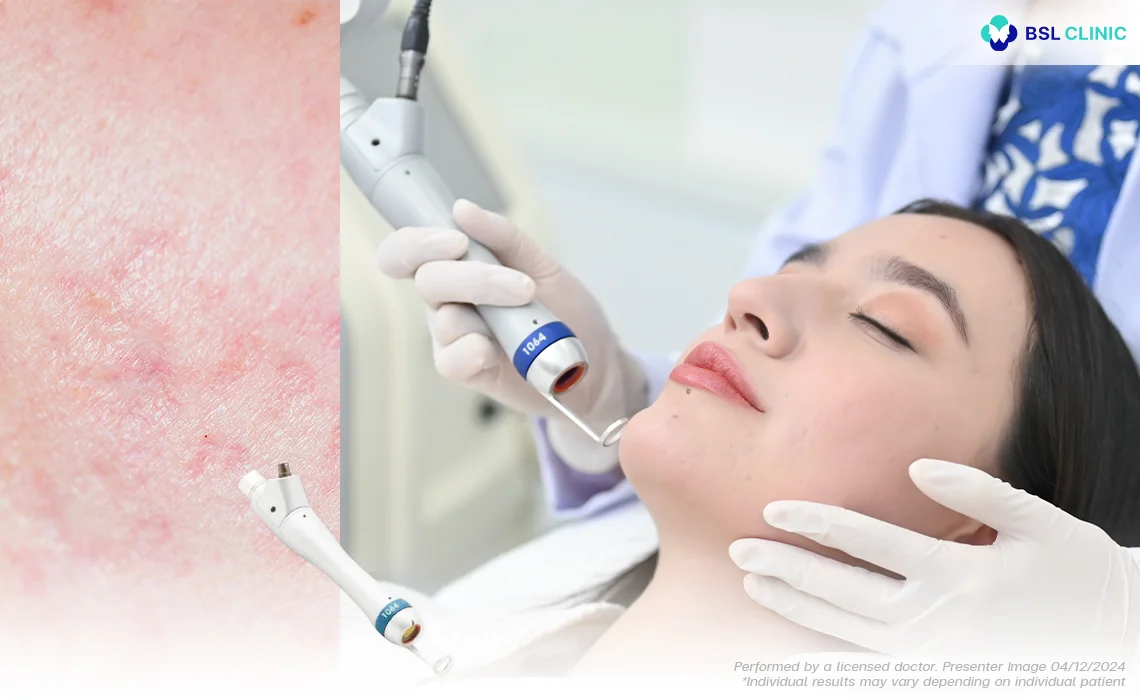
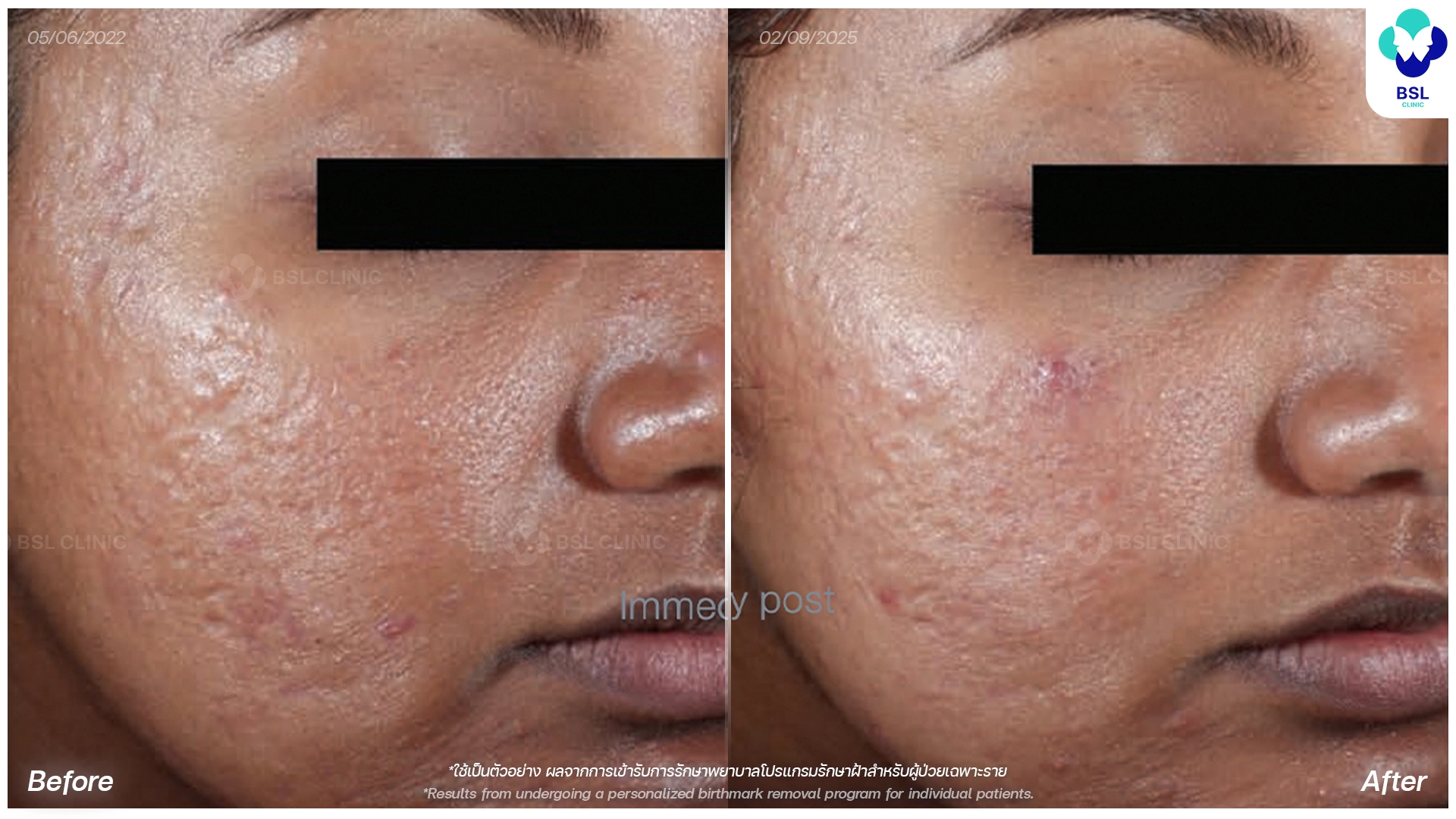
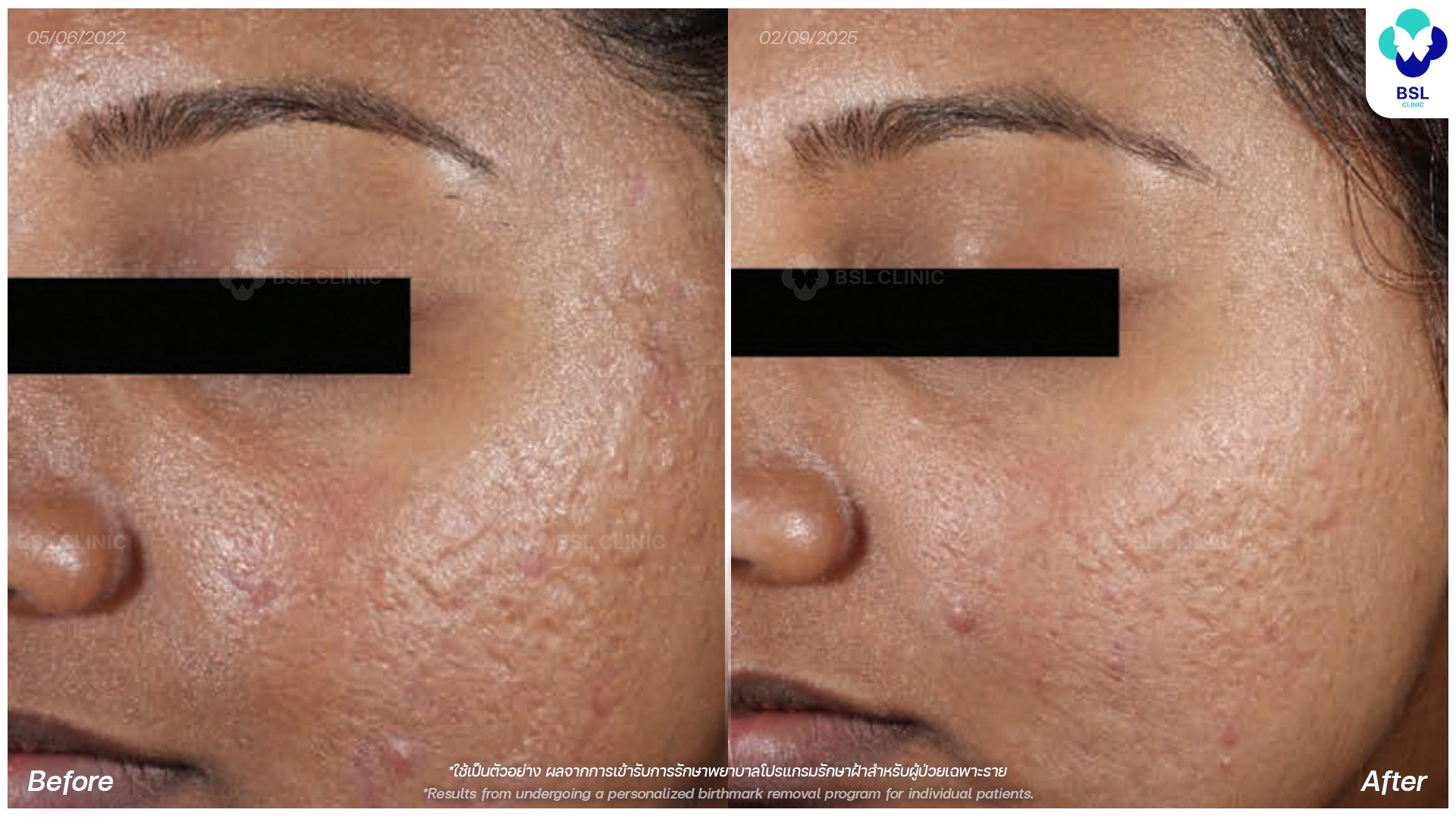
For individuals dealing with long-standing acne scars, enlarged pores, or uneven skin texture, the PicoWay Laser Program offers a fractional mode designed to support controlled skin remodeling.⁹
This approach—often referred to as the Pico Laser for Acne Scars—helps stimulate collagen and elastin production beneath the surface, all while minimizing downtime.
It’s commonly chosen for:
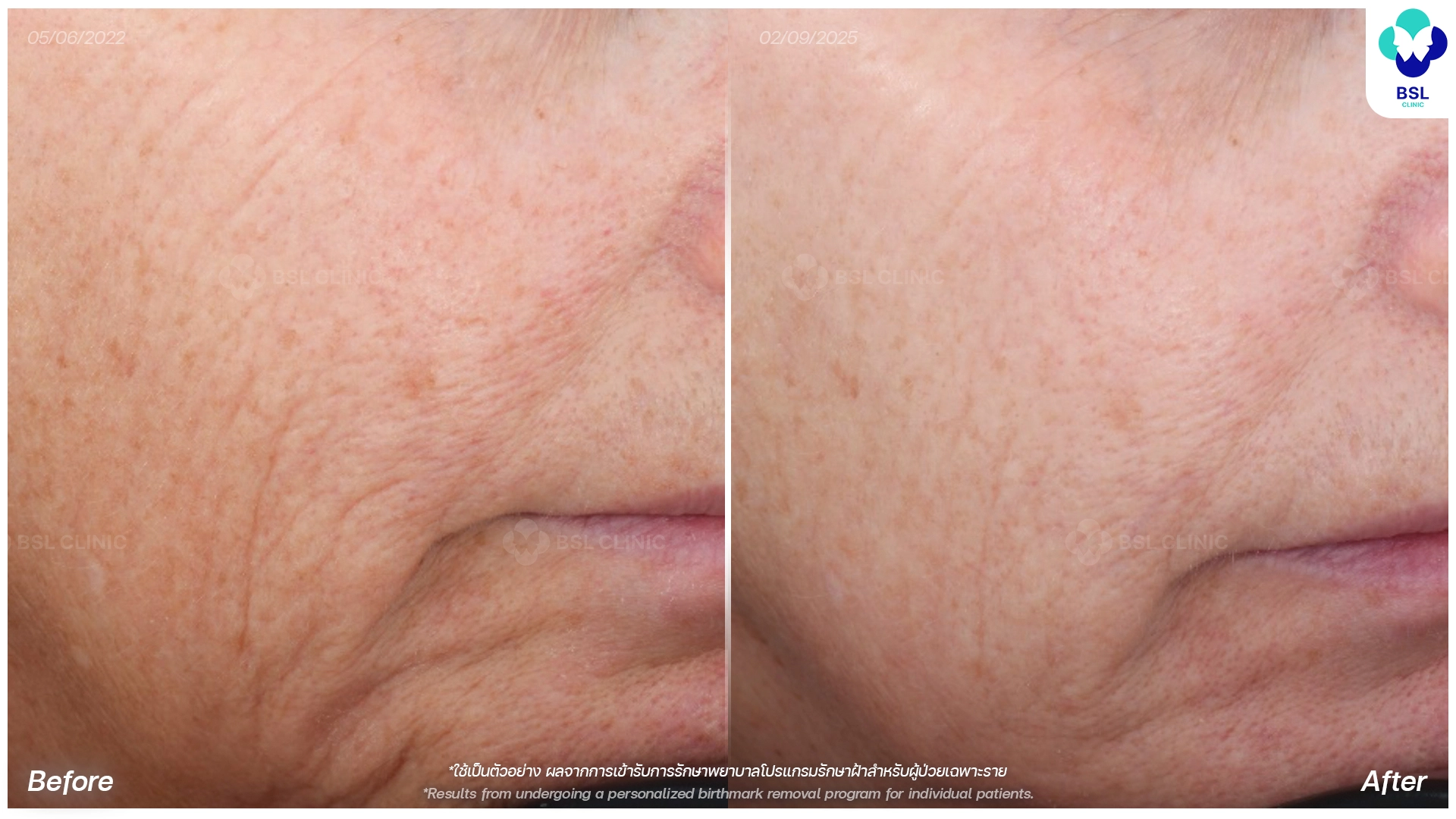
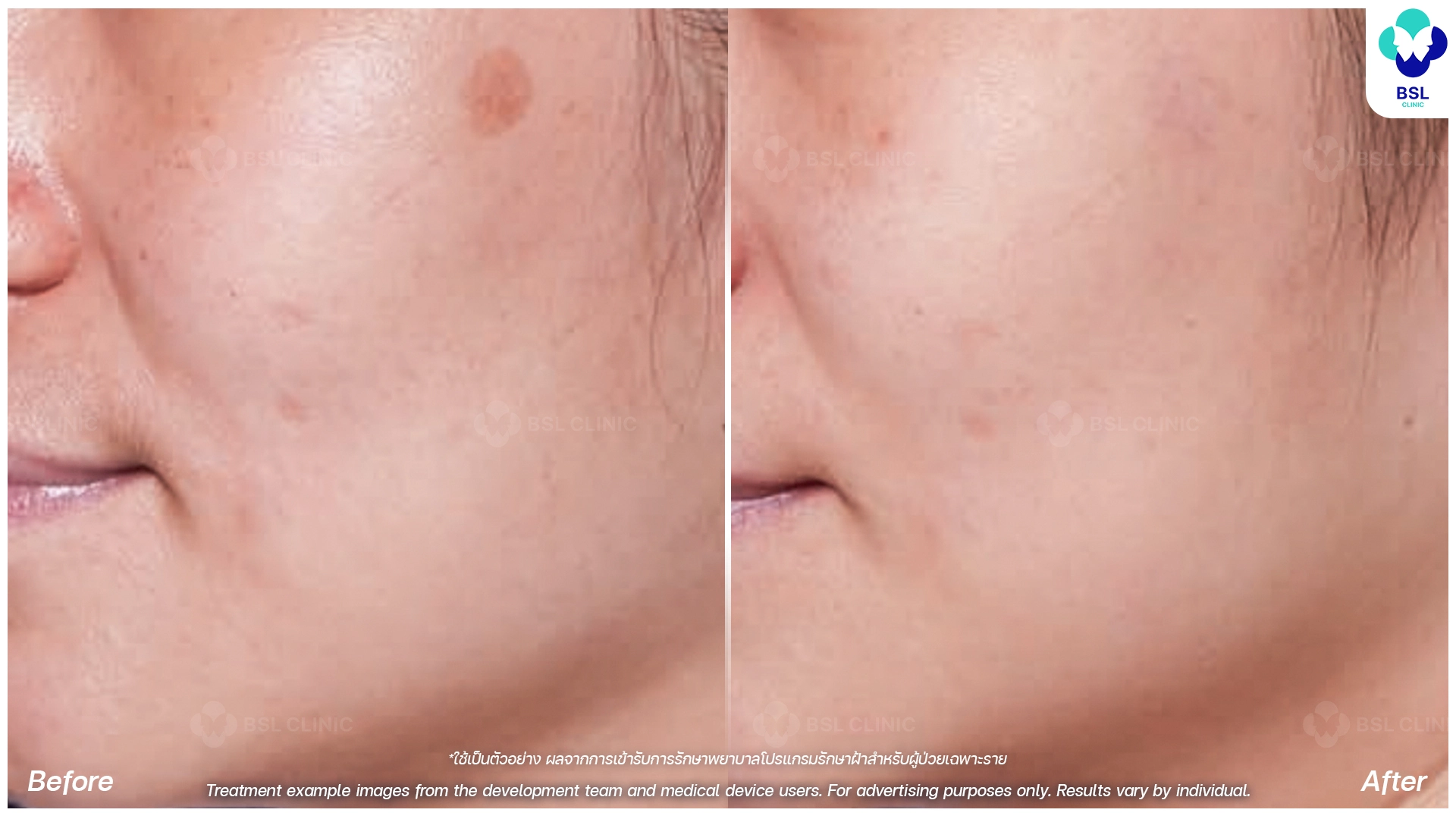
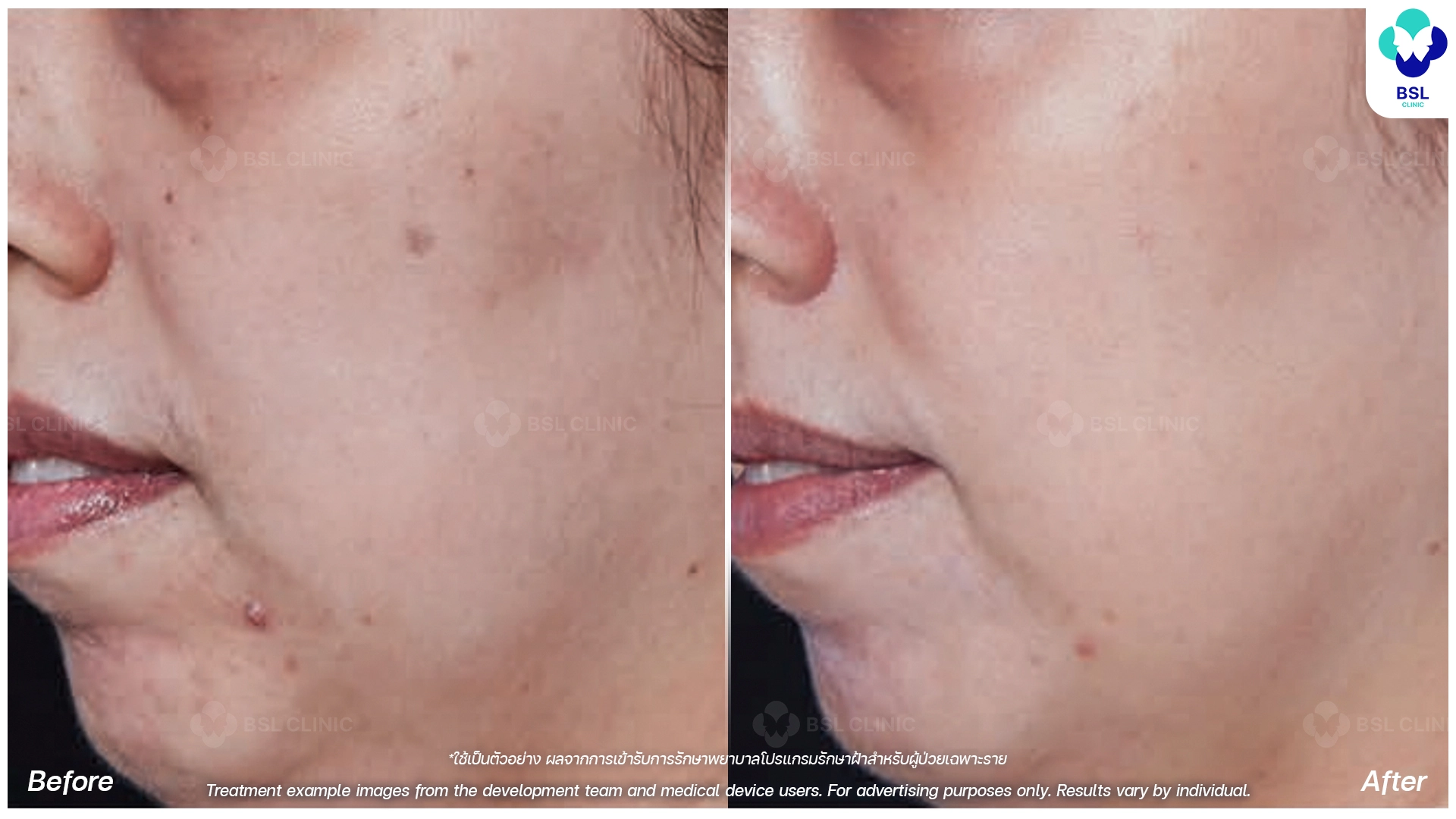
Patients often track their Pico Laser before and after results across multiple sessions to observe progressive improvements in skin texture and clarity.
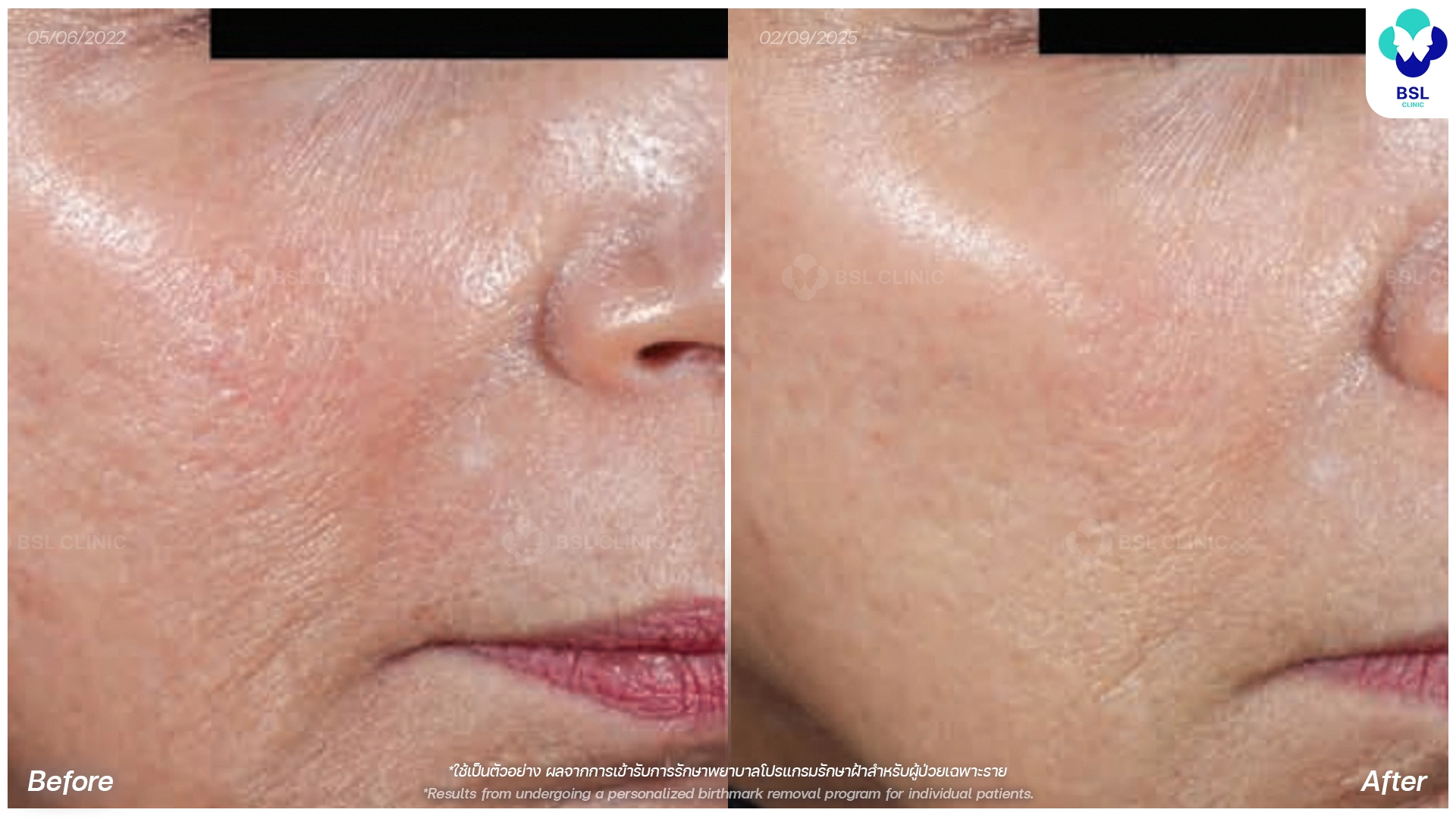
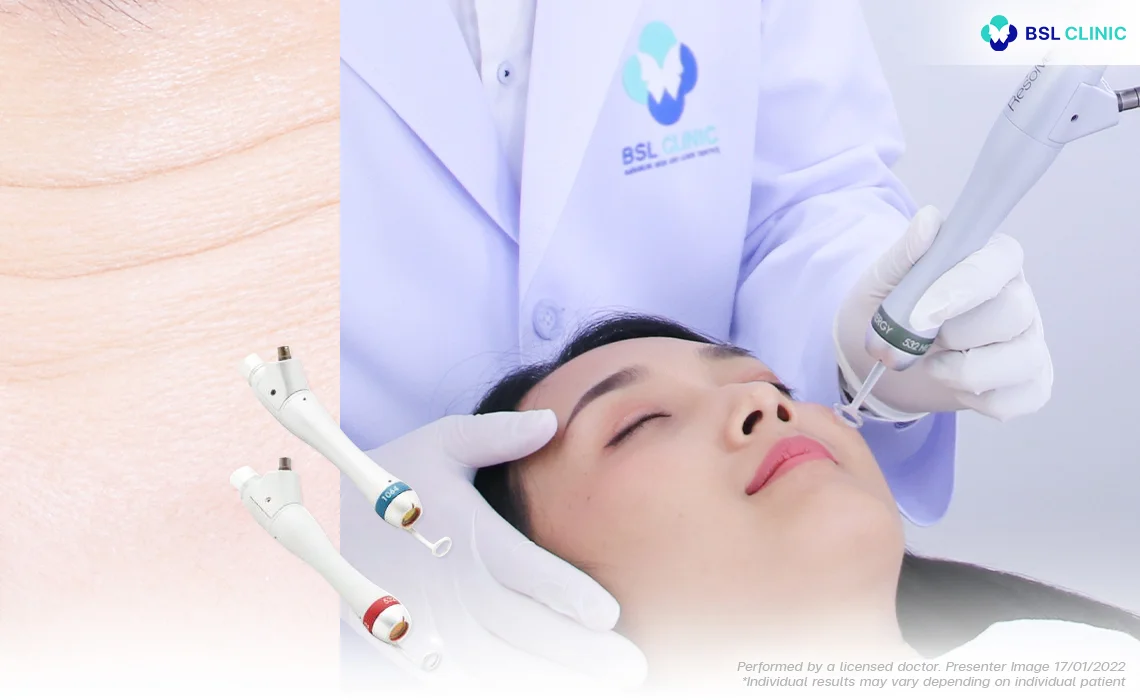
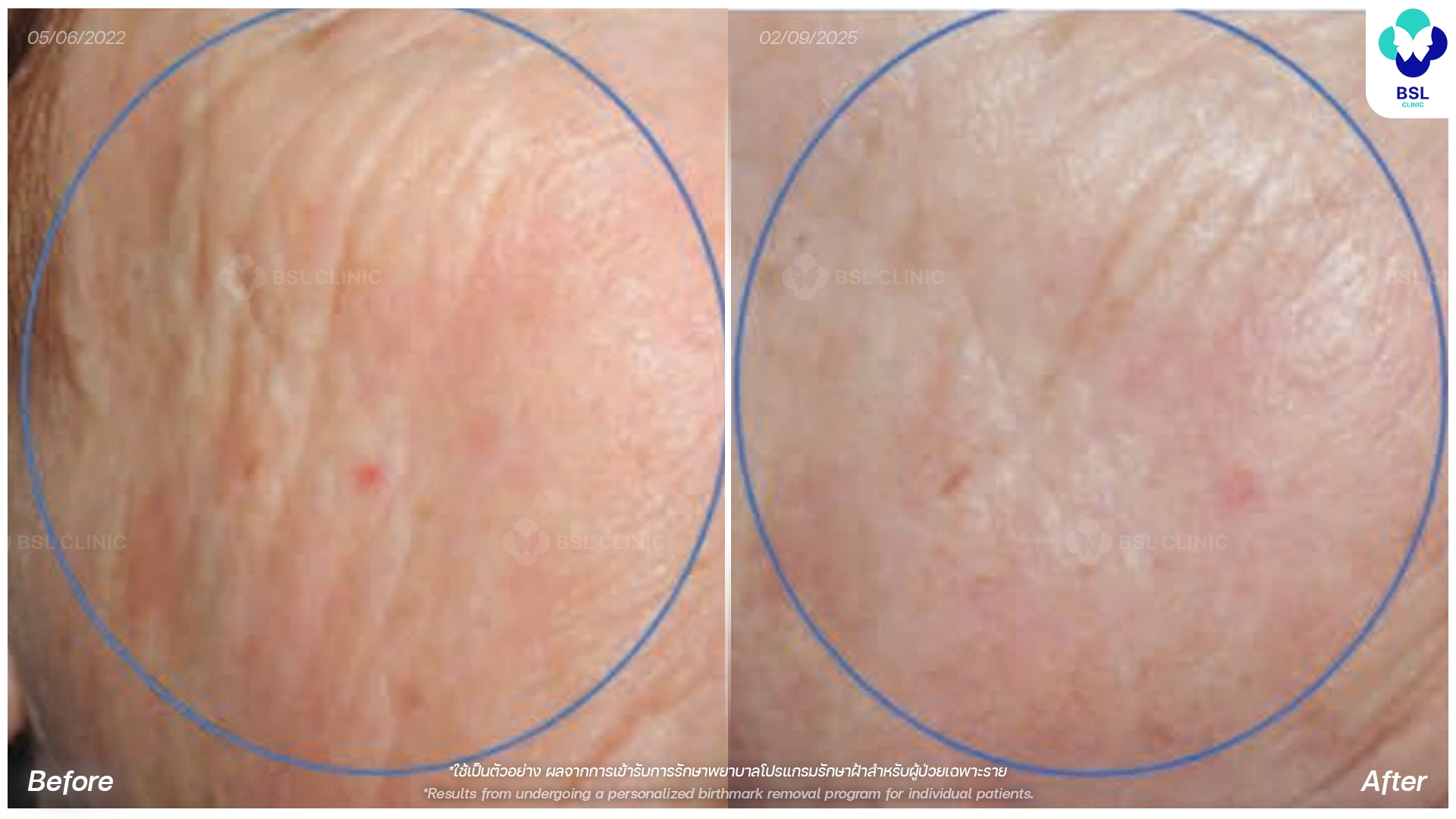
As collagen levels decline with age, the PicoWay Laser Program can be integrated into rejuvenation plans to help refine the look of fine lines and early wrinkles.¹⁰
By delivering precise, low-heat picosecond pulses, it supports natural dermal remodeling that enhances overall tone and firmness without disrupting the outer layer.
It is often included in full-face maintenance plans for:

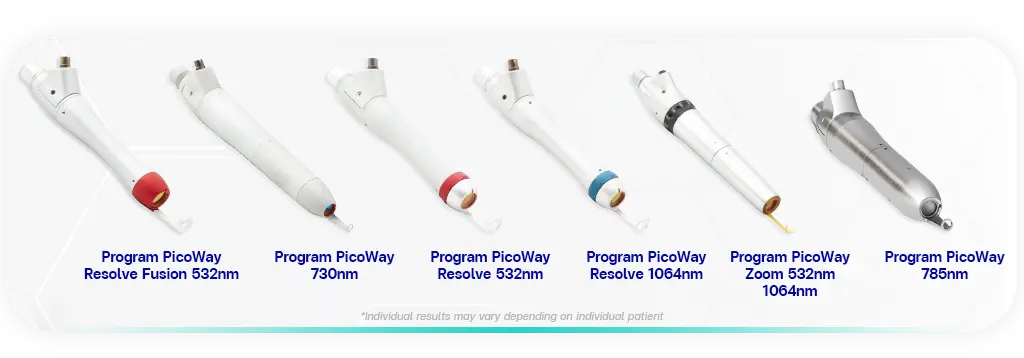
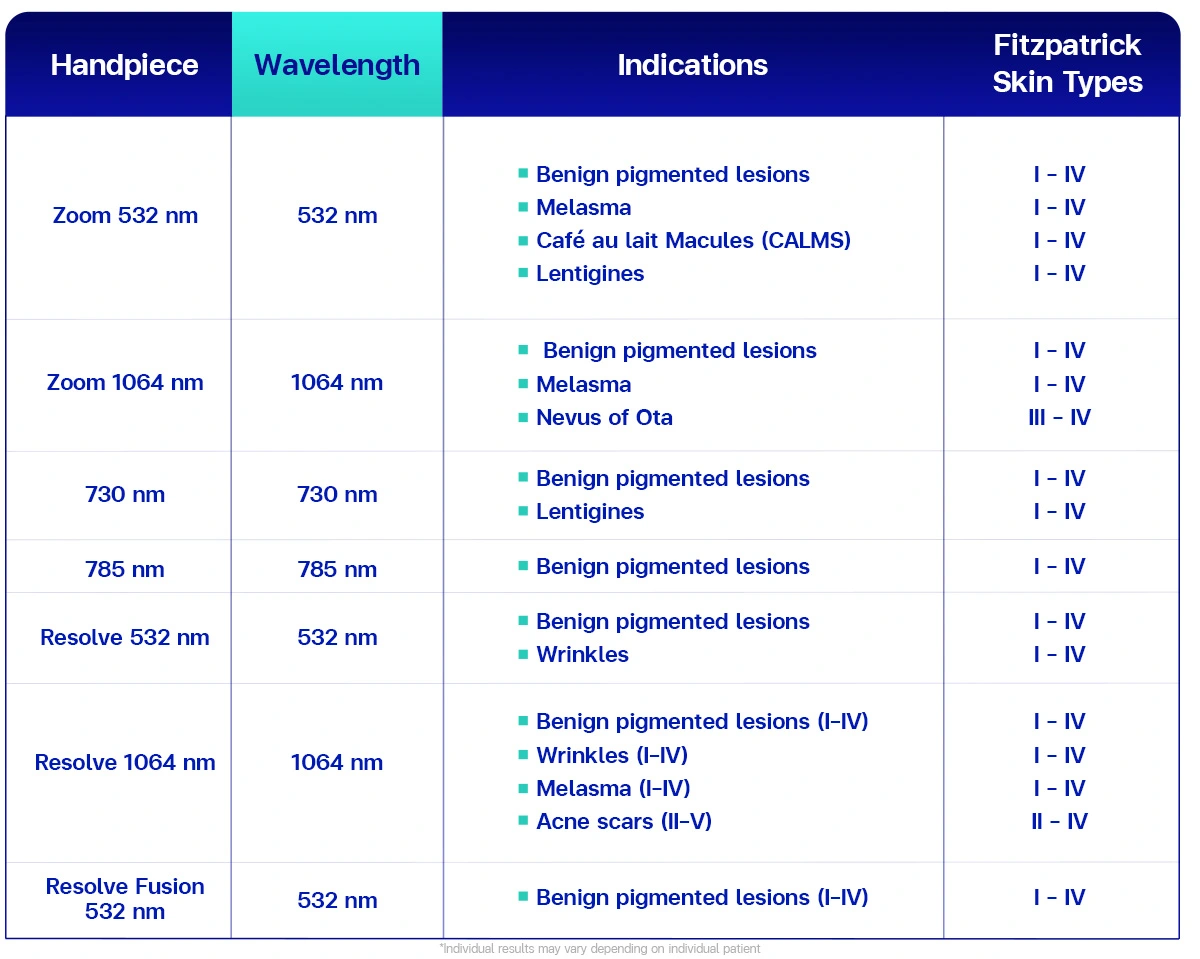

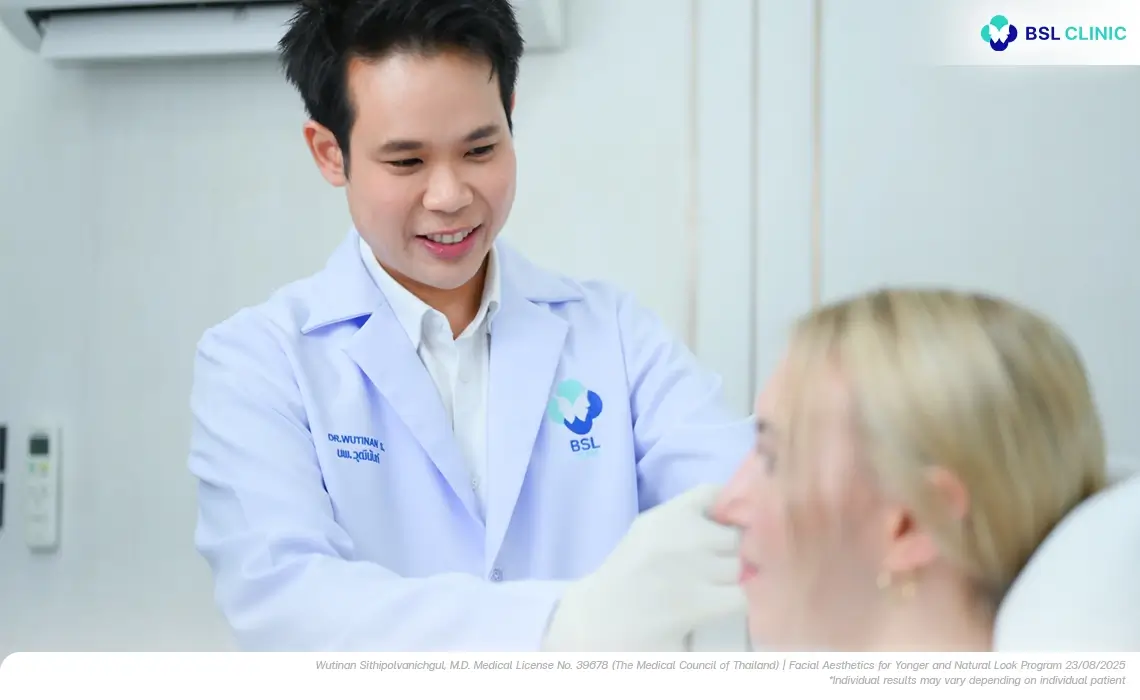
At BSL Clinic in Bangkok, the PicoWay Laser Program is designed with precision and care to support a wide range of skin concerns — from pigmentation and melasma to acne scars and fine lines.
Each treatment is thoughtfully planned, balancing technology with individualized assessment to suit your unique skin characteristics.
Yes. The PicoWay Program is commonly used for tattoo pigment removal, even multicolored or difficult tattoos. Multiple sessions are often required for best clearance.
Yes — it can help lighten pigmented birthmarks like café-au-lait spots or other brown-toned marks. Because the laser targets melanin, multiple sessions may be needed for deeper or long-standing pigment.
Most laser treatments, including Pico Laser, are avoided during pregnancy. You can resume sessions afterward with medical clearance.




Call Center : +66993438666
Whatsapp : +66620136667
Line ID : @bslclinic
bslclinic.com
BSL Clinic (Sukhumvit Branch)
Time Square Building Room 114 (Ground Floor). 246 Sukhumvit Road, Khlong Toei, Bangkok, Thailand 10110
Copyright © 2015 www.bslclinic.com All Rights Reserved.