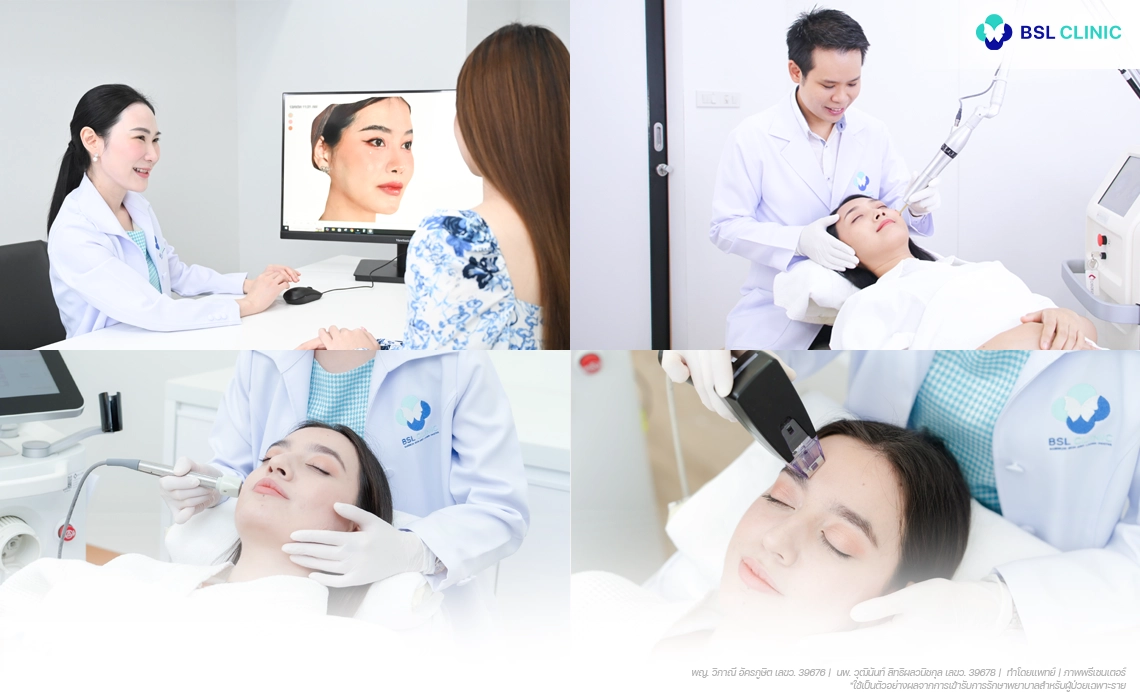
Skin Tag & Mole Removal Program
Comprehensive skin tag and mole care with gentle removal and personalized treatment at BSL Clinic Bangkok.
Explore This Topic:
- Recognizing Skin Tags, Milia, and Common Facial Bumps
- What Causes Skin Tags and Other Facial Bumps?
- Skin Tag and Mole Removal Methods: Why We Use CO₂ Laser
- How BSL Clinic Performs Precise Skin Tag Removal
- Eyelid Mole Removal with CO₂ Laser Precision
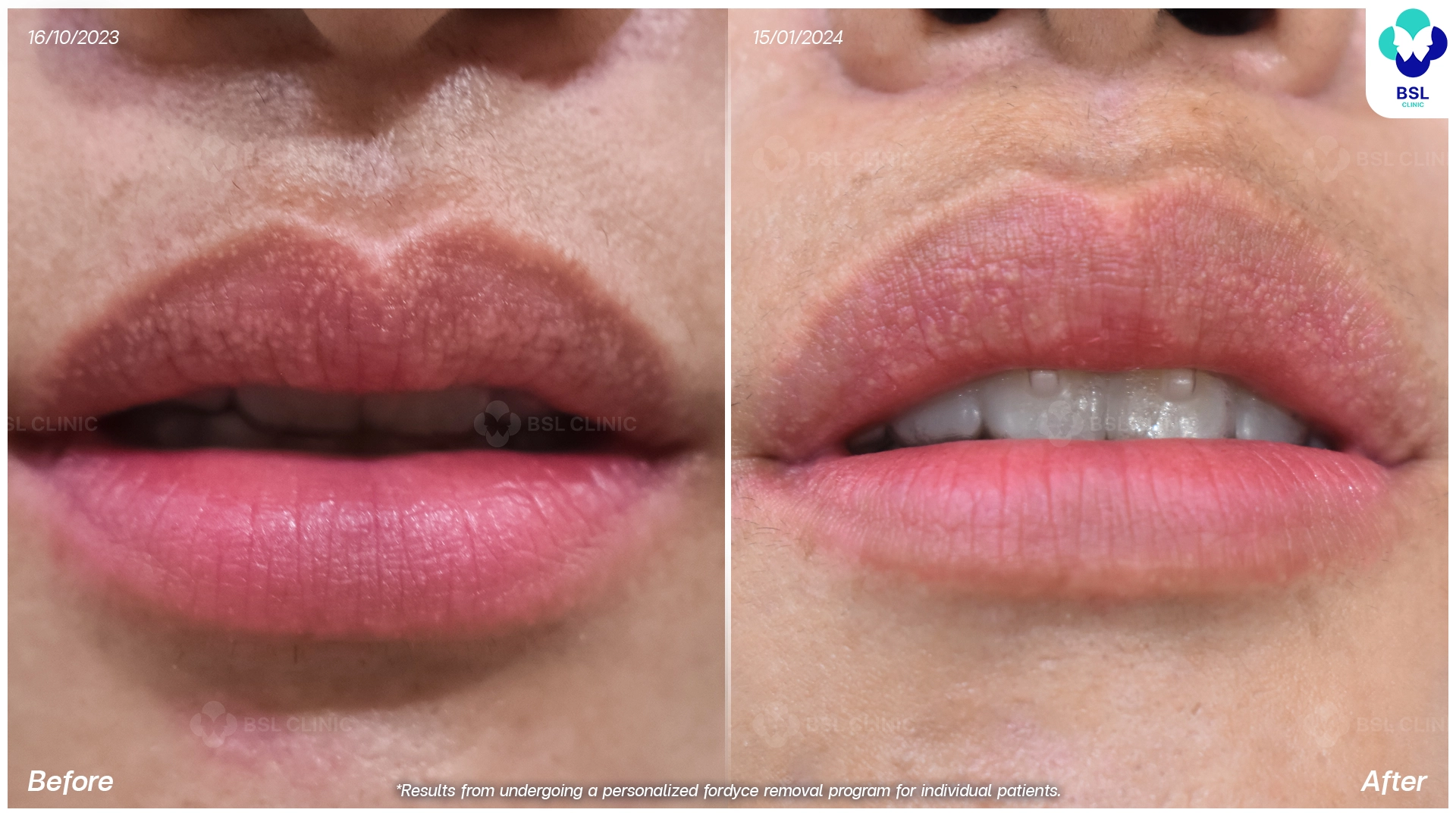
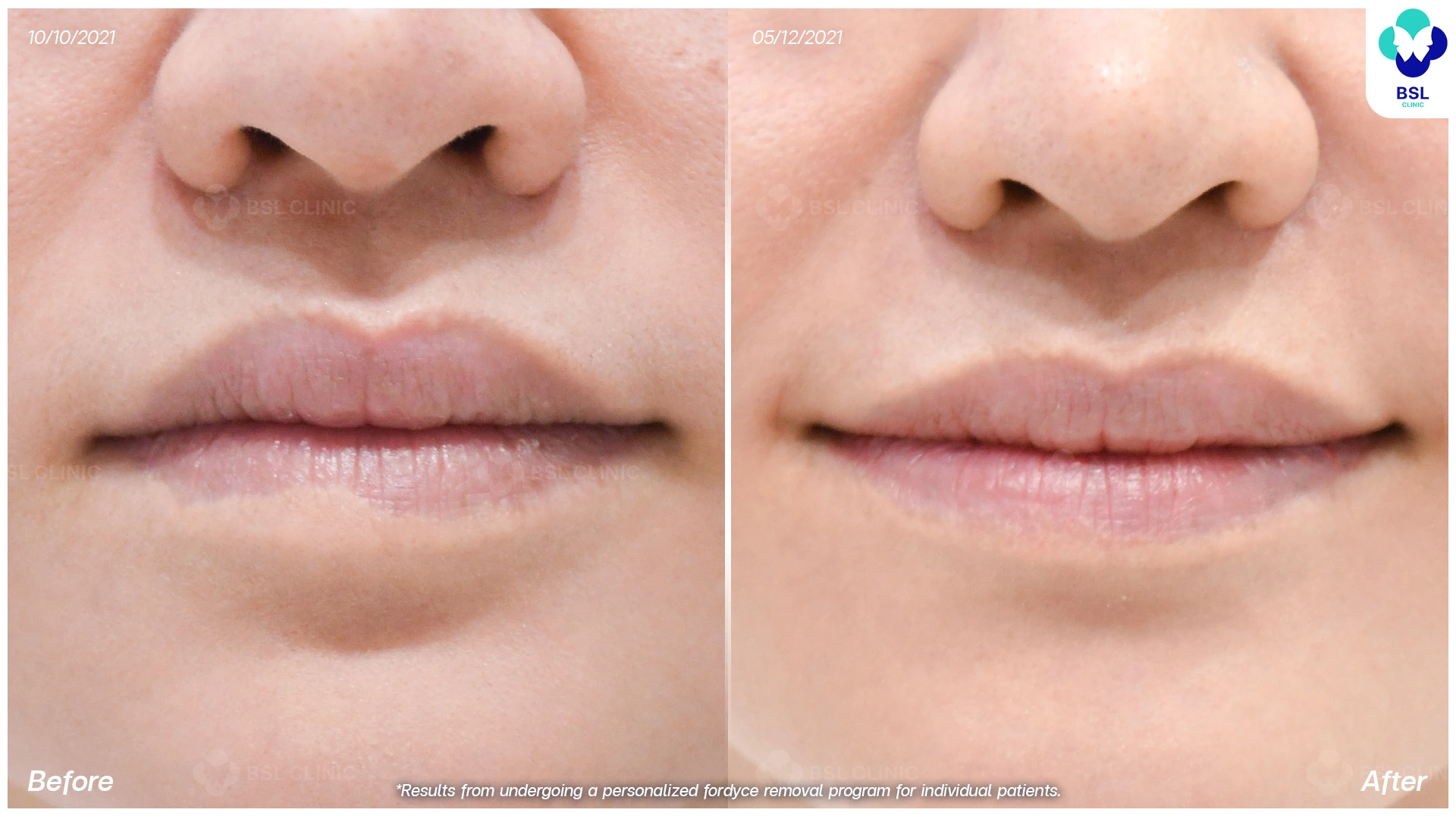
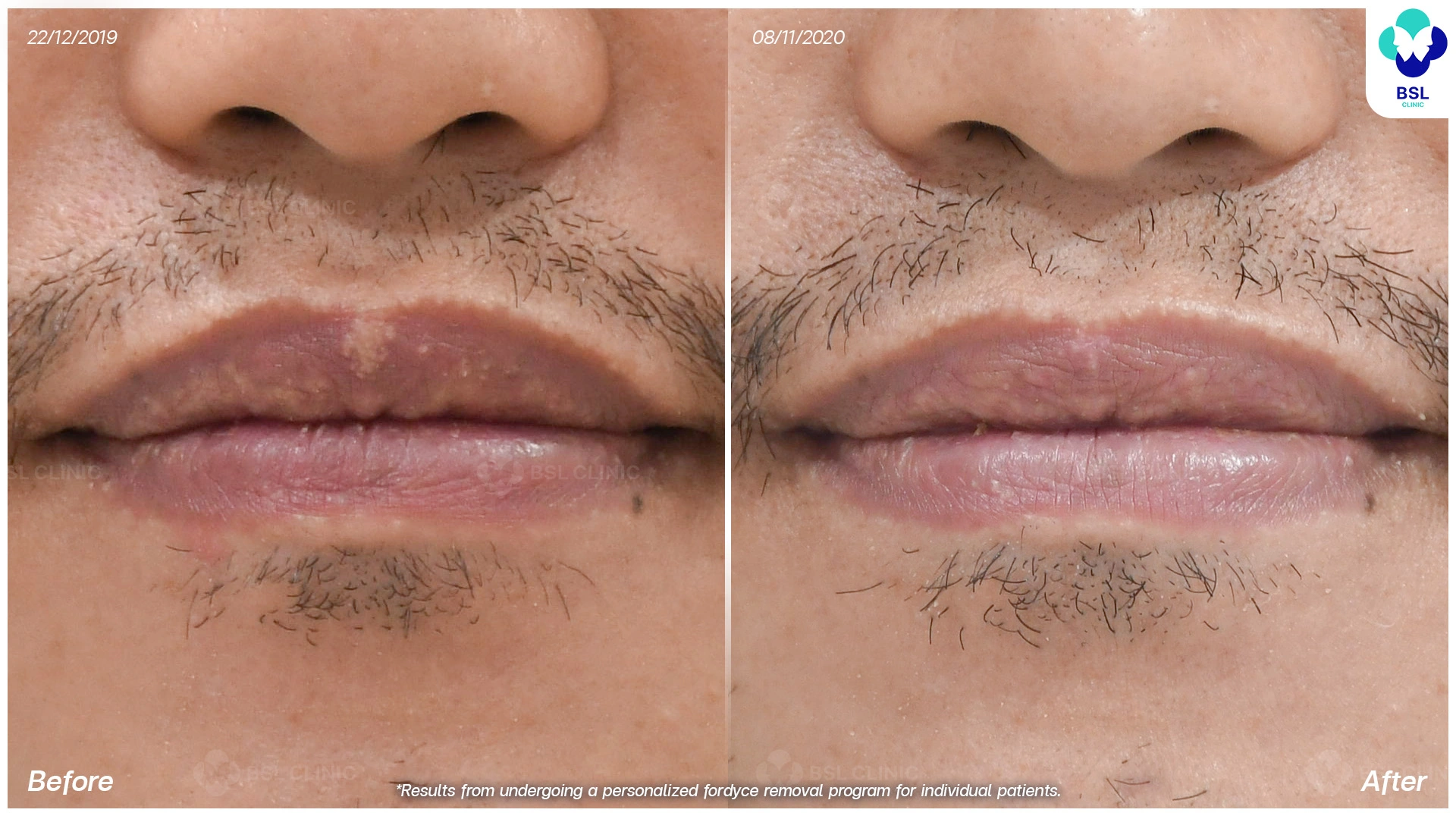
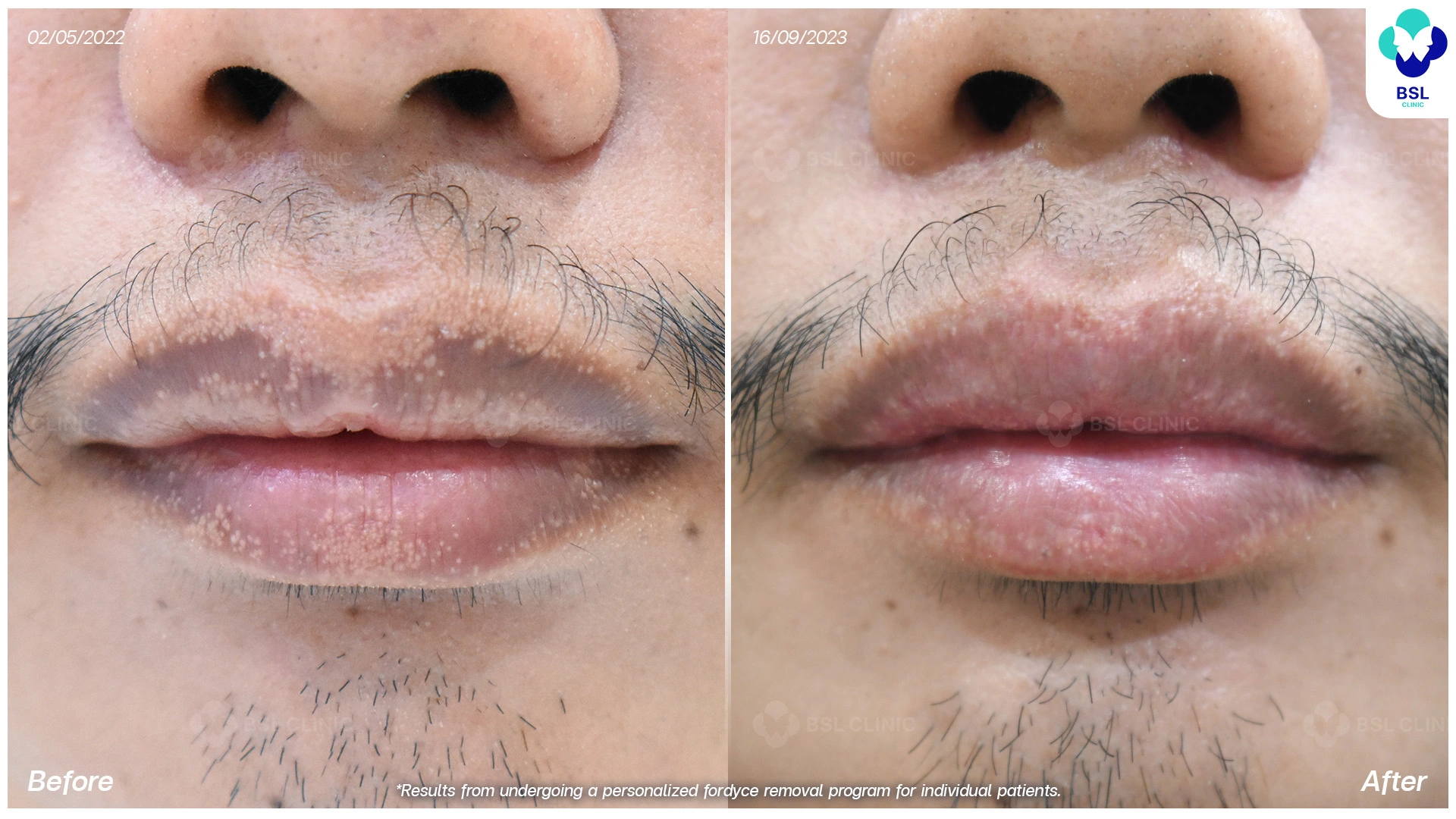
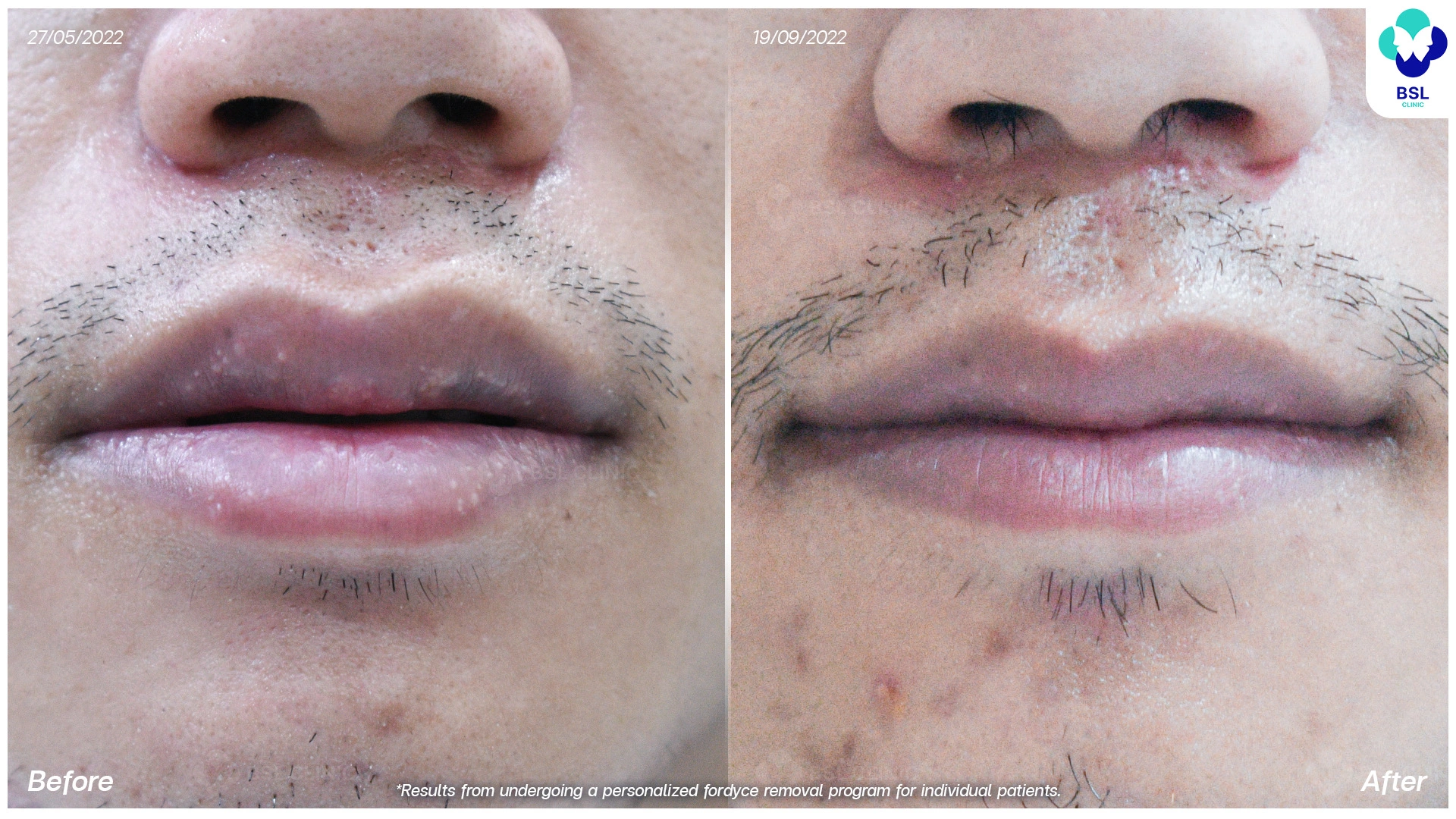
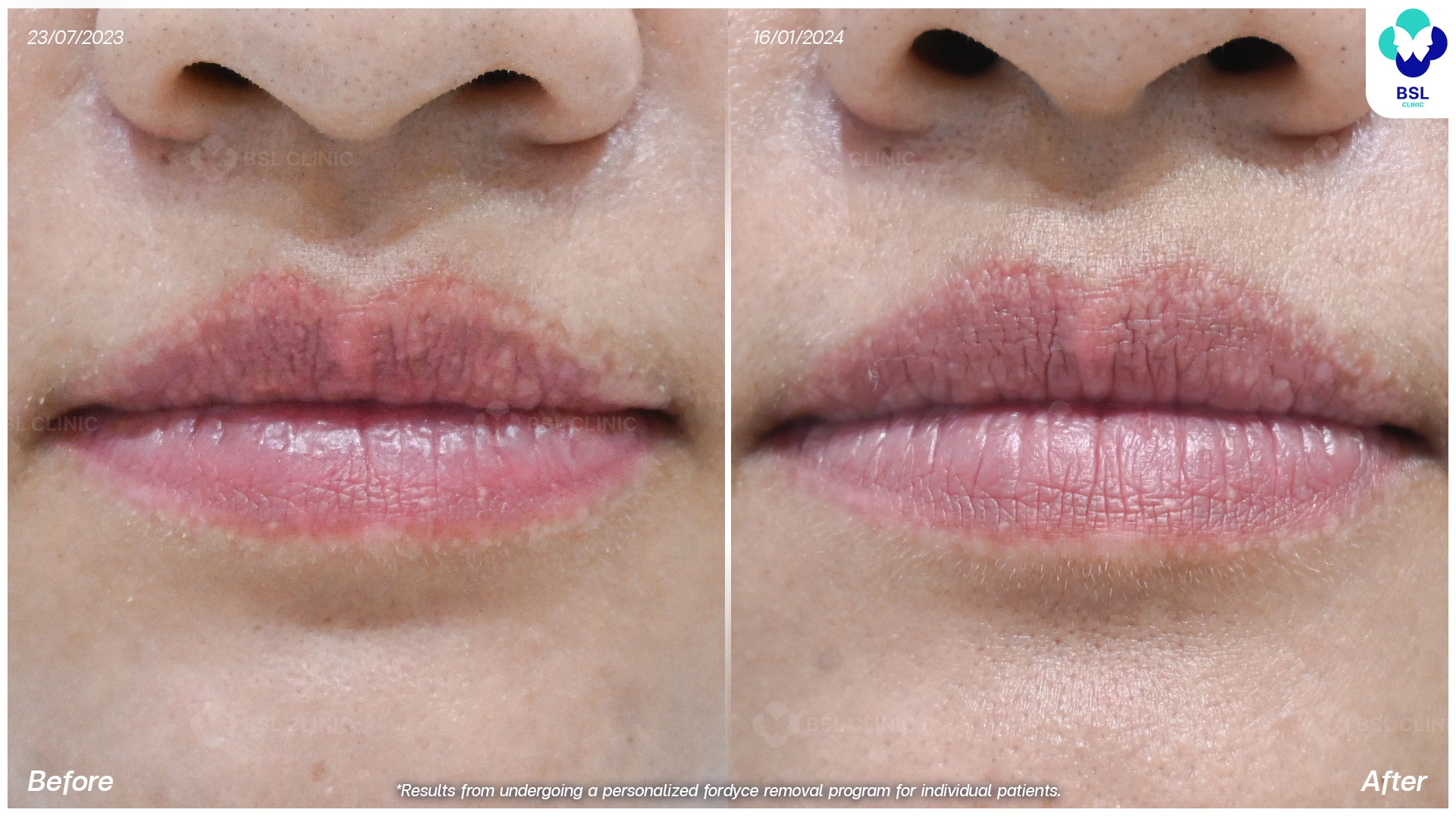
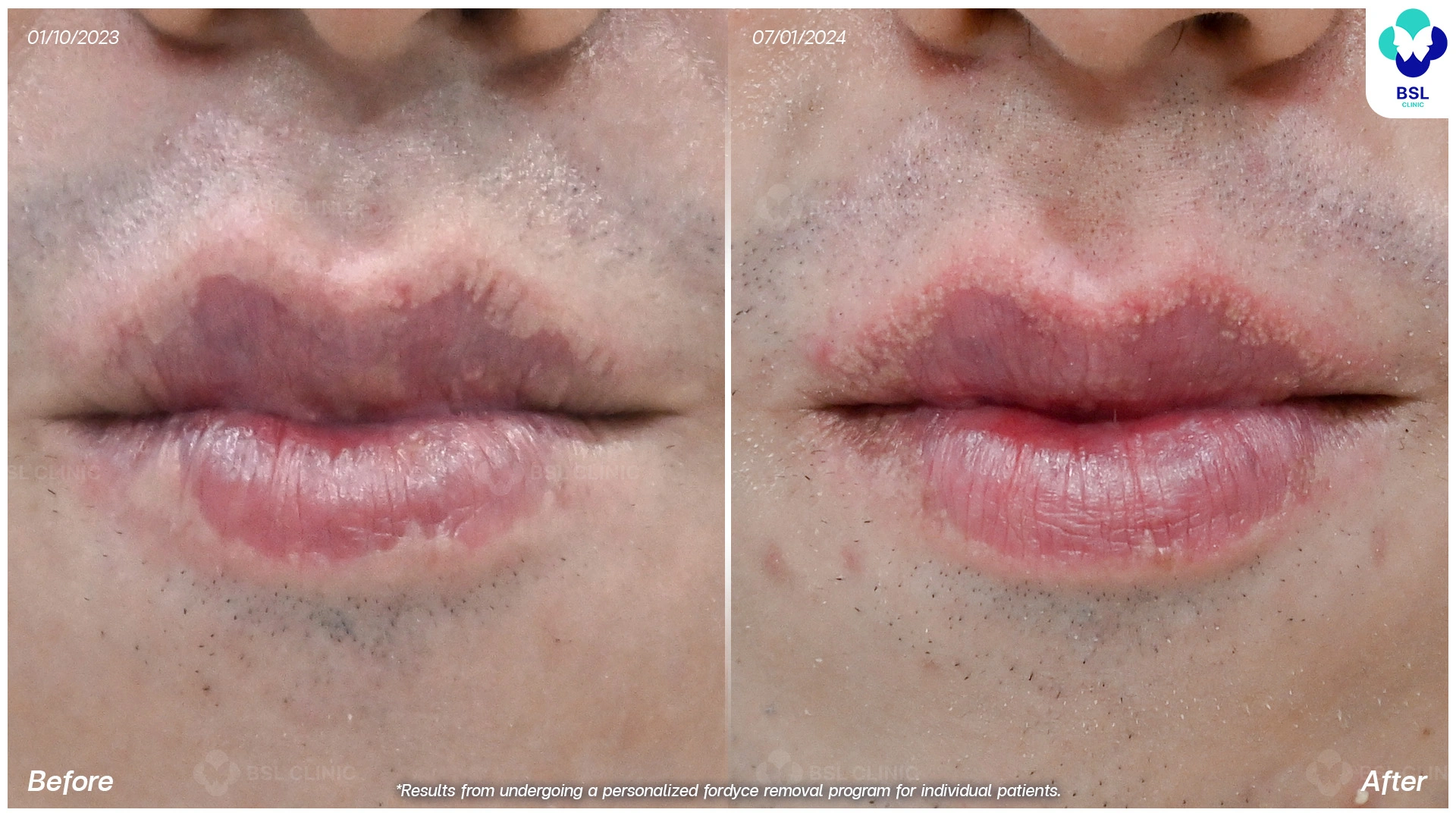
- Fordyce Spot Treatment with CO₂ Laser
- BSL Clinic’s Approach to Minimizing Scarring After CO₂ Laser Treatment
- Real Results: Seborrheic Keratosis and Skin Tag Removal
- FAQs: Skin Tag & Mole Removal You Should Know
Recognizing Skin Tags, Milia, and Common Facial Bumps
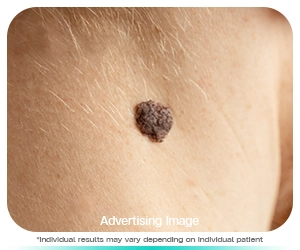
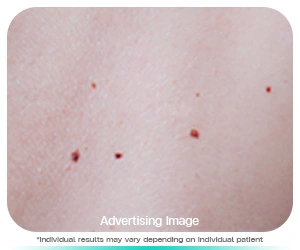
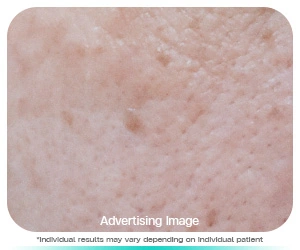
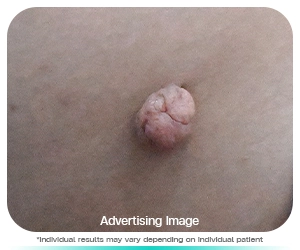
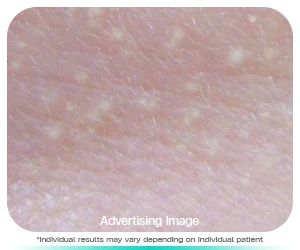
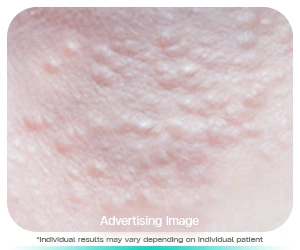
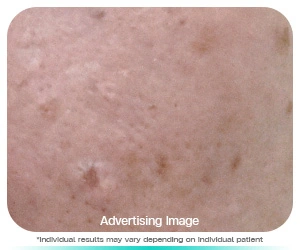
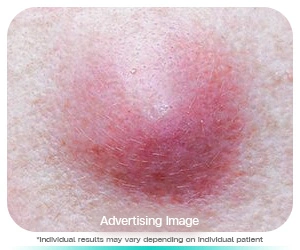
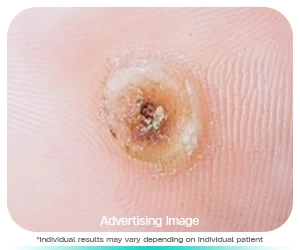
Many people develop small skin lesions such as skin tags, moles, melanocytic nevi, milia, sebaceous gland hyperplasia, syringomas, warts, or Fordyce spots. While most of these are harmless, they can become bothersome when they appear on visible areas like the face, neck, or lips. At BSL Clinic, CO2 laser is used to gently and precisely remove various types of skin growths. Below are some of the most commonly treated conditions seen in our clinical practice.

Recognizing Skin Tags, Milia, and Common Facial Bumps
Many people develop small skin lesions such as skin tags, moles, melanocytic nevi, milia, sebaceous gland hyperplasia, syringomas, warts, or Fordyce spots. While most of these are harmless, they can become bothersome when they appear on visible areas like the face, neck, or lips. At BSL Clinic, CO₂ laser is used to gently and precisely remove various types of skin growths. Below are some of the most commonly treated conditions seen in our clinical practice.

What Causes Skin Tags and Other Facial Bumps?
The causes of common facial bumps and skin growths can vary widely. Some arise due to friction or hormonal changes, while others are linked to genetics, sun exposure, viral infections, or clogged pores. Understanding these underlying factors can help guide appropriate treatment options.
Skin Tag and Mole Removal Methods: Why We Use CO₂ Laser
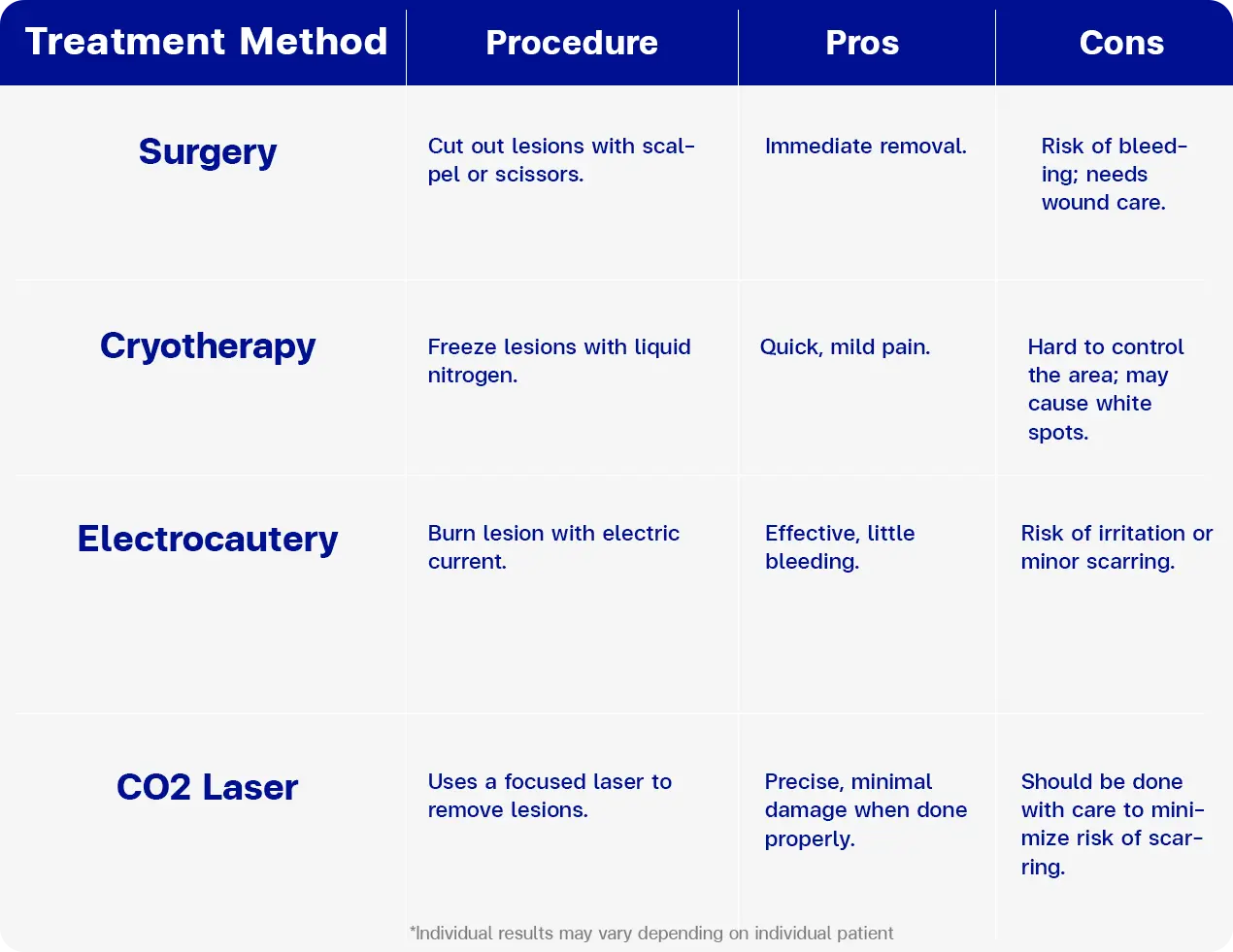
There are several ways to remove skin tags, moles, and other benign skin lesions. Each method has its own pros and cons depending on the lesion type, size, and location. The table below compares commonly used removal techniques and highlights why BSL Clinic chooses CO₂ laser for precision and optimal results.
How BSL Clinic Performs Precise Skin Tag Removal
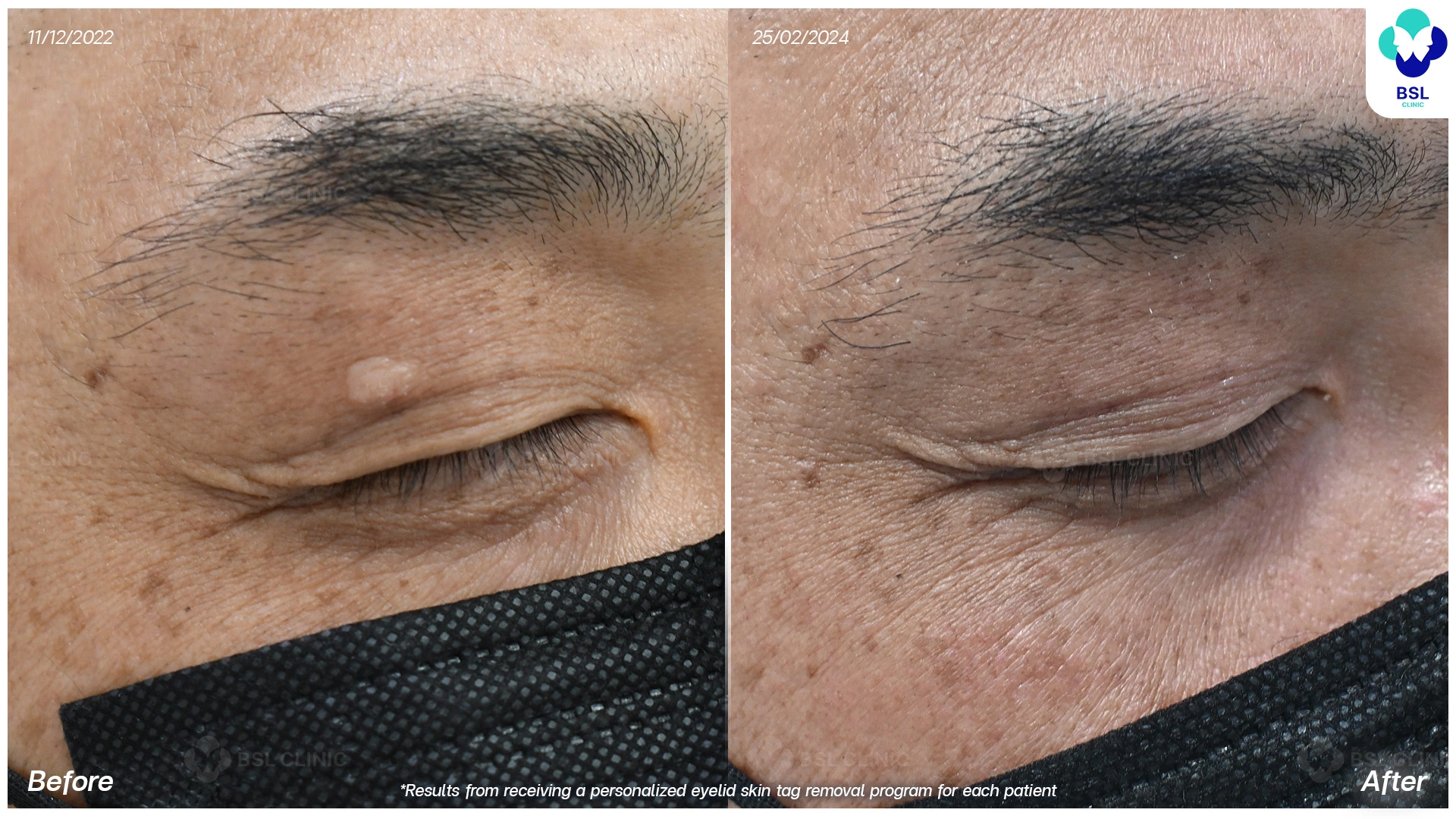
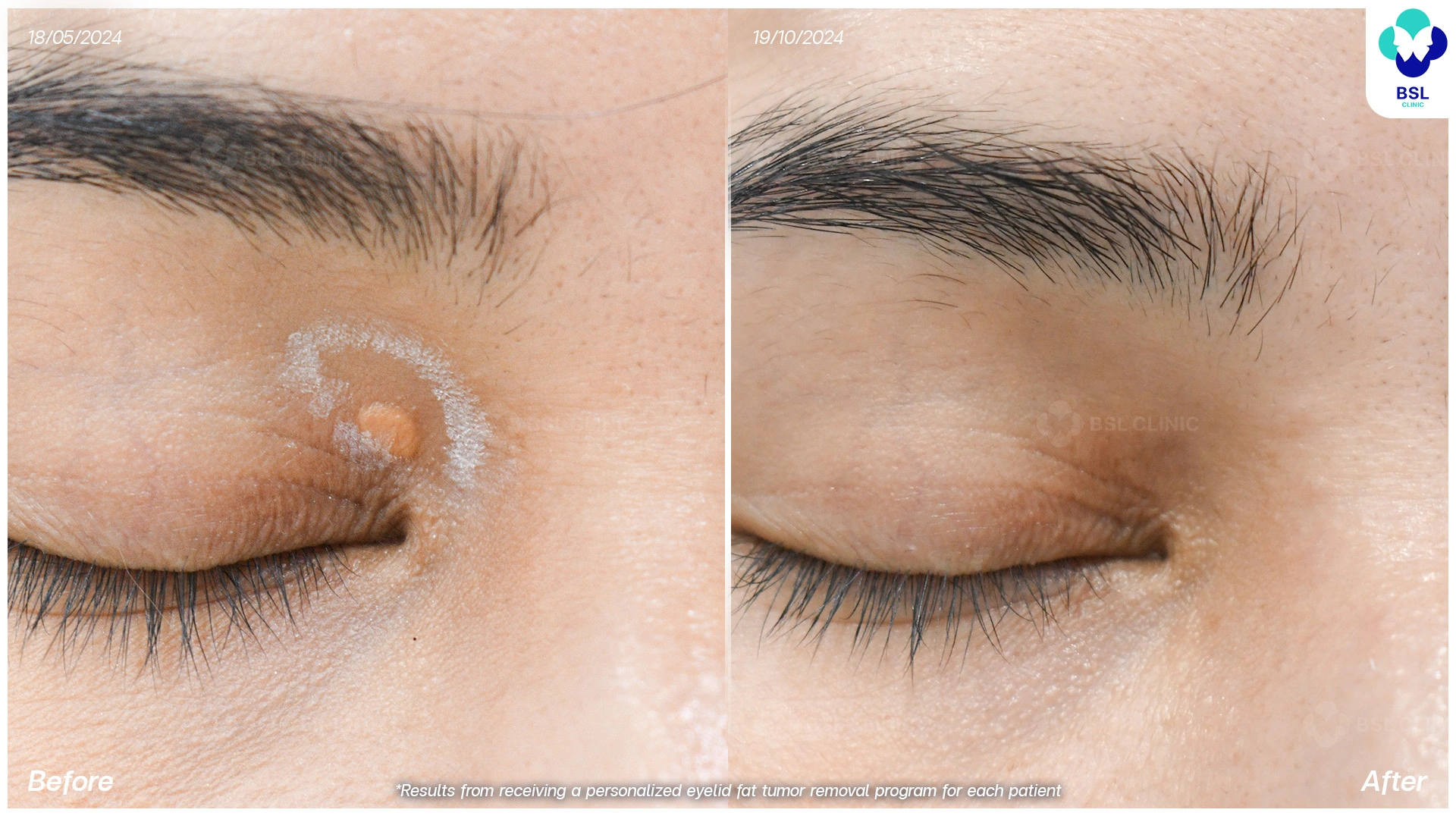
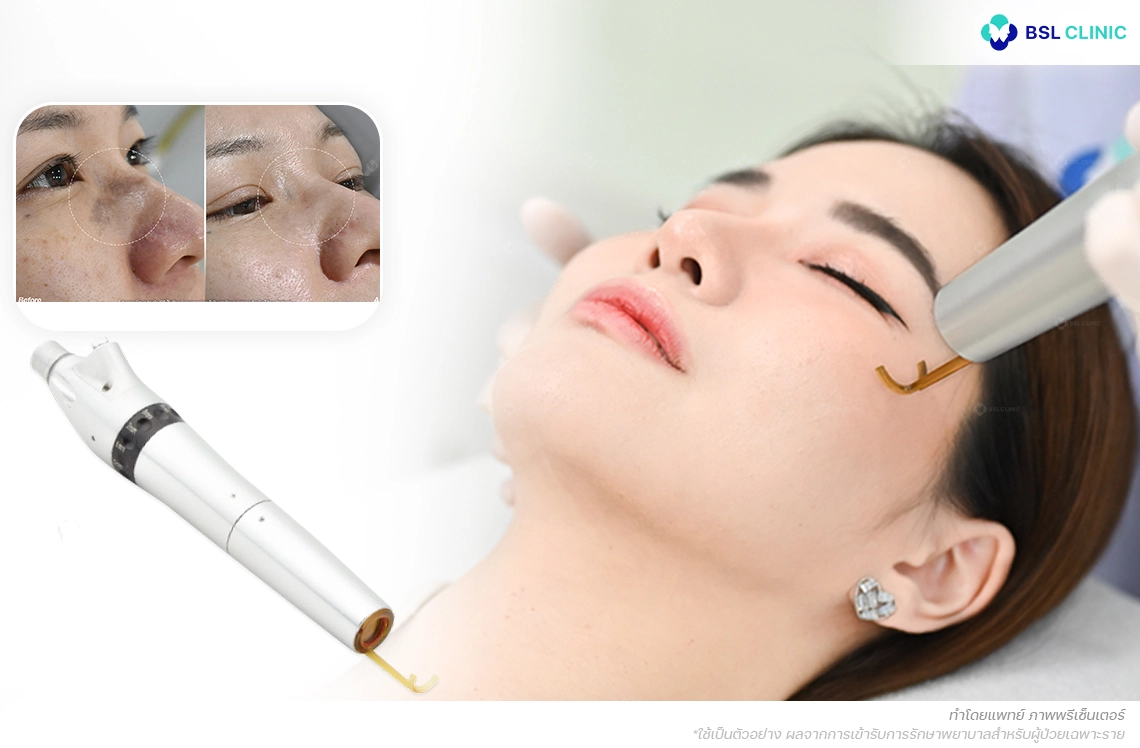
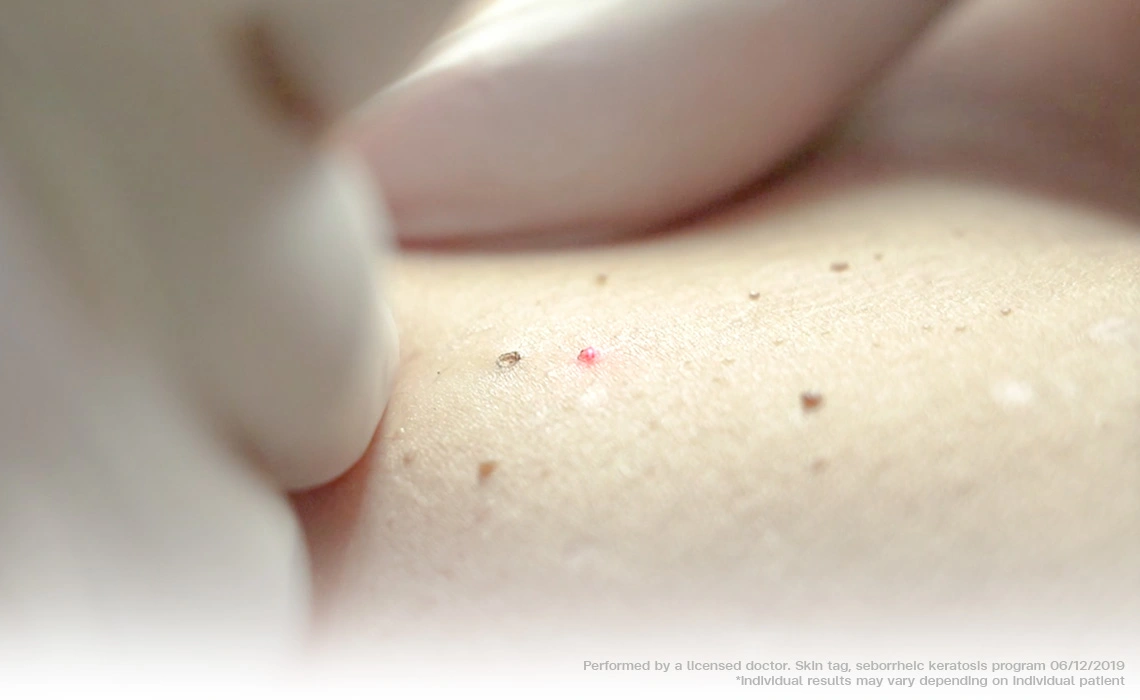
At BSL Clinic, skin tag removal is performed using a CO₂ laser with a point-by-point technique. Each lesion is treated individually, allowing control over the depth and direction of energy applied. This approach supports consistent results while minimizing unnecessary impact on the surrounding skin.
1. One Tag at a Time
The laser is used to carefully treat each growth with precision. This selective targeting helps keep the rest of the skin undisturbed and allows the practitioner to monitor the treatment zone throughout the procedure.
2. Adjustable Energy and Coverage
Laser settings are adjusted based on the size, thickness, and location of each lesion. This flexibility is especially useful when working in narrow or curved areas, such as near the eyes, underarms, or along skin folds.
3. Reduces Impact on Surrounding Skin
By using controlled light energy, the approach can help reduce excessive heat exposure. This may lead to smoother recovery and a lower chance of visible marks when compared to less targeted techniques.
4. Applied in Delicate Zones
The point-by-point technique is suitable for multiple areas, including:
- Eyelid margins
- Neck folds
- Chest and groin creases
- Lips and surrounding areas
5. Not Just for Skin Tags
While this technique is commonly used for skin tags, it can also be adapted to treat other minor skin lesions. These include:
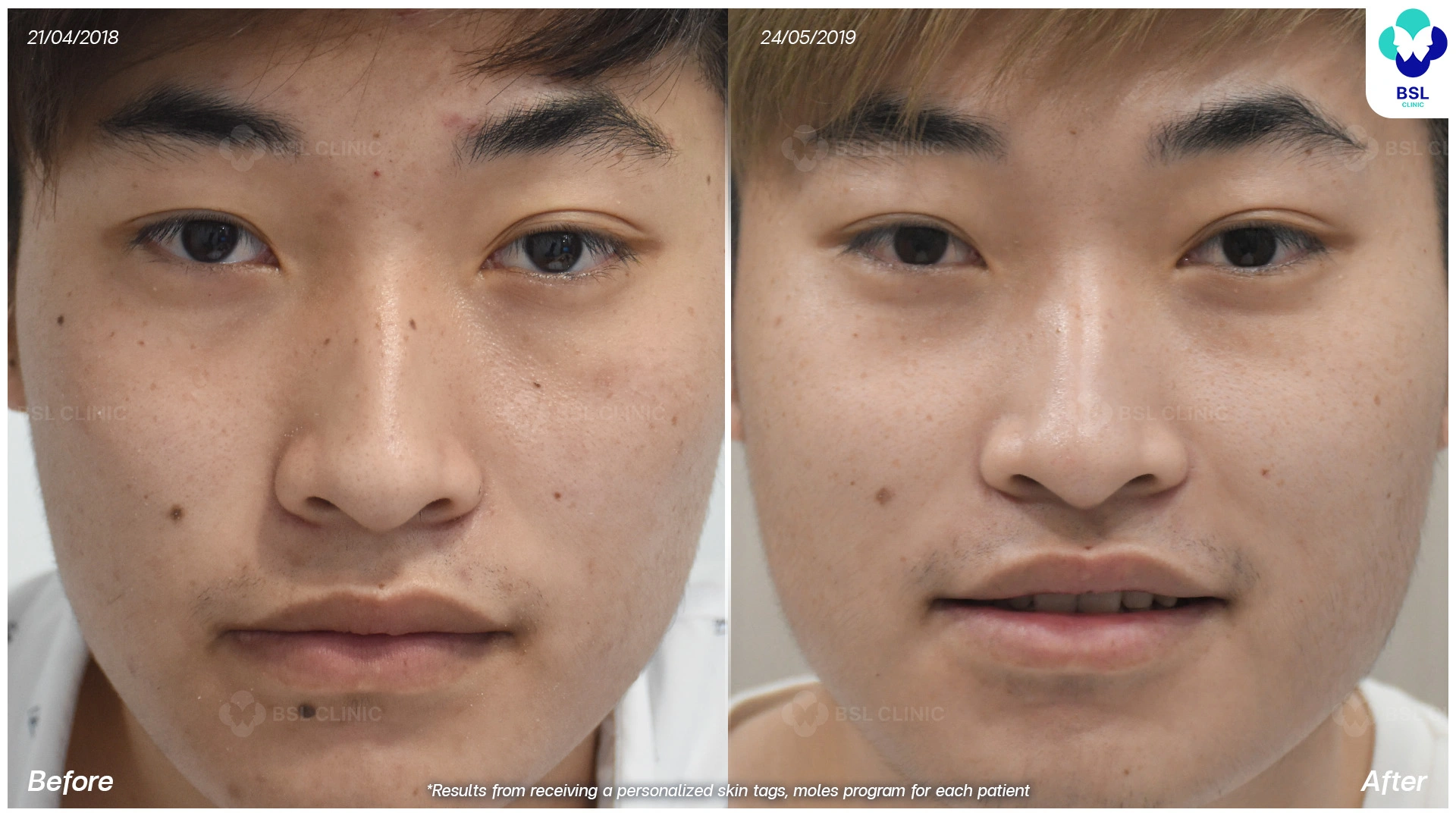
- Moles and melanocytic nevi
- Milia and syringomas
- Sebaceous gland hyperplasia
- Seborrheic keratosis
- Warts
- Fordyce spots
Treatment is tailored by adjusting laser parameters according to the nature and area of each skin growth.
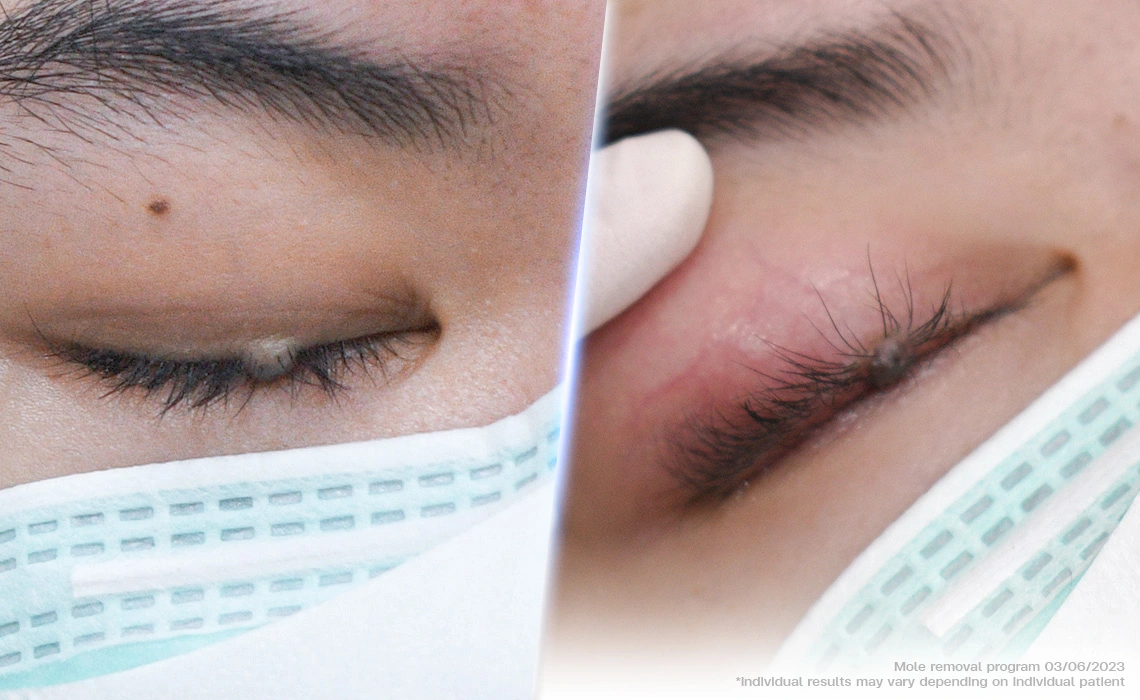
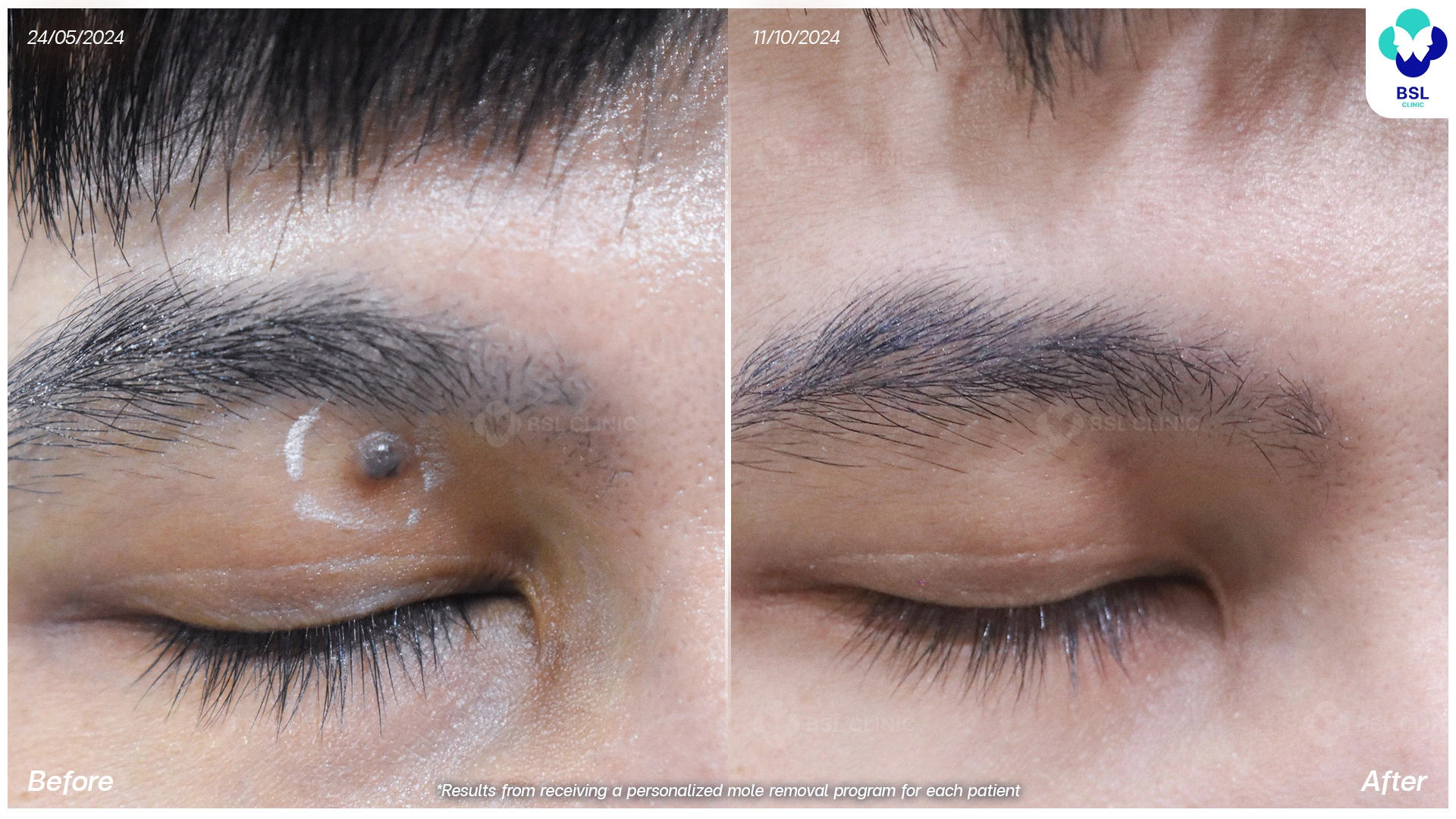
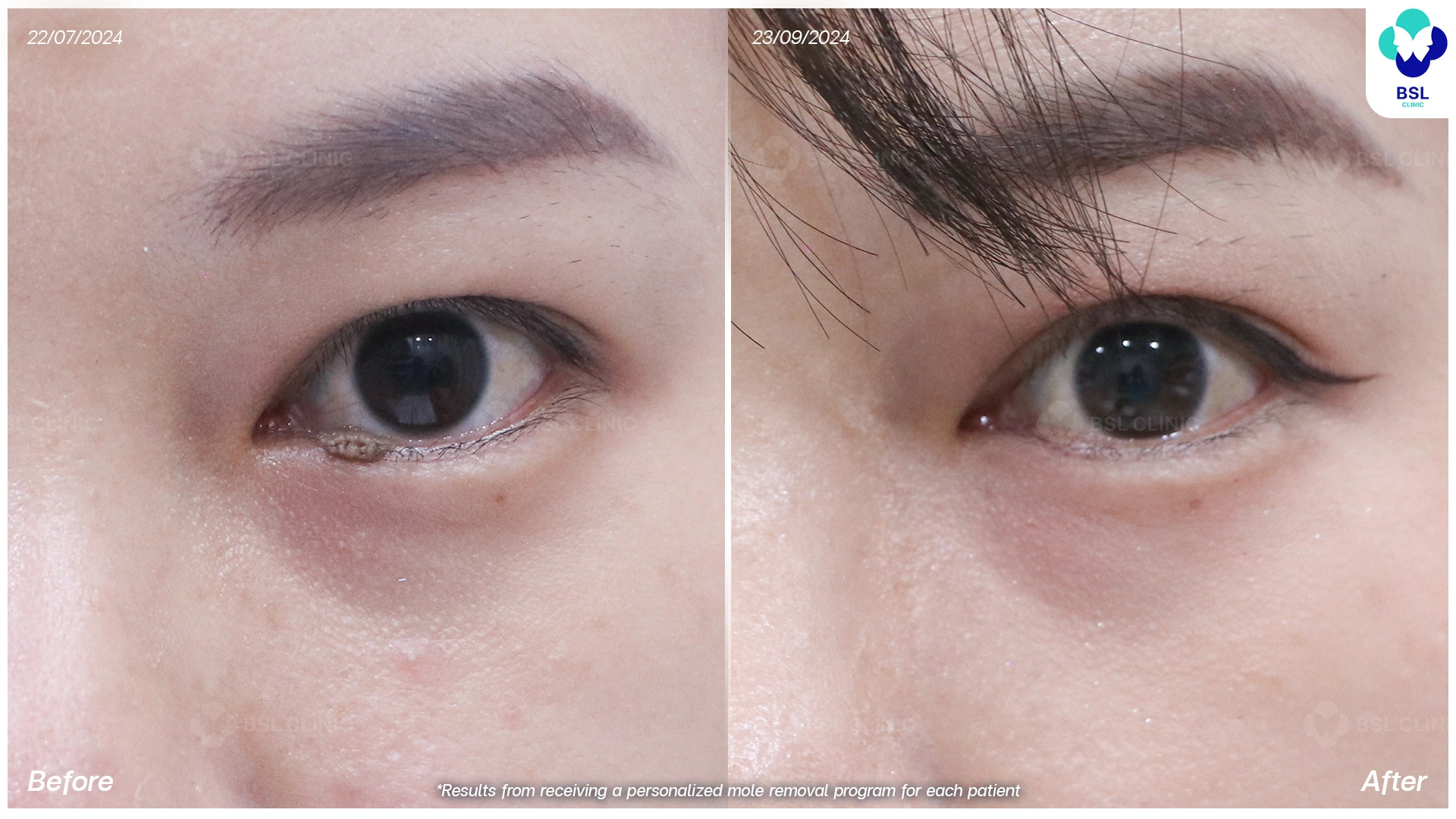
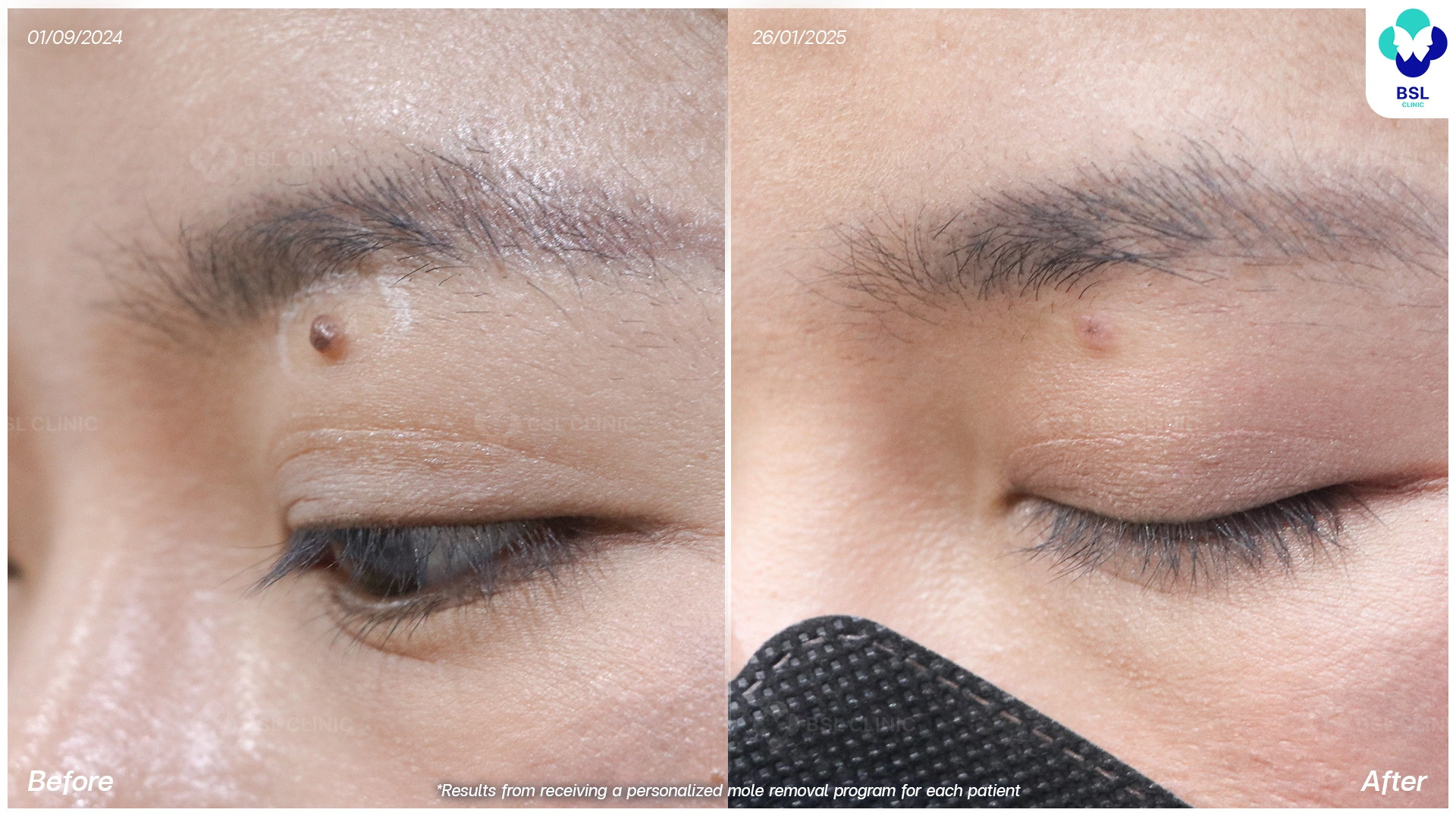
Eyelid Mole Removal with CO₂ Laser Precision
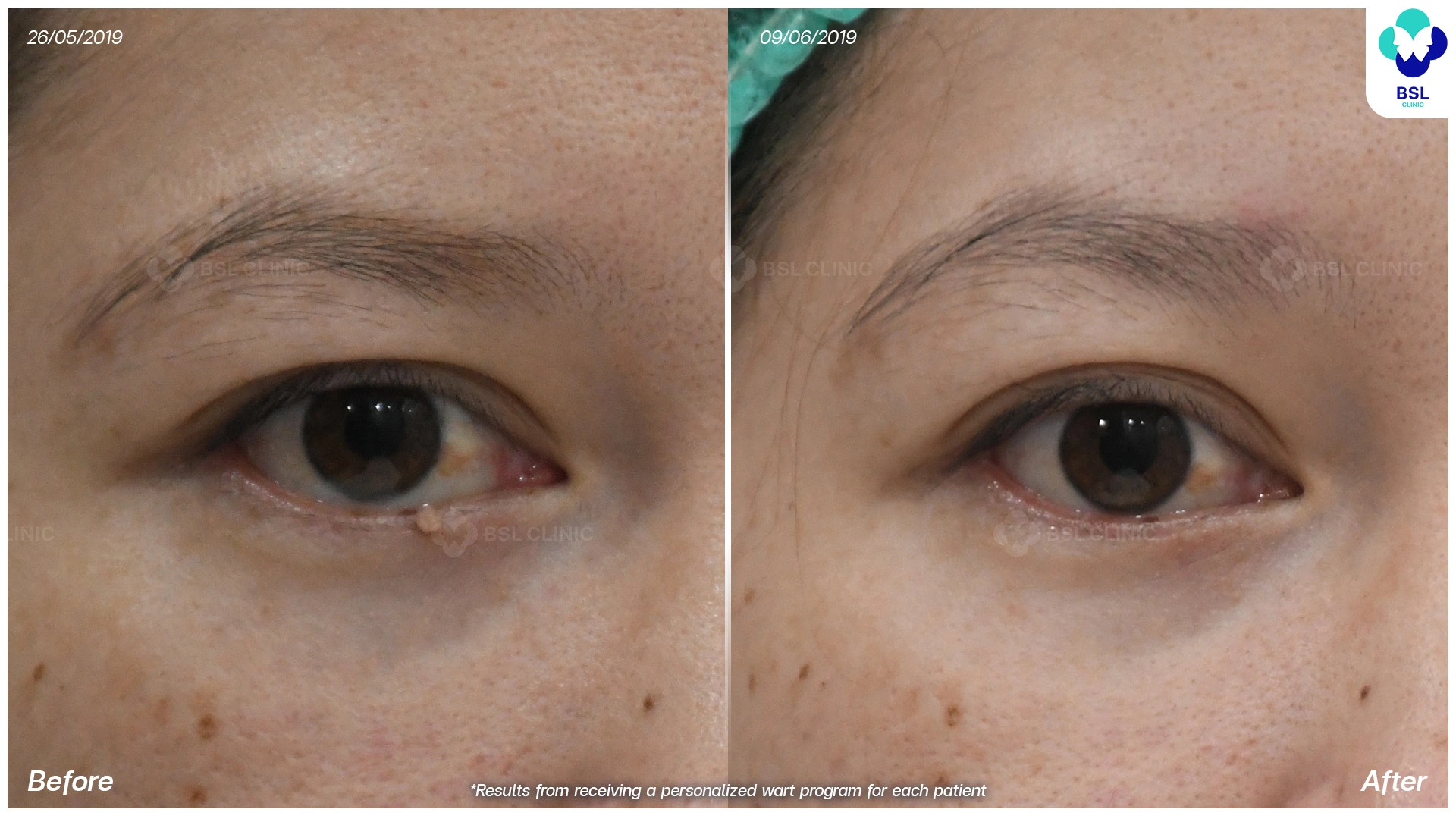
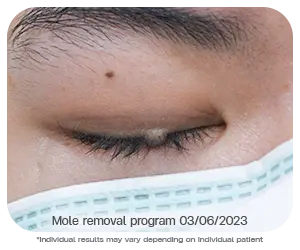
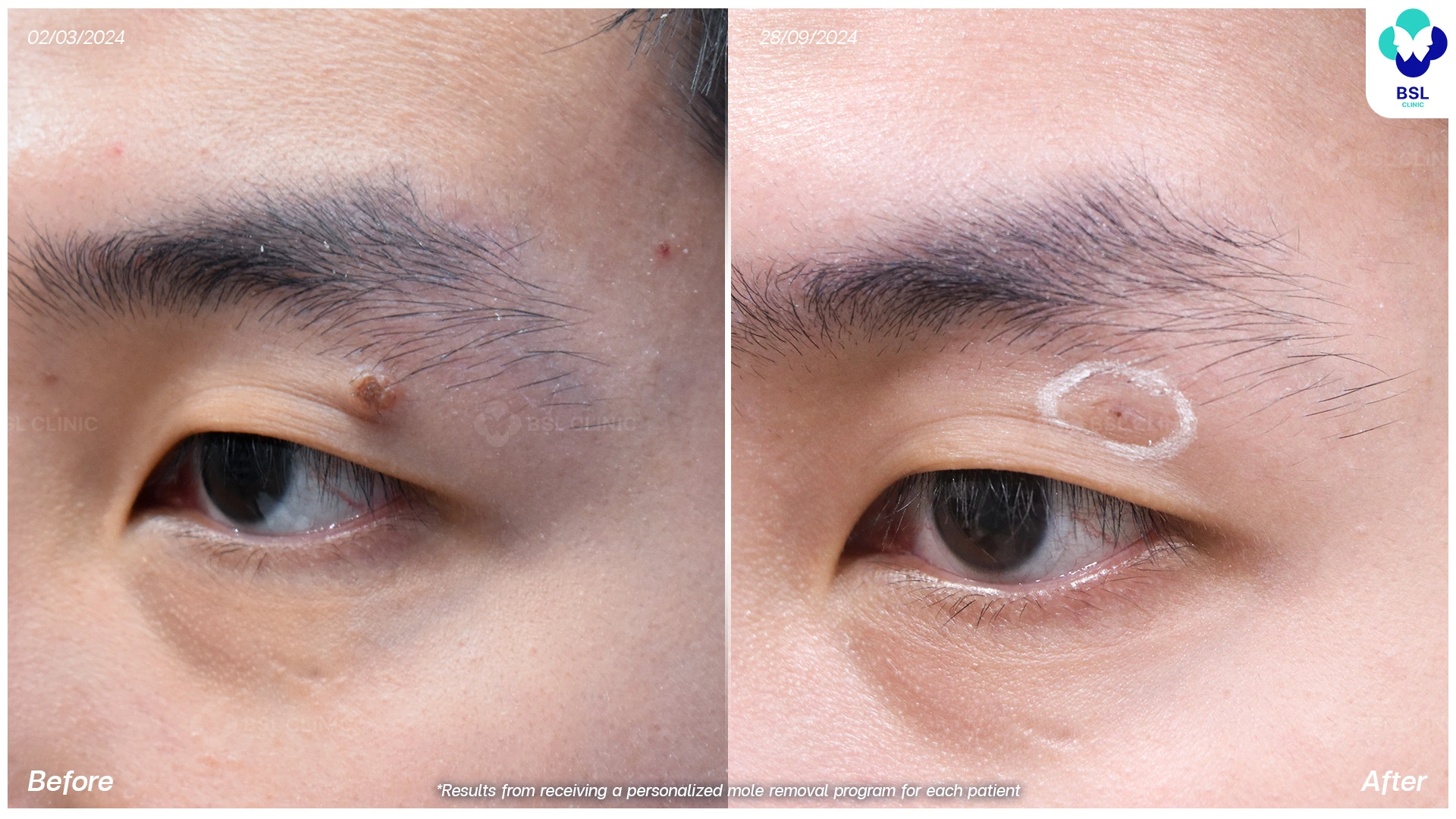
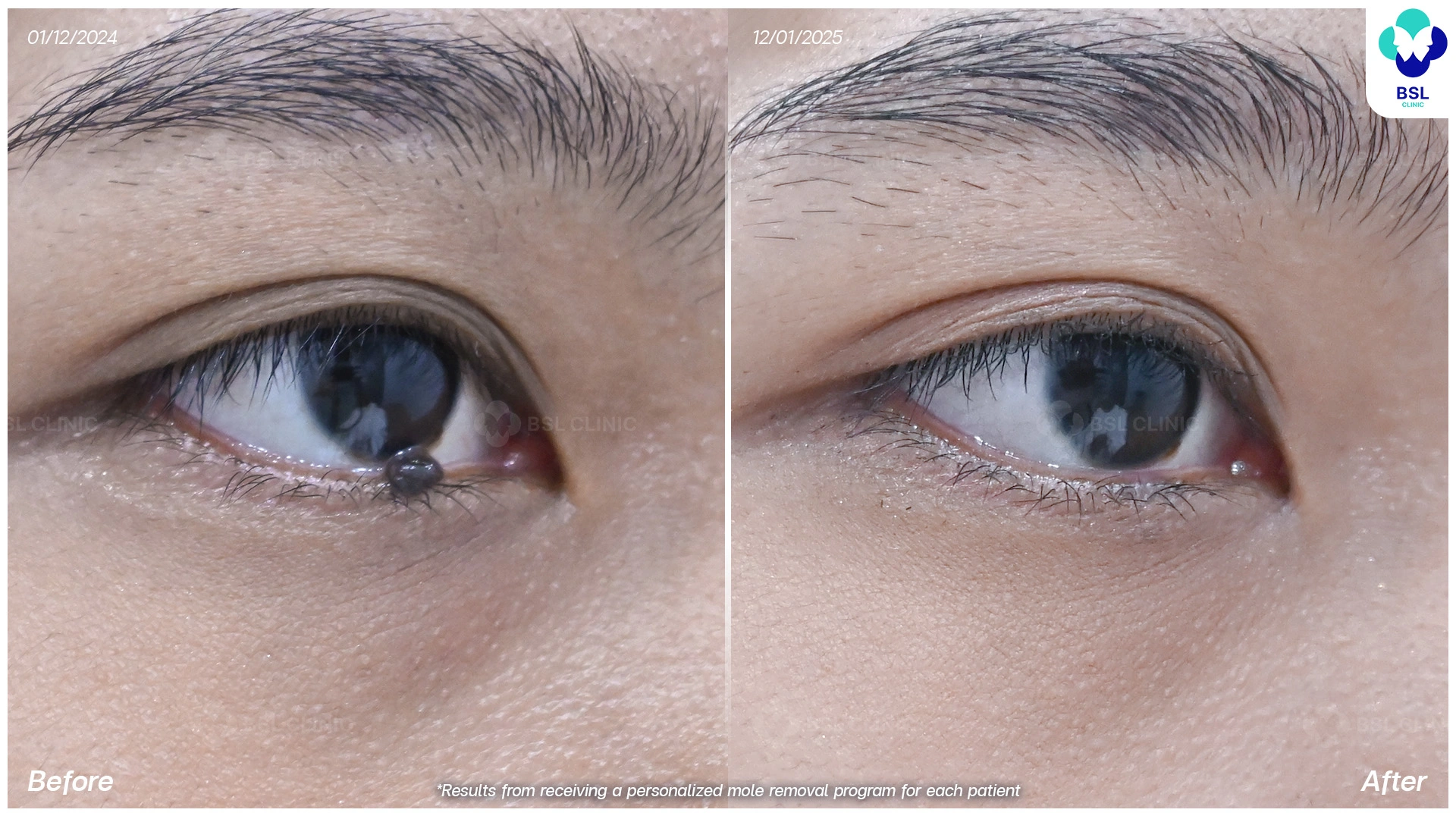
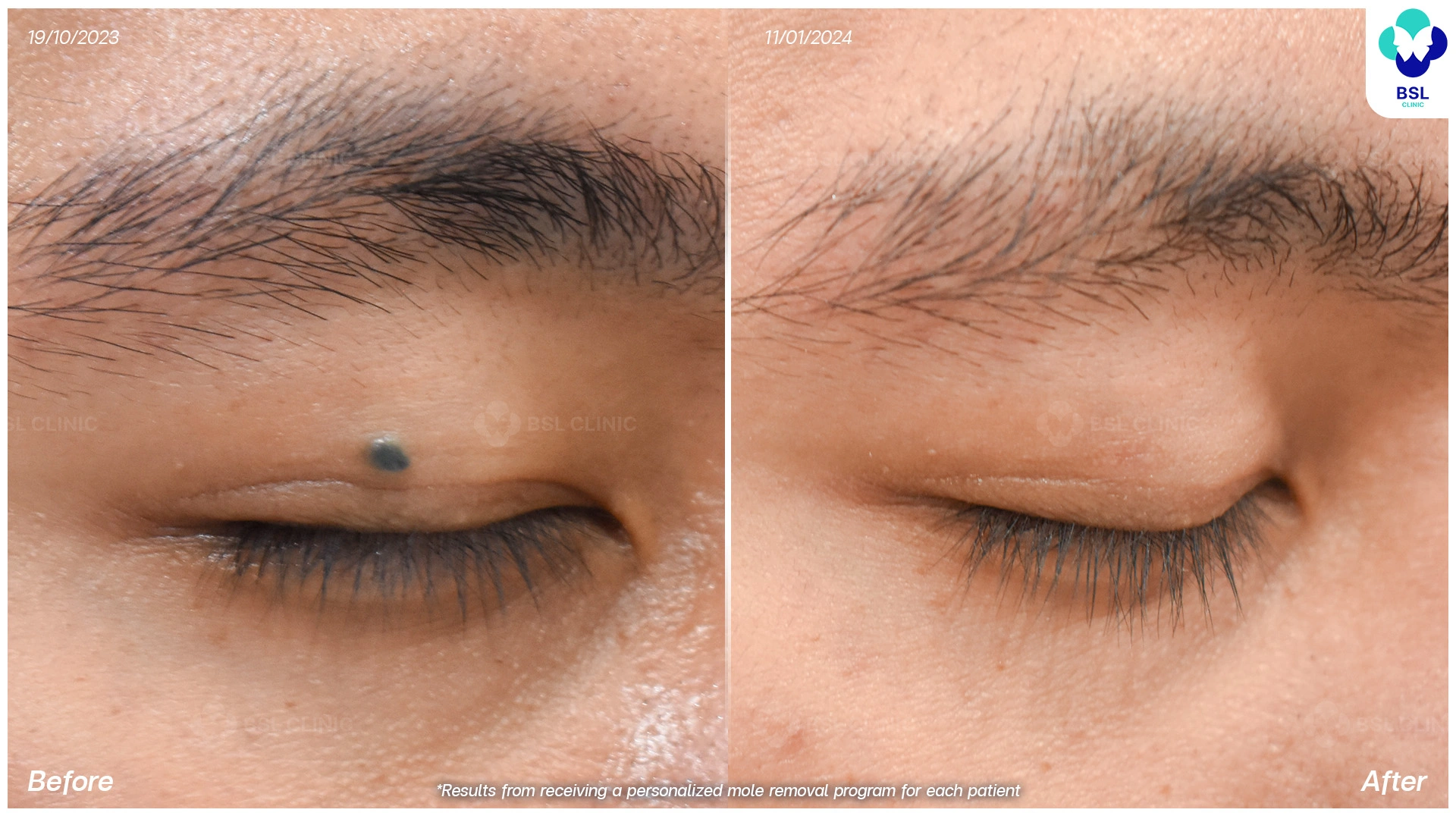
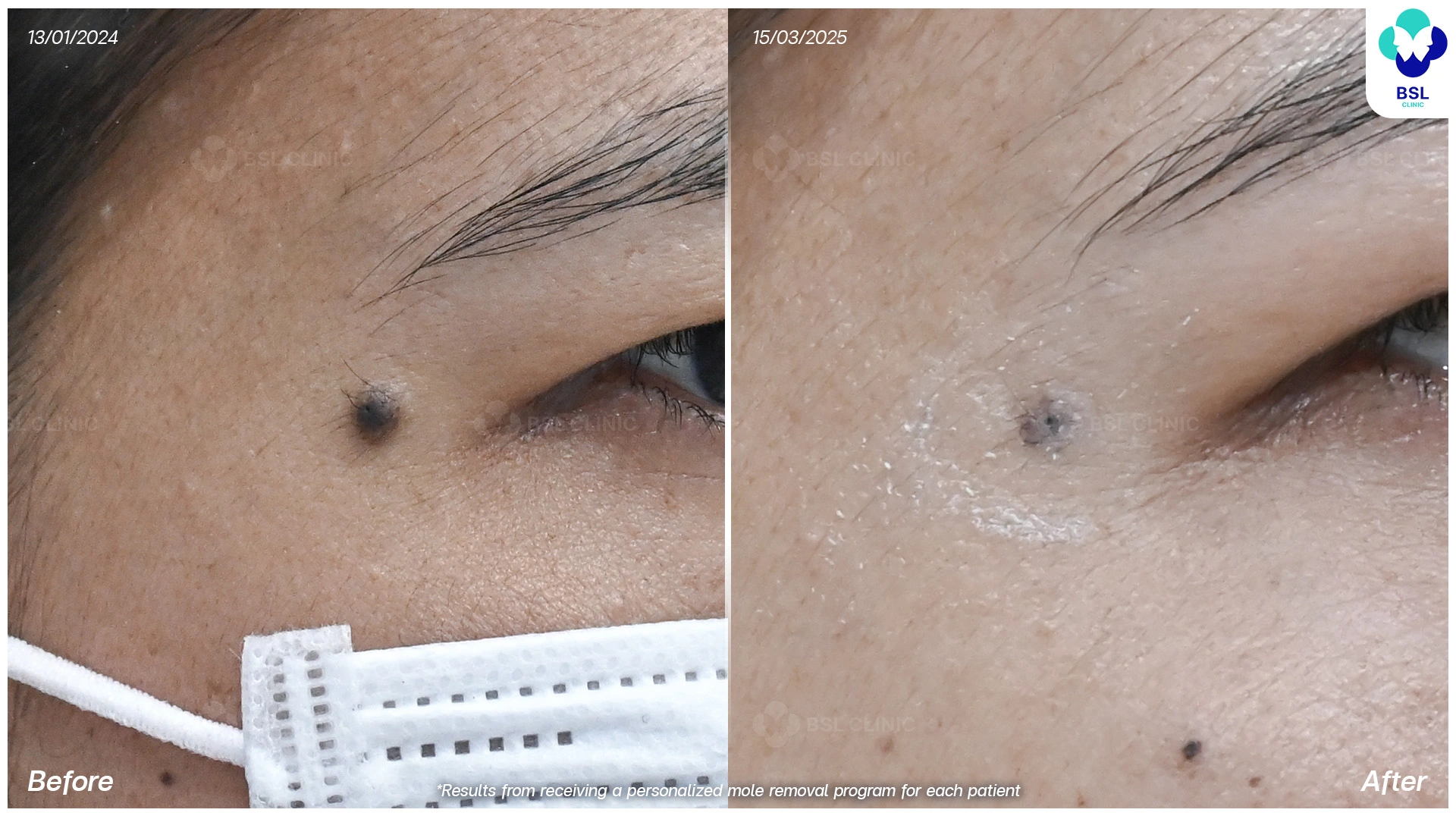
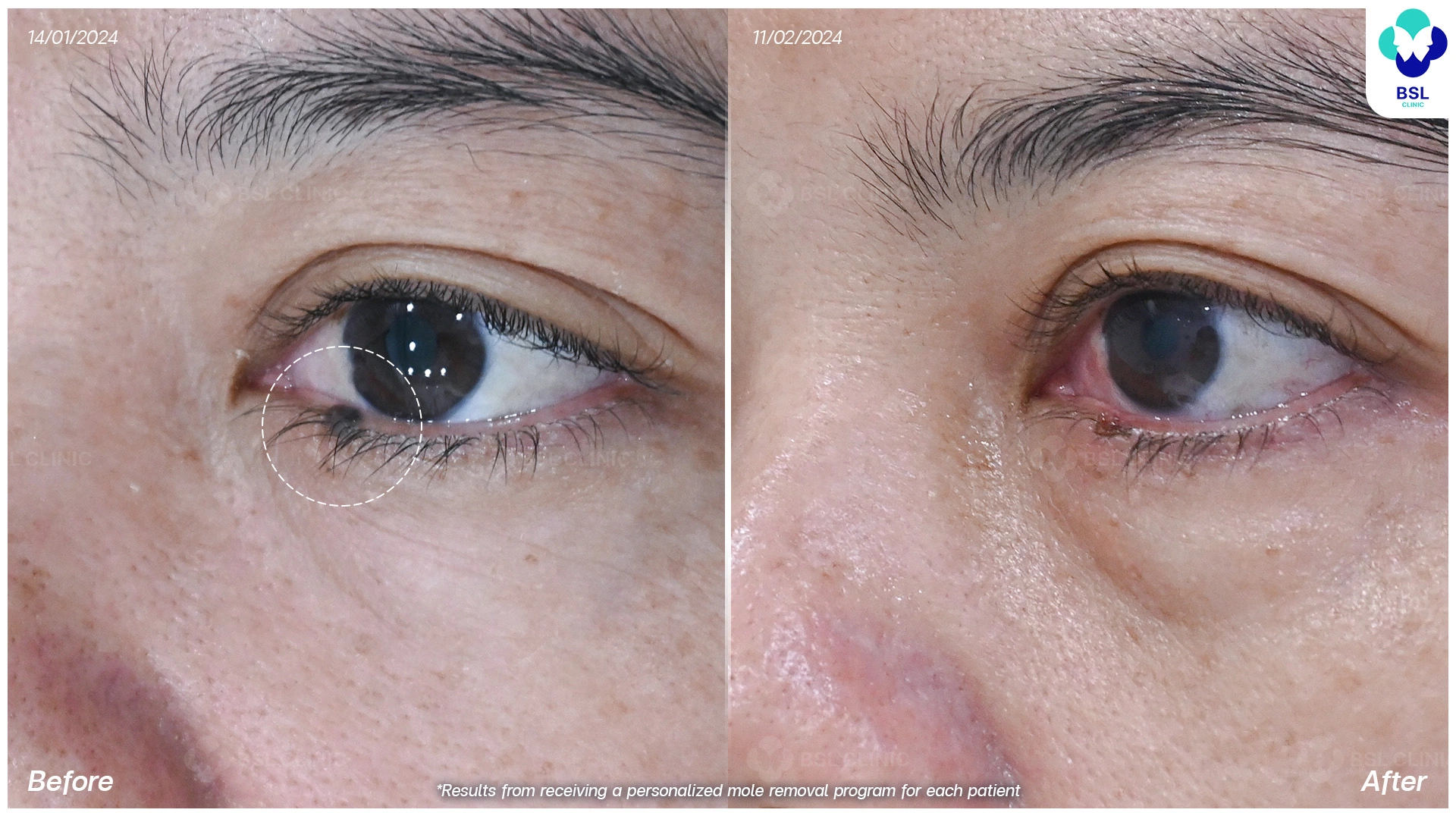
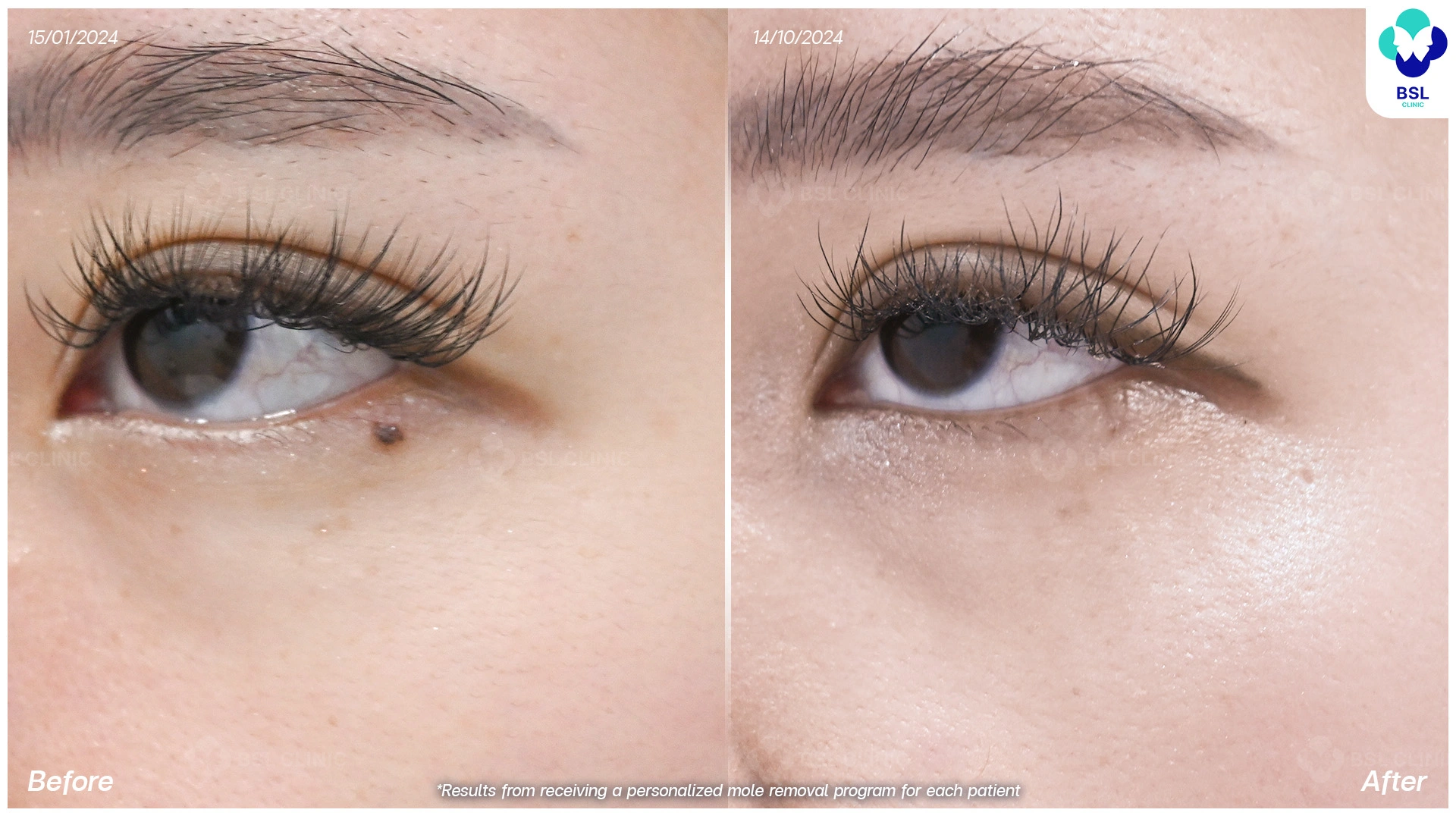
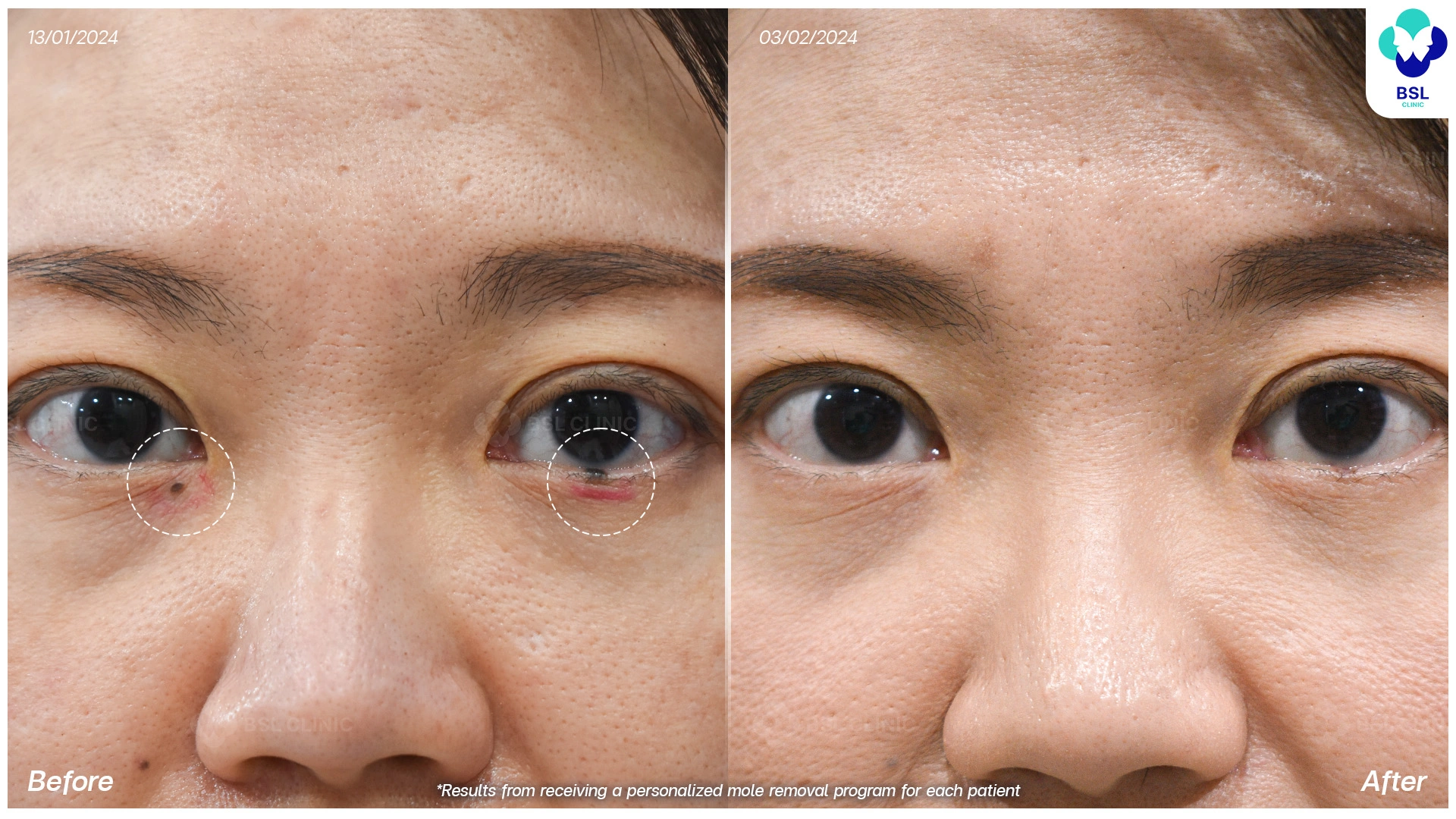
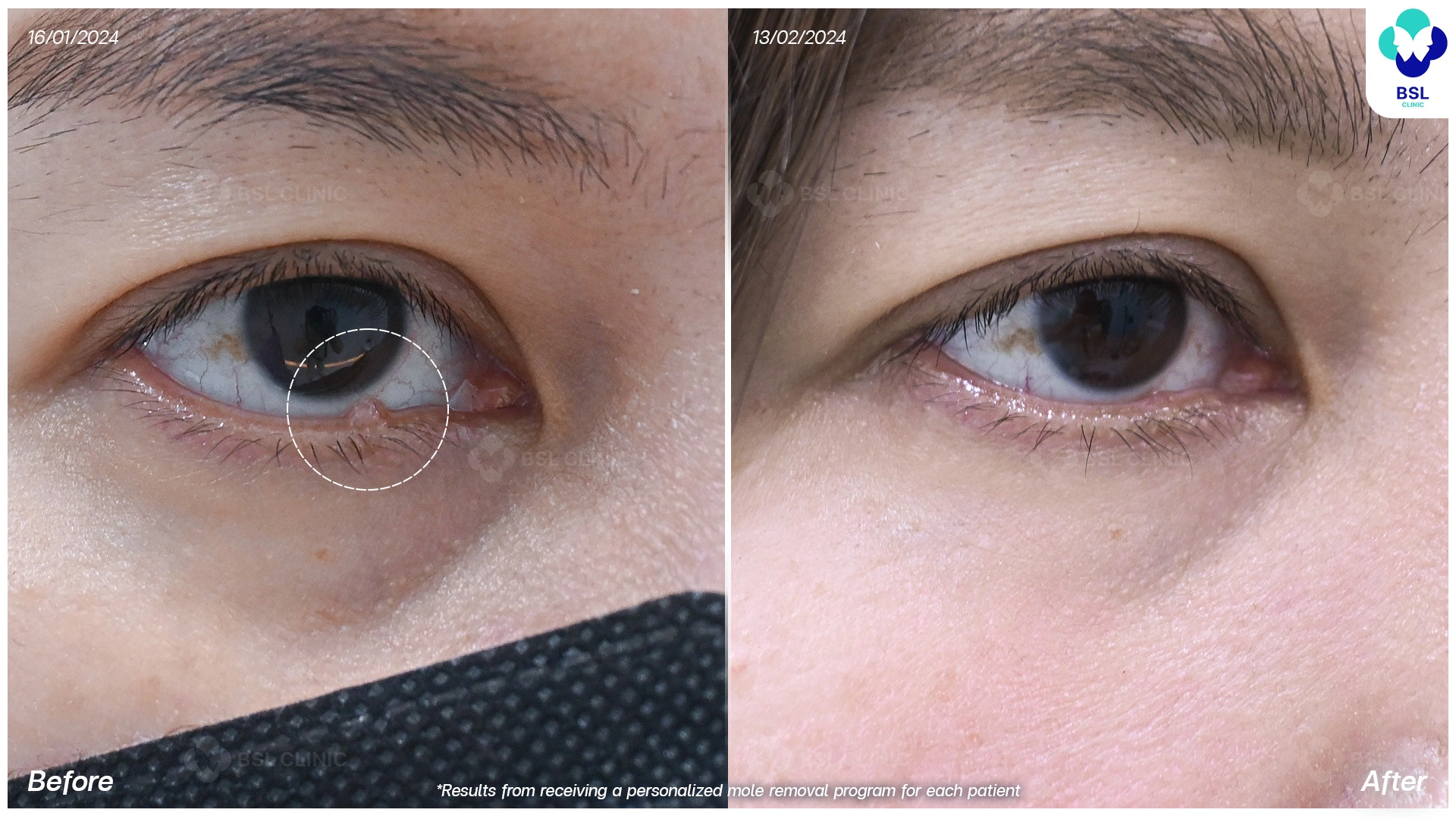
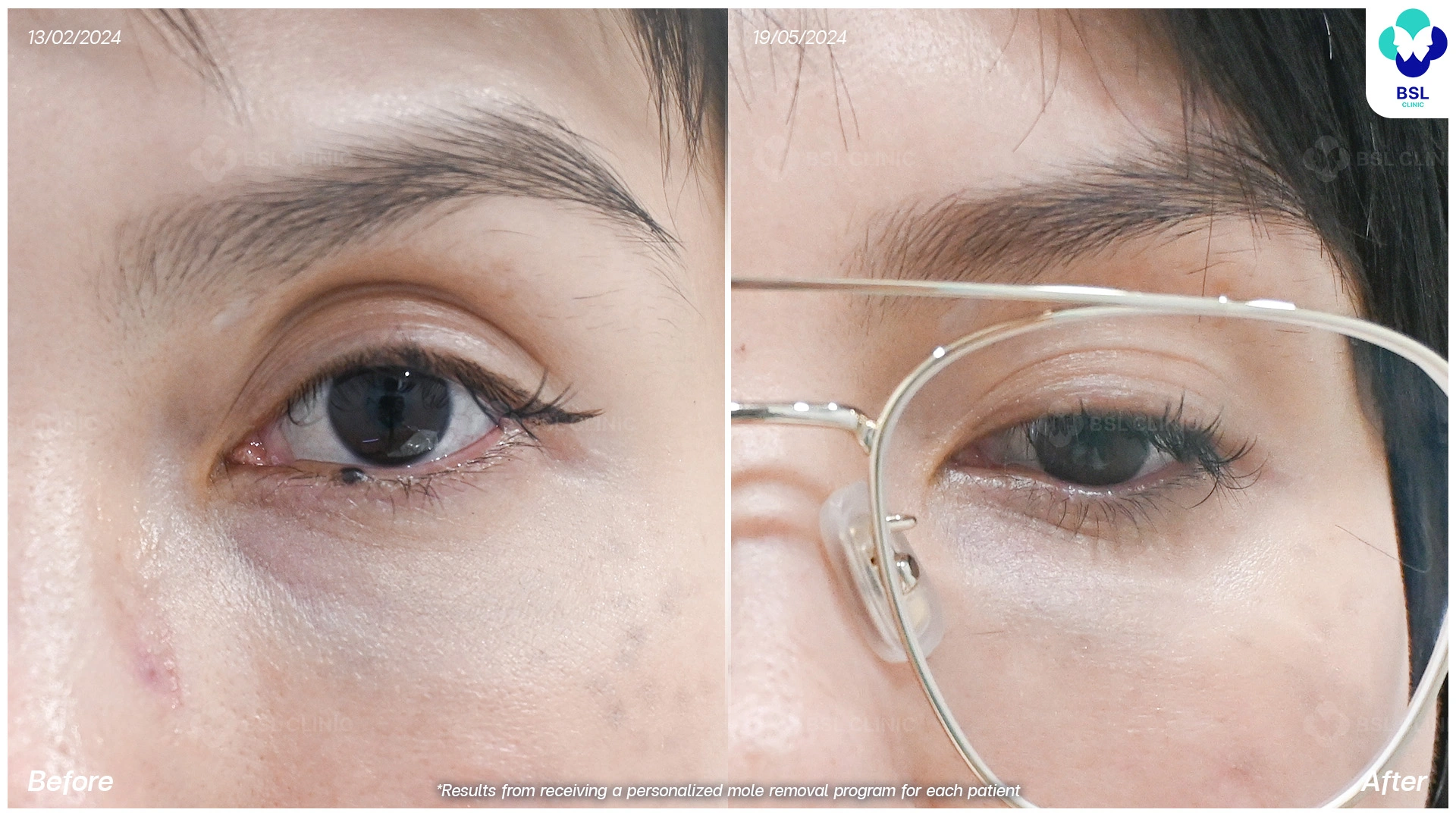
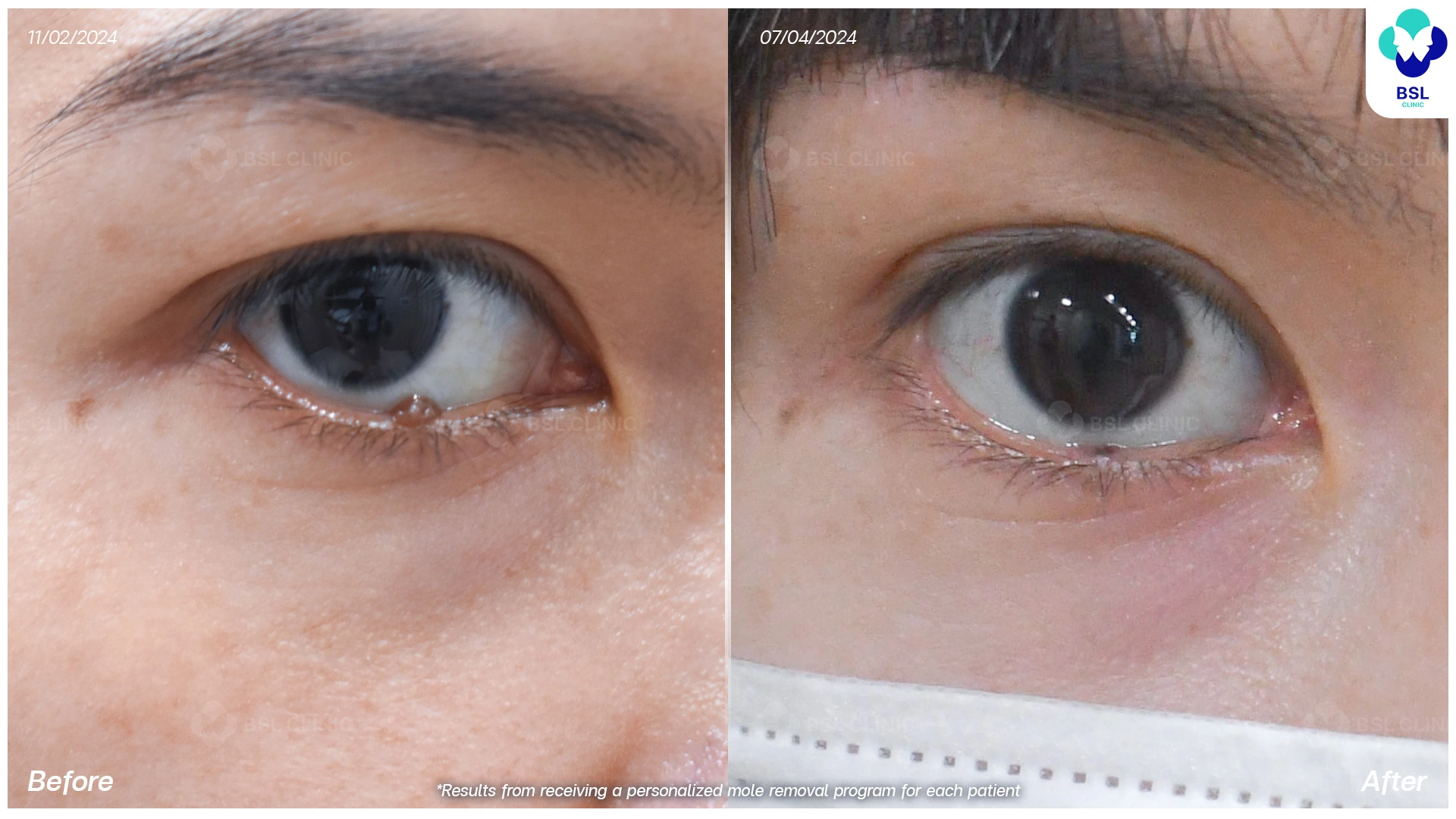
A woman in her 30s visited BSL Clinic with a mole located right along her upper eyelid—just beside the lash line. She had delayed treatment for years, concerned that removing it could risk damage to the eye area. This case shows how a controlled CO₂ laser approach was used to treat the lesion with care and precision.
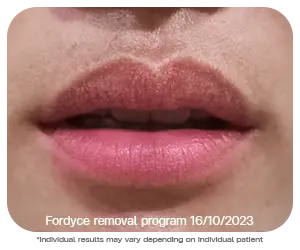
Fordyce Spot Treatment with CO₂ Laser
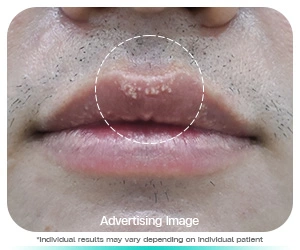
A young man came to the BSL Clinic concerned about small, pale bumps along his upper lip. Though medically harmless, the Fordyce spots had become more noticeable over time and were beginning to affect his confidence—especially in close-up conversations or photos.
BSL Clinic’s Approach to Minimizing Scarring After CO₂ Laser Treatment
1. Laser Depth and Energy Adjusted by the Doctors
When treating skin lesions such as moles, skin tags, seborrheic keratosis, milia, sebaceous gland hyperplasia, syringomas, or Fordyce spots, the doctors carefully adjust the laser’s energy and depth based on each case. The laser is applied only as deep as needed, helping to reduce the chance of scarring as much as possible.
2. Experience Handling Sensitive Areas
With years of treating a wide variety of patients, the doctors at BSL are familiar with challenging areas—like moles near the lower eyelid or lash line. These cases require close control and careful handling to achieve good results in sensitive zones.
3. Follow-Up Care for Mole Removal
After mole removal, the treated area is closely monitored. If pigment or mole tissue reappears, BSL offers free touch-up sessions using CO₂ laser within two months of each treatment. These sessions may be repeated, if needed, until the pigmentation fades. Each case is carefully followed to help ensure the best possible outcome.
4. Post-Treatment Care to Minimize Scarring After CO₂ Laser
Right after CO₂ laser treatment for mole removal, doctors may perform an additional laser session to support skin regeneration—especially in high-movement areas like the nose, or in regions where scarring is more likely. This option is typically considered for patients who are prone to scarring. Studies suggest that early fractional laser treatment, performed within the first month, may help reduce the risk of scar formation.₁
5. Aftercare Products for Healing After CO₂ Laser
BSL also offers aftercare support, including silicone sheets and topical creams that may help minimize the appearance of marks as the skin heals. These are part of the full post-treatment guidance we provide to every patient. If you're concerned about how your skin might respond after treatment, BSL Clinic is here to guide you—step by step—toward clearer skin and confident healing.
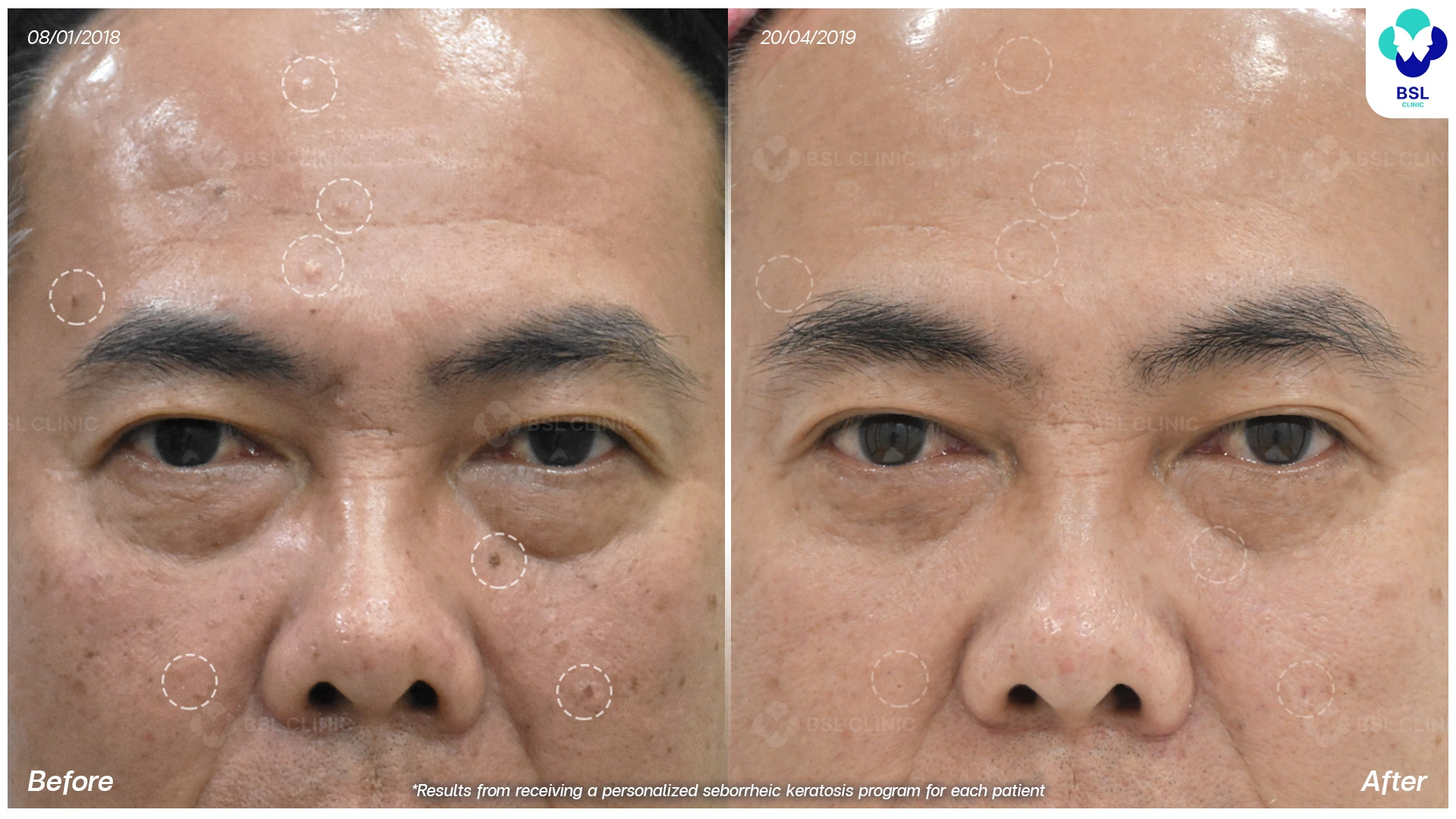
Real Results: Seborrheic Keratosis and Skin Tag Removal
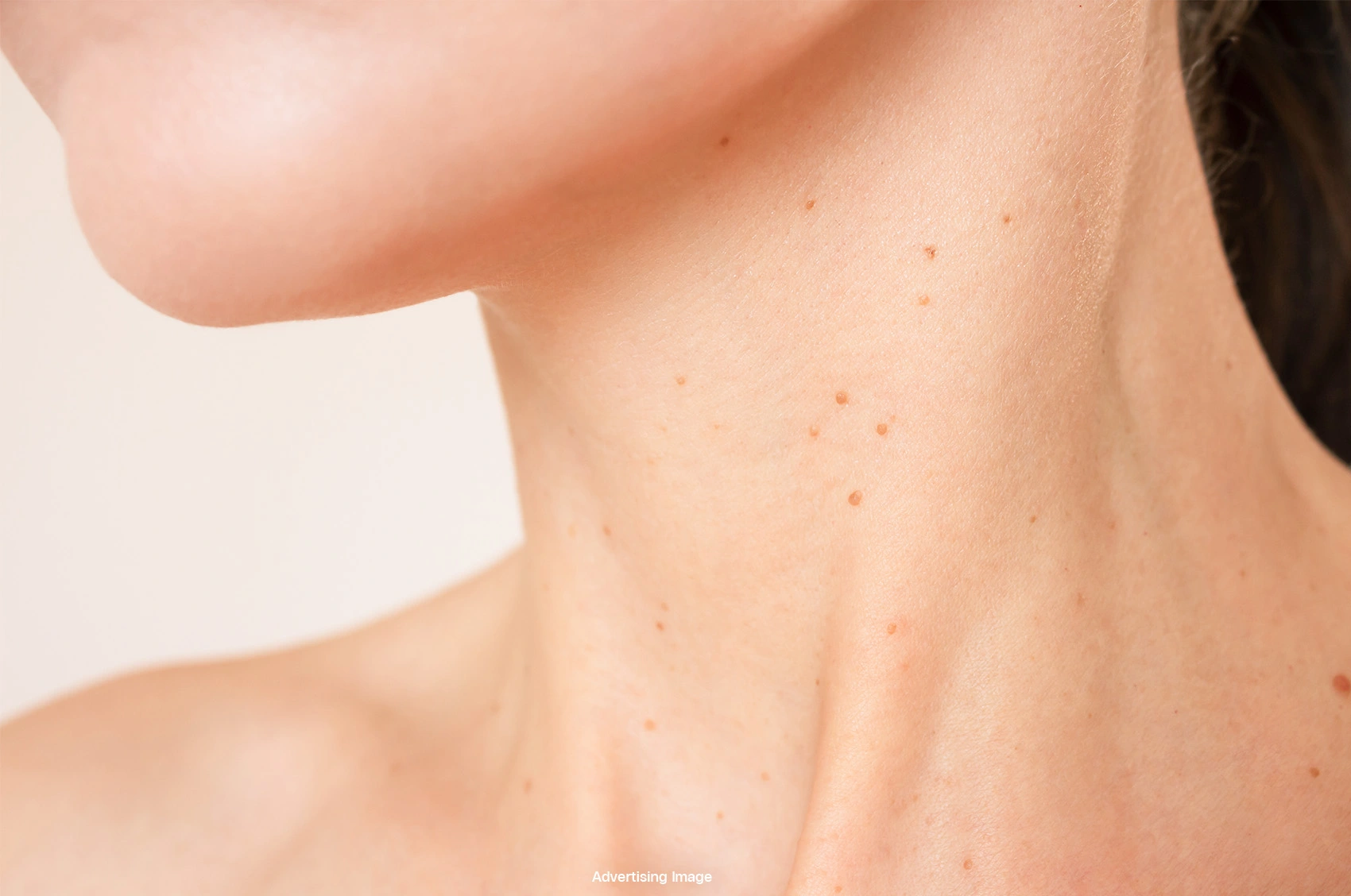
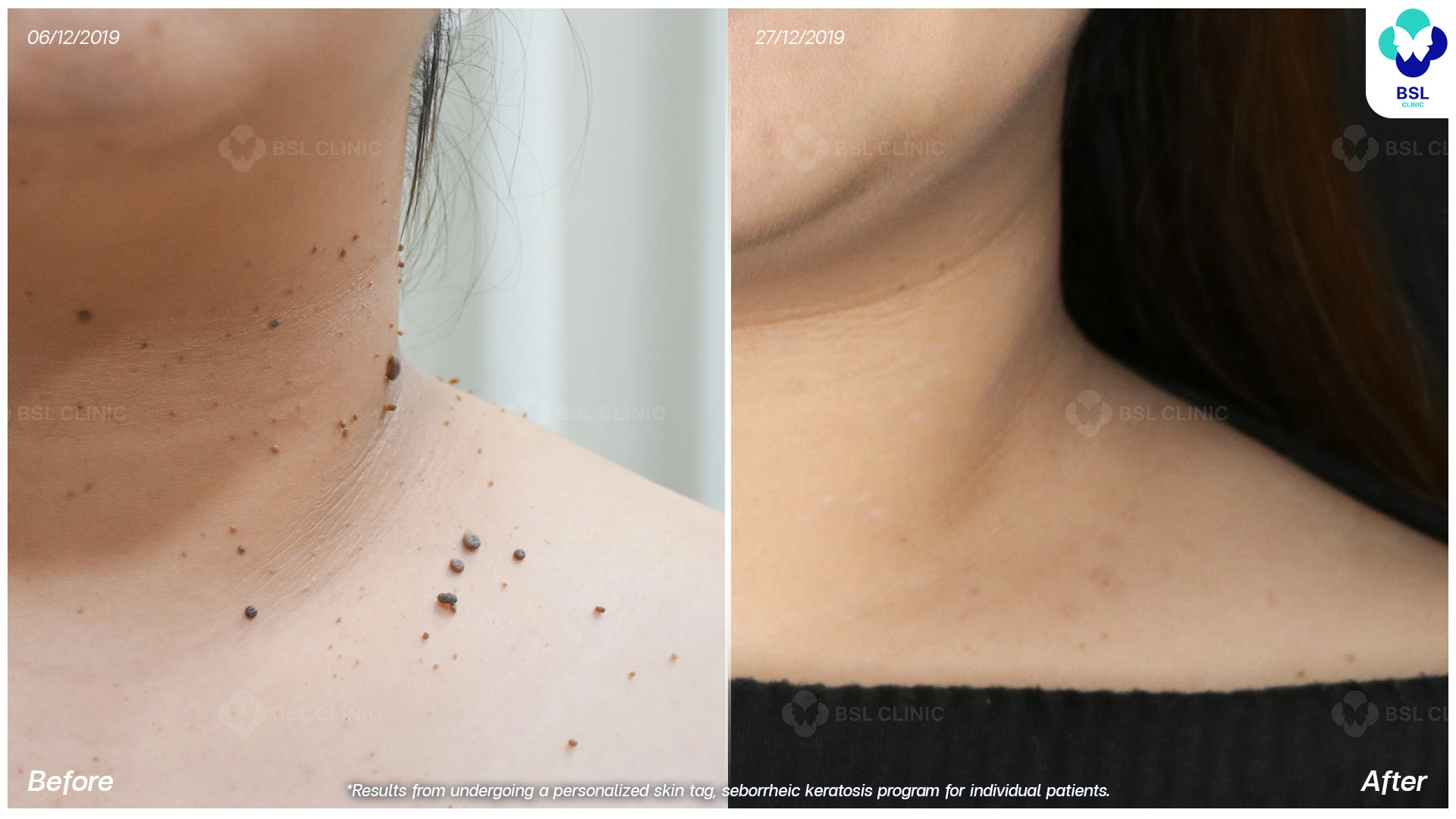
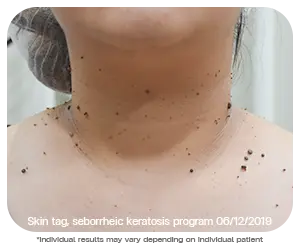
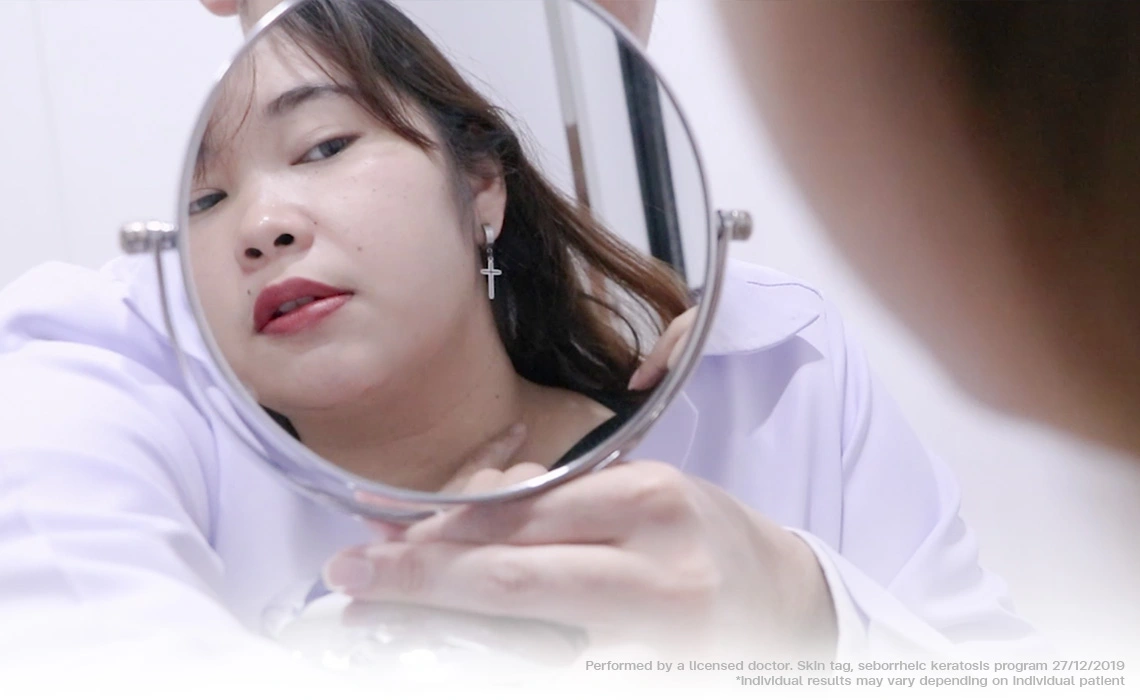
Ms. Jeans had lived with skin tags around her neck and shoulder for years. The condition ran in her family—what started as a few small bumps slowly became more visible. Comments from others made her increasingly self-conscious, until she avoided tying her hair back or wearing open-neck clothing to keep them out of sight.
Eventually, she decided to visit the BSL Clinic. What stood out wasn’t just the treatment, but the care behind it. Her doctor explained that while the tags were harmless, removing them precisely was key to avoiding marks. A point-by-point CO₂ laser was used to treat and shape each area with control. The staff also guided her through aftercare clearly and supportively.
Just 21 days later, the skin around her neck looked clear and smooth. While she understood that more tags might appear over time in other areas due to her genetics, she was thrilled to finally feel free from the ones that had bothered her most.
Now, she confidently wears off-the-shoulder tops and ties her hair back without second-guessing. What used to be a daily worry is now just a memory—replaced with clearer skin and a quiet kind of confidence that shows through everything she does.
These stories reflect not only cosmetic improvements, but how personalized treatment and close follow-up at BSL Clinic can support long-term confidence.
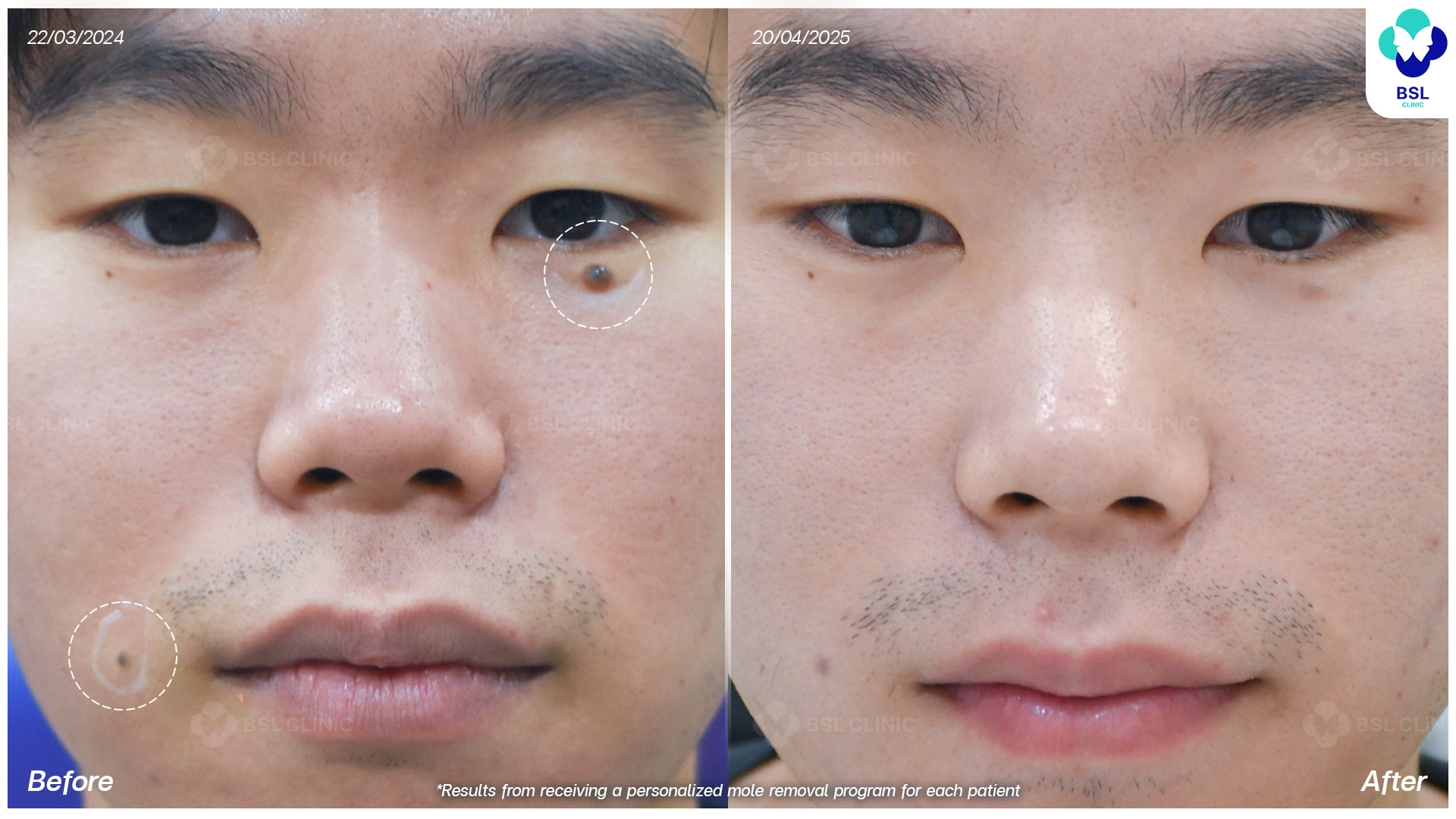
These are just a few of the real results we’ve seen at BSL Clinic.
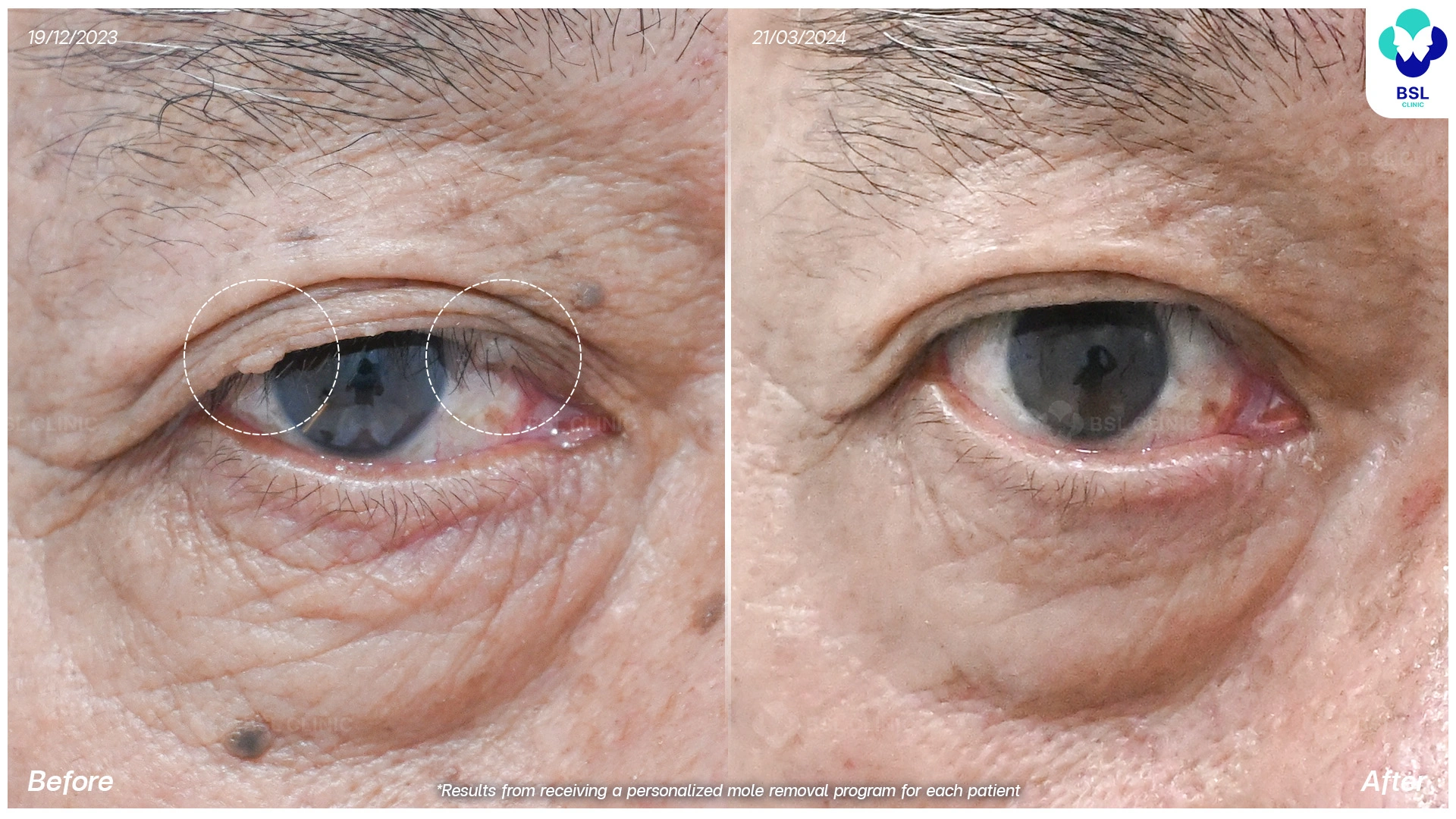
If you’d like to know what’s possible for your skin, schedule a consultation with our team—we’d love to help.
- Hong SC, Park ES, Kim YB, Nam SM. Effects of Minimizing Scar Formation by Early Fractional CO₂ Laser Resurfacing. Arch Aesthetic Plast Surg. 2014;20(2):109–113. Available from: https://e-aaps.org/journal/view.php?number=124