




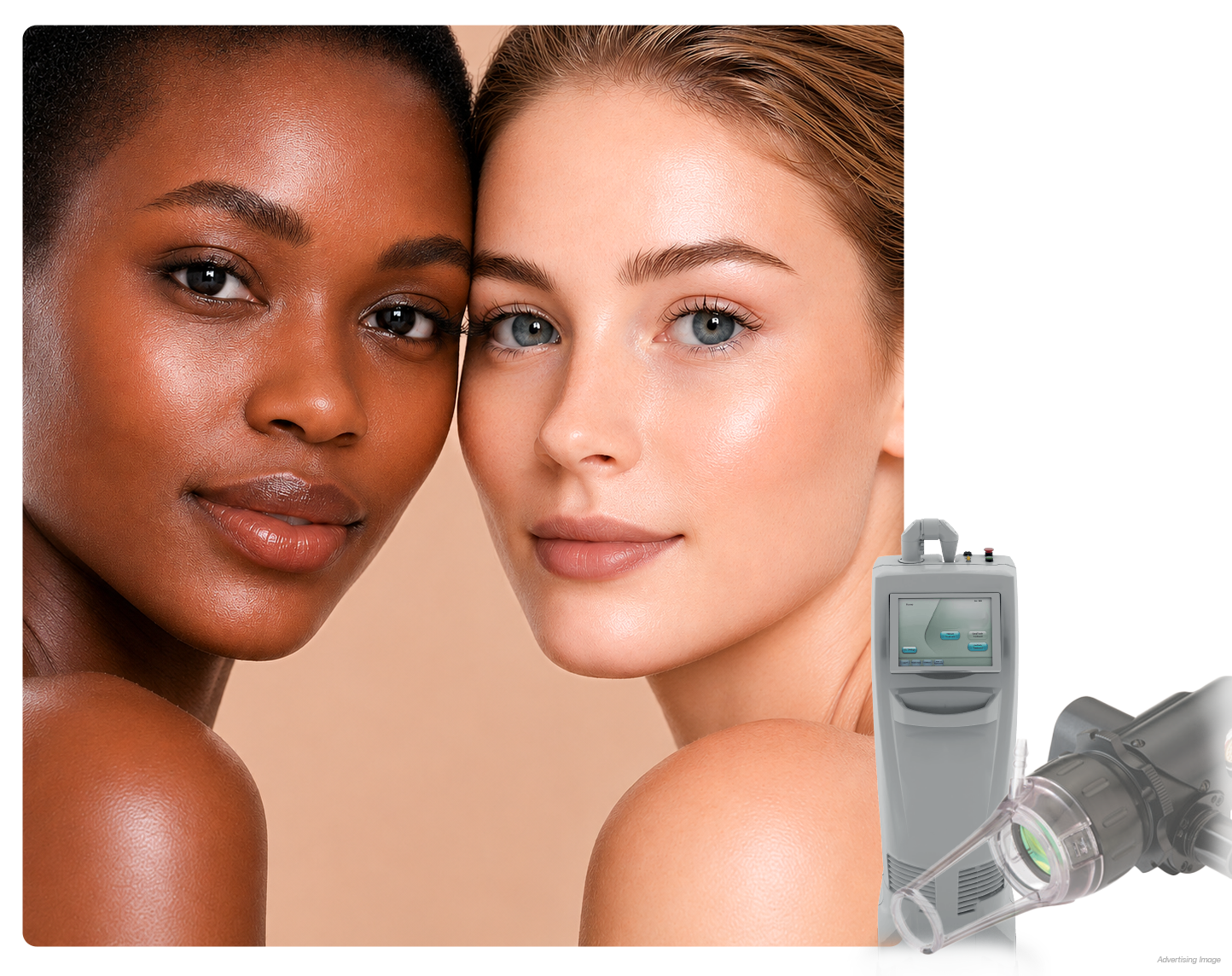
If acne scars, fine lines, enlarged pores, or uneven skin texture affect your skin, fractional CO2 laser Program resurfacing may be one of the treatments worth understanding.
This guide explains how it works, what concerns it may help address, and what to know about results, recovery, and downtime before deciding whether it is right for you.

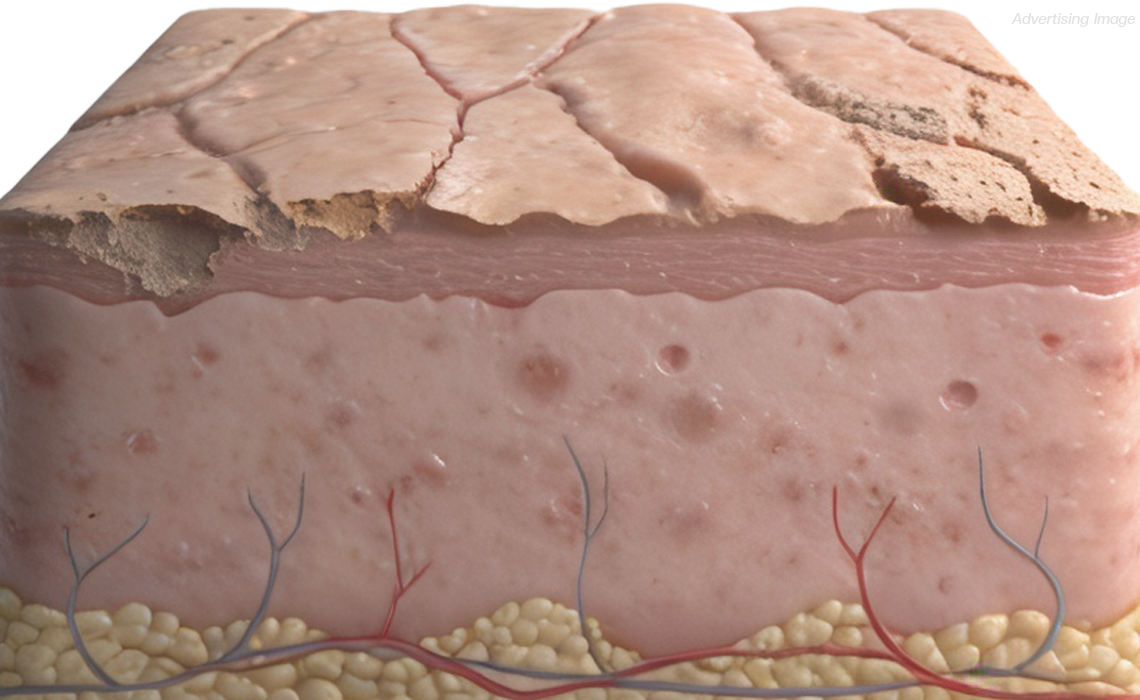
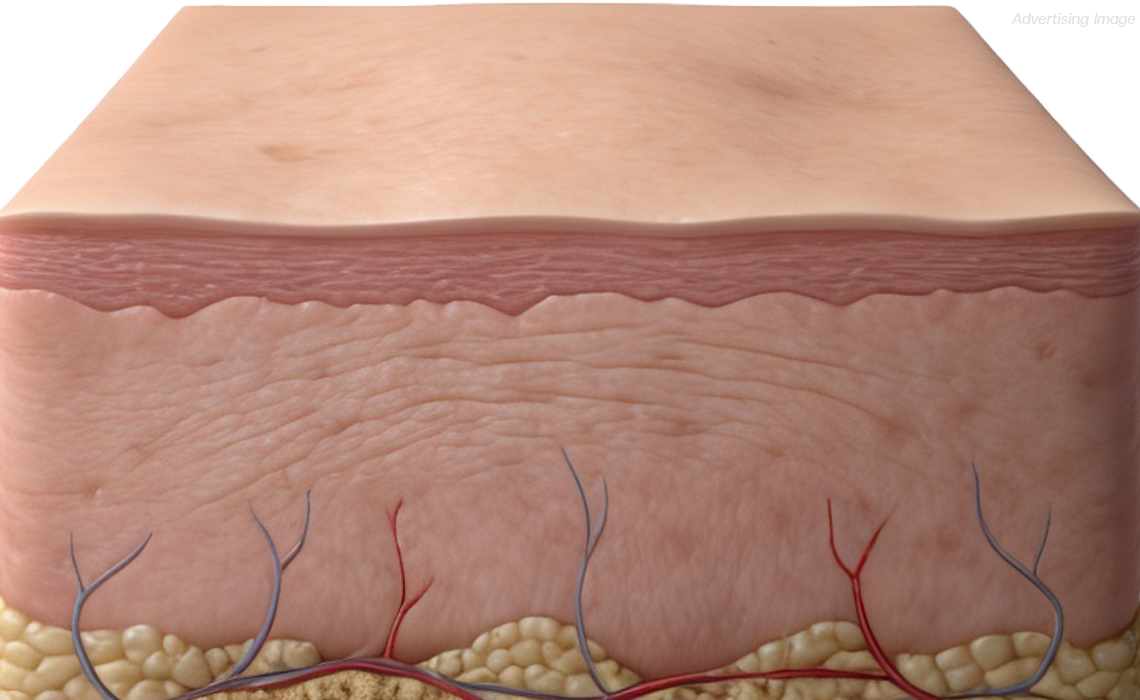
A fractional CO2 laser Program is a skin resurfacing technology widely used in aesthetic dermatology to improve skin texture and visible signs of aging.
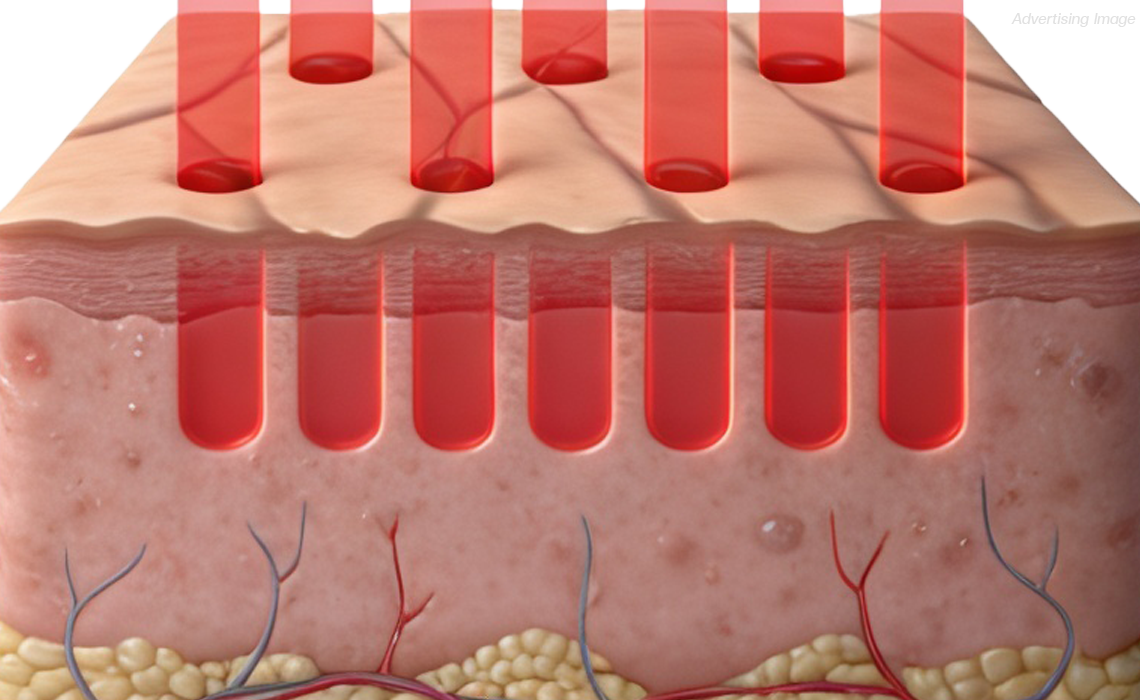
Instead of removing the entire surface of the skin, fractional laser technology delivers energy in a pattern of microscopic treatment zones. These small zones allow targeted resurfacing while leaving surrounding tissue intact.¹
Because the CO2 wavelength (10,600 nm) is strongly absorbed by water in the skin, the laser can precisely remove damaged superficial tissue while also stimulating renewal within deeper layers.²
For this reason, fractional CO2 resurfacing is commonly used to improve concerns such as fine lines, uneven skin texture, enlarged pores, and certain types of scars.
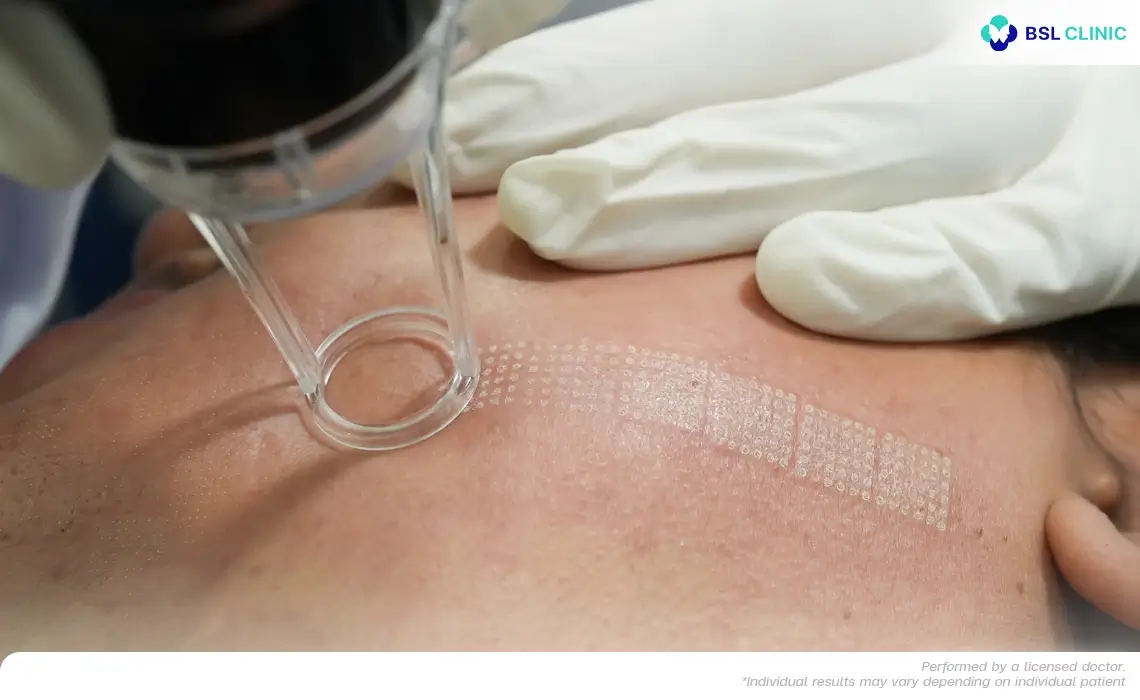
During treatment, the fractional CO2 laser Program creates thousands of microscopic treatment columns within the skin. Each column triggers a controlled wound-healing response that stimulates the skin’s natural repair processes.
As the skin begins to recover, several biological processes occur simultaneously:
remove small portions of damaged skin.
reaches deeper layers of the skin.
is triggered as the skin begins to repair itself.
helps speed up healing and regeneration.
Collagen remodeling is triggered as the skin begins to repair itself.
Over time, this remodeling process supports gradual dermal regeneration, helping improve texture, tone, and overall skin quality.


Not all fractional CO2 laser Program systems deliver energy with the same level of precision — and that difference can influence both results and recovery.
The AcuPulse platform is designed to precisely control how laser energy is delivered within the skin. By optimizing pulse structure and scanning patterns, the system creates consistent microscopic treatment columns while limiting unnecessary heat in surrounding tissue.
Several design features contribute to this level of control.
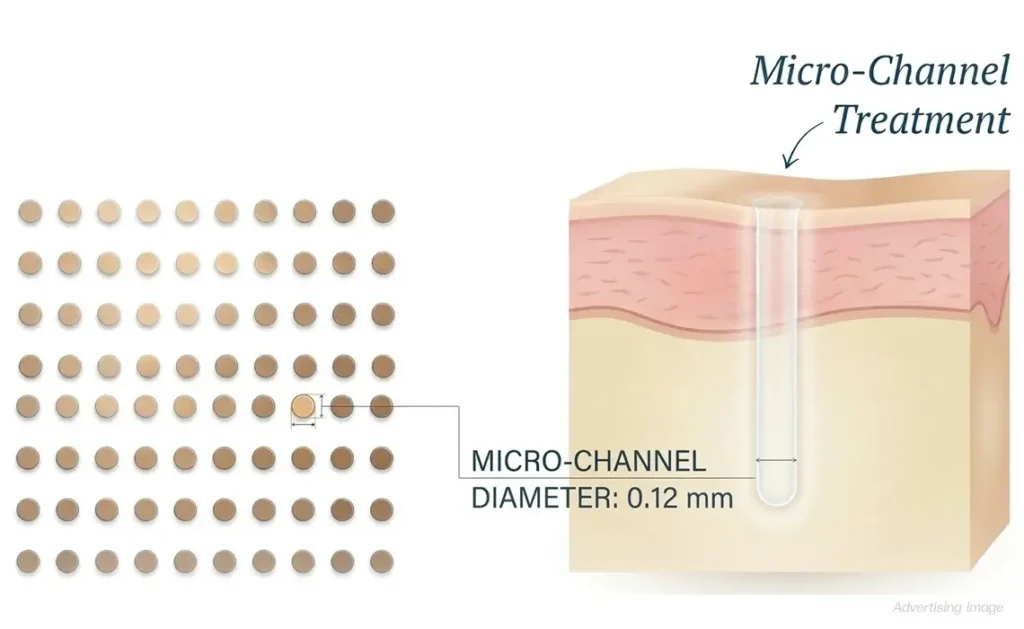
One important factor influencing treatment precision is the size of each laser spot.
The AcuPulse system uses the AcuScan120 fractional scanner, which creates laser spots measuring approximately 0.12 mm in diameter. These highly controlled micro-channels allow energy to be delivered precisely into the skin.
At this microscopic scale, thousands of tiny treatment columns are created while surrounding tissue remains intact.
Key advantages of this micro-spot design include:
These untouched areas act as a healing reservoir, helping the skin recover more efficiently after treatment.³
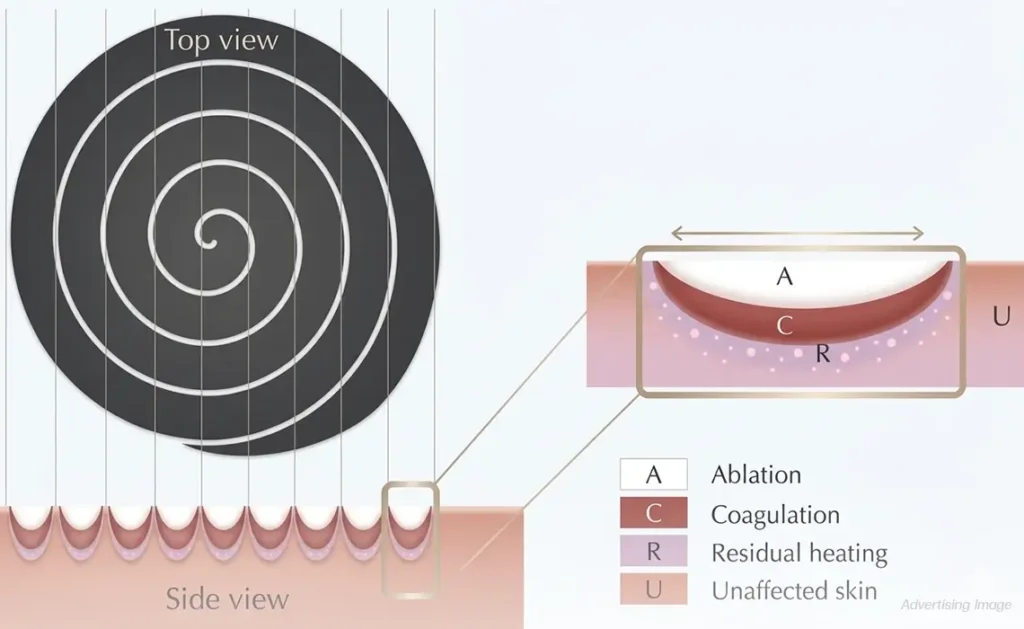
Precision in laser resurfacing does not depend on spot size alone.
How laser energy is distributed across the skin also plays an important role.
The AcuScan120 scanner distributes laser energy using a spiral scanning pathway rather than a simple grid.
Energy delivery begins at the center of each treatment spot and gradually expands outward in a spiral pattern.
This scanning approach helps:
A more uniform energy distribution helps maintain consistent treatment coverage across the skin surface.
Beyond scanning patterns, the structure of the laser pulse itself also plays an important role. The AcuPulse platform incorporates SuperPulse technology, which precisely controls how energy is delivered into the skin.
Instead of emitting energy continuously, SuperPulse delivers very short bursts of high-peak energy. These ultra-short pulses allow the laser to efficiently vaporize microscopic portions of tissue before heat spreads into surrounding skin.
Important characteristics include:
This controlled interaction helps maintain a balance between ablation and thermal stimulation, allowing precise tissue removal while limiting unnecessary heat spread.
Another advantage of fractional CO2 technology is the ability to adjust treatment depth by modifying energy levels and scanning density.
Because the CO2 wavelength (10,600 nm) is strongly absorbed by water in skin tissue, the laser can precisely remove superficial layers while delivering controlled heat deeper into the dermis.⁴
Depending on the selected treatment parameters, fractional treatment columns may reach depths such as:
This adjustable depth allows CO2 laser resurfacing to be tailored to different skin concerns and treatment goals.
Fractional CO2 laser Program resurfacing can address several skin concerns related to aging, texture, and scarring.
Common treatment goals include softening wrinkles, refining uneven skin texture, improving acne scars, and rejuvenating delicate areas such as the skin around the eyes.
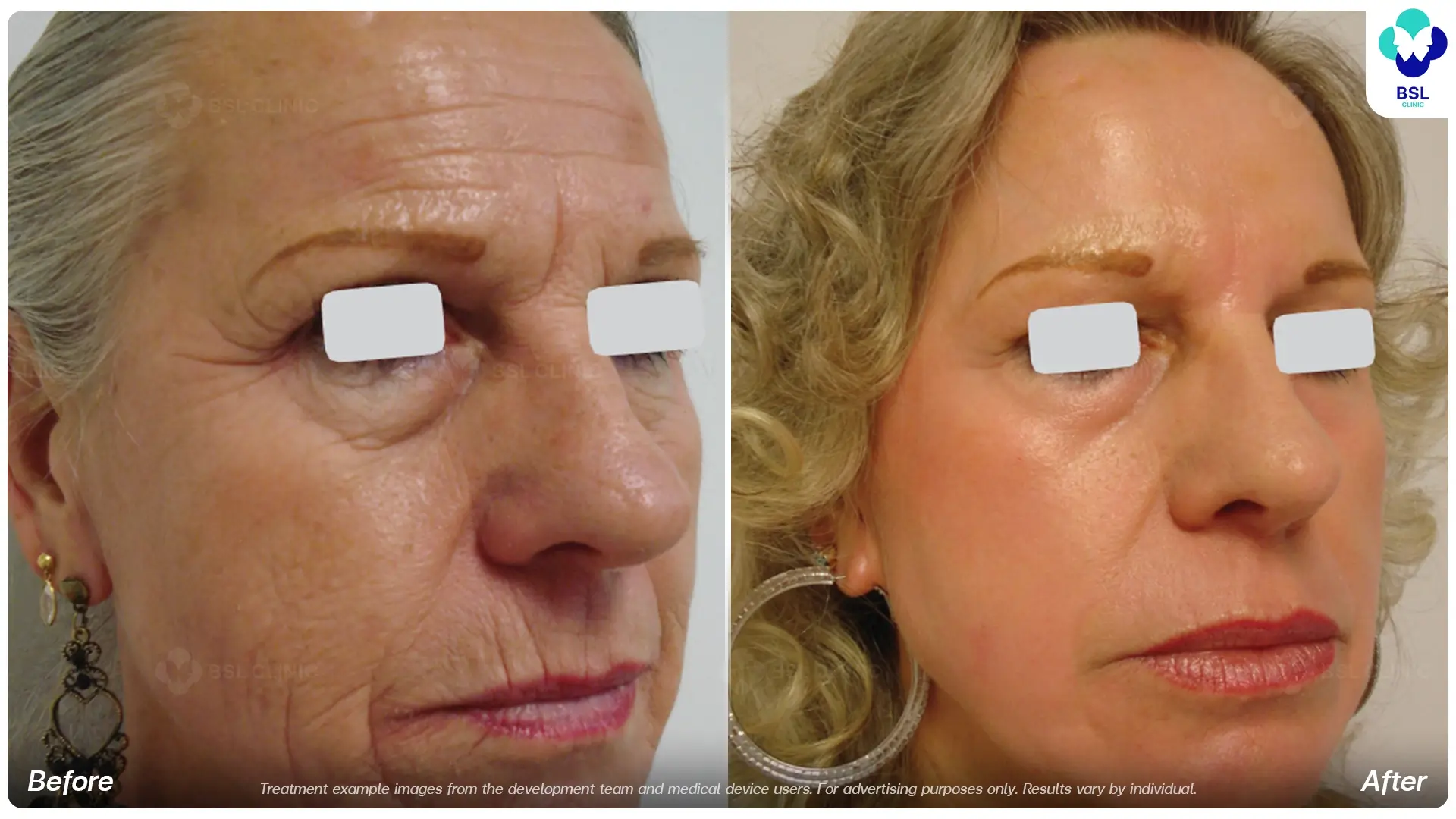
Fractional CO2 laser Program resurfacing is commonly used to soften fine lines and early wrinkles. The treatment stimulates collagen renewal beneath the skin, helping improve overall smoothness and skin texture.
It may help improve:
Over time, new collagen formation can help the skin appear firmer and more refined.
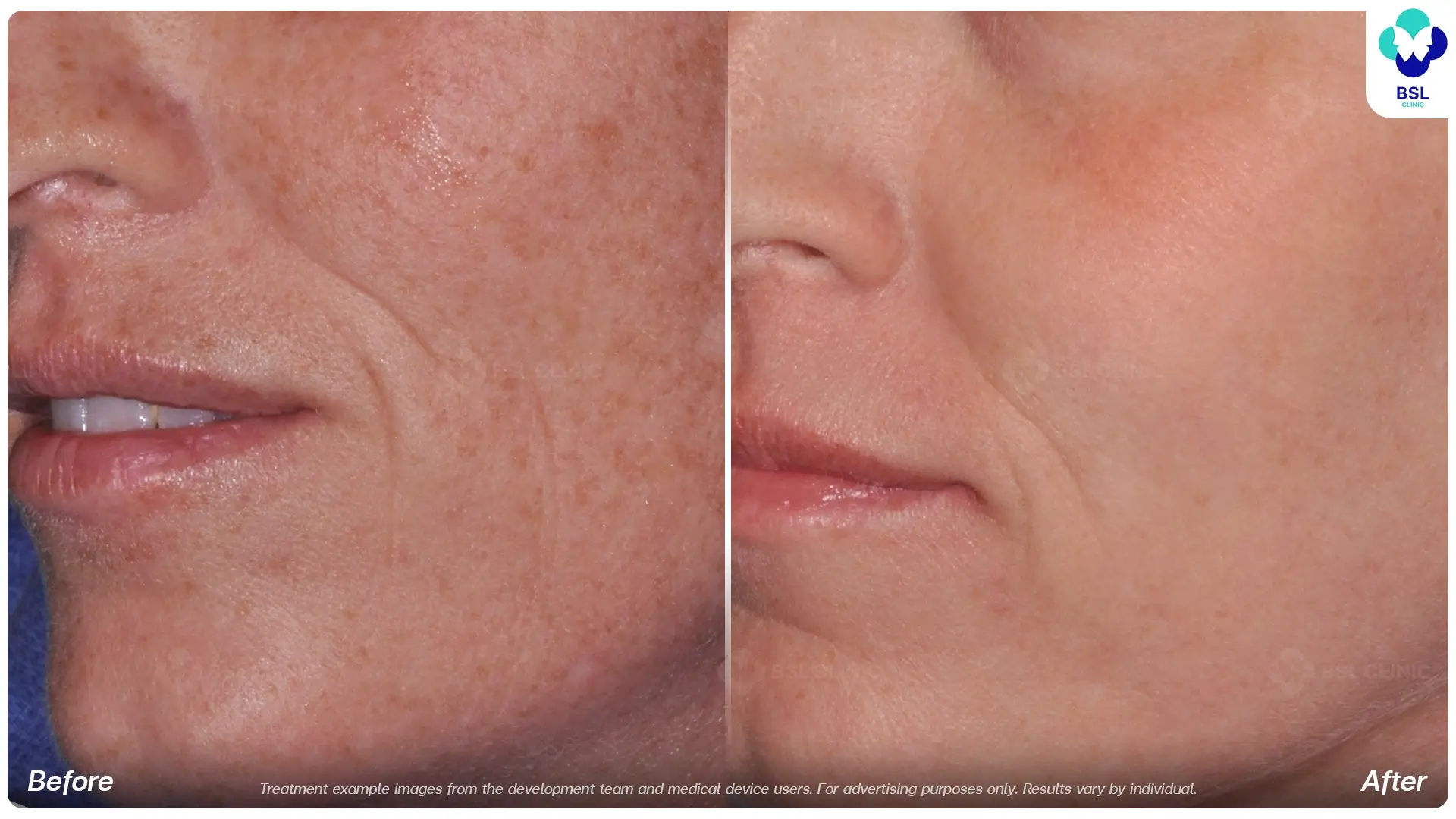
Uneven skin tone can develop from sun exposure, aging, and past skin inflammation. Fractional CO2 laser Program resurfacing helps renew the outer skin layers while stimulating collagen regeneration beneath the surface.
This resurfacing process may help improve:
As the skin renews, the complexion often appears clearer, brighter, and more even.
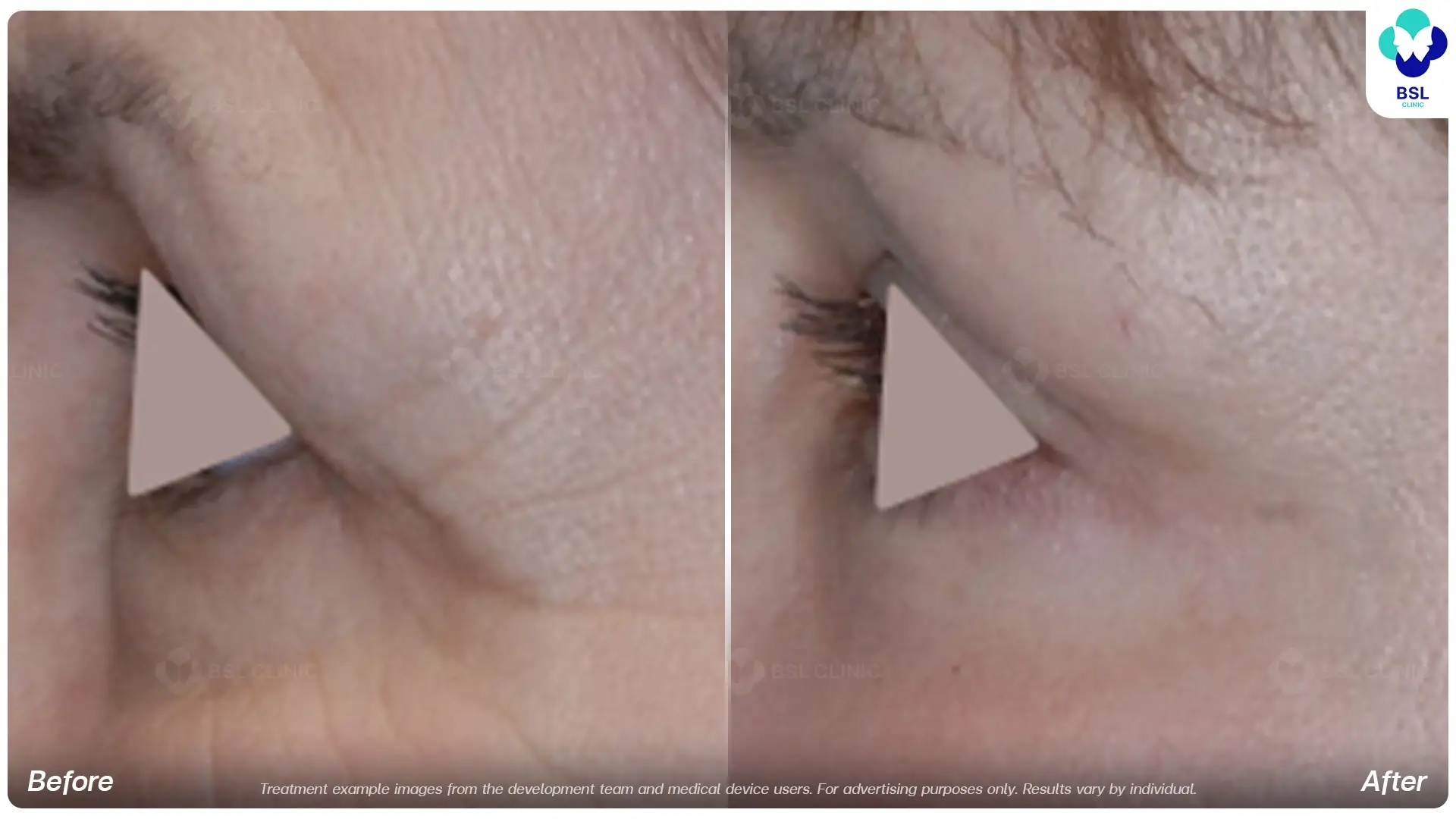
The skin around the eyes is thinner and often shows early signs of aging. Carefully performed CO2 laser under eyes treatments can stimulate collagen while resurfacing delicate skin.
This may help improve:
Because treatment depth can be precisely controlled, the laser can be adjusted for the thin skin of the eye area.
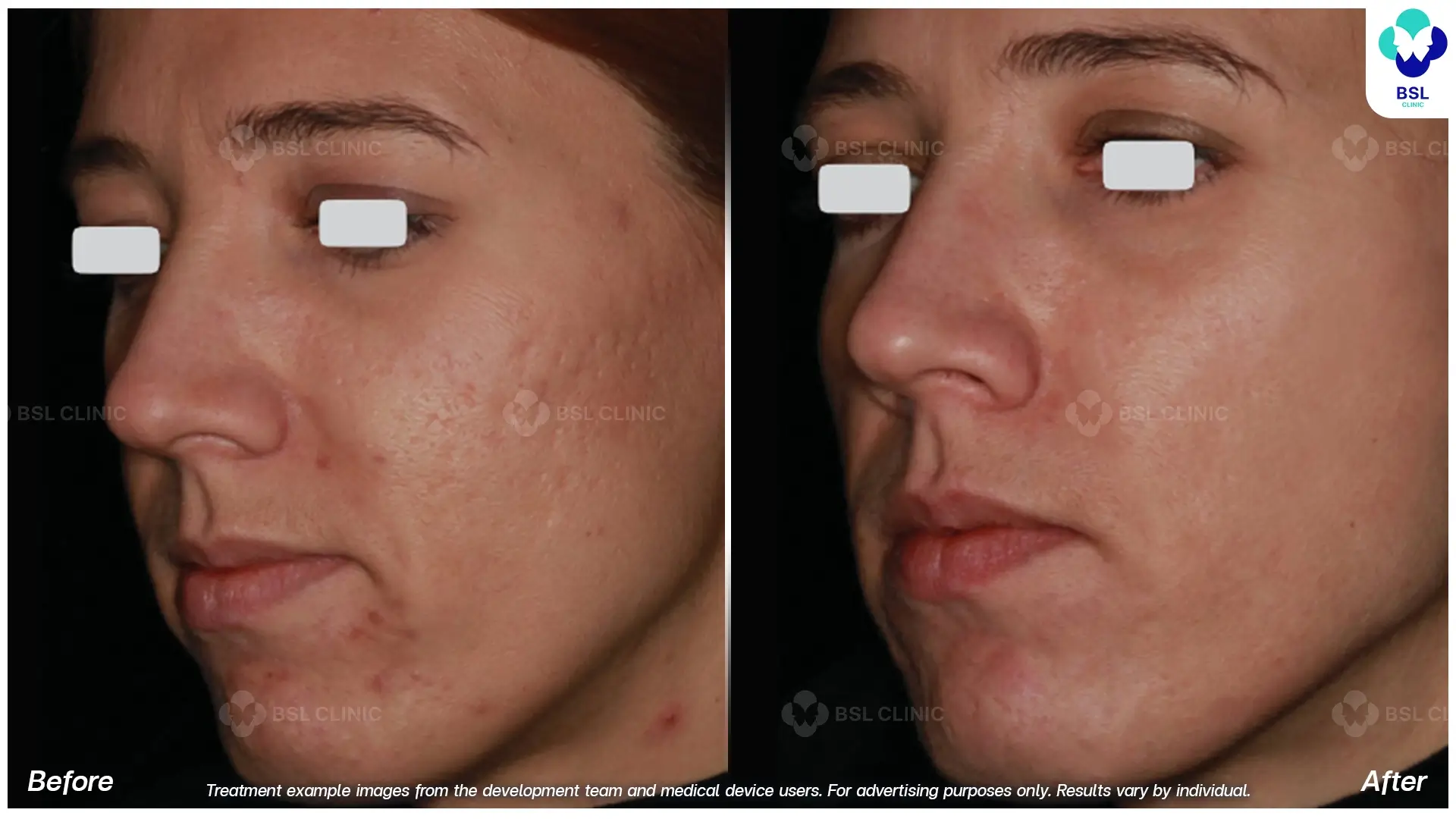
Fractional CO2 laser Program resurfacing is widely used to improve acne scars and other types of depressed scars. The laser stimulates collagen rebuilding within scarred tissue, helping rebuild a smoother skin structure.
Scars that may respond include:
With multiple treatments, the depth and texture of scars can gradually become less noticeable.
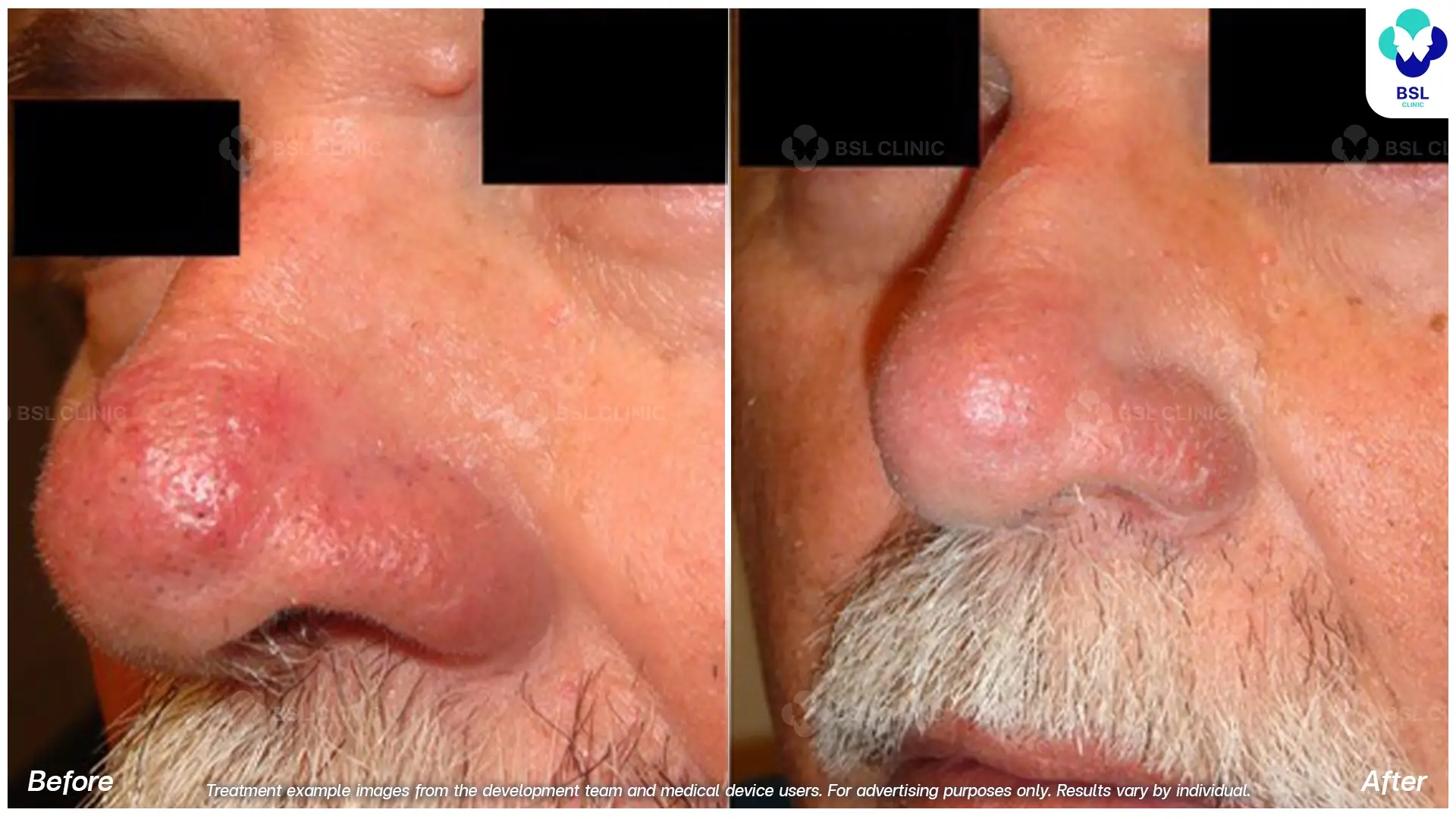
In selected cases, CO2 lasers may be used to treat rhinophyma, a condition involving thickened skin and tissue enlargement on the nose. The laser allows controlled removal of excess tissue while coagulating small blood vessels.
Treatment may help:
Because rhinophyma can vary in severity, treatment is typically performed by experienced specialists.
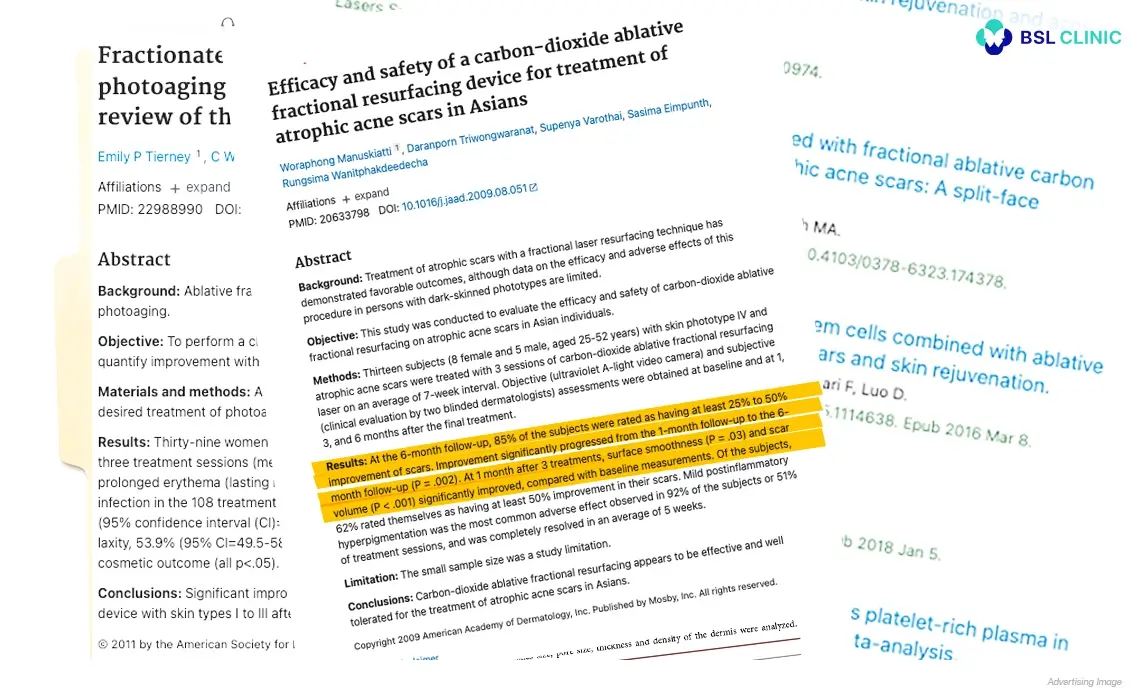
Clinical studies evaluating fractional CO2 laser Program resurfacing have reported measurable improvements in skin texture, wrinkles, and acne scars.
A prospective single-blind clinical study involving 45 patients with moderate to severe photoaging reported improvements after two to three treatments, including:
Clinical research involving Asian patients with atrophic acne scars reported the following outcomes:
These findings suggest that fractional CO2 laser Program resurfacing may support dermal remodeling and gradual improvements in overall skin quality over time.
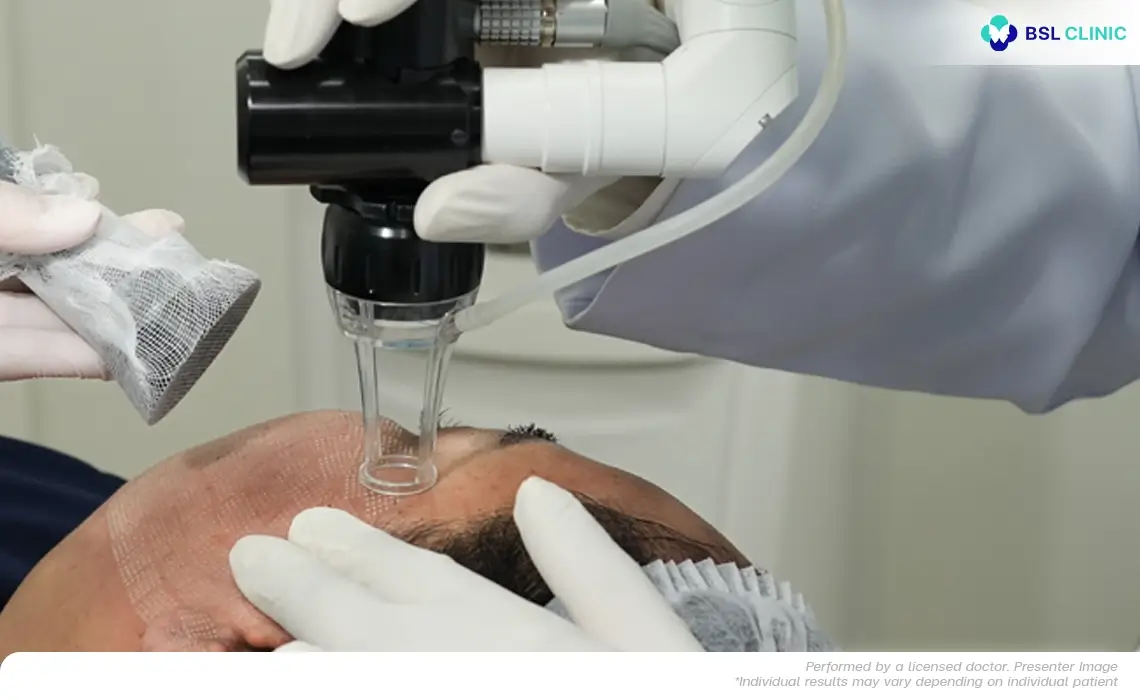
How Fractional CO2 Laser Program Treatments Are Tailored
While clinical studies provide useful benchmarks, real-world outcomes depend on how treatment parameters are adjusted for each individual.
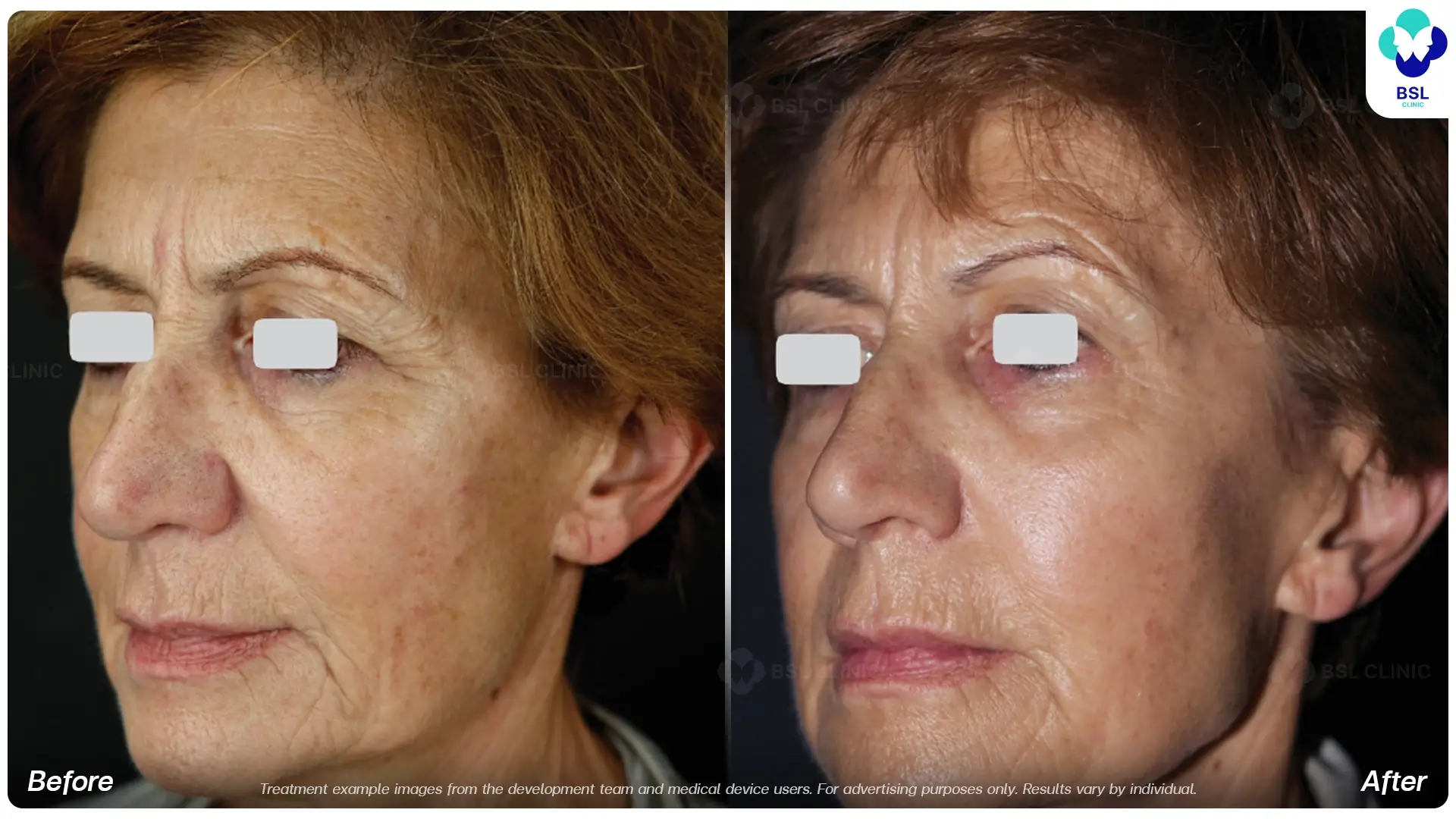
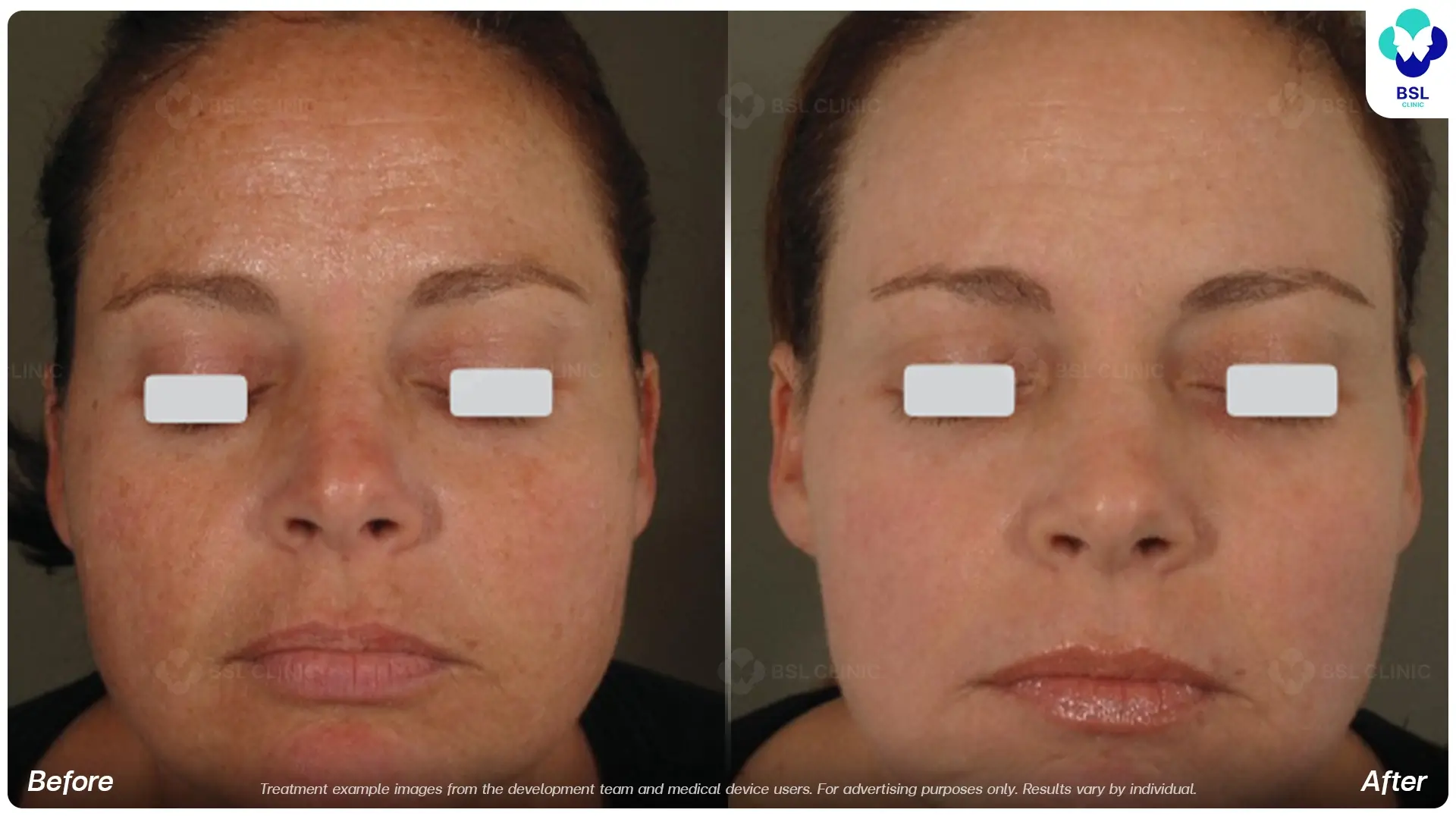
At BSL Clinic, fractional CO2 treatments are carefully tailored by adjusting factors such as energy level, treatment density, and penetration depth. This personalized approach helps balance effective resurfacing with controlled healing and natural-looking skin regeneration.


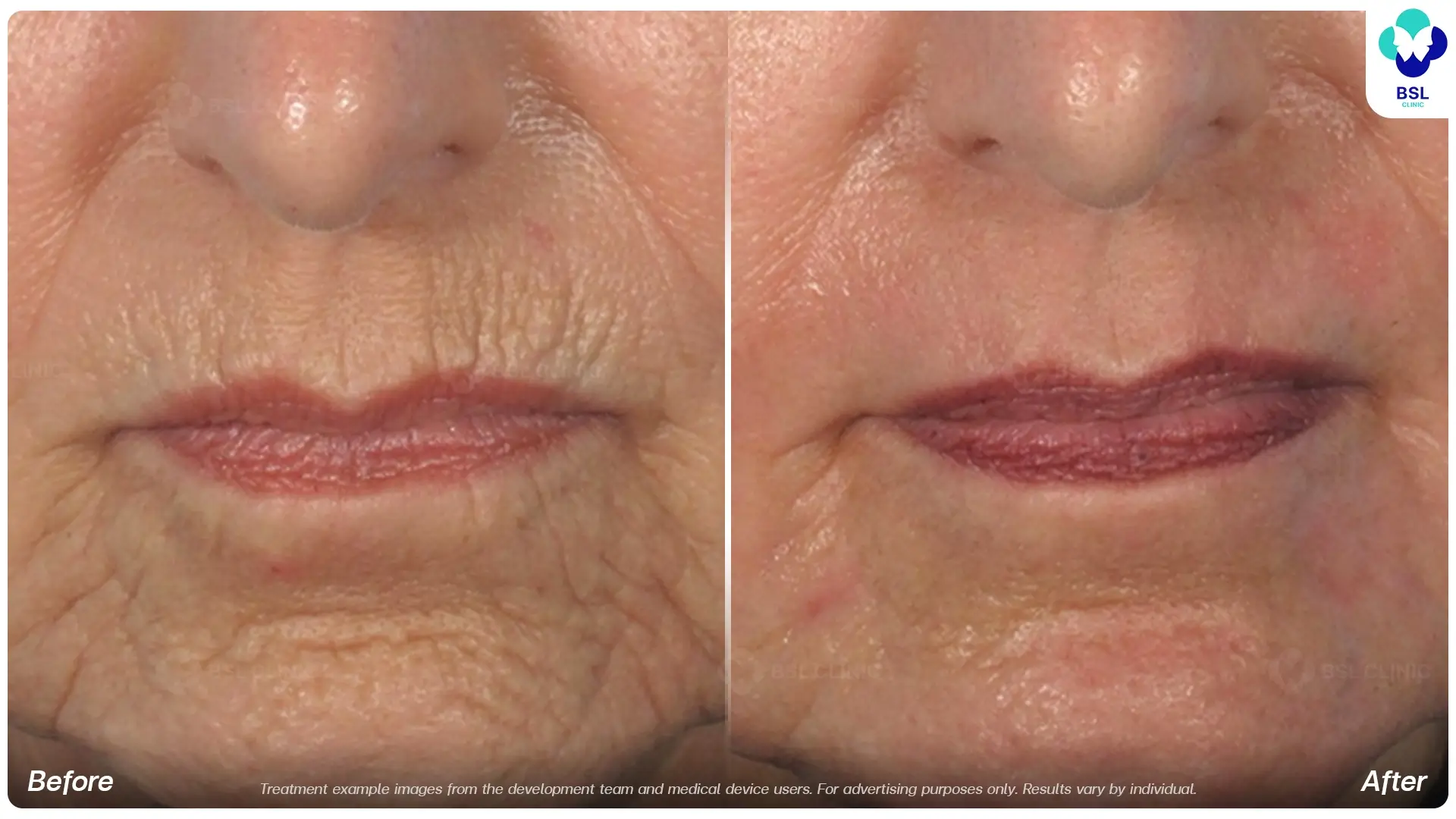
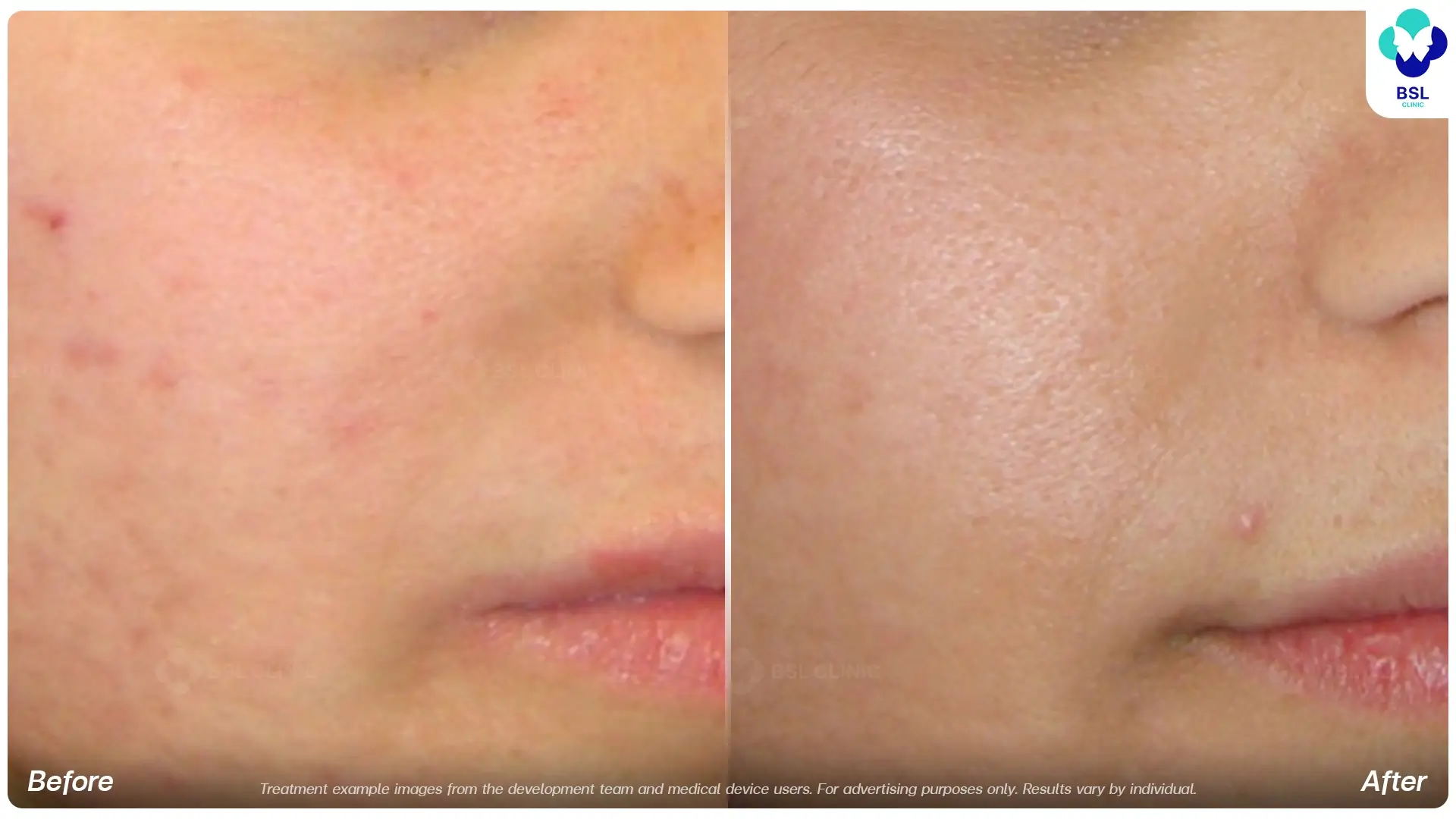
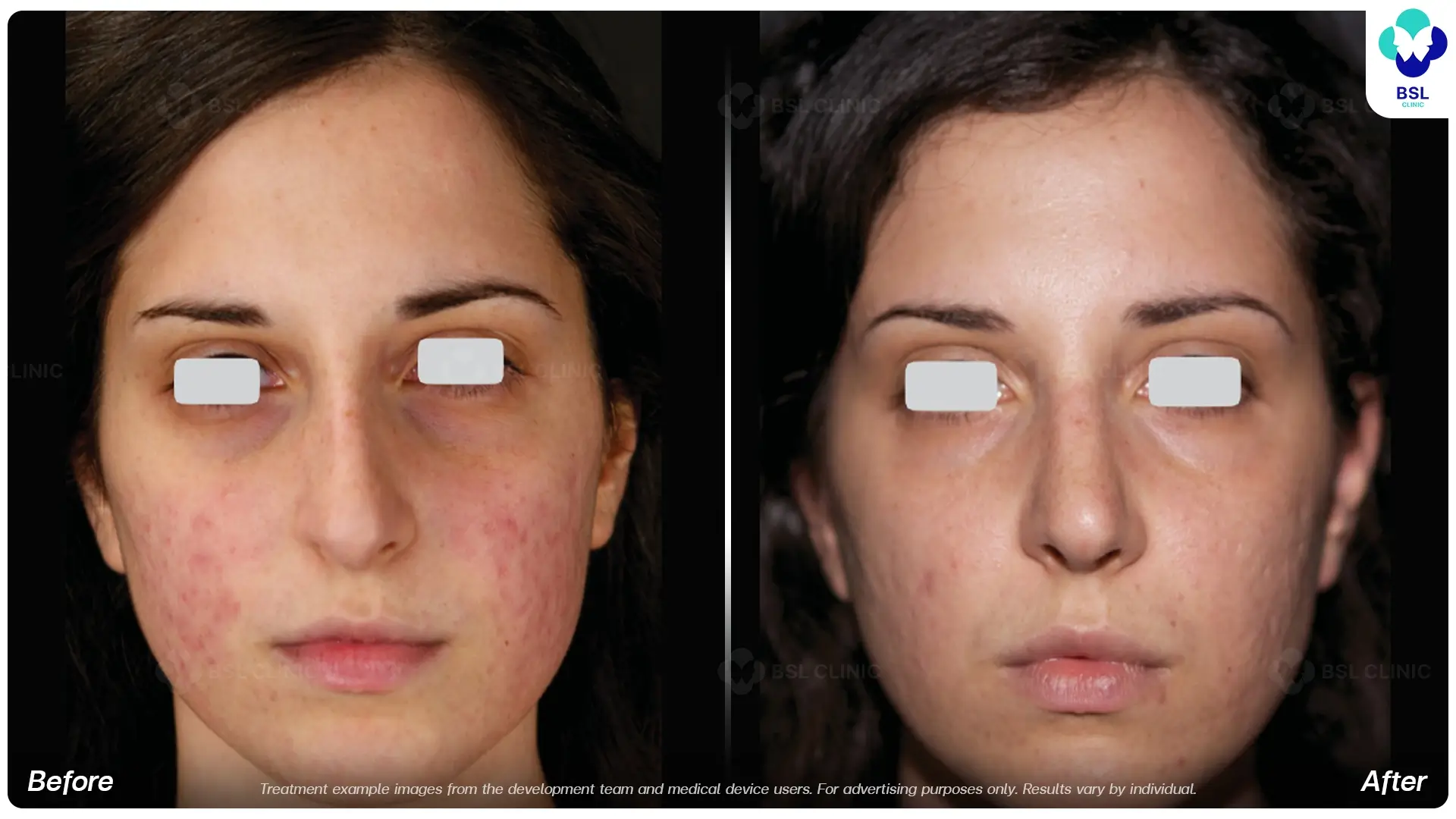
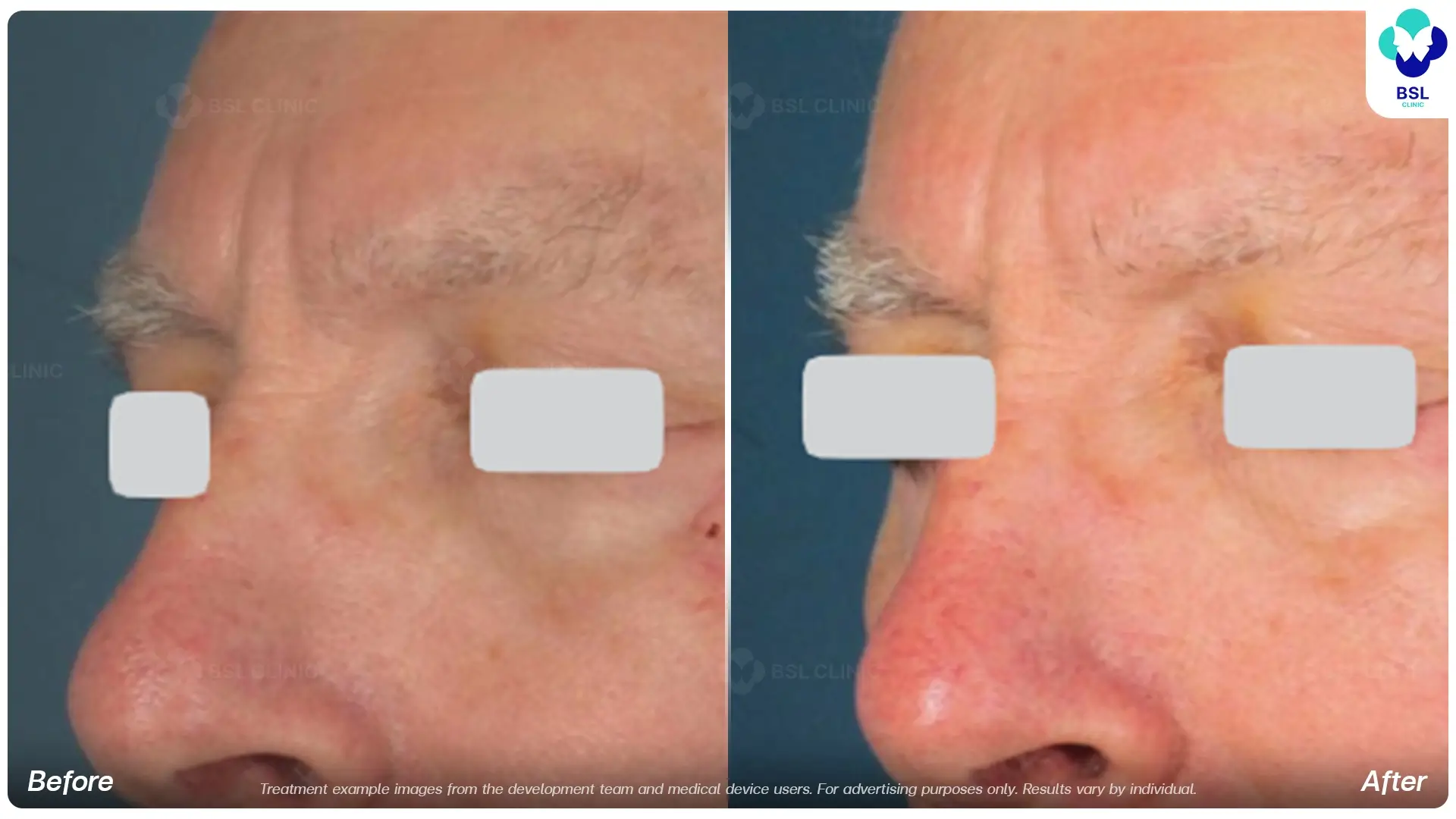
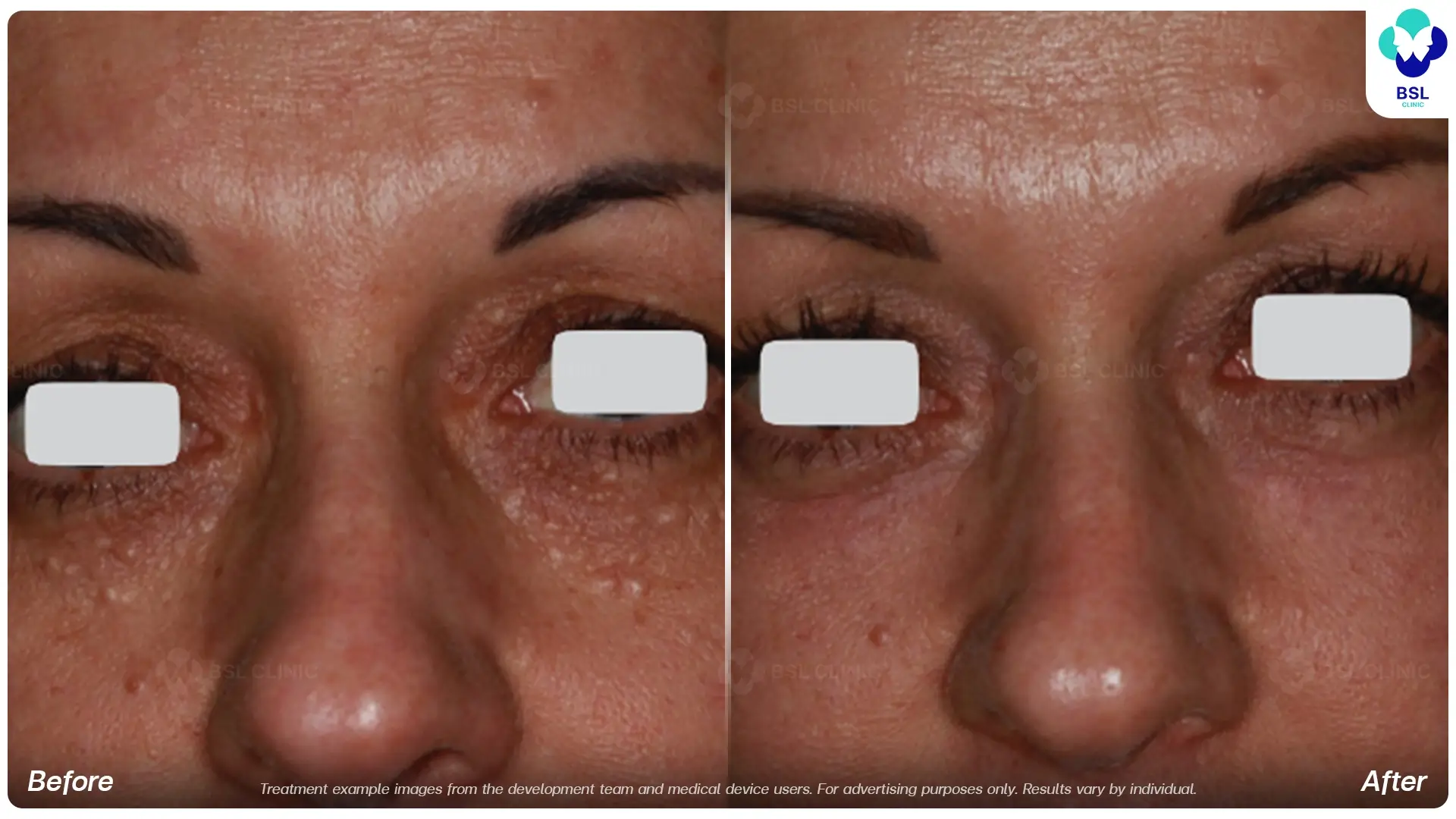
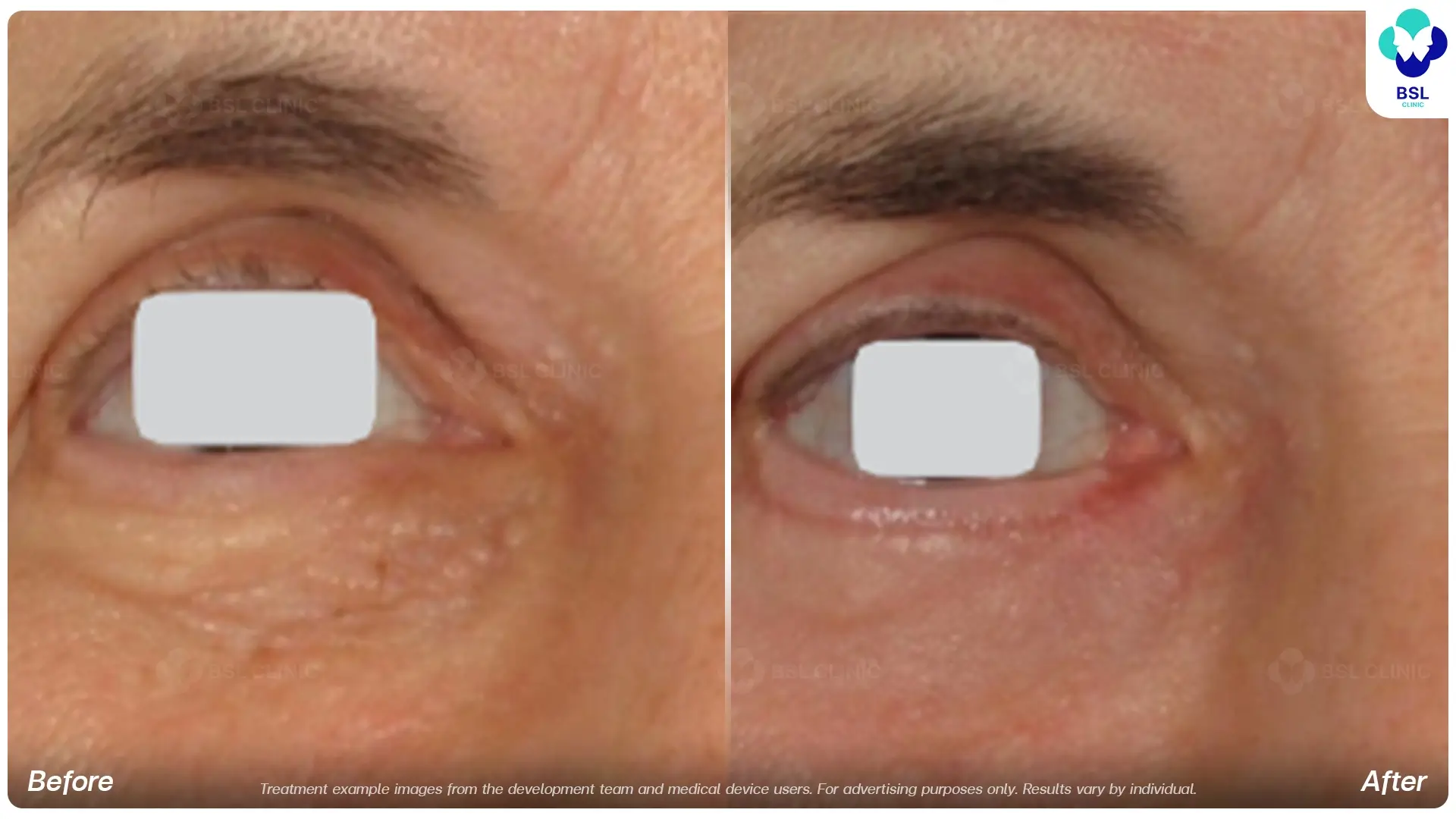
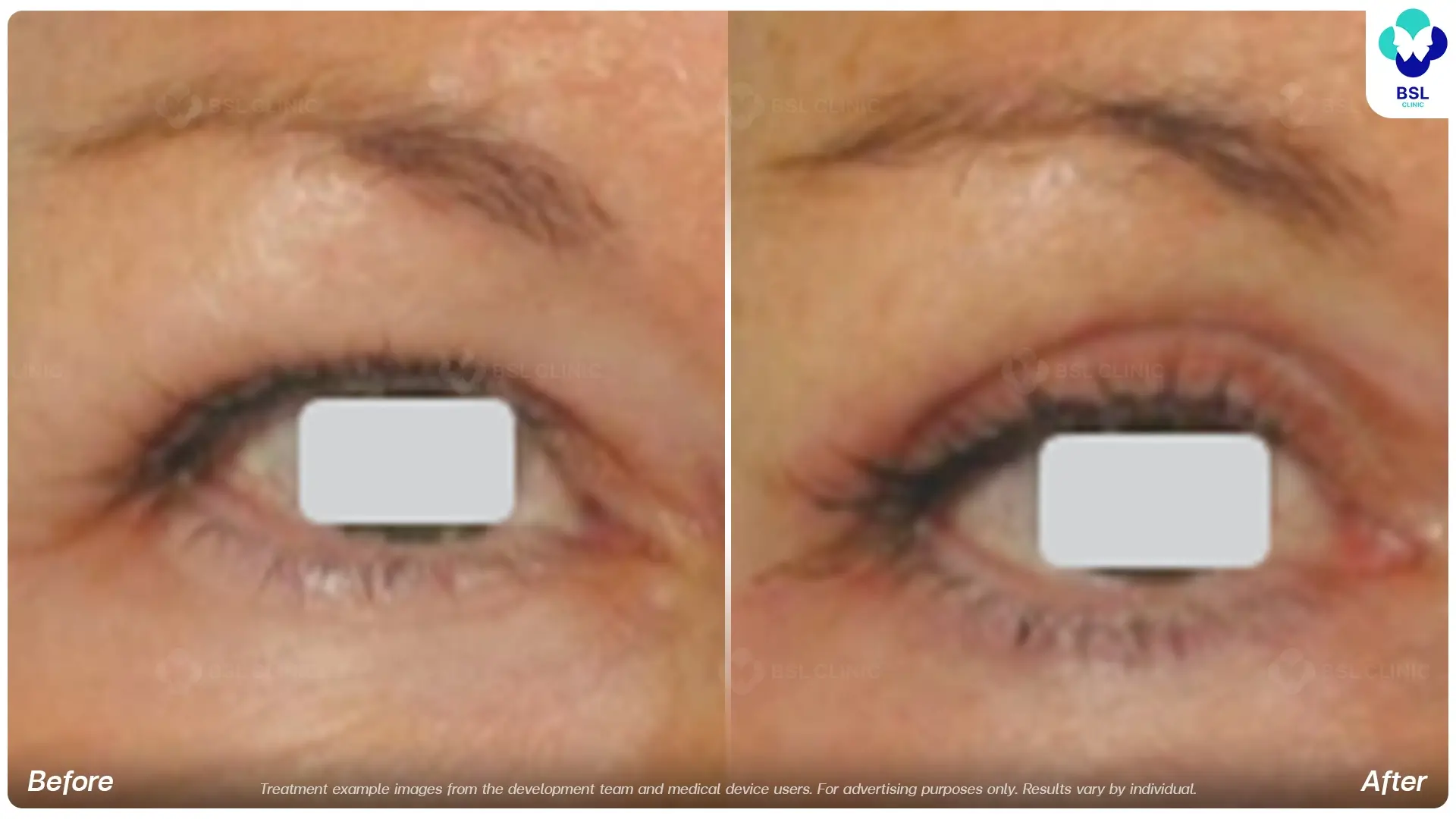
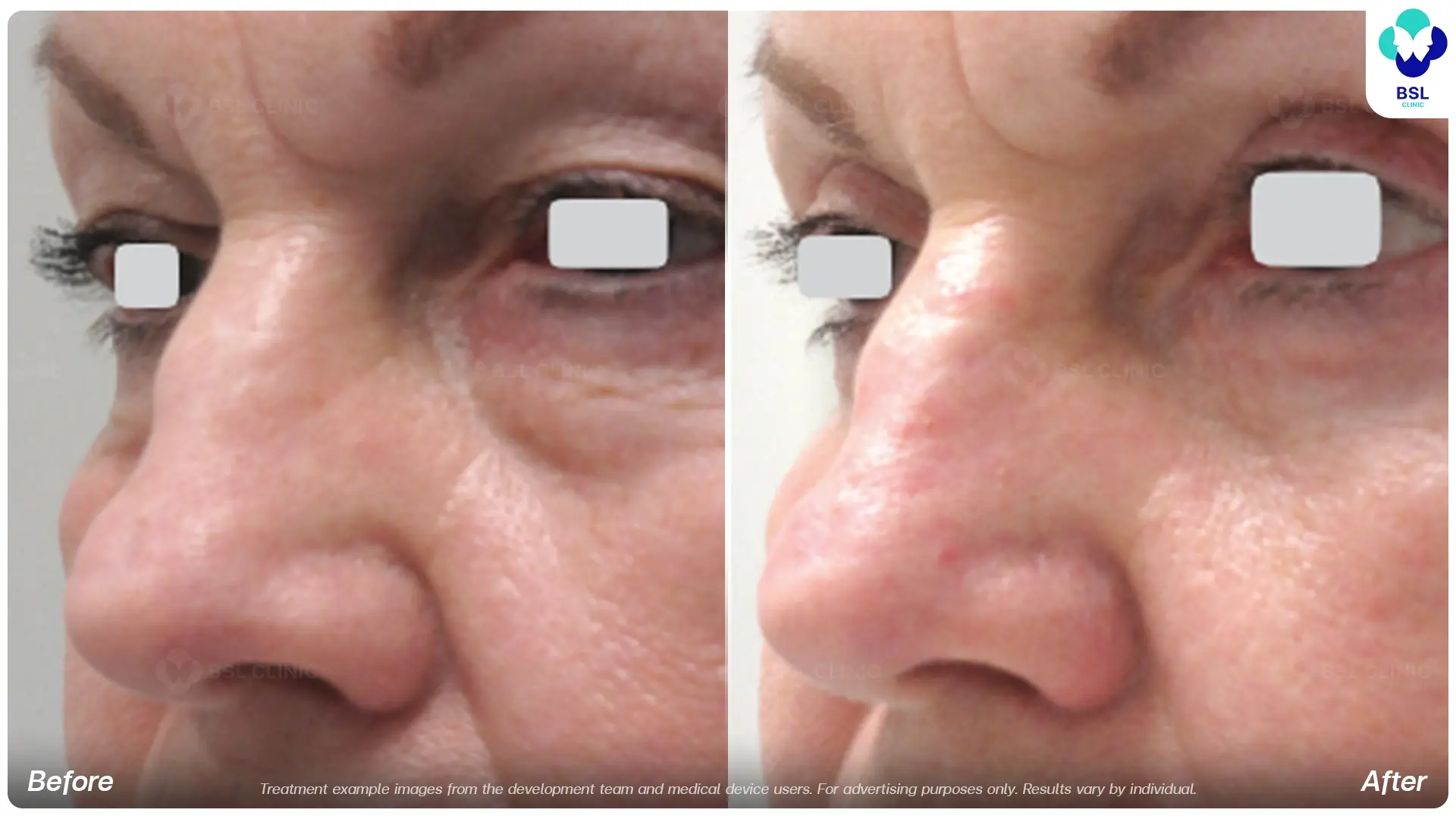

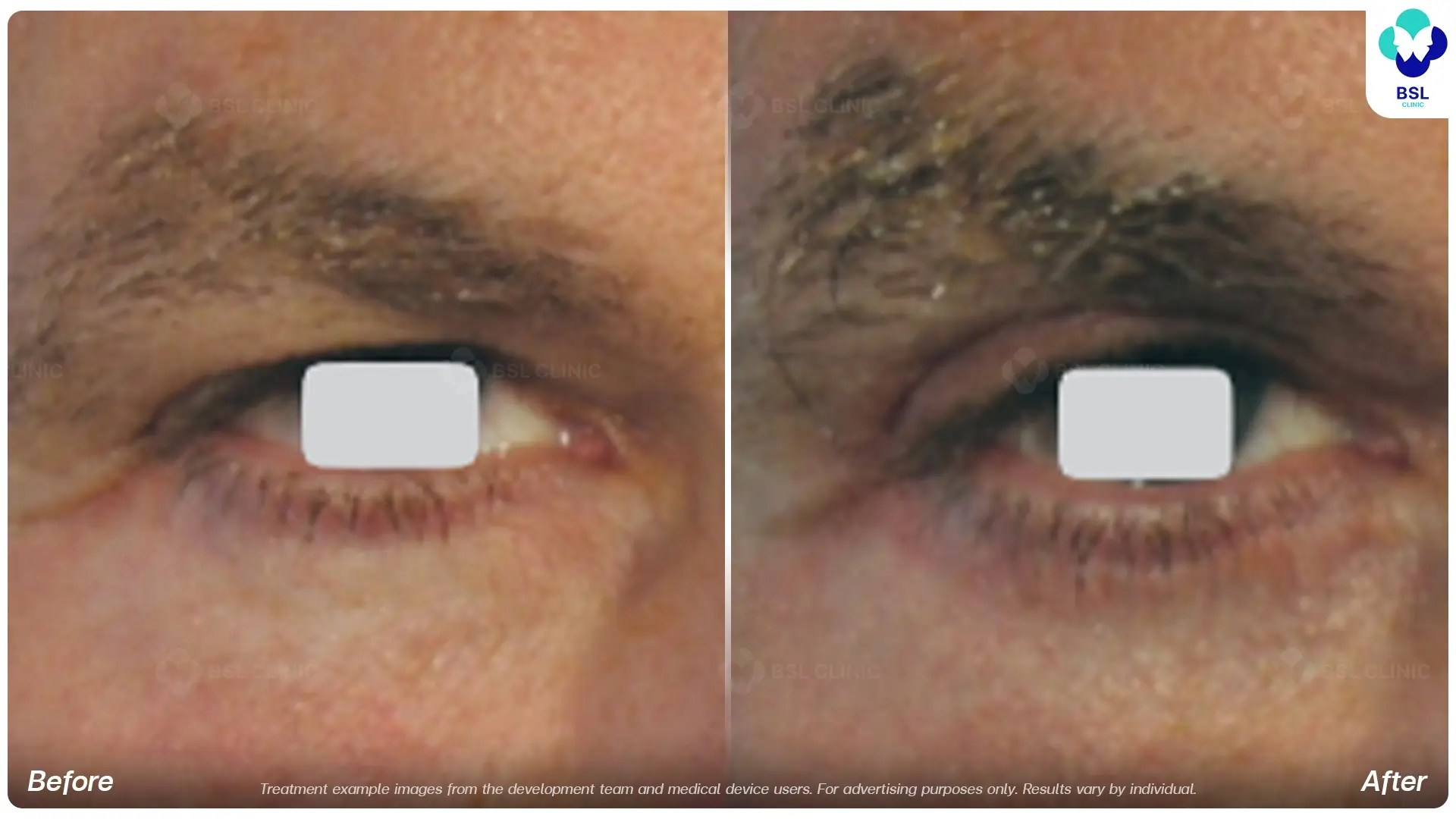
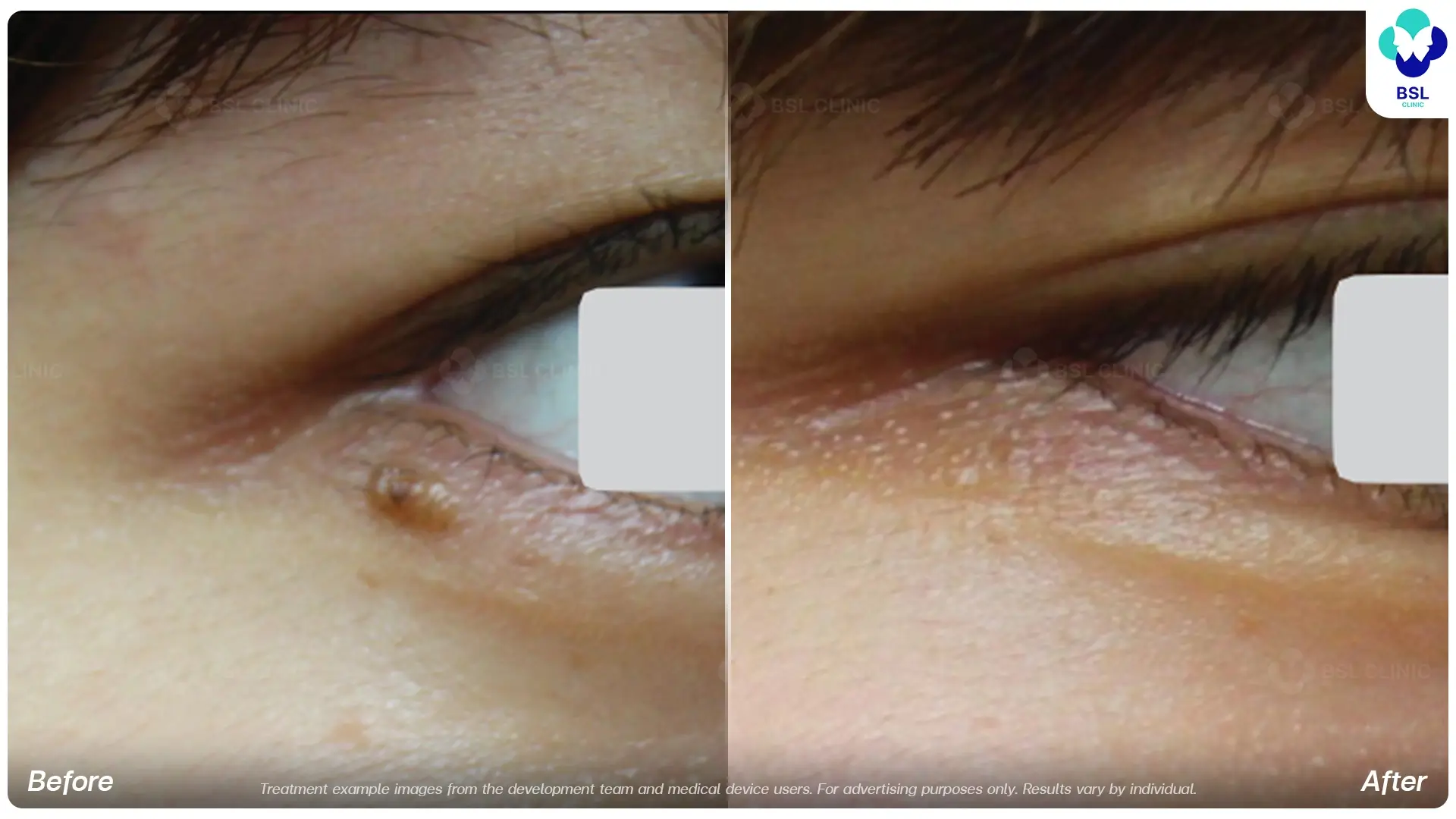
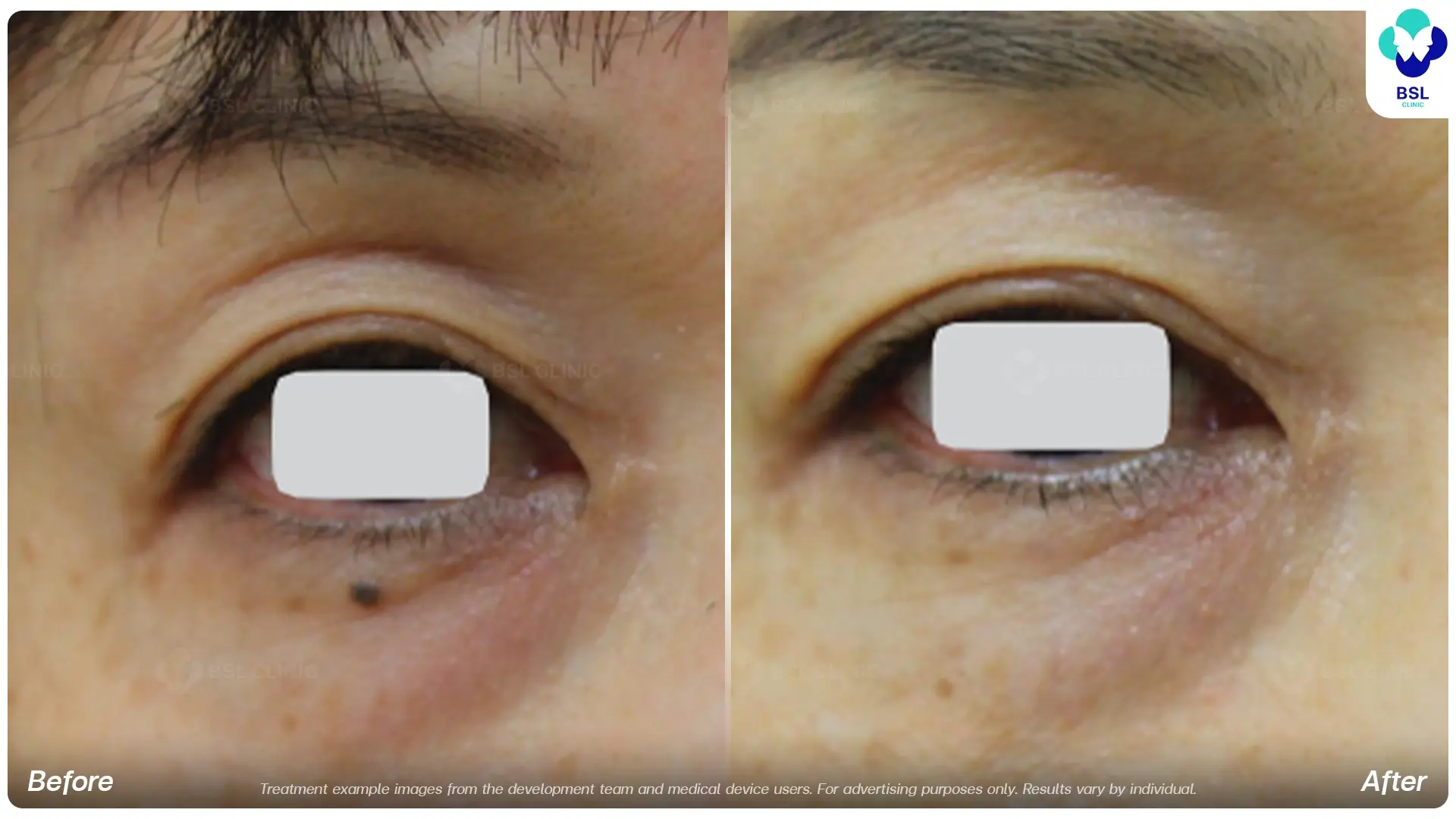
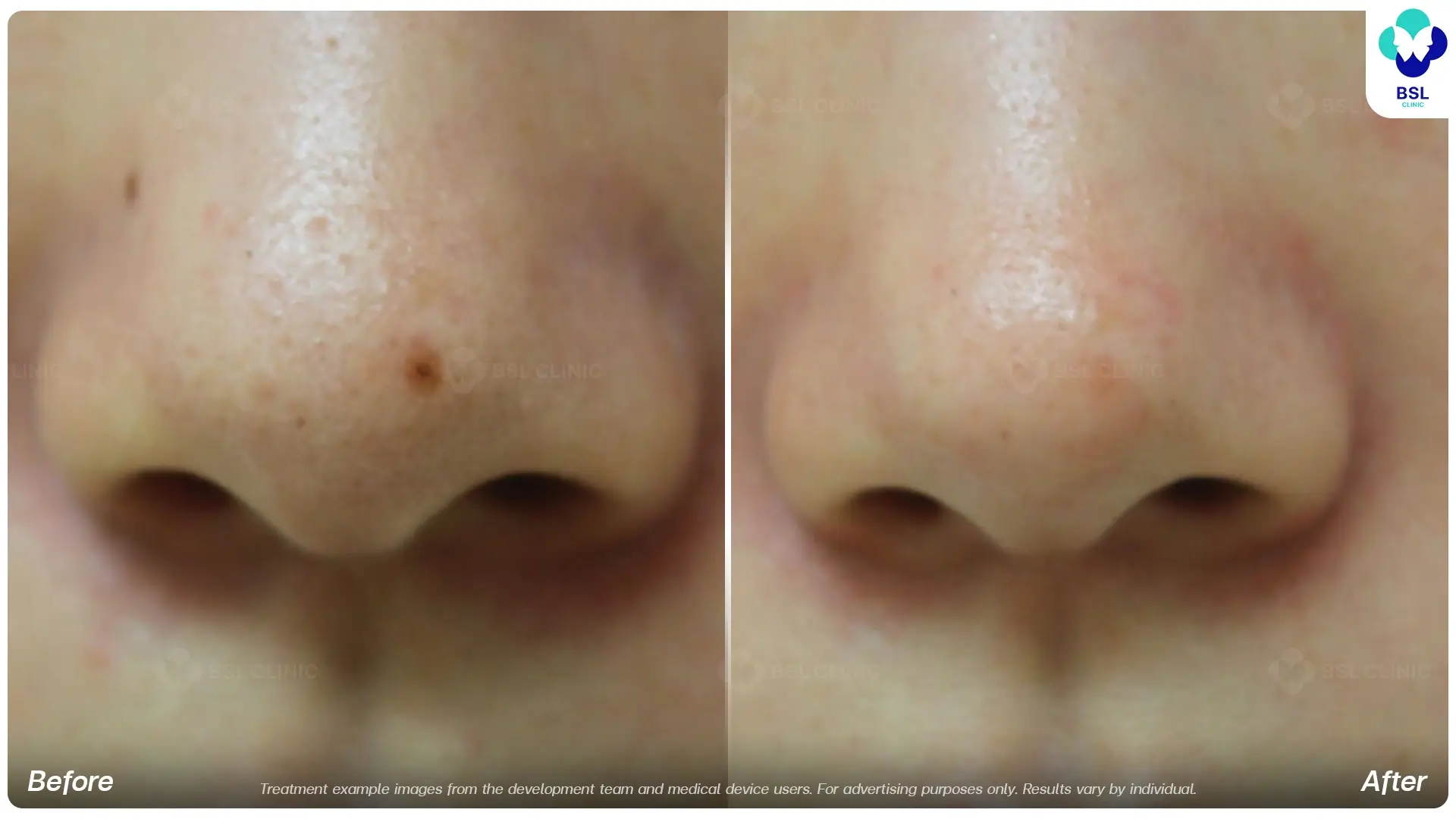

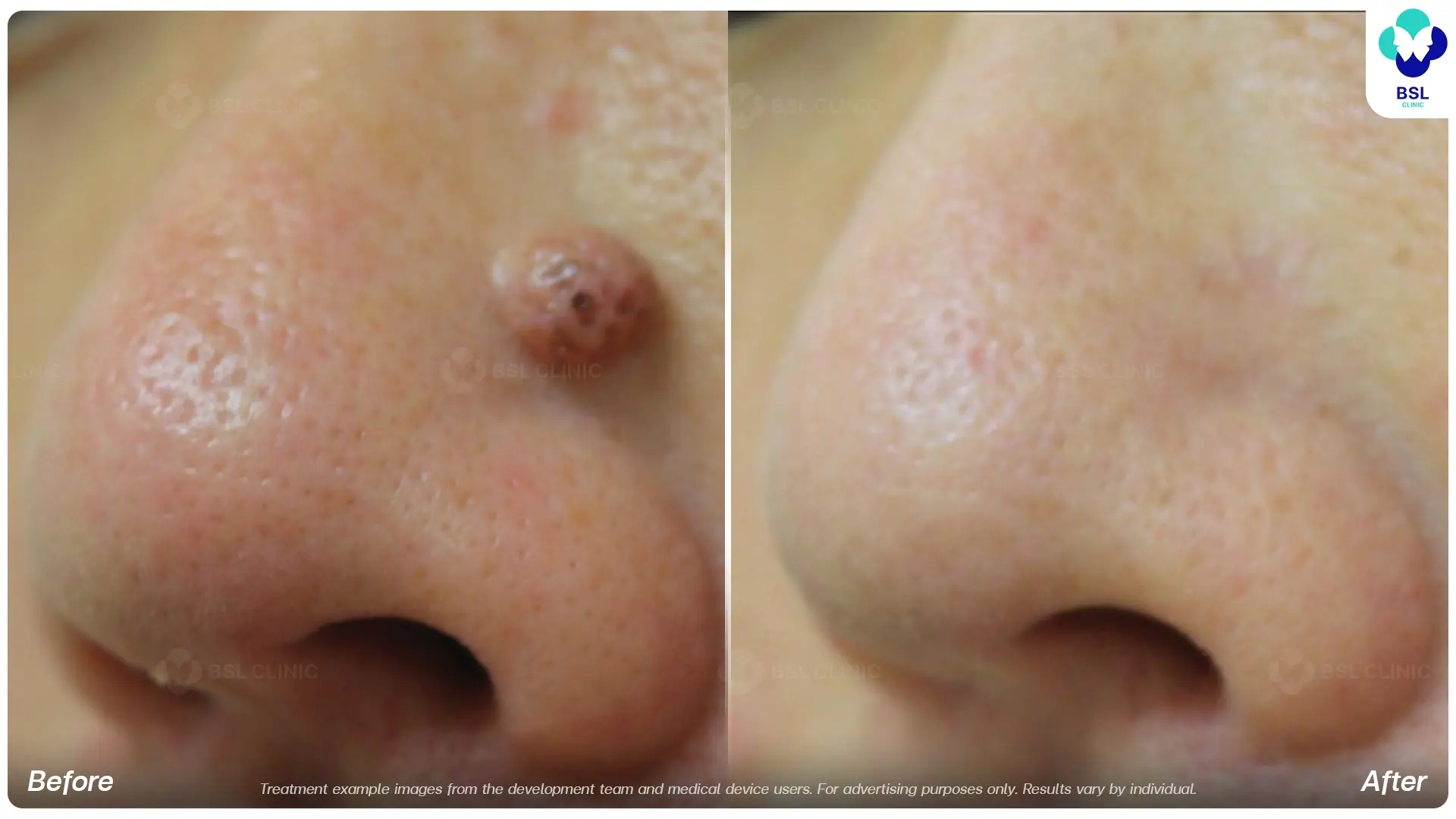
Advertising Image
In modern aesthetic dermatology, skin concerns are rarely treated in isolation.
What appears as a single concern on the surface often reflects several changes happening beneath the skin — from texture and pigmentation to redness, firmness, and subtle shifts in facial structure.
At BSL Clinic, this broader view of skin aging led to the development of SHIFT 360 — a framework designed to look at skin concerns more holistically rather than addressing each issue separately.
Within this perspective, many visible changes can be understood across five key dimensions of skin aging.
Skin aging can often be viewed through five visible dimensions — each reflecting a different layer of change within the skin.
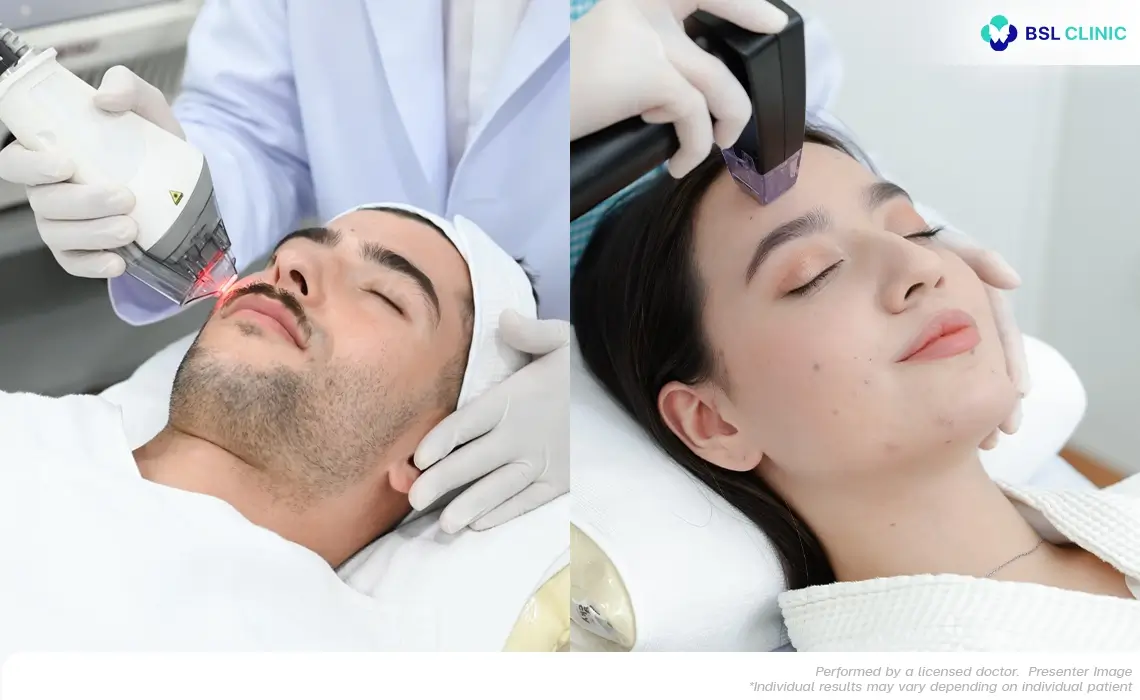
Where the first signs appear
Fine lines are often the earliest visible sign that the skin’s collagen structure is beginning to evolve.
Within this dimension, treatment approaches may focus on skin resurfacing and collagen renewal. Technologies such as fractional laser resurfacing — including fractional CO2 laser program — are commonly used to support gradual collagen renewal and smoother texture.
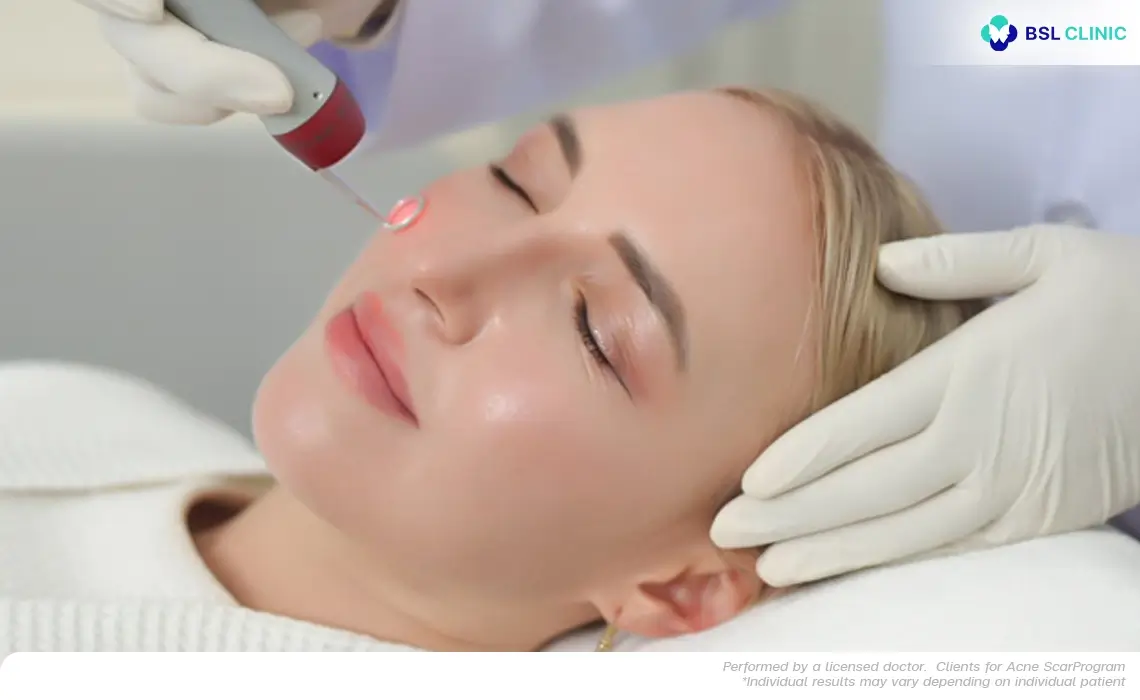
When tone becomes uneven
Sun exposure, aging, and past skin inflammation may gradually influence pigmentation.
In this dimension, PicoWay laser program is often used to target pigment with ultra-short pulses that break it into smaller fragments. These fragments are gradually cleared by the body’s natural processes, helping discoloration fade and supporting a clearer, more even-looking complexion.
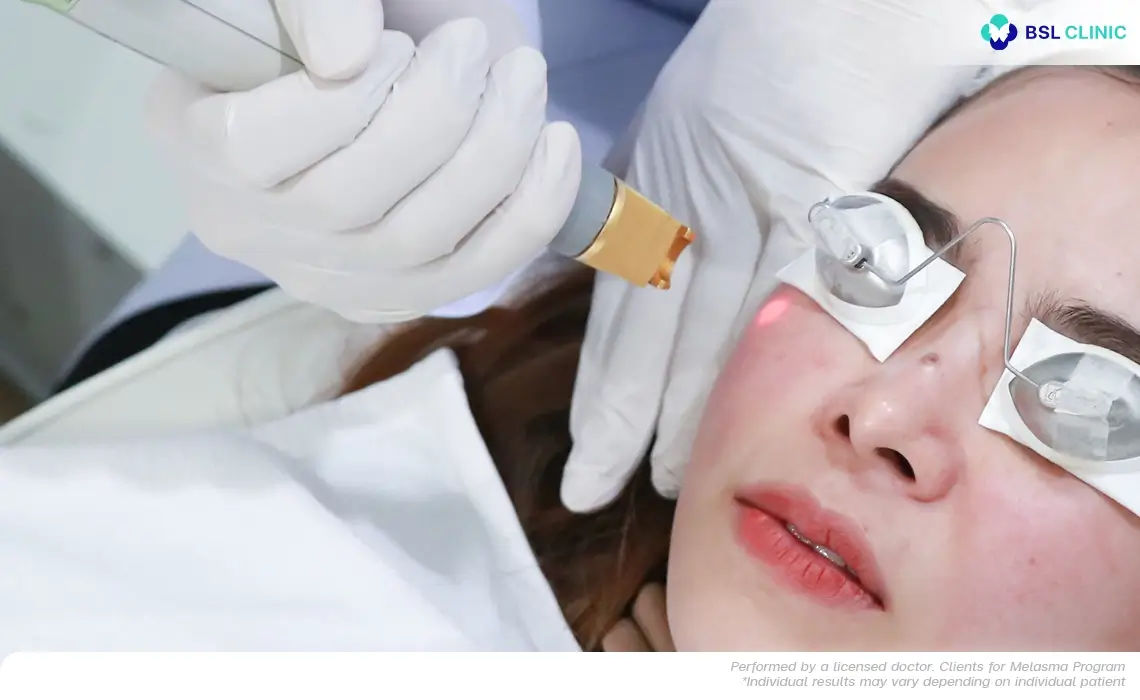
When redness becomes visible
Some forms of facial redness may develop as small blood vessels become more visible within the skin.
Vascular laser is designed to specifically target these small vessels, helping them gradually constrict and fade — which may reduce persistent redness and restore a healthier-looking skin tone.
When firmness begins to soften
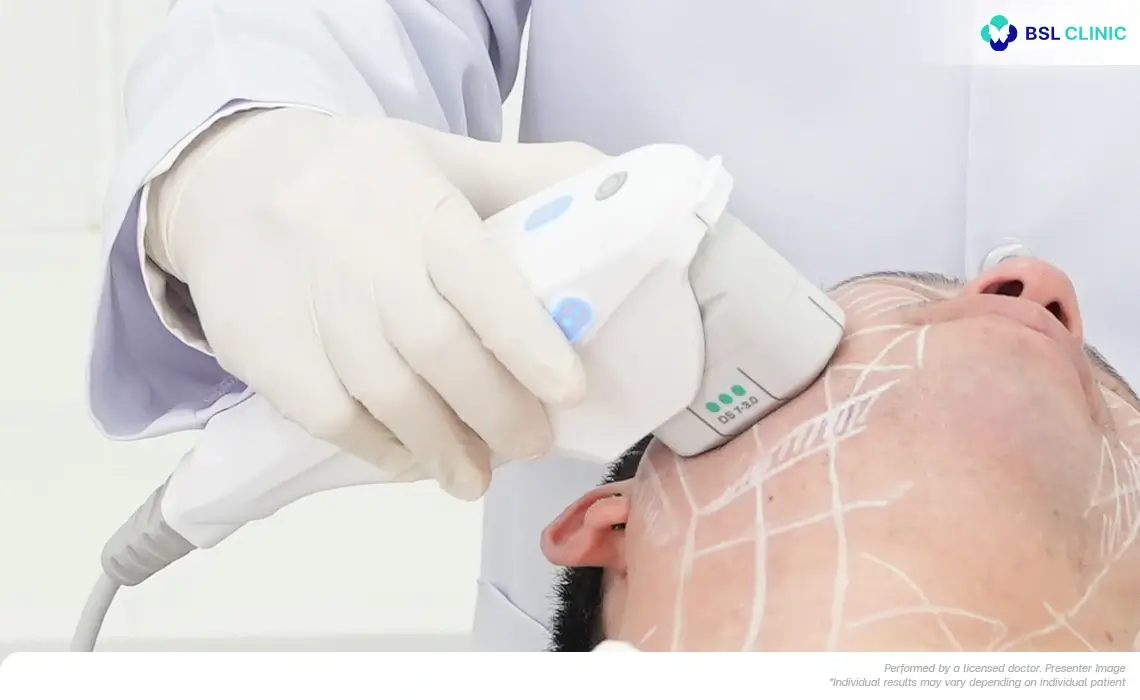
As collagen and elastin networks evolve over time, the skin’s underlying support structure may gradually weaken.
Non-surgical lifting technologies can stimulate deeper tissue layers to help improve skin firmness and contour — supporting a more lifted appearance without incisions or visible scars.
When contours gradually shift
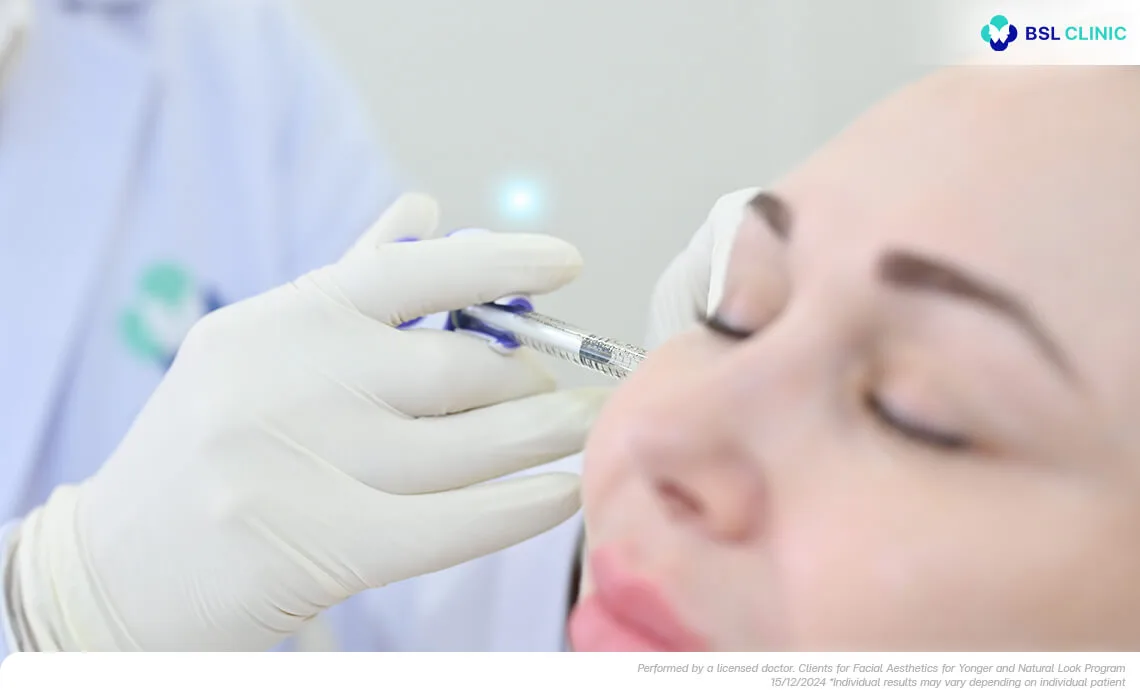
Facial aging is not only about skin texture. Subtle changes in volume distribution can also affect facial proportions over time.
Treatment approaches may include hyaluronic acid filler program to restore structural support, along with biostimulator treatments that help encourage the skin’s own collagen production for longer-term volume support.
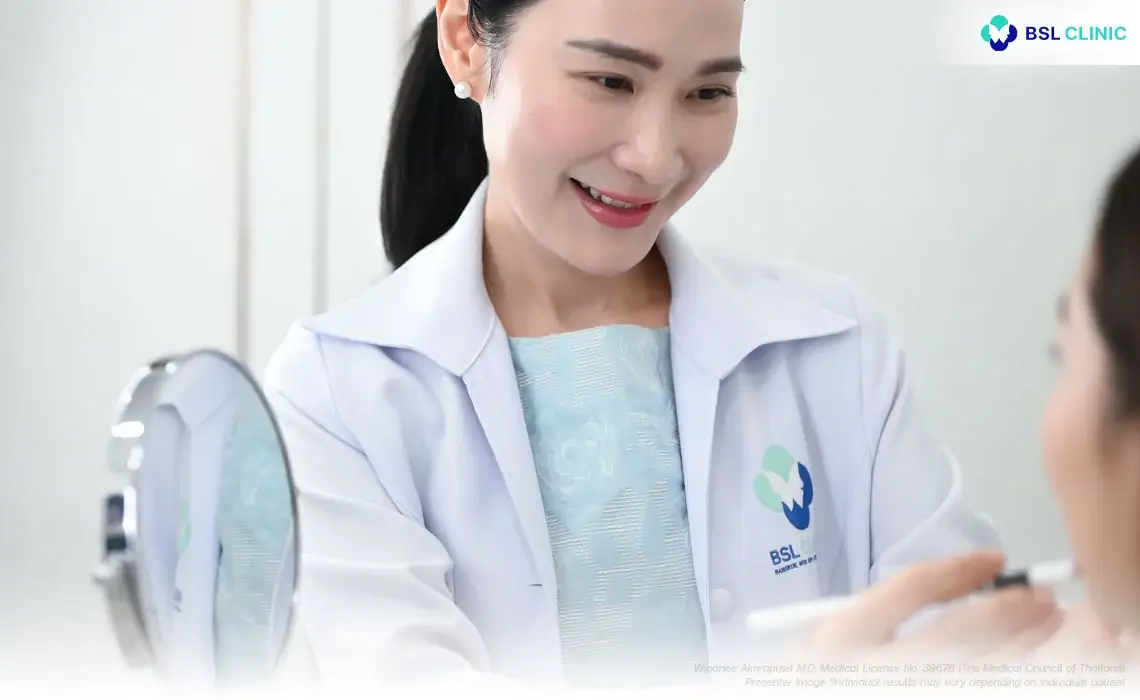
Fractional CO2 laser program works by stimulating the skin’s natural repair processes beneath the surface, so a short recovery period is a normal part of the healing response.
After treatment, the skin may feel similar to a mild sunburn for a few days.
During the early healing phase, it is common to notice:
Visible recovery often occurs within about 7 days, although this can vary depending on skin type and treatment intensity.
Proper aftercare helps support the skin’s recovery after CO2 laser resurfacing treatment.
Patients are typically advised to keep the skin well moisturized, protect it from sun exposure, and follow the skincare guidance provided by the clinic.
At BSL Clinic, patients also receive post-treatment follow-up care, along with prescribed medications or recovery creams when appropriate, to help support comfortable healing and optimal skin recovery.
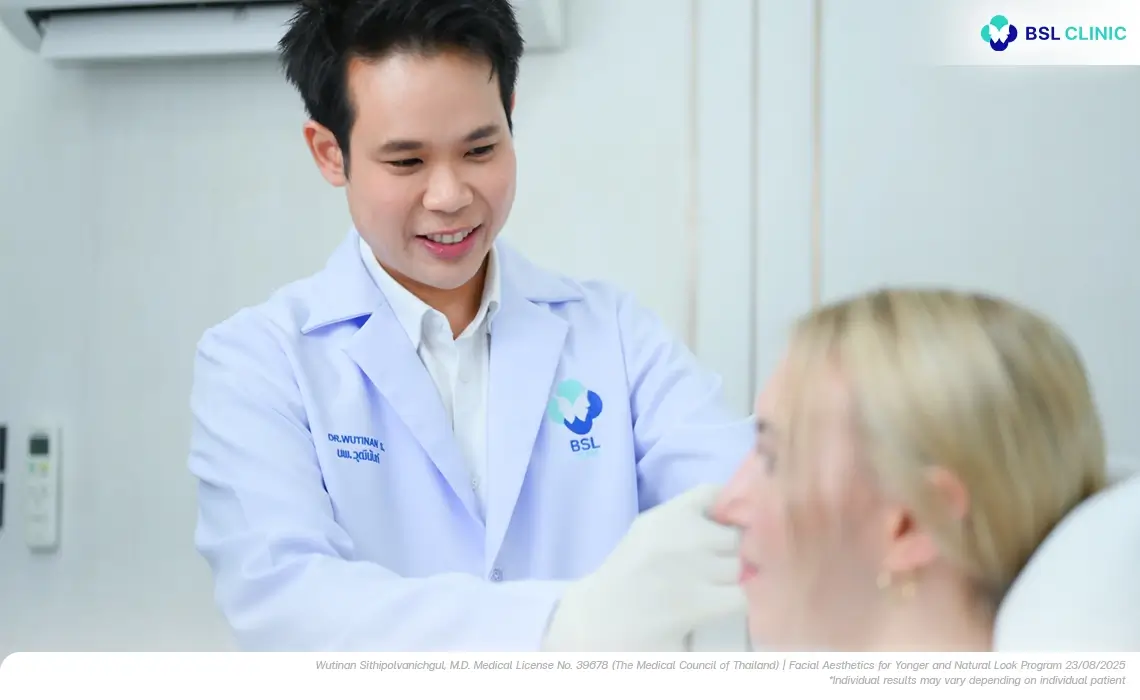
Fractional CO2 laser Program resurfacing is a widely used treatment for improving skin texture, wrinkles, and certain types of scars. By creating microscopic treatment zones in the skin, the laser stimulates controlled skin renewal and dermal repair processes.
Within a broader skin-aging perspective such as the SHIFT 360 framework, fractional resurfacing is often considered alongside other treatments that address tone, redness, firmness, and facial volume.
In short:
Fractional CO2 laser resurfacing is commonly used to help improve:
Fractional CO2 laser can be used for a range of skin types when treatment settings are carefully adjusted. Because darker skin tones may have a higher risk of post-inflammatory pigmentation, experienced practitioners typically tailor energy levels and treatment density accordingly.
Most people experience temporary redness, warmth, and light peeling as the skin heals.
Visible recovery usually occurs within about 7 days, although this may vary depending on treatment depth and individual skin response.
A topical numbing cream is typically applied before treatment to help improve comfort. Most people describe the sensation as heat or mild stinging during the procedure.
Some individuals notice improvement after a single treatment, particularly for skin texture concerns.
However, the number of sessions may vary depending on the skin condition and treatment goals.
Initial improvements may appear as the skin heals in the weeks following treatment. Further improvements may gradually develop over the following months as collagen remodeling continues.
In some cases, carefully performed CO2 laser under eyes may help improve fine lines and crepey skin around the eye area.
Treatment settings are typically adjusted because the skin in this area is thinner and more delicate
Results can vary depending on skin condition, lifestyle, and skincare habits. Many people notice improvements that can last for months or longer as gradual collagen renewal continues within the skin.
In some treatment plans, fractional CO2 laser resurfacing may be combined with other technologies that address pigmentation, redness, or skin firmness.
Combination approaches are sometimes used to support multiple aspects of skin rejuvenation.
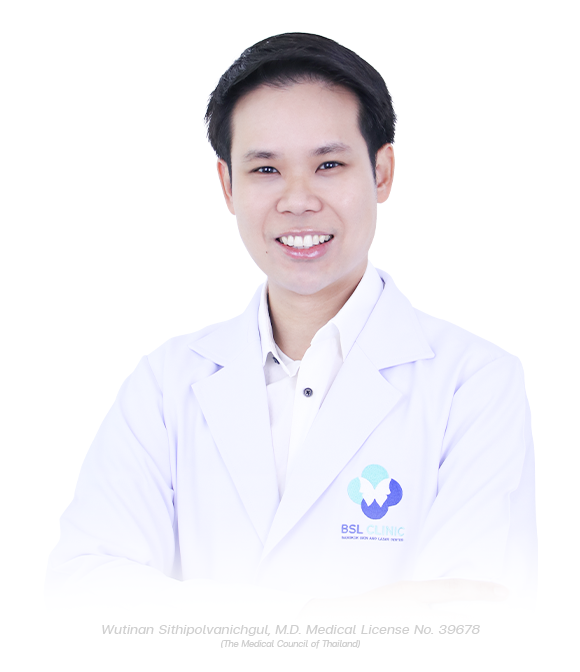
The Medical Council of Thailand BSL Clinic, Bangkok


Call Center : +66993438666
Whatsapp : +66620136667
Line ID : @bslclinic
bslclinic.com
BSL Clinic (Sukhumvit Branch)
Time Square Building Room 114 (Ground Floor). 246 Sukhumvit Road, Khlong Toei, Bangkok, Thailand 10110
Copyright © 2015 www.bslclinic.com All Rights Reserved.