





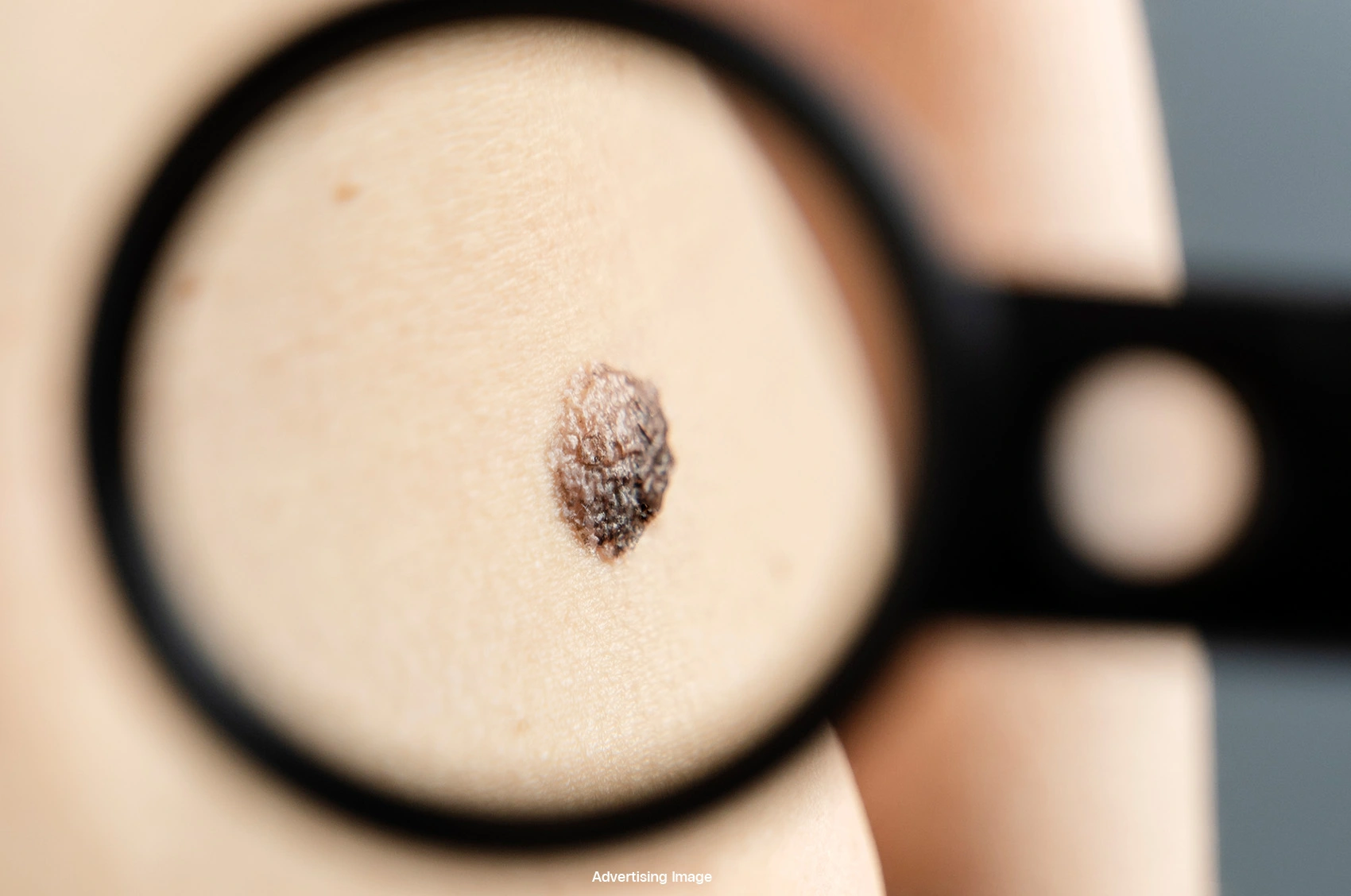
ไฝเป็นลักษณะผิวหนังที่พบได้ทั่วไป สามารถเกิดขึ้นได้ทุกส่วนของร่างกาย แม้ว่าไฝส่วนใหญ่จะไม่เป็นอันตราย แต่บางคนอาจเลือกพิจารณาการกำจัดไฝด้วยเหตุผลด้านความสวยงามหรือความสะดวกสบาย ไม่ว่าจะเพื่อรูปลักษณ์ ความสบาย หรือการติดตามตรวจเช็กเป็นประจำ การทำความเข้าใจตัวเลือกในการดูแลและรักษาไฝจึงเป็นสิ่งที่มีประโยชน์
บทความนี้จะให้ข้อมูลอย่างชัดเจนเกี่ยวกับไฝคืออะไร แตกต่างจากติ่งเนื้ออย่างไร และวิธีการดูแลหรือรักษาที่นิยมใช้ในทางการแพทย์
ไฝคือก้อนเนื้อหรือจุดเล็ก ๆ บนผิวหนังที่สามารถเกิดขึ้นได้ทุกส่วนของร่างกาย เกิดจากการรวมตัวของเซลล์เม็ดสีที่เรียกว่า melanocytes โดยทั่วไป ไฝมักมีมาตั้งแต่วัยเด็ก แต่ก็สามารถเกิดขึ้นใหม่ได้เมื่ออายุมากขึ้น หรือจากการสัมผัสแสงแดด ไฝบางเม็ดอาจคงสภาพเดิม แต่บางเม็ดอาจมีการเปลี่ยนแปลง เช่น สีเข้มขึ้น หรือยกนูนมากขึ้นตามเวลา การเข้าใจความแตกต่างระหว่าง “ไฝ” และ “ติ่งเนื้อ” จะช่วยให้สามารถแยกแยะลักษณะของผิวหนังที่เกิดขึ้นได้อย่างถูกต้อง
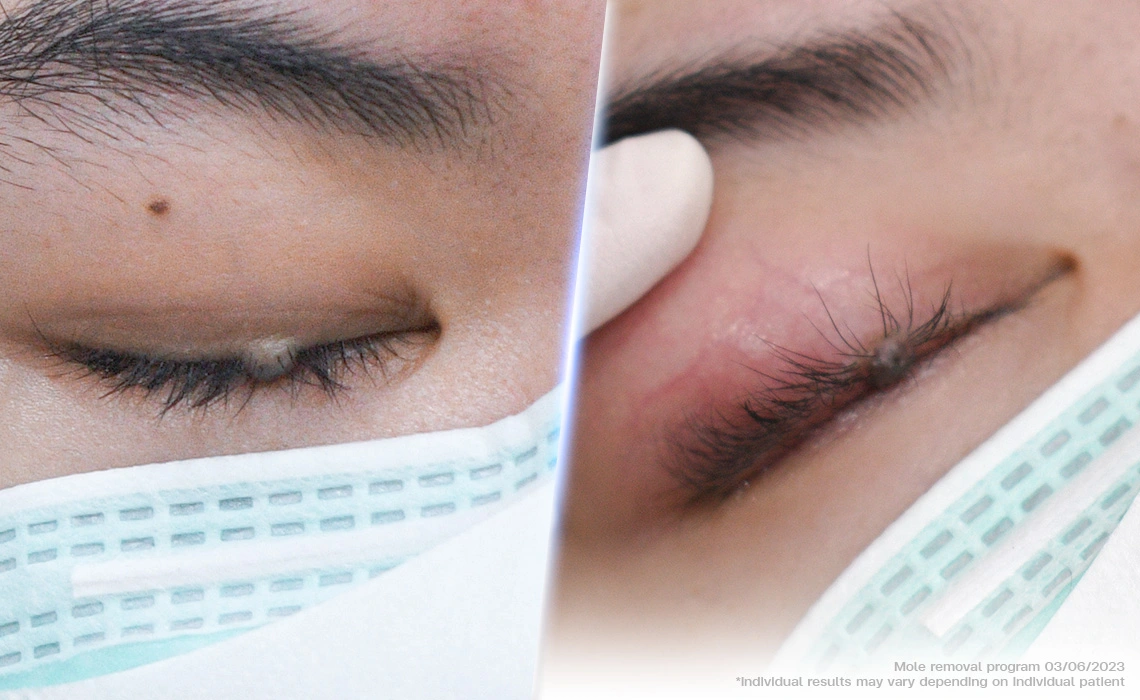
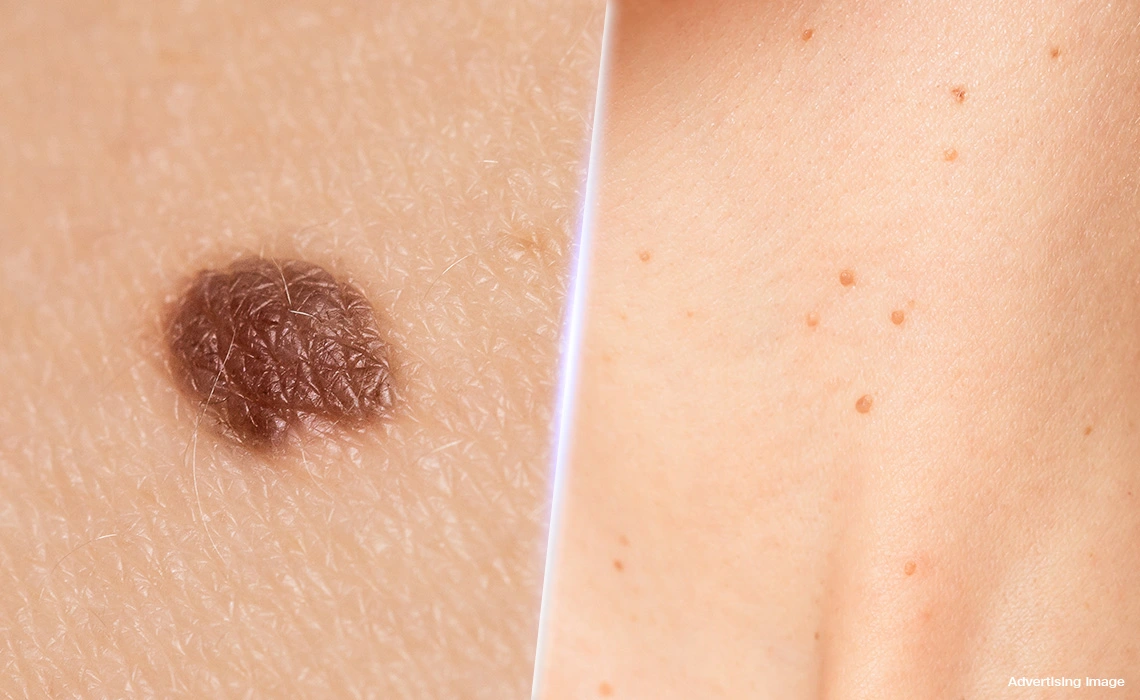
ไฝและติ่งเนื้อเป็นปัญหาผิวหนังที่พบได้บ่อยทั้งคู่ แต่มีลักษณะที่แตกต่างกัน
ไฝมักมีสีน้ำตาลหรือสีดำ อาจเรียบหรือยกนูน และบางครั้งอาจมีขนขึ้นร่วมด้วย
ติ่งเนื้อเป็นก้อนนุ่มขนาดเล็ก สีเนื้อ มักพบในบริเวณที่ผิวมีการพับหรือเสียดสีกัน เช่น คอ หรือรักแร้
แม้ว่าทั้งสองชนิดโดยทั่วไปจะไม่เป็นอันตราย แต่บางคนอาจเลือกกำจัดไฝหรือติ่งเนื้อเพื่อความสบายหรือความสวยงาม
เมื่อพิจารณาการรักษาไฝ แพทย์อาจแนะนำวิธีการที่แตกต่างกันไป ขึ้นอยู่กับลักษณะของไฝ โดยวิธีที่นิยม ได้แก่:
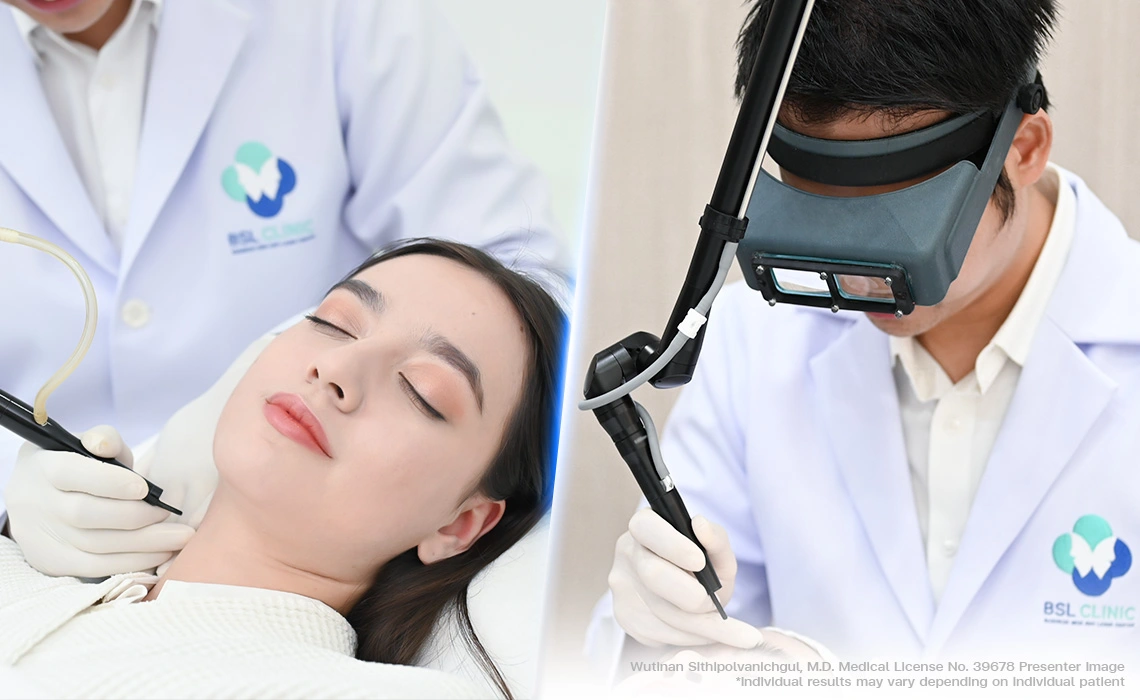
แต่ละวิธีการรักษาไฝจะถูกเลือกตามปัจจัยเฉพาะบุคคล เช่น ขนาด ความลึก และตำแหน่งของไฝ
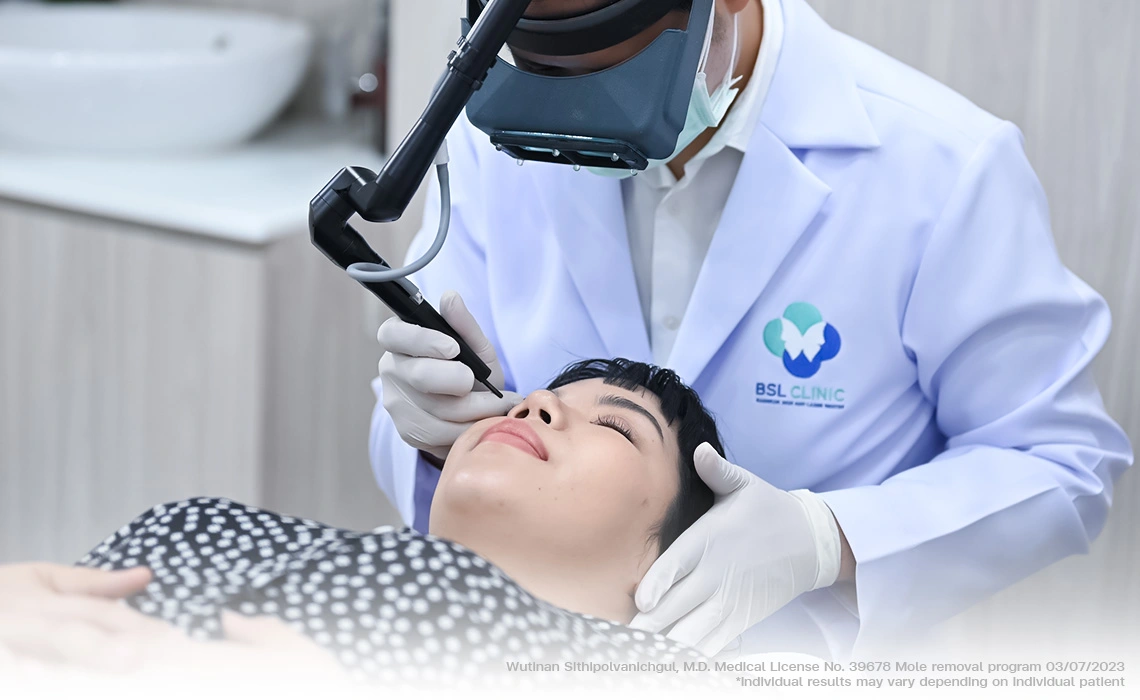
ก่อนเข้ารับการรักษาไฝ ควรให้แพทย์ประเมินบริเวณดังกล่าวก่อน โดยพิจารณาปัจจัยต่าง ๆ เช่น ชนิดของไฝ ความไวของผิว และประวัติสุขภาพ
หลังการกำจัดไฝ อาจมีอาการแดงเล็กน้อยหรือเกิดสะเก็ดบริเวณแผล ควรรักษาความสะอาดและหลีกเลี่ยงแสงแดดในช่วงที่แผลกำลังฟื้นตัว ทั้งนี้ ผลลัพธ์และระยะเวลาการหายอาจแตกต่างกันในแต่ละบุคคล
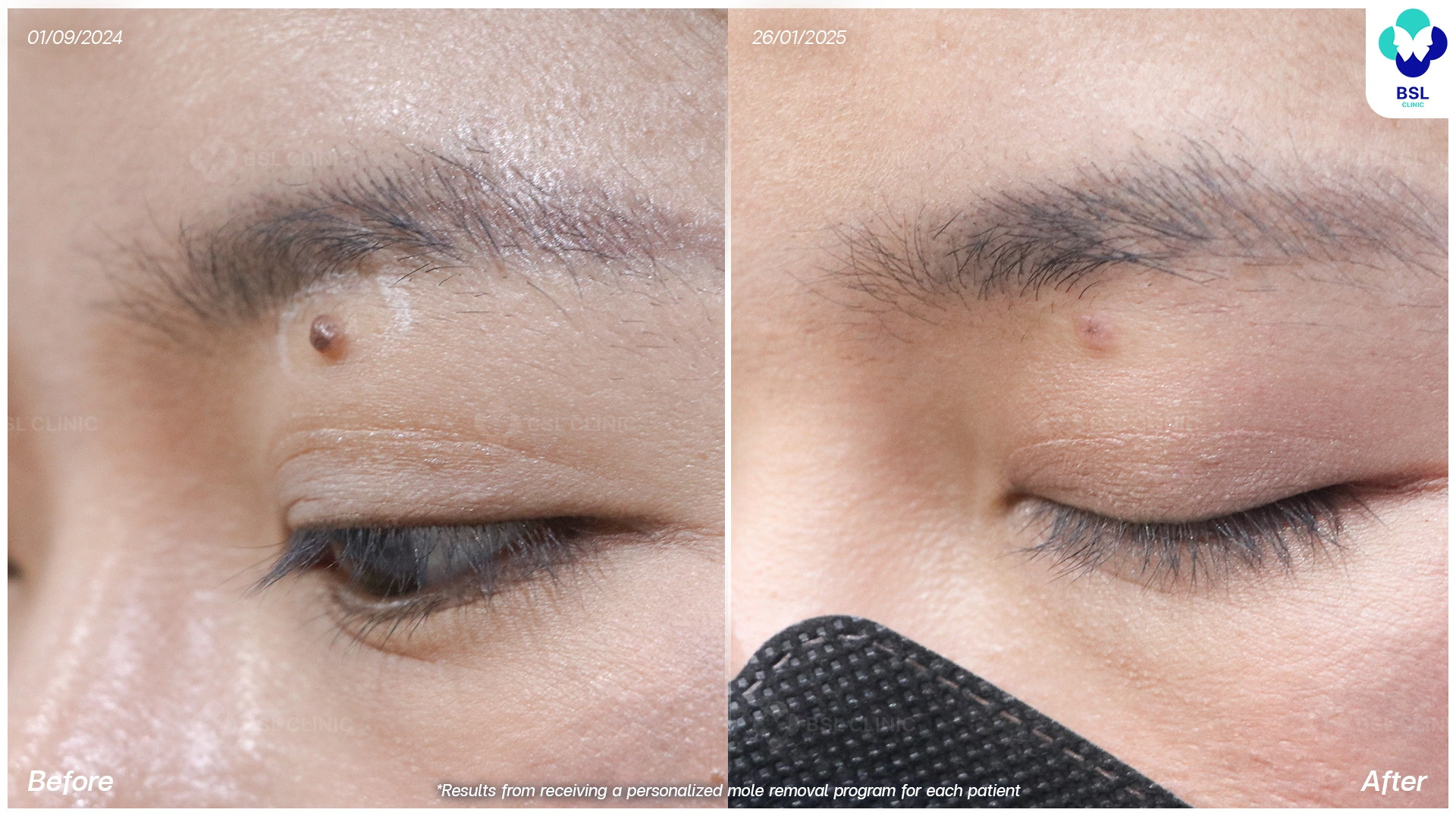
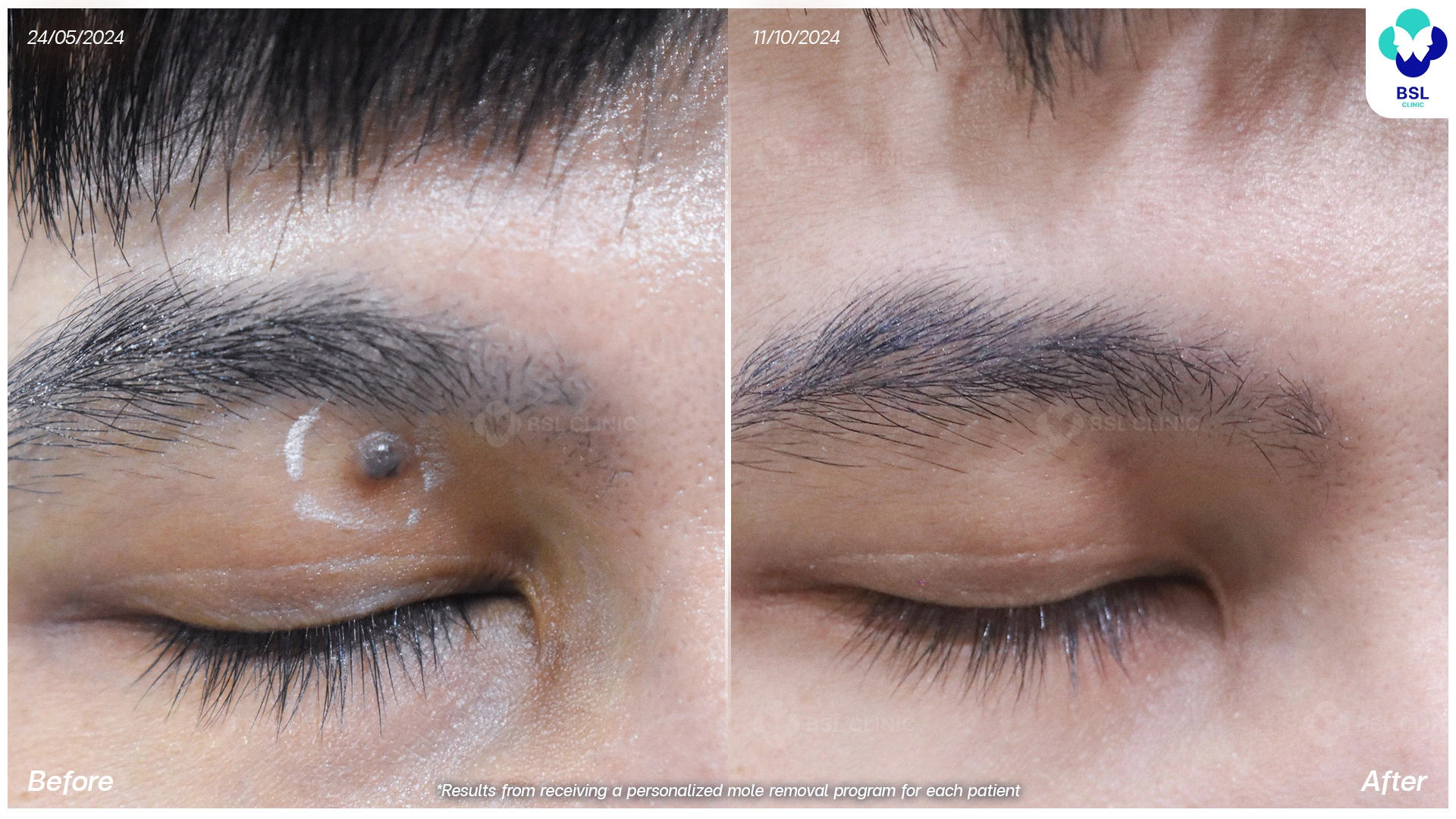
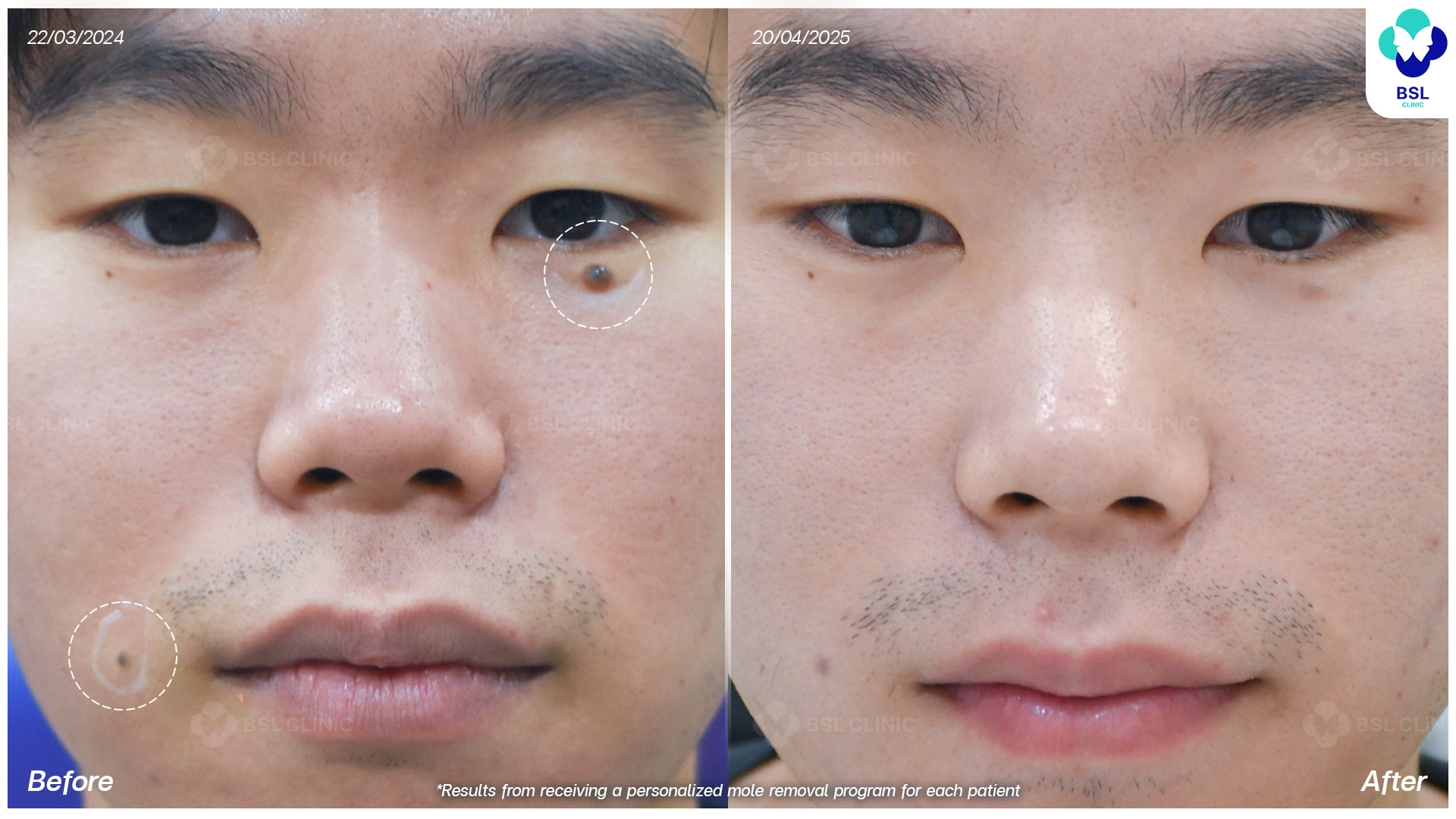
รวมผลการรักษาคนไข้ที่ BSL CLinic *ใช้เป็นตัวอย่างผลจากการเข้ารับการรักษาพยาบาลสำหรับผู้ป่วยเฉพาะราย
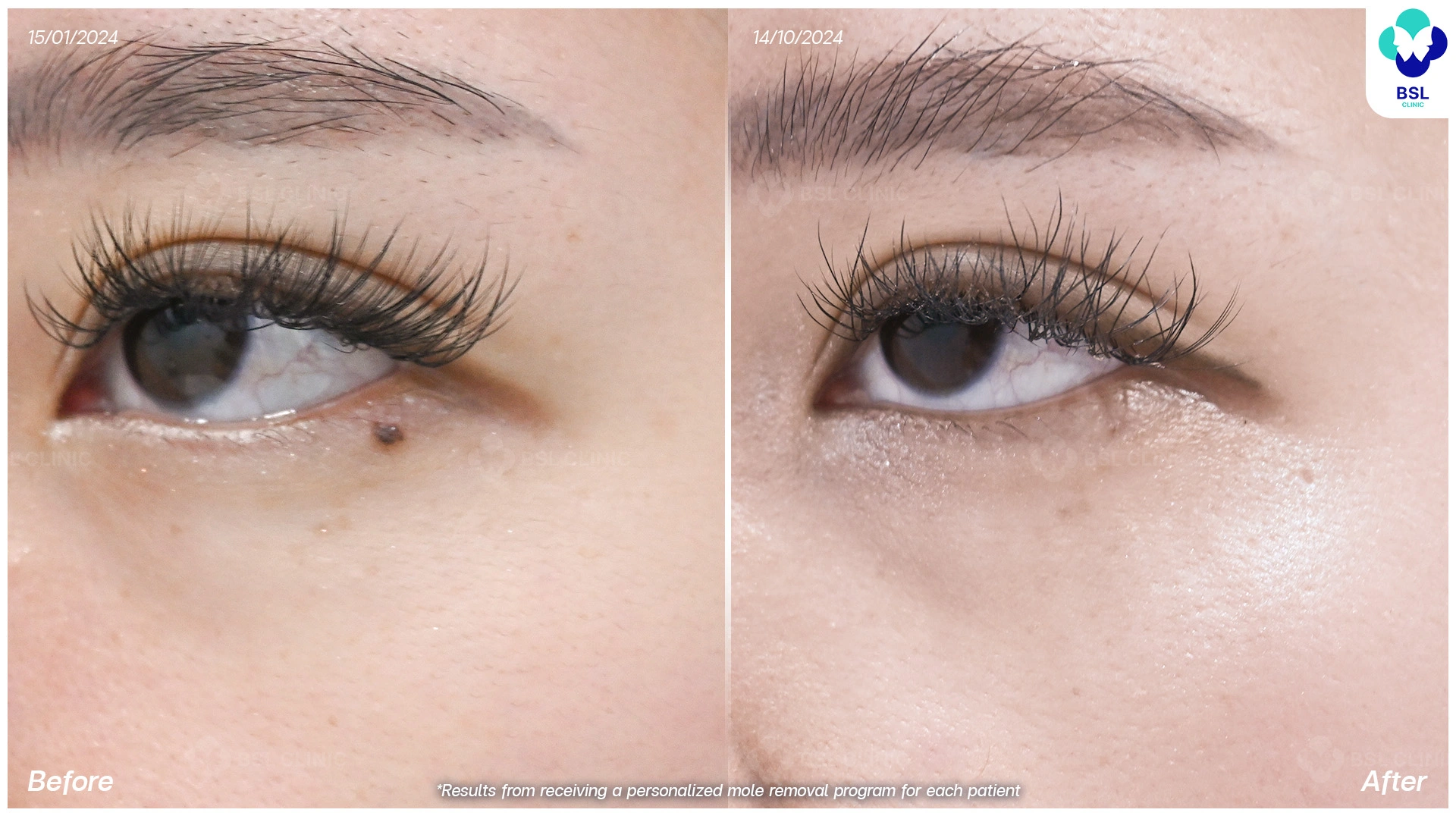
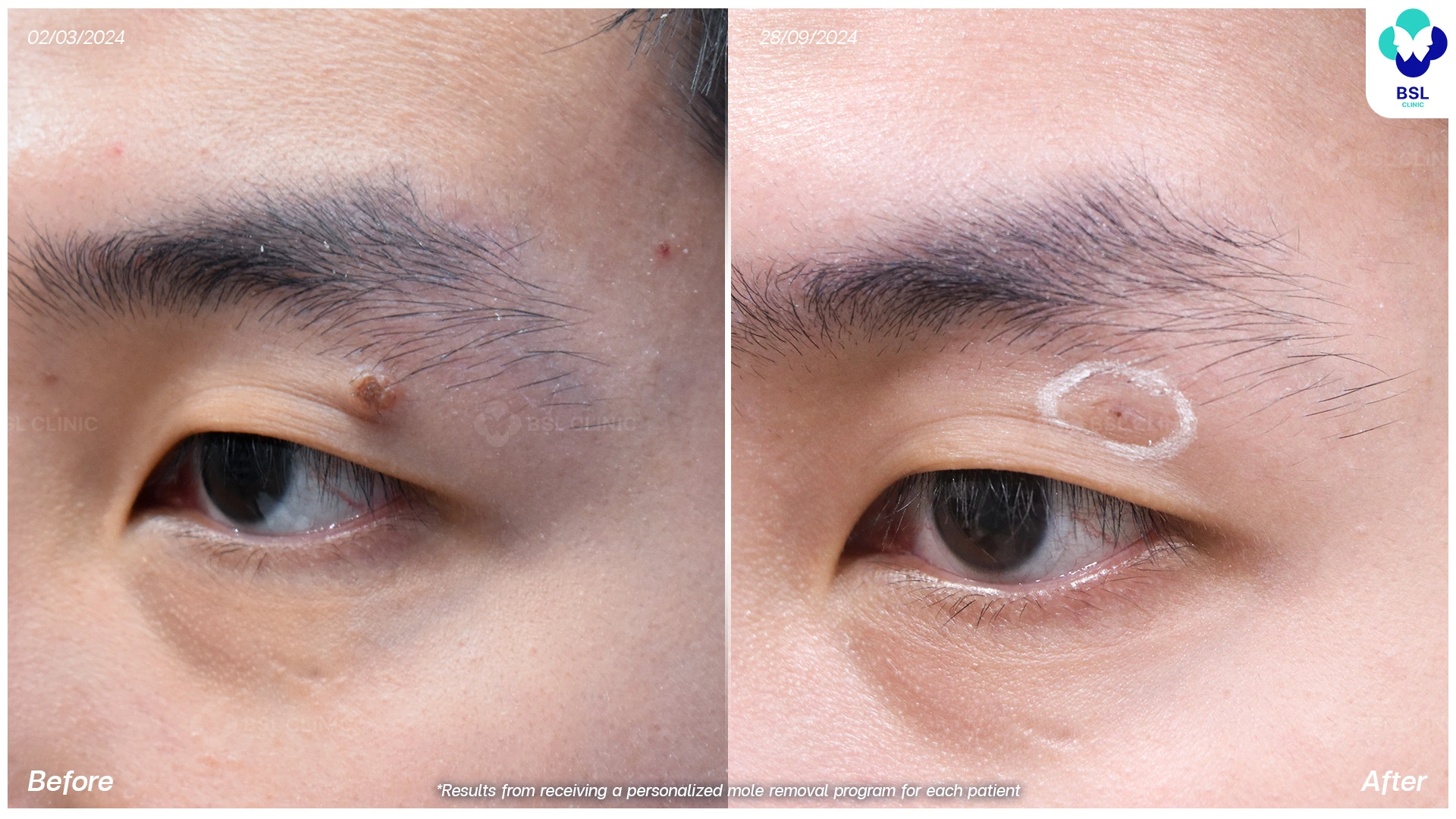
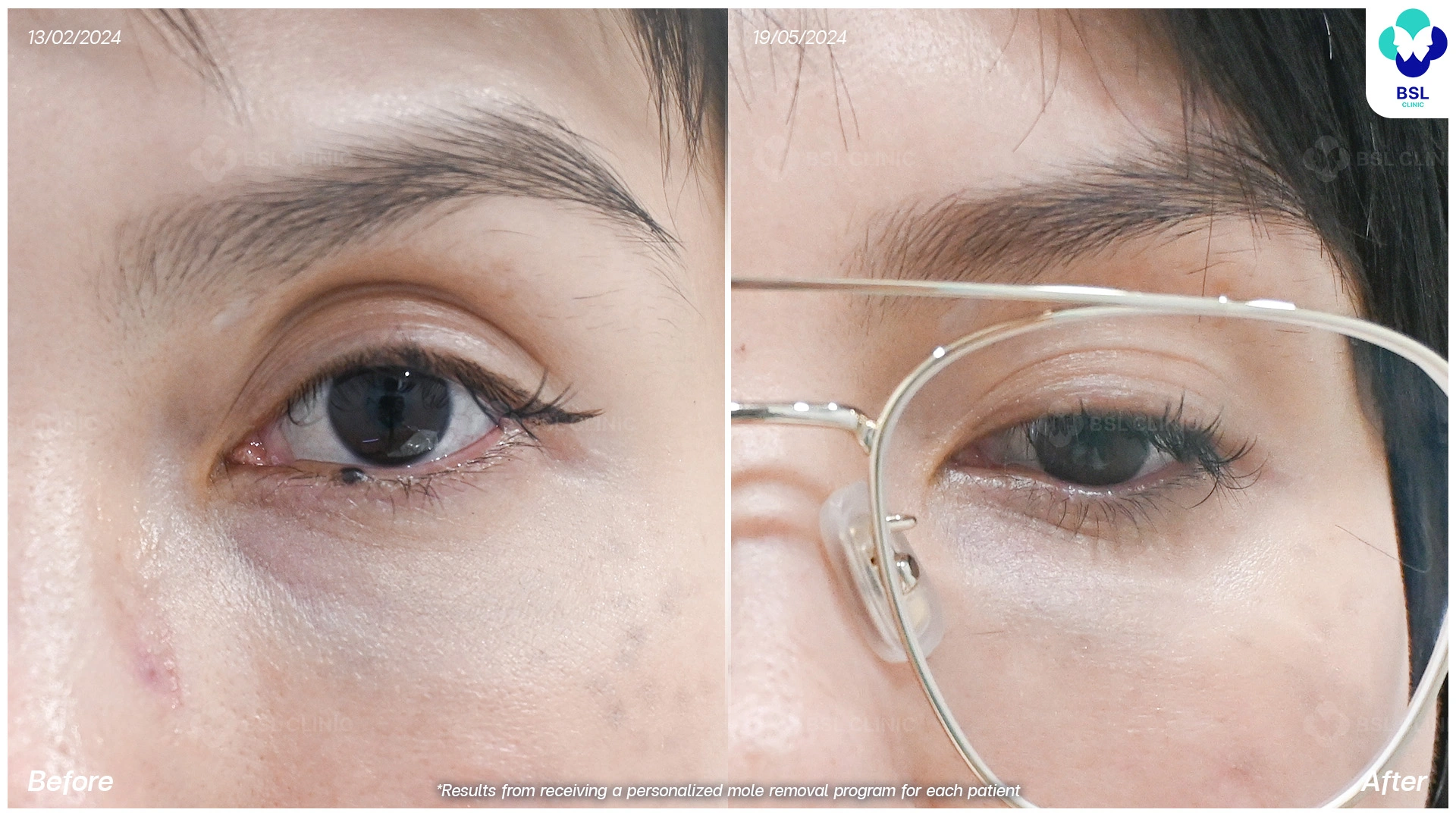
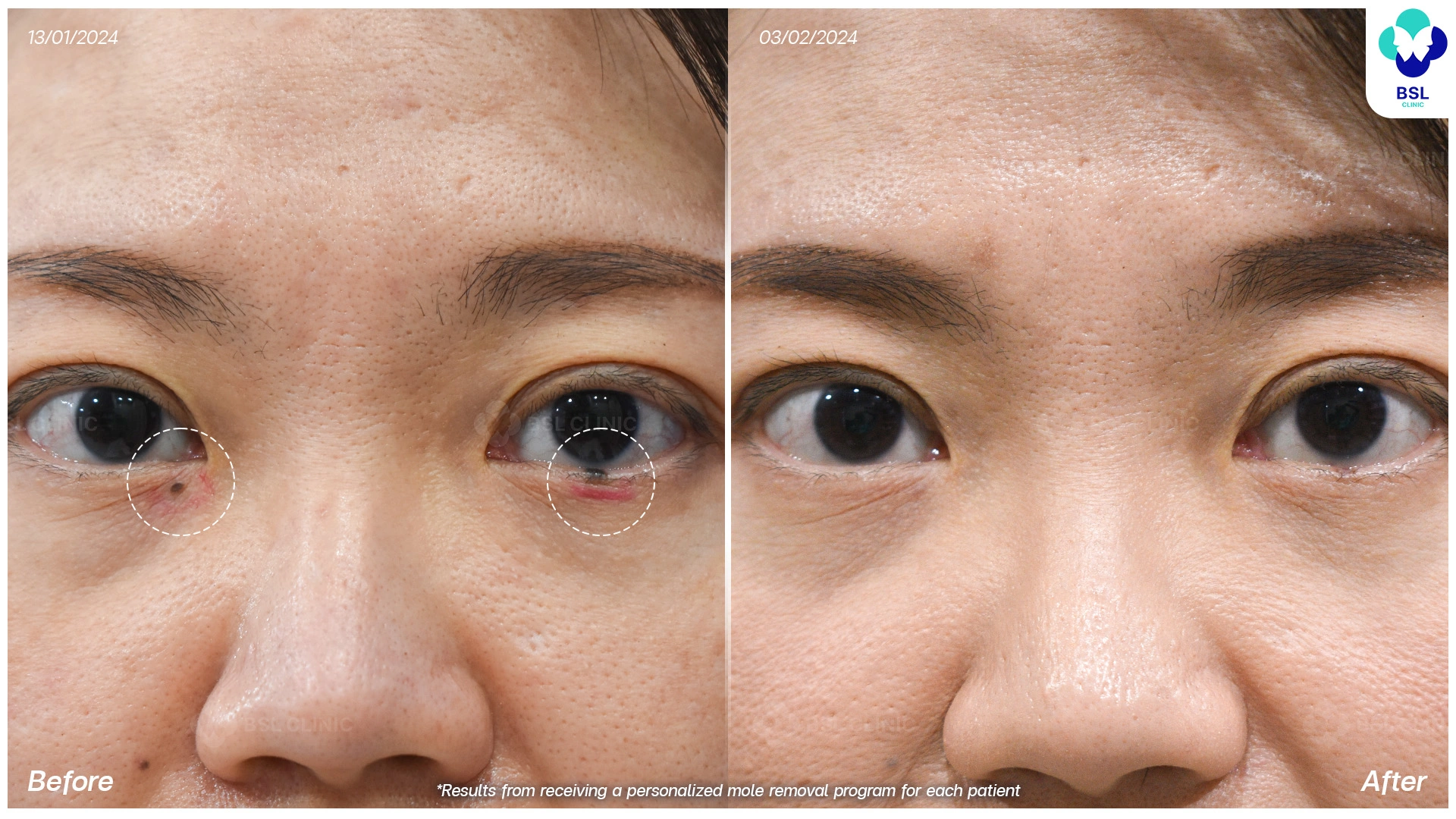
รวมผลการรักษาคนไข้ที่ BSL CLinic *ใช้เป็นตัวอย่างผลจากการเข้ารับการรักษาพยาบาลสำหรับผู้ป่วยเฉพาะราย
ในบางกรณี ไฝอาจกลับมาใหม่ได้ หากเซลล์เดิมไม่ได้ถูกกำจัดออกอย่างสมบูรณ์ โดยเฉพาะในวิธีการรักษาที่ไม่ใช่การผ่าตัด การติดตามผลอย่างสม่ำเสมอและการดูแลหลังการรักษาจะช่วยเฝ้าระวังผิว และลดโอกาสการเกิดซ้ำได้
แนะนำให้พูดคุยกับแพทย์เกี่ยวกับผลลัพธ์ที่คาดหวังและการดูแลหลังการรักษา หลังการทำหัตถการกำจัดไฝทุกครั้ง
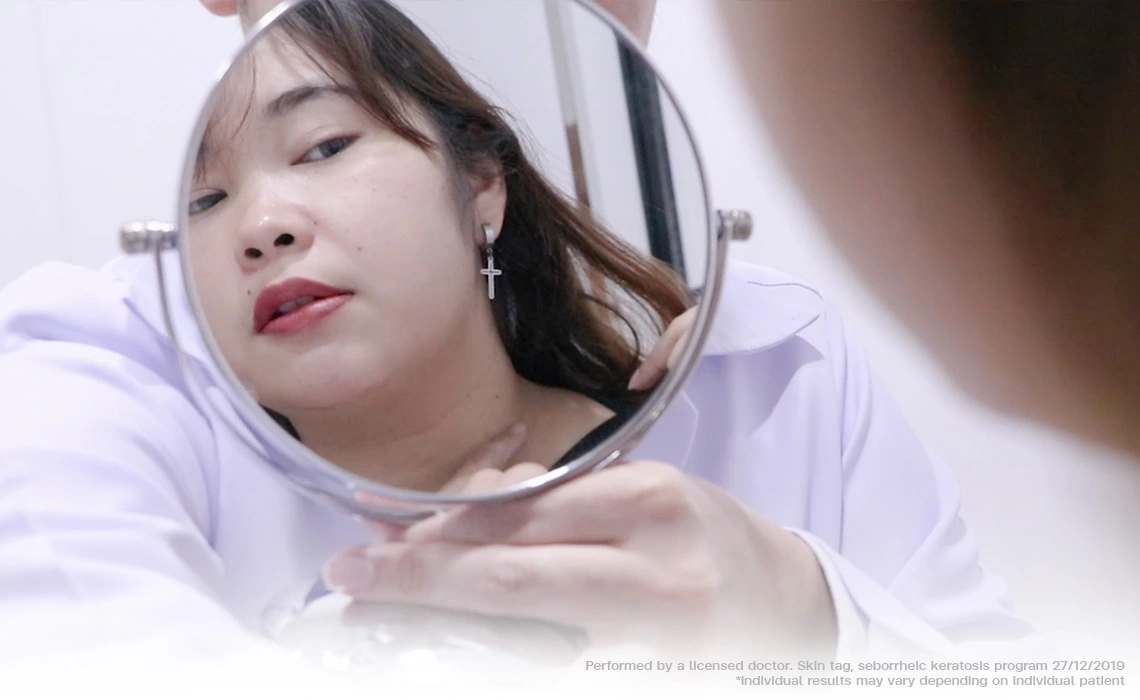
Moles can appear anywhere on the body, but they most frequently develop on areas exposed to sunlight, such as the face, arms, neck, chest, and back. These areas receive more ultraviolet (UV) radiation, which may influence mole development. While most moles are benign and do not require treatment, it’s important to monitor them regularly—especially those in high-friction or sun-exposed zones.
The most effective form of treatment is utilising the CO2 ablative technology.
It is less an effective treatment method due to its lack of precision control. Therefore, there is a high possibility of post treatment scarring and hyperpigmentation. There are various models, brands and qualities of the CO2 Laser technology. The treatment results vary because of differences in each model’s settings and specifications. The CO2 Laser developed in some less expertise model and technology may be less accurate than the models developed in South Korea and Thailand being of better quality. However, the main disadvantage of is that these models lack the control precision of the electrocautery points and the energy cannot breakthrough at an in-depth level. The most advanced with effective results is the Sharplan CO2 Laser program model from the USA. This is so because the power range can be adjusted, making it highly accurate with excellent resolution. It is this most break-through CO2 Laser technology that BSL Clinic proudly adopts to serve our patients. And at BSL Clinic, we combine the cutting-edge technology with highly-trained and skillful doctor.
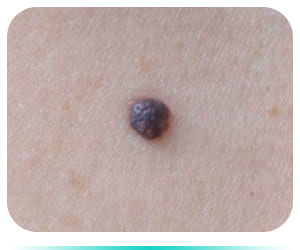
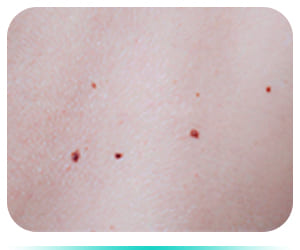
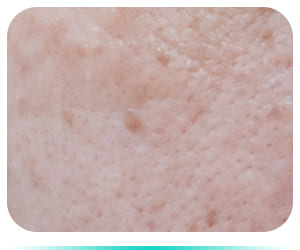
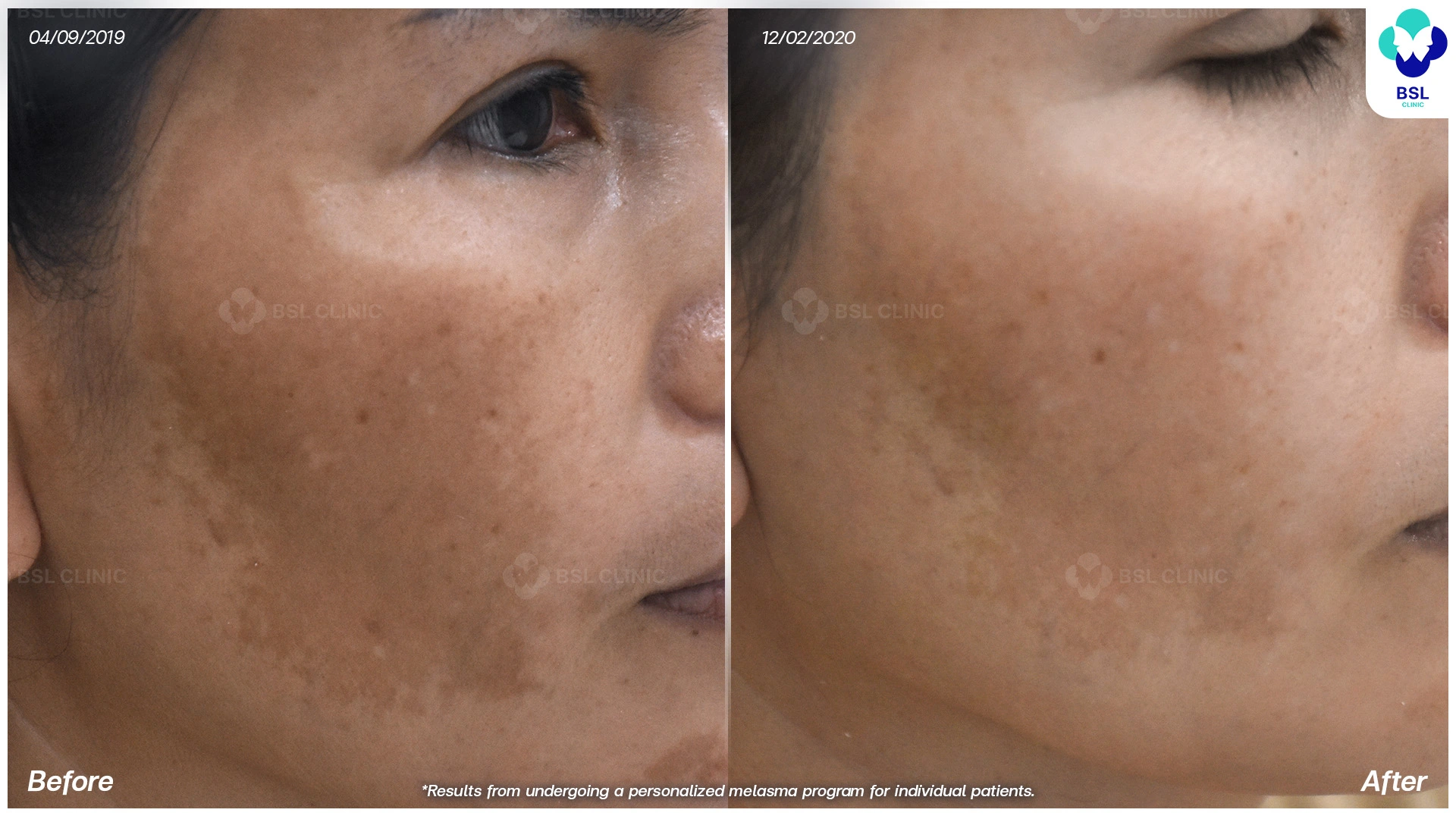
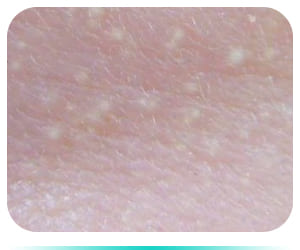
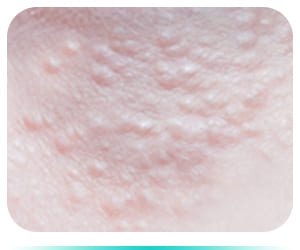
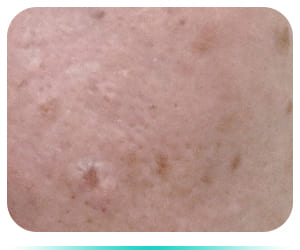
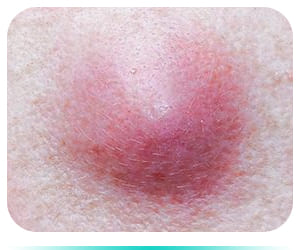
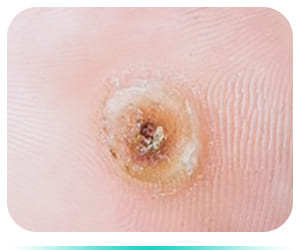
After CO2 Laser treatment, the targeted area is smooth and very small. The skin will naturally exfoliate within 5 to 7 days, revealing pink skin underneath, with no scarring present. At BSL Clinic, we have well-trained and doctor, and patients will see significant results only after one treatment. If, however, a deep mole is presented for treatment, it will take repeated sessions to remove the roots to avoid the occurrence of scarring.
Article By
Dr Wutinan Sithipolvanichgul, M.D.
BSL Clinic’s Doctor
Performed by a licensed doctor. Presenter Image *Individual results may vary depending on individual patient


Call Center : +66993438666
Line ID : @bslclinic
Whatsapp : +66620136667
bslclinic.com
Copyright © 2015 www.bslclinic.com All Rights Reserved.