




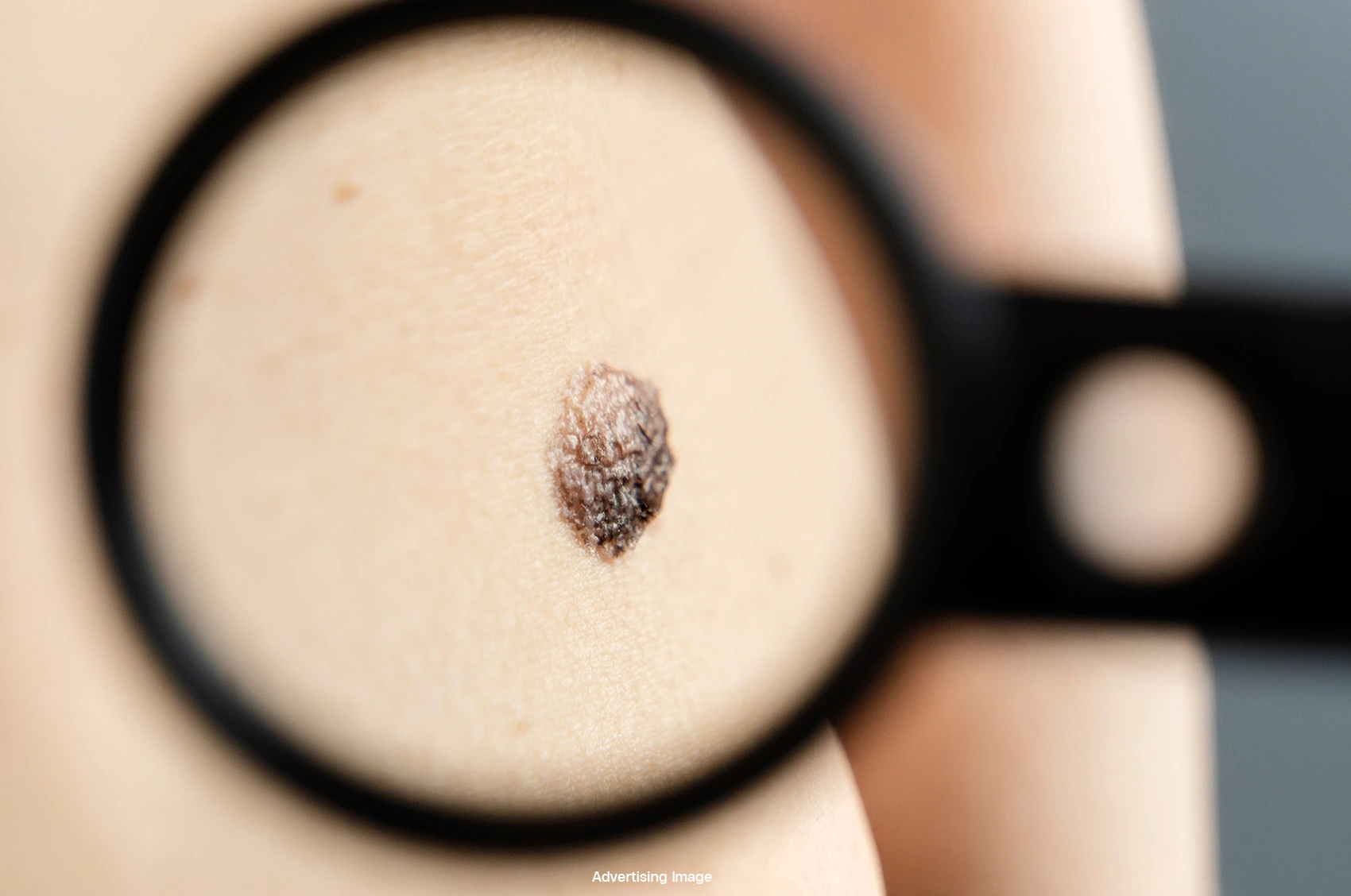
Moles are common skin features that can appear anywhere on the body. While most are harmless, some people choose to consider moles removal for cosmetic or practical reasons. Whether for appearance, comfort, or routine monitoring, understanding the available options for treatment moles can be helpful. This article offers clear information about what moles are, how they differ from skin tags, and common methods of care that are used in clinical practice.
Moles are small skin growths that can appear anywhere on the body. They are formed when skin cells known as melanocytes grow in clusters. Most moles are present from childhood, but new ones can develop with age or sun exposure.
While some moles remain unchanged, others may become darker or raised over time. Understanding how moles differ from skin tags can help people identify what type of growth they have.
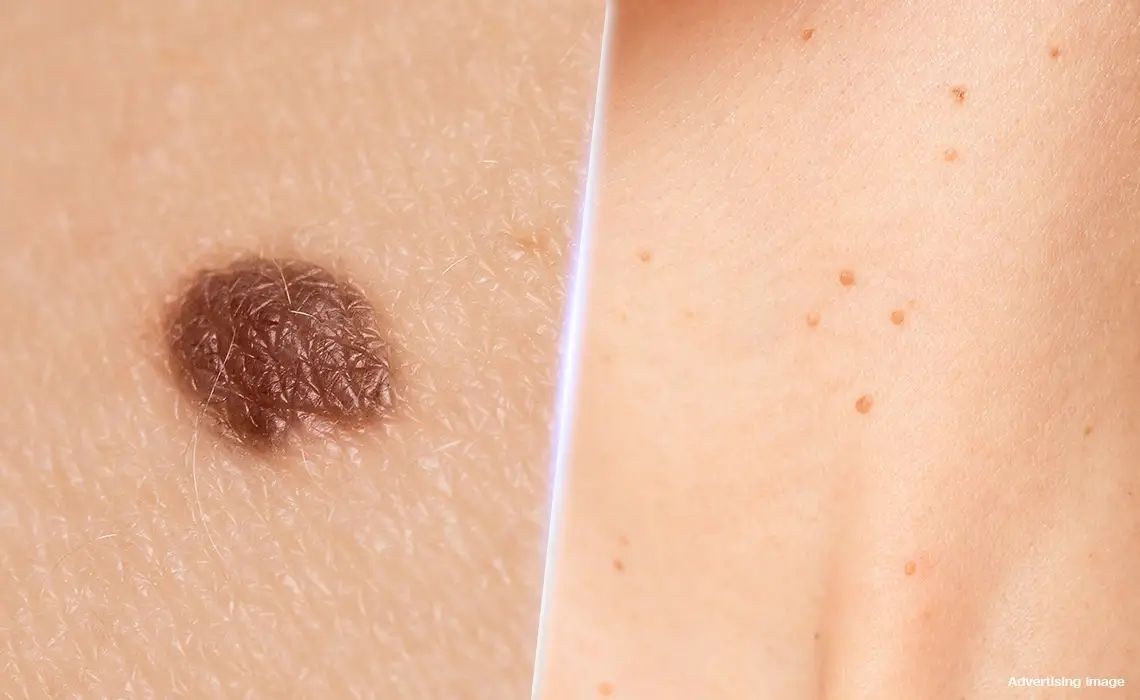
Moles and skin tags are both common skin conditions, but they have different characteristics.
‧ Moles are often brown or black, flat or raised, and may contain hair.
‧ A skin tag is a soft, small, flesh-colored growth that usually appears in areas where the skin folds, such as the neck or underarms.
While both are generally harmless, some people choose to explore moles removal or skin tag removal for comfort or appearance.
When considering treatment for moles, medical professionals may suggest one of several approaches depending on the mole’s characteristics. Common methods include:
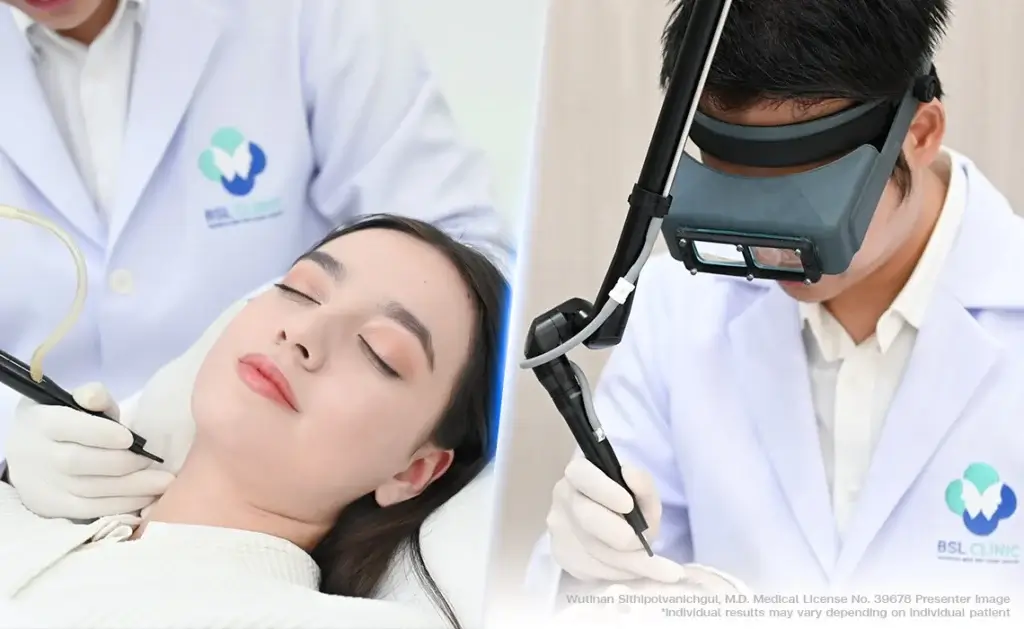
Often used for small and superficial moles
May be chosen for deeper moles
May be used for raised moles or skin tags
Each treatment moles method is chosen based on individual factors such as mole size, depth, and location.
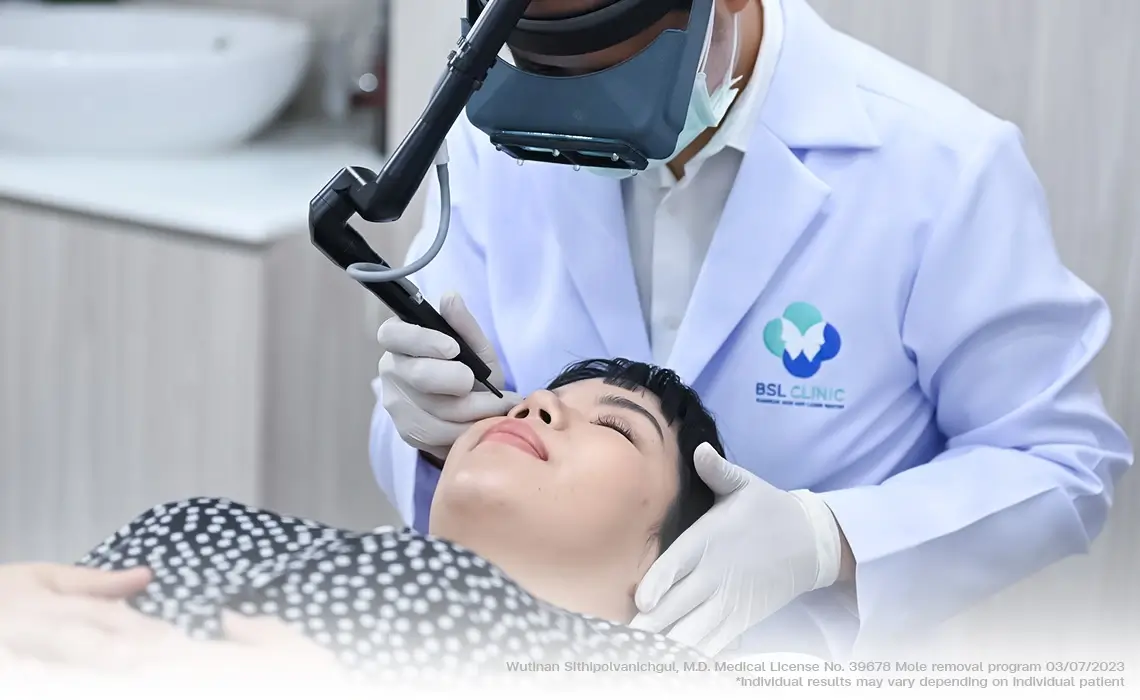
Before undergoing any treatment for moles, it is important to have the area evaluated by a medical provider. Factors such as mole type, skin sensitivity, and medical history should be reviewed.
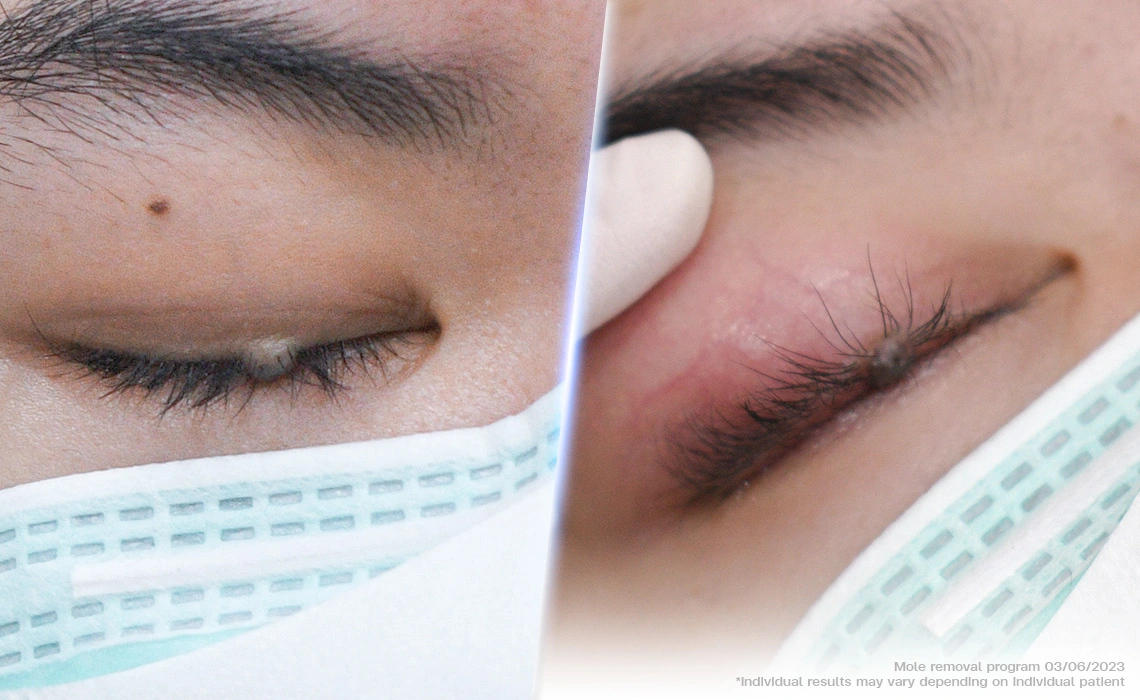
After moles removal, mild redness or scabbing may occur. Keeping the area clean and avoiding sun exposure during healing is often advised. Individual results and healing time may vary.
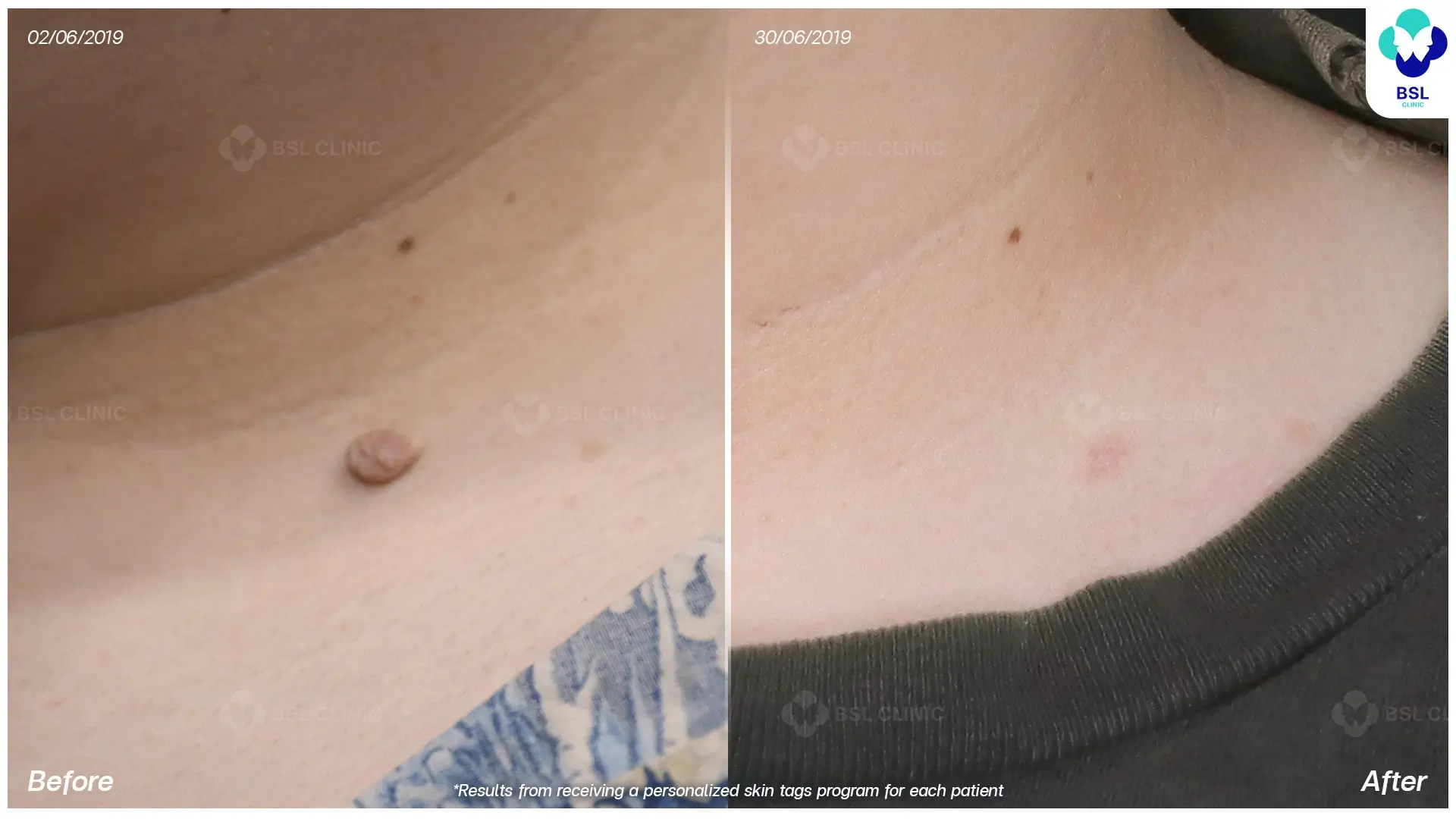
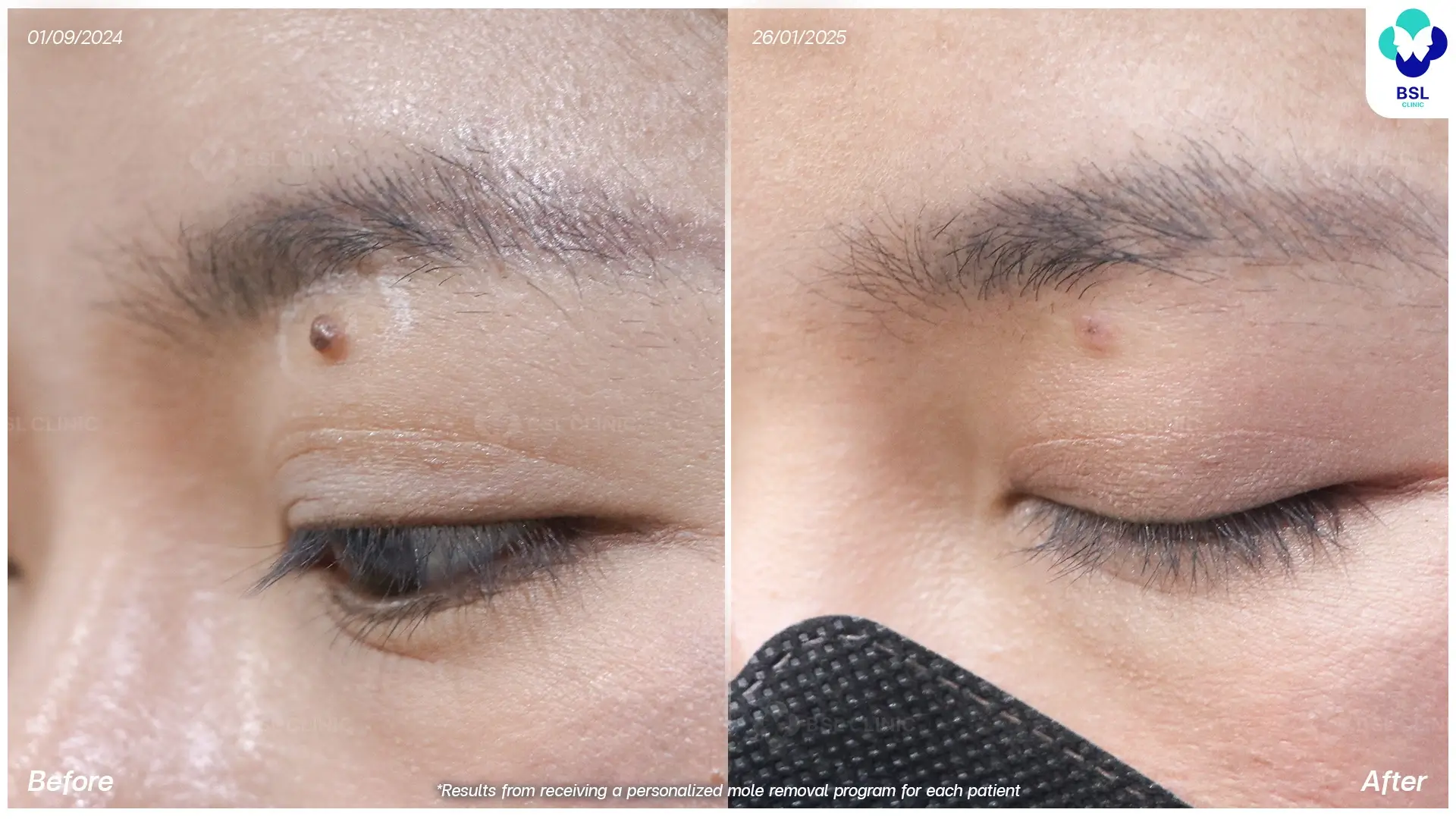
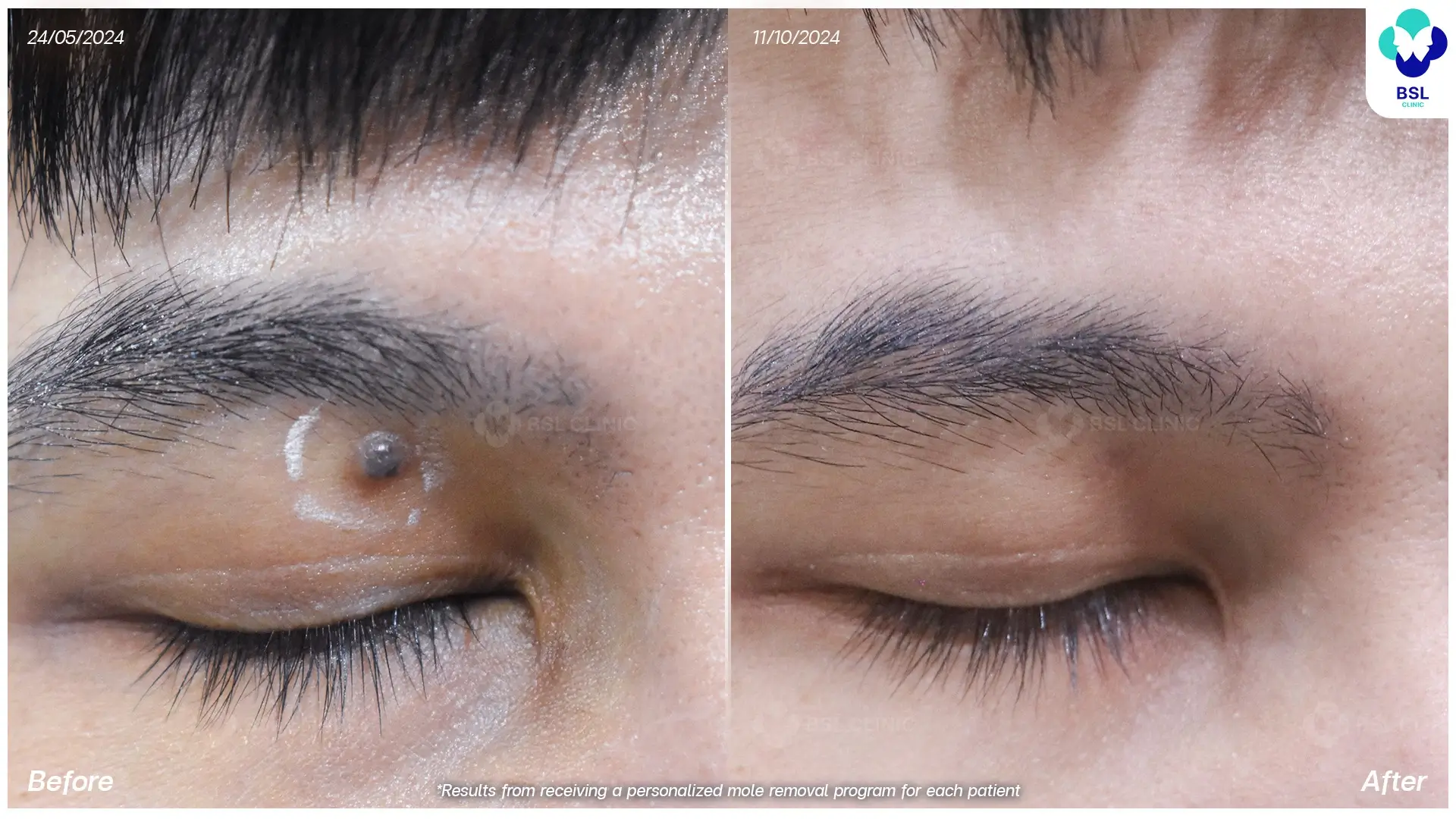
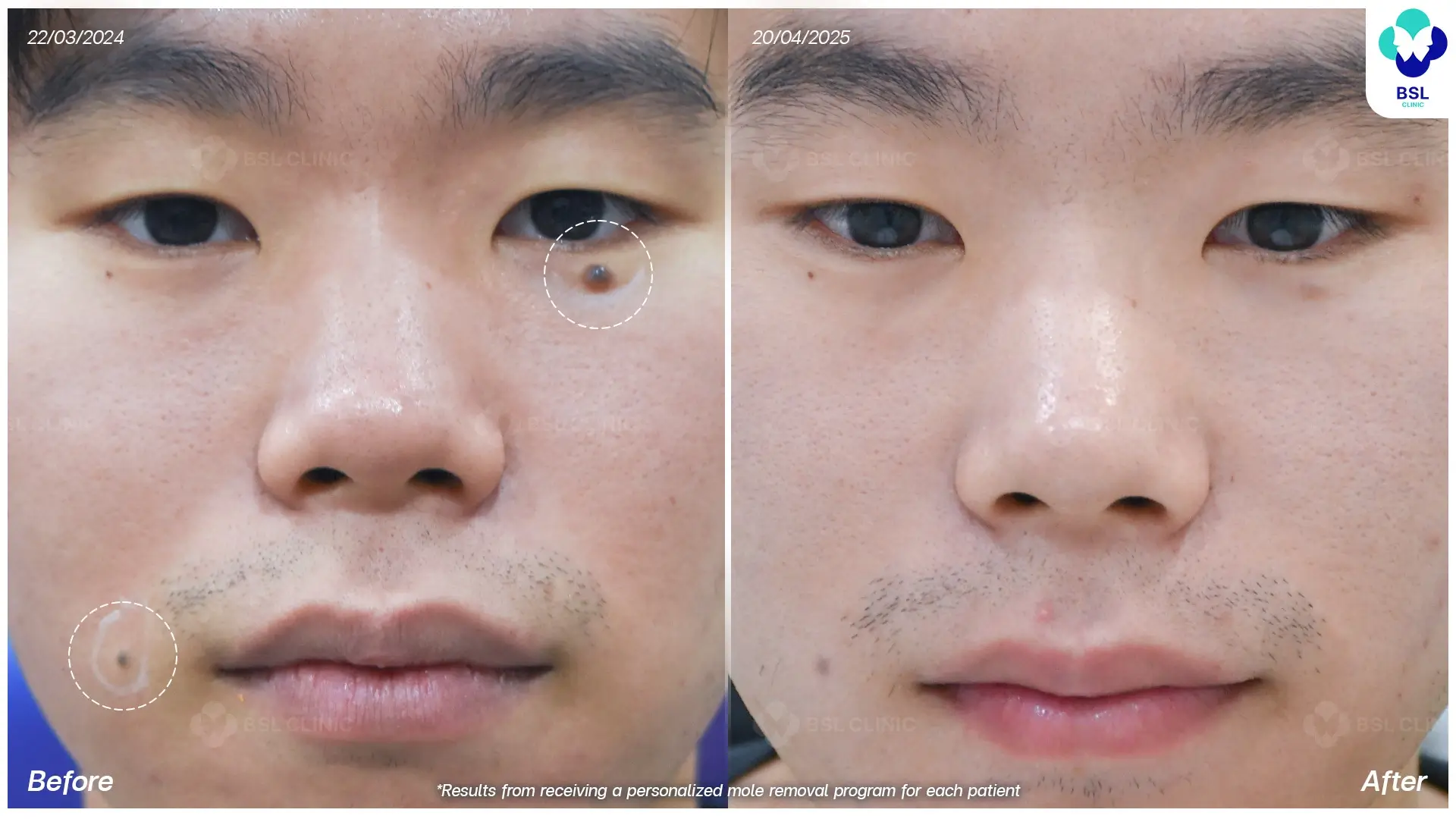
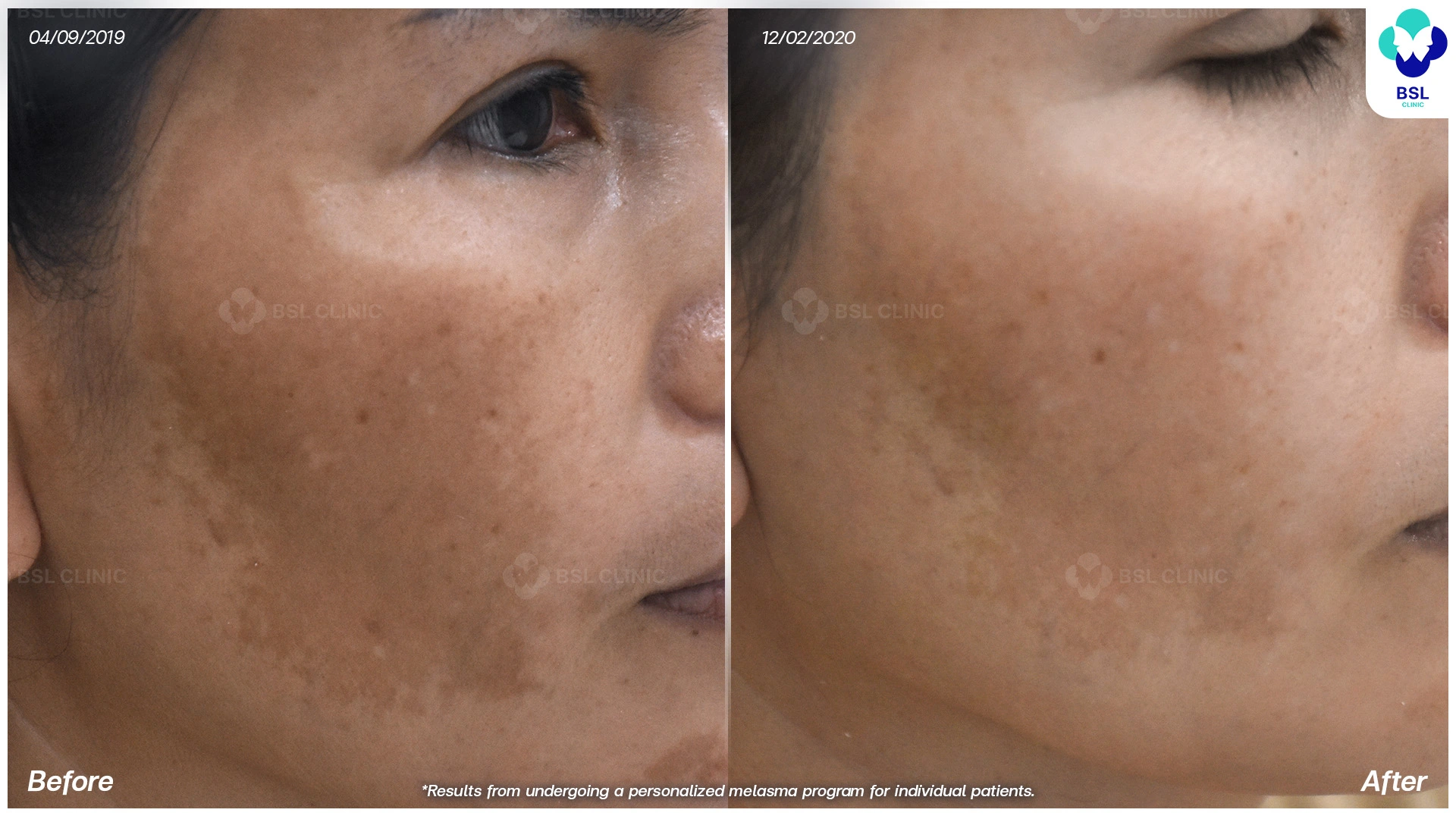
รวมผลการรักษาคนไข้ที่ BSL CLinic *ใช้เป็นตัวอย่างผลจากการเข้ารับการรักษาพยาบาลสำหรับผู้ป่วยเฉพาะราย
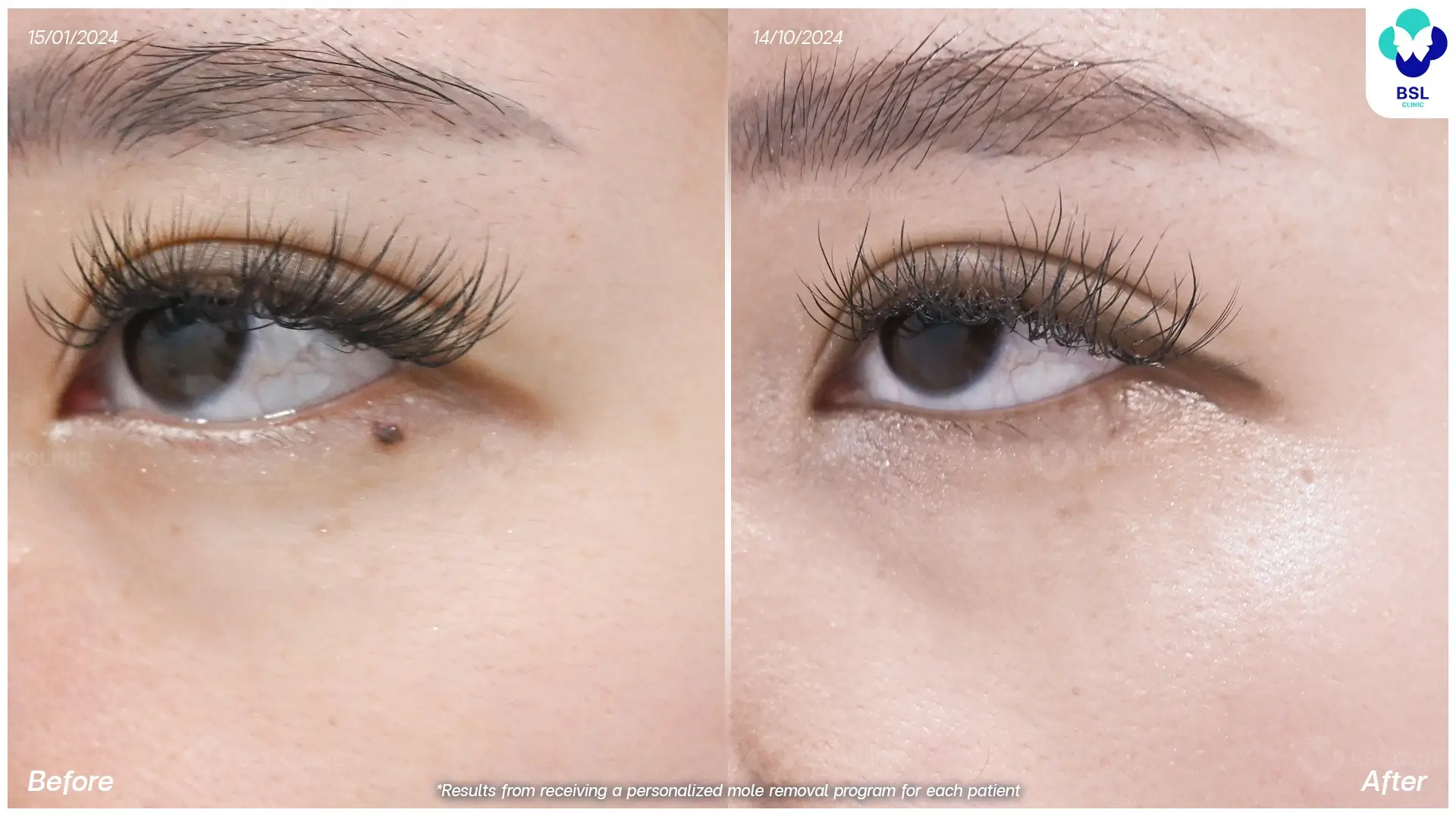
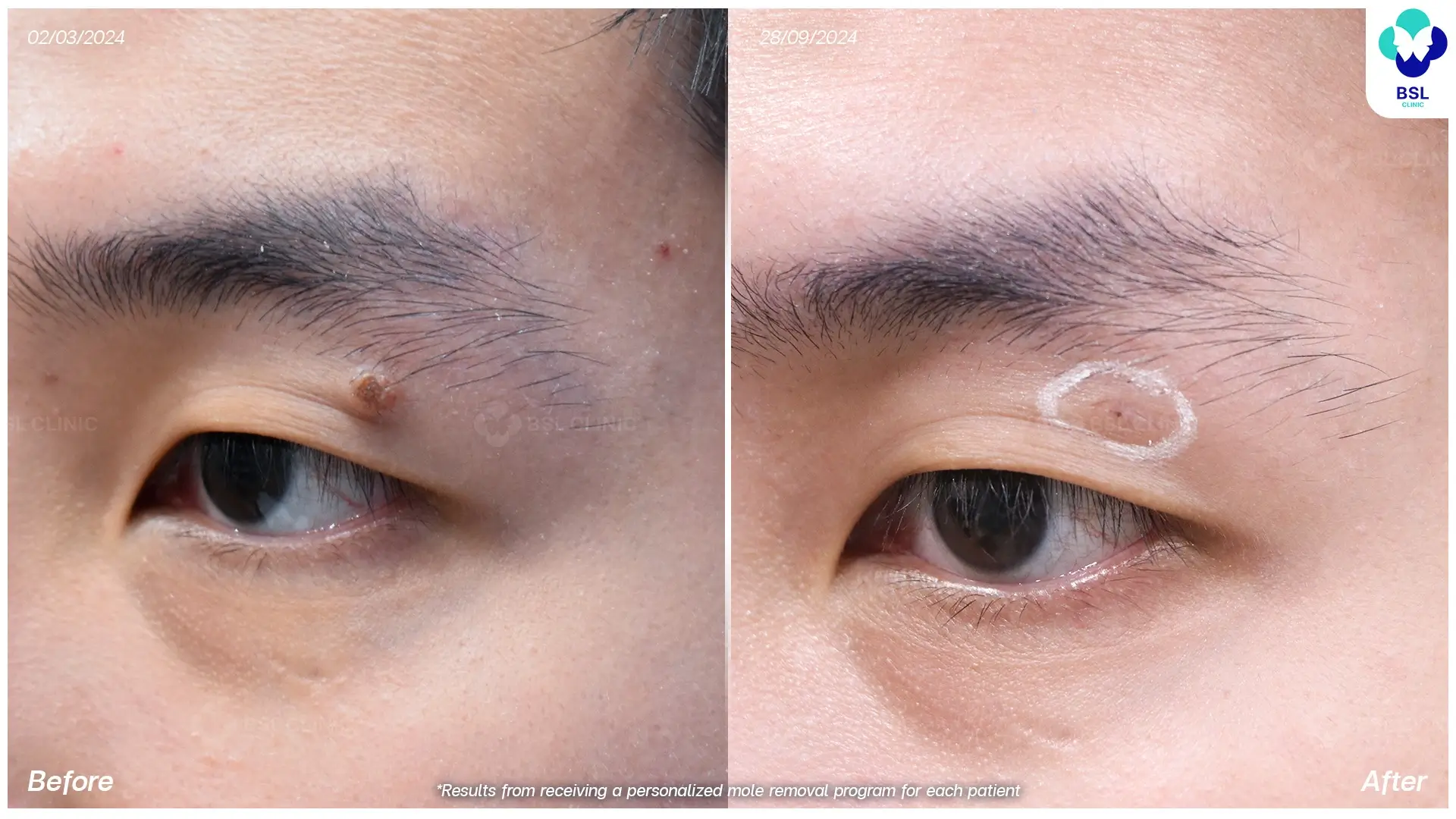
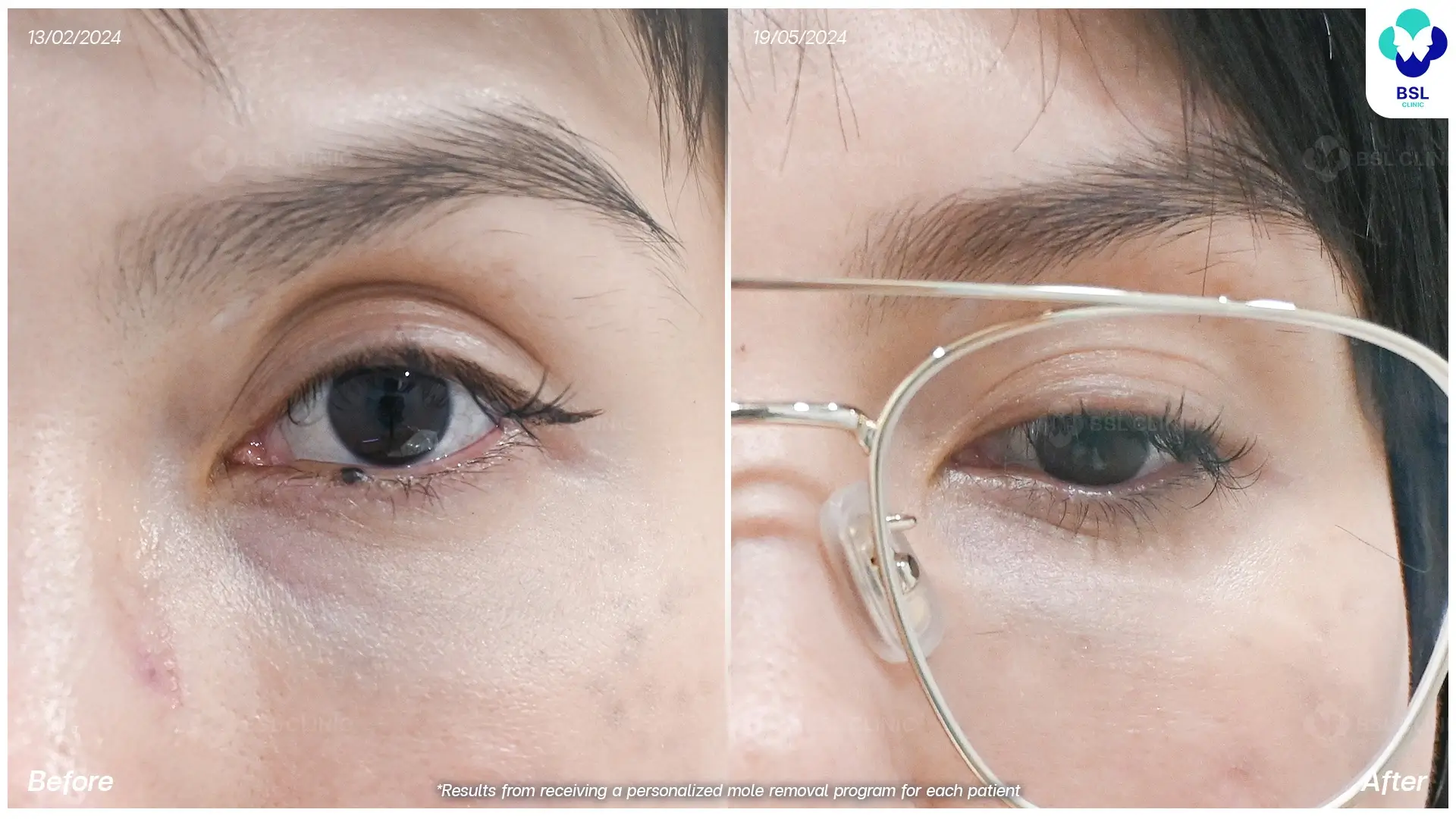
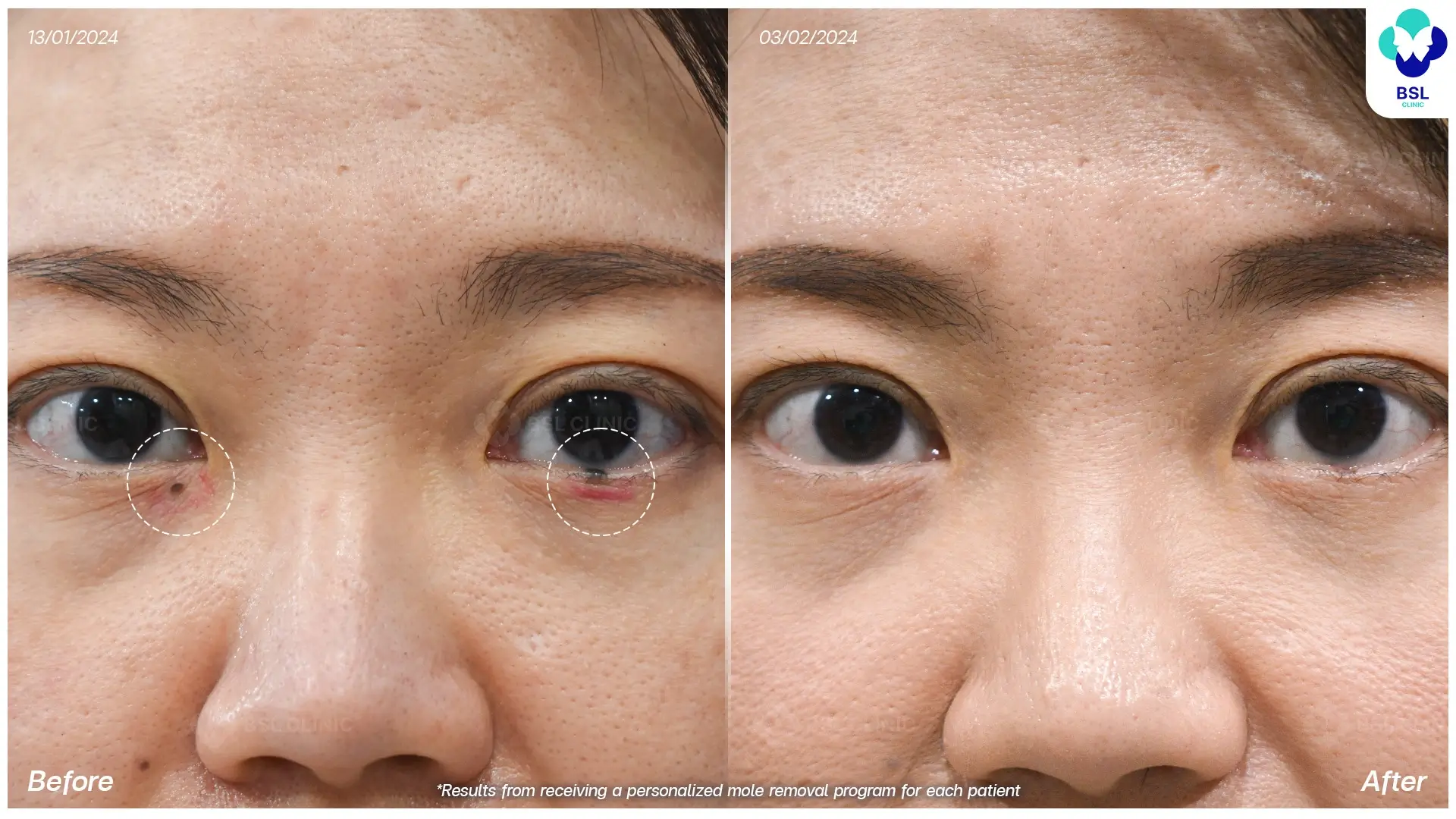
รวมผลการรักษาคนไข้ที่ BSL CLinic *ใช้เป็นตัวอย่างผลจากการเข้ารับการรักษาพยาบาลสำหรับผู้ป่วยเฉพาะราย
In some cases, moles may reappear if the original cells are not fully removed. This can happen especially with non-surgical treatments. Regular follow-up and post-care can help monitor the skin and reduce the likelihood of recurrence.
Discussing expectations and follow-up care with a medical provider is recommended after any treatment moles procedure.
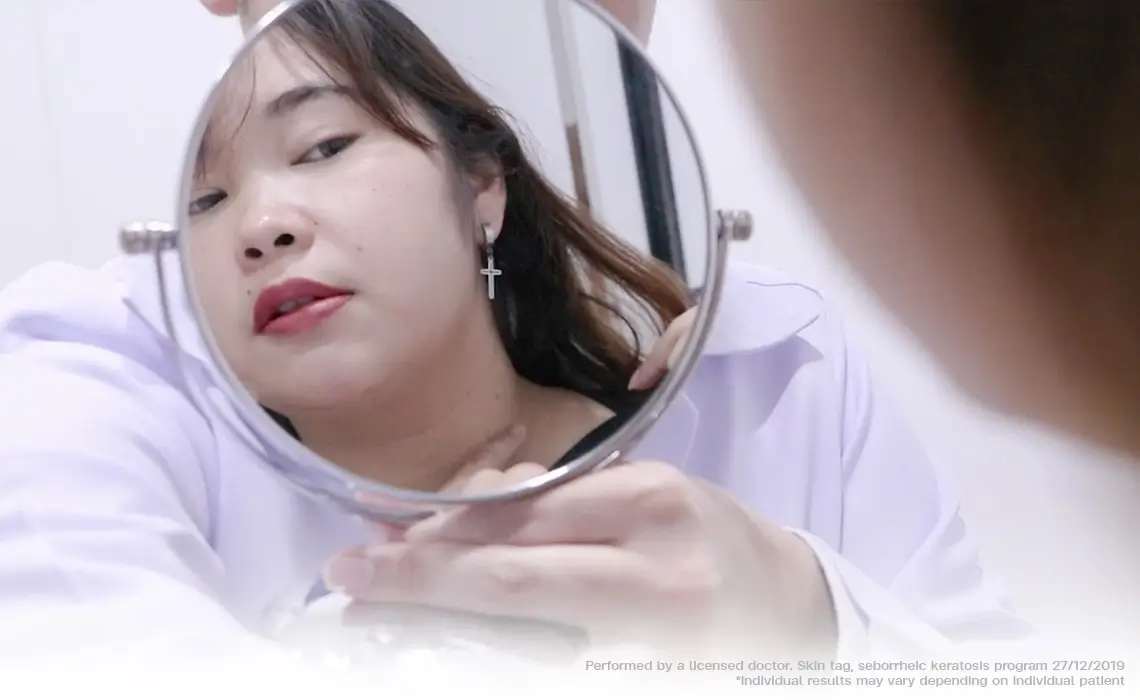
Moles can appear anywhere on the body, but they most frequently develop on areas exposed to sunlight, such as the face, arms, neck, chest, and back. These areas receive more ultraviolet (UV) radiation, which may influence mole development. While most moles are benign and do not require treatment, it’s important to monitor them regularly—especially those in high-friction or sun-exposed zones.
The most effective form of treatment is utilising the CO2 ablative technology.
It is less an effective treatment method due to its lack of precision control. Therefore, there is a high possibility of post treatment scarring and hyperpigmentation. There are various models, brands and qualities of the CO2 Laser technology. The treatment results vary because of differences in each model’s settings and specifications. The CO2 Laser developed in some less expertise model and technology may be less accurate than the models developed in South Korea and Thailand being of better quality. However, the main disadvantage of is that these models lack the control precision of the electrocautery points and the energy cannot breakthrough at an in-depth level. The most advanced with effective results is the Sharplan CO2 Laser program model from the USA. This is so because the power range can be adjusted, making it highly accurate with excellent resolution. It is this most break-through CO2 Laser technology that BSL Clinic proudly adopts to serve our patients. And at BSL Clinic, we combine the cutting-edge technology with highly-trained and skillful doctor.
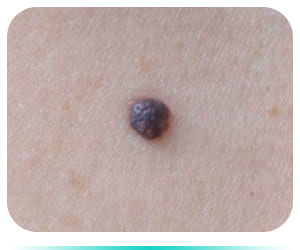
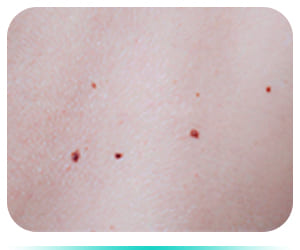
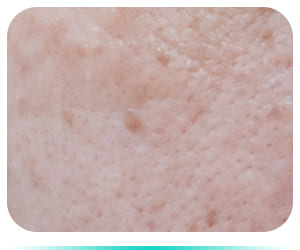
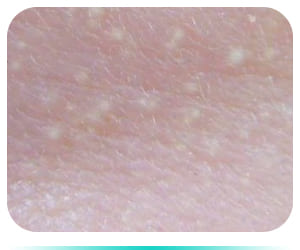
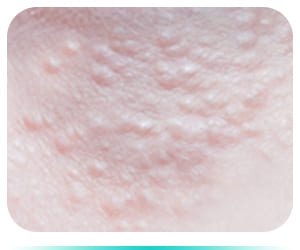
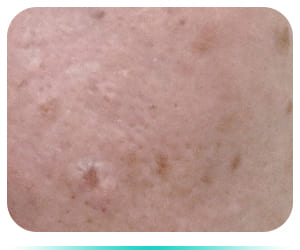
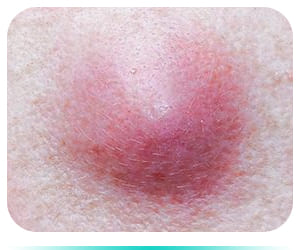
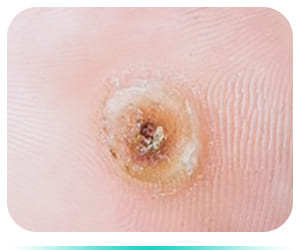
After CO2 Laser treatment, the targeted area is smooth and very small. The skin will naturally exfoliate within 5 to 7 days, revealing pink skin underneath, with no scarring present. At BSL Clinic, we have well-trained and doctor, and patients will see significant results only after one treatment. If, however, a deep mole is presented for treatment, it will take repeated sessions to remove the roots to avoid the occurrence of scarring.
Article By
Dr Wutinan Sithipolvanichgul, M.D.
BSL Clinic’s Doctor
Yes, some moles may change in color, size, or shape over the years. Not all changes are dangerous, but it’s recommended to have them assessed if you notice any differences.
No, not all moles need to be removed. Some are left untreated unless they cause discomfort or are cosmetically concerning.
Depending on the number and size of the moles, it is sometimes possible to remove several during a single session. This will be discussed during consultation.
Yes, the approach may vary depending on the location, skin sensitivity, and the type of moles. Facial treatments often aim to minimize visible marks.
A medical professional typically examines the lesion visually, sometimes using a dermatoscope. No invasive procedure is needed for most moles and skin tags.
In most cases, moles removal for cosmetic reasons is not covered. However, if the mole shows signs of medical concern, coverage may vary depending on your policy.
There may be a temporary mark or mild discoloration after treatment moles, depending on skin type and method used. Your provider will explain what to expect during healing.
Mole evaluation can be done during pregnancy, but moles removal may be postponed unless medically necessary. It’s important to consult with both your doctor and obstetrician.


Call Center : +66993438666
Whatsapp : +66620136667
Line ID : @bslclinic
bslclinic.com
BSL Clinic (Sukhumvit Branch)
Time Square Building Room 114 (Ground Floor). 246 Sukhumvit Road, Khlong Toei, Bangkok, Thailand 10110
Copyright © 2015 www.bslclinic.com All Rights Reserved.