



Freckles, Hori’s nevus or sun spots may look similar, but the type and depth of pigment can differ. That’s why laser treatment for dark spots isn’t one-size-fits-all. At BSL Clinic, the approach is planned around your pigment and individual skin characteristics.
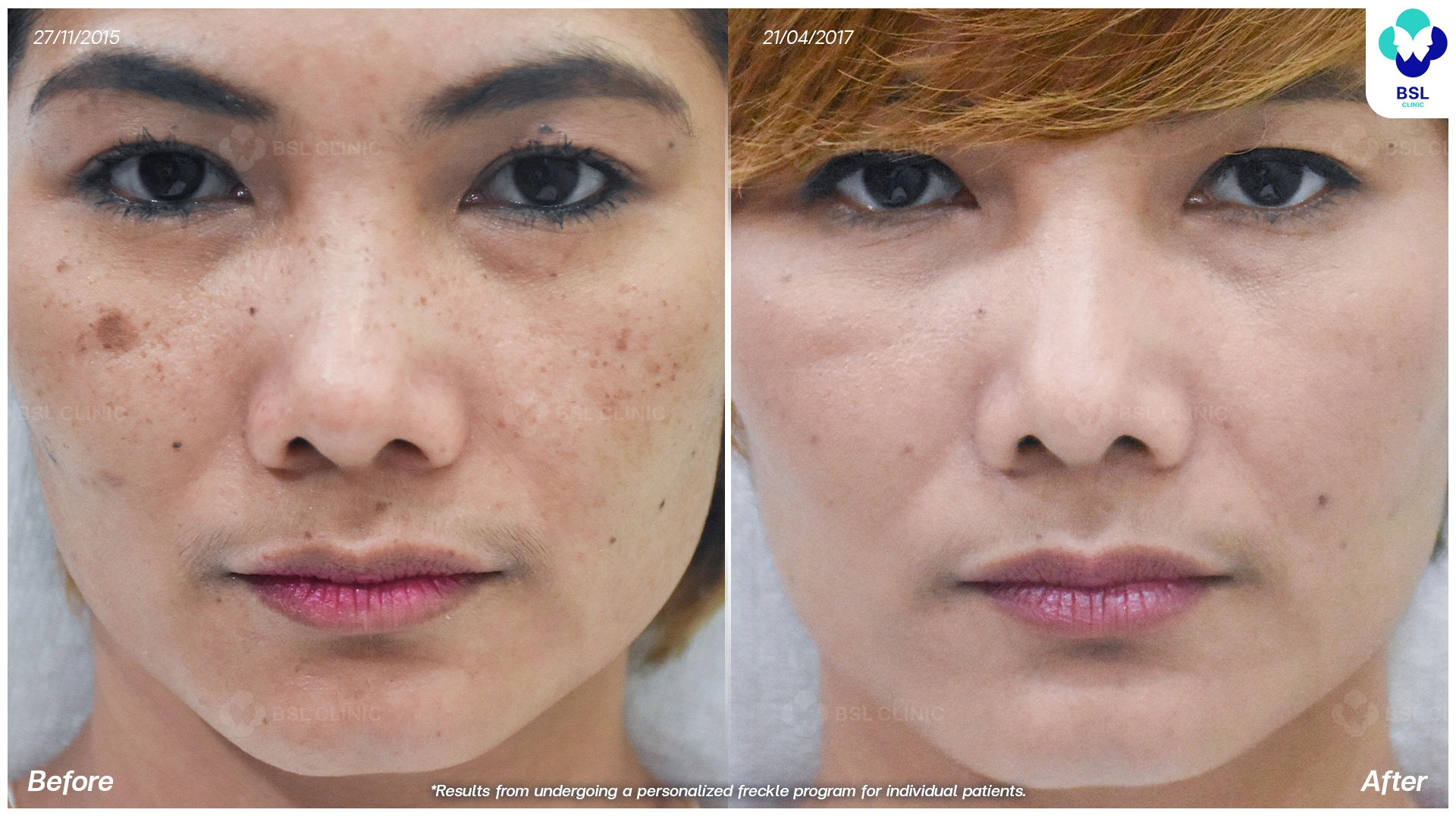
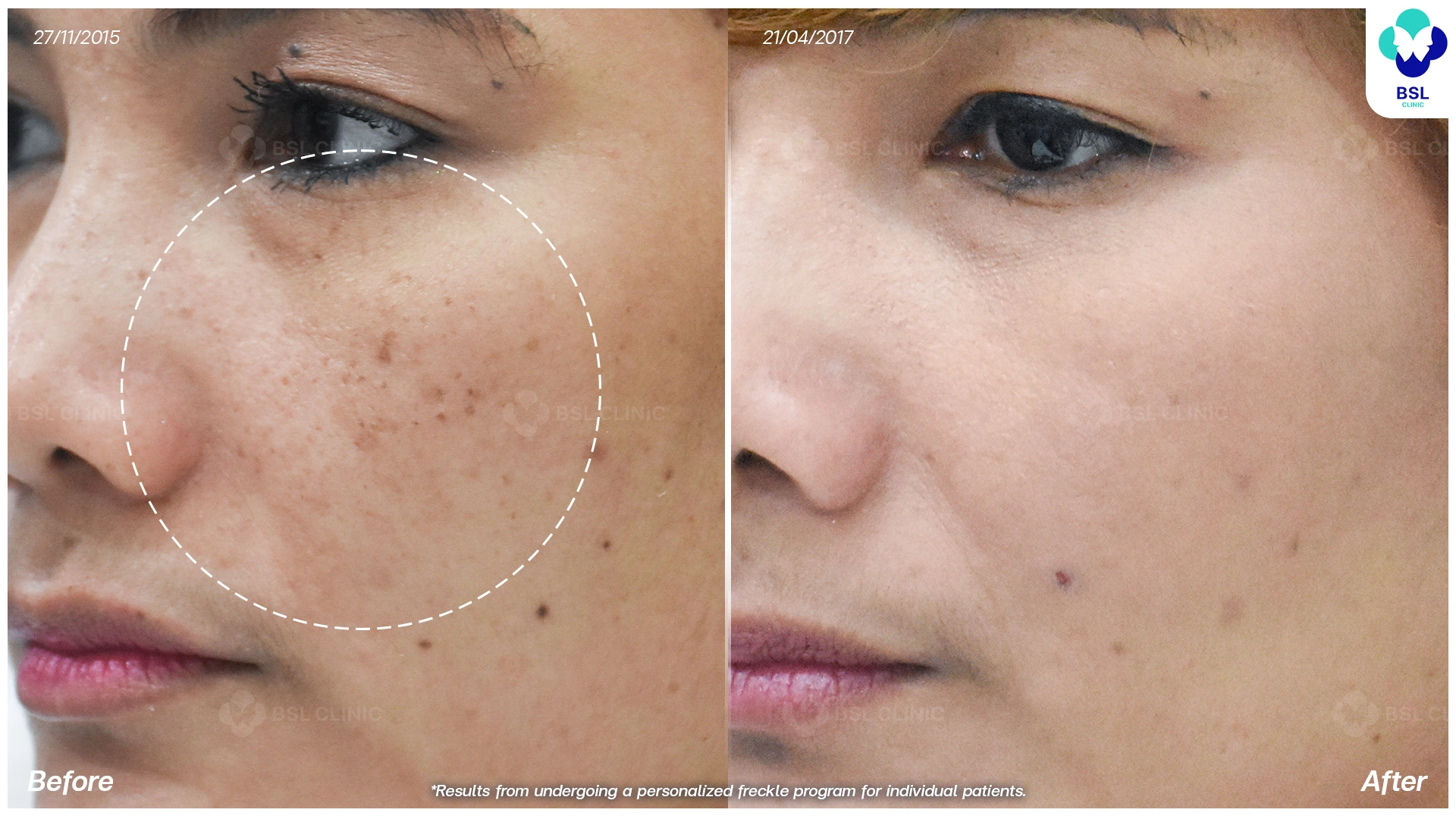
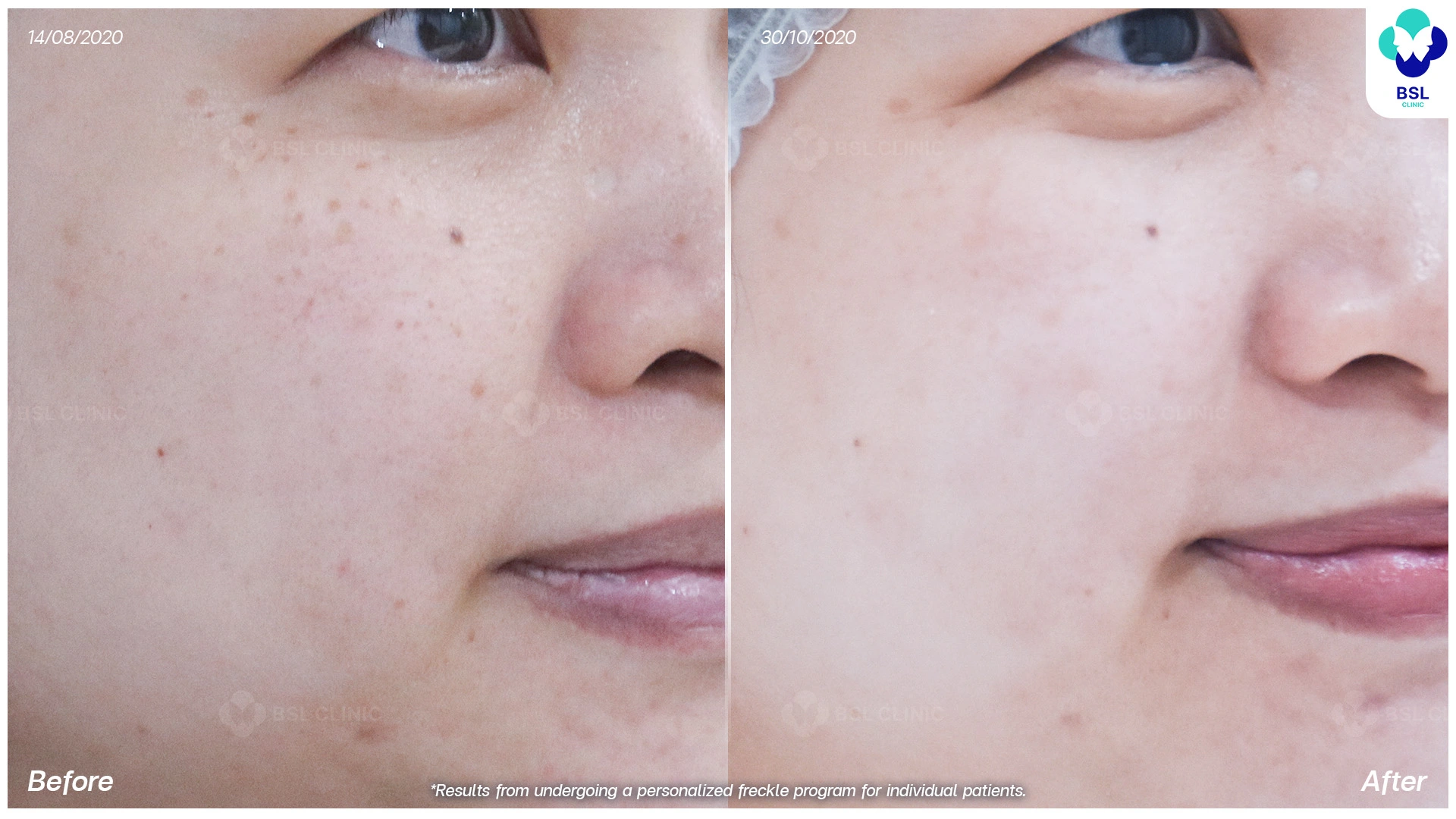
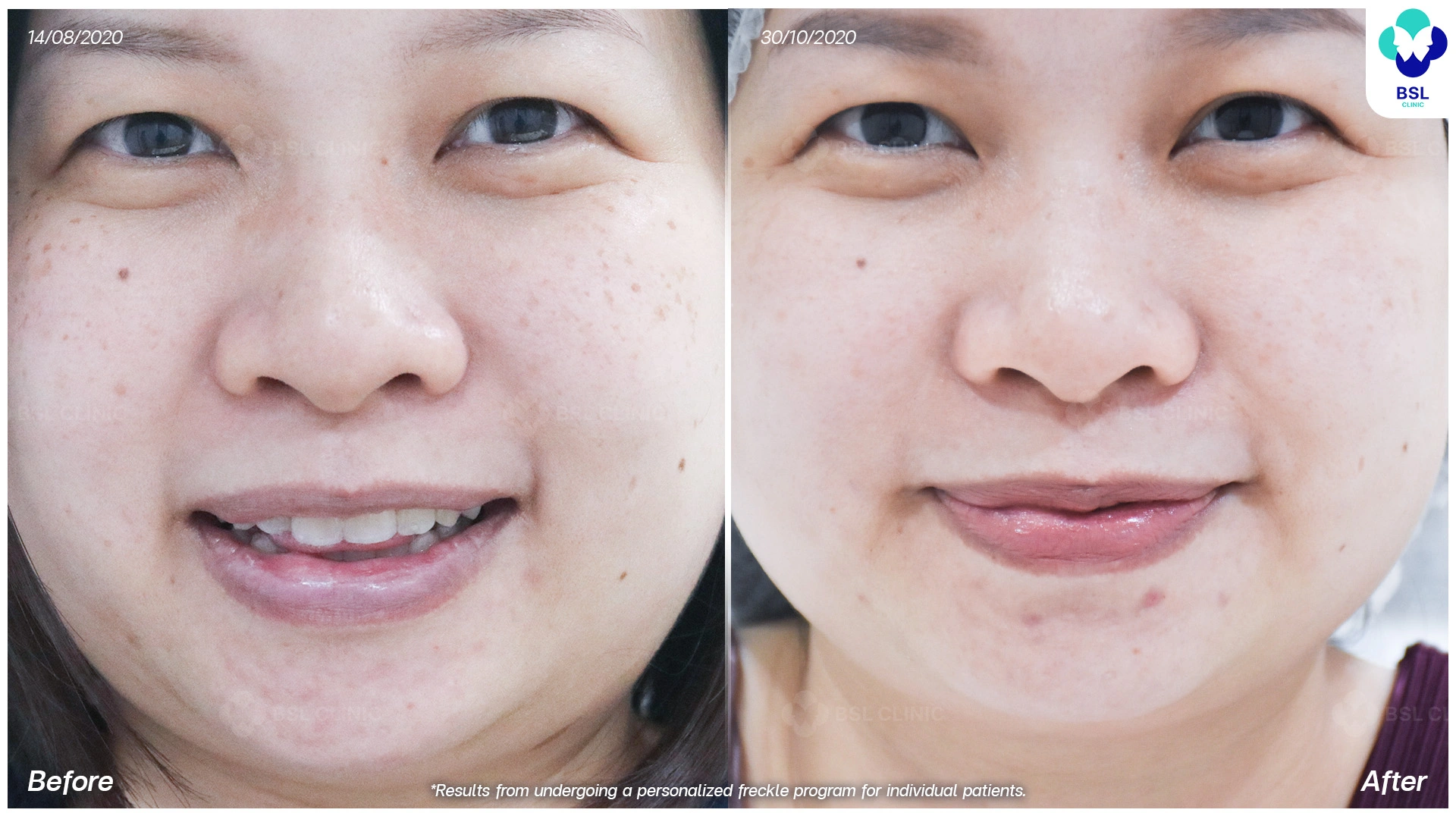
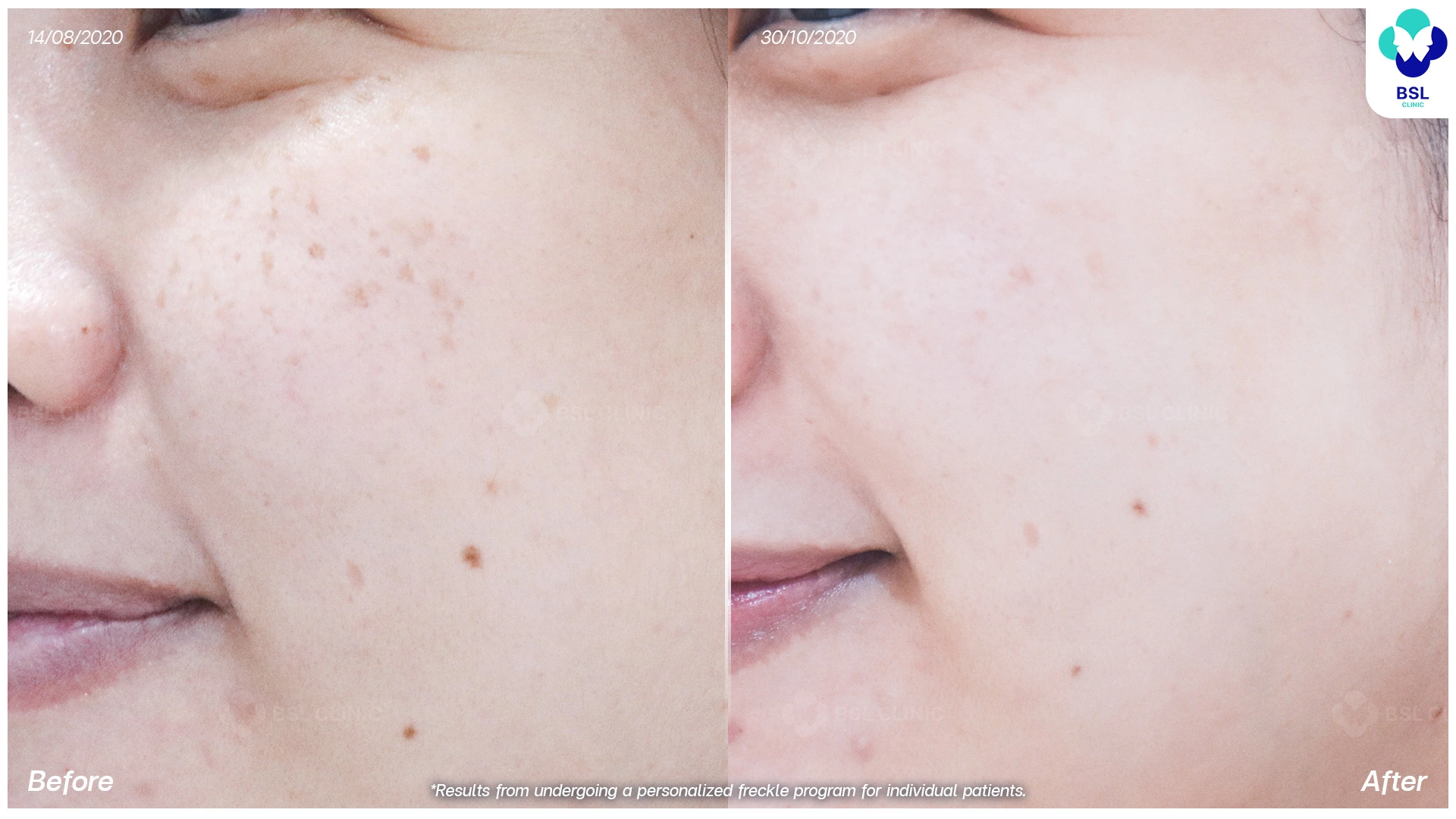
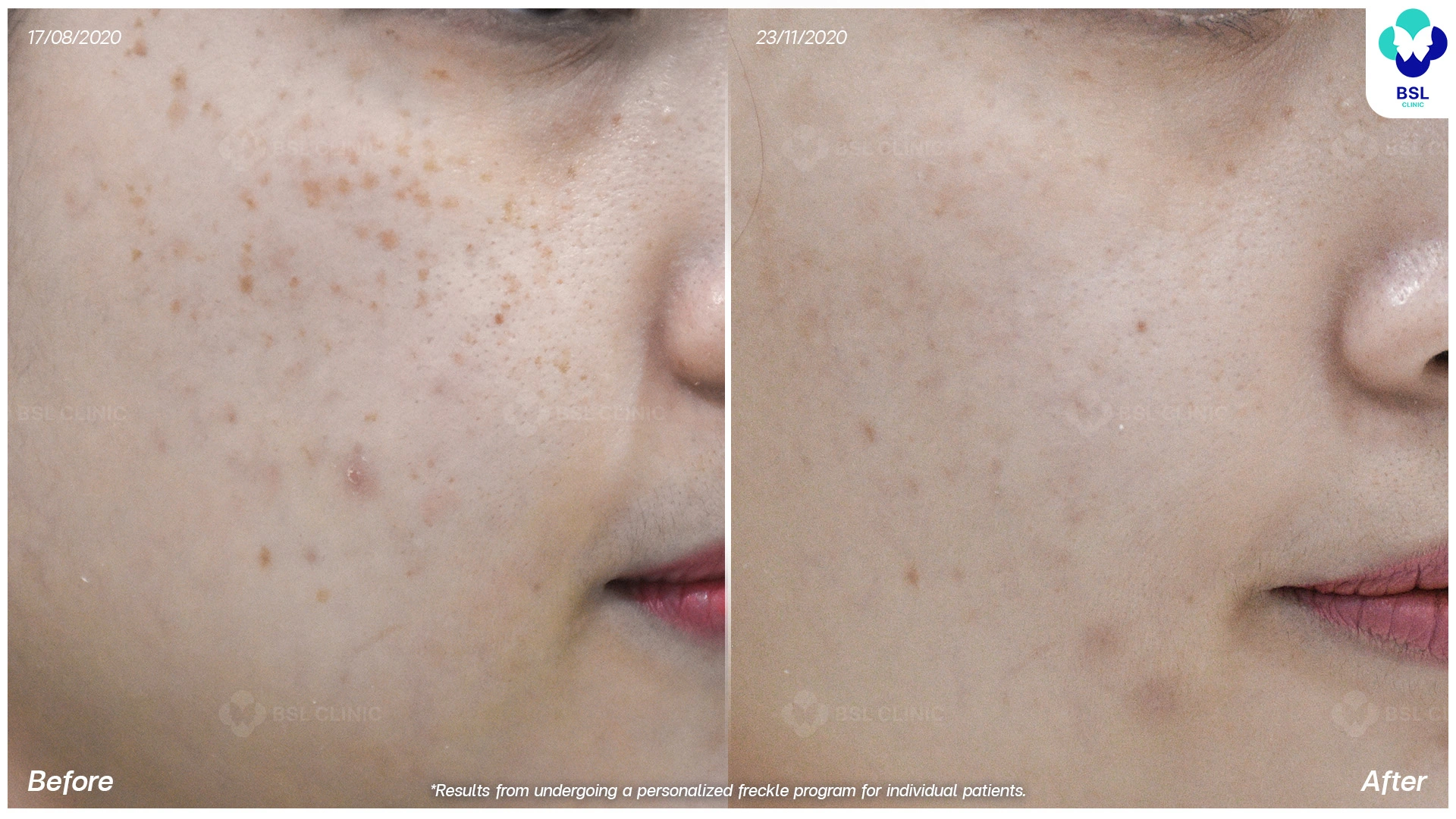
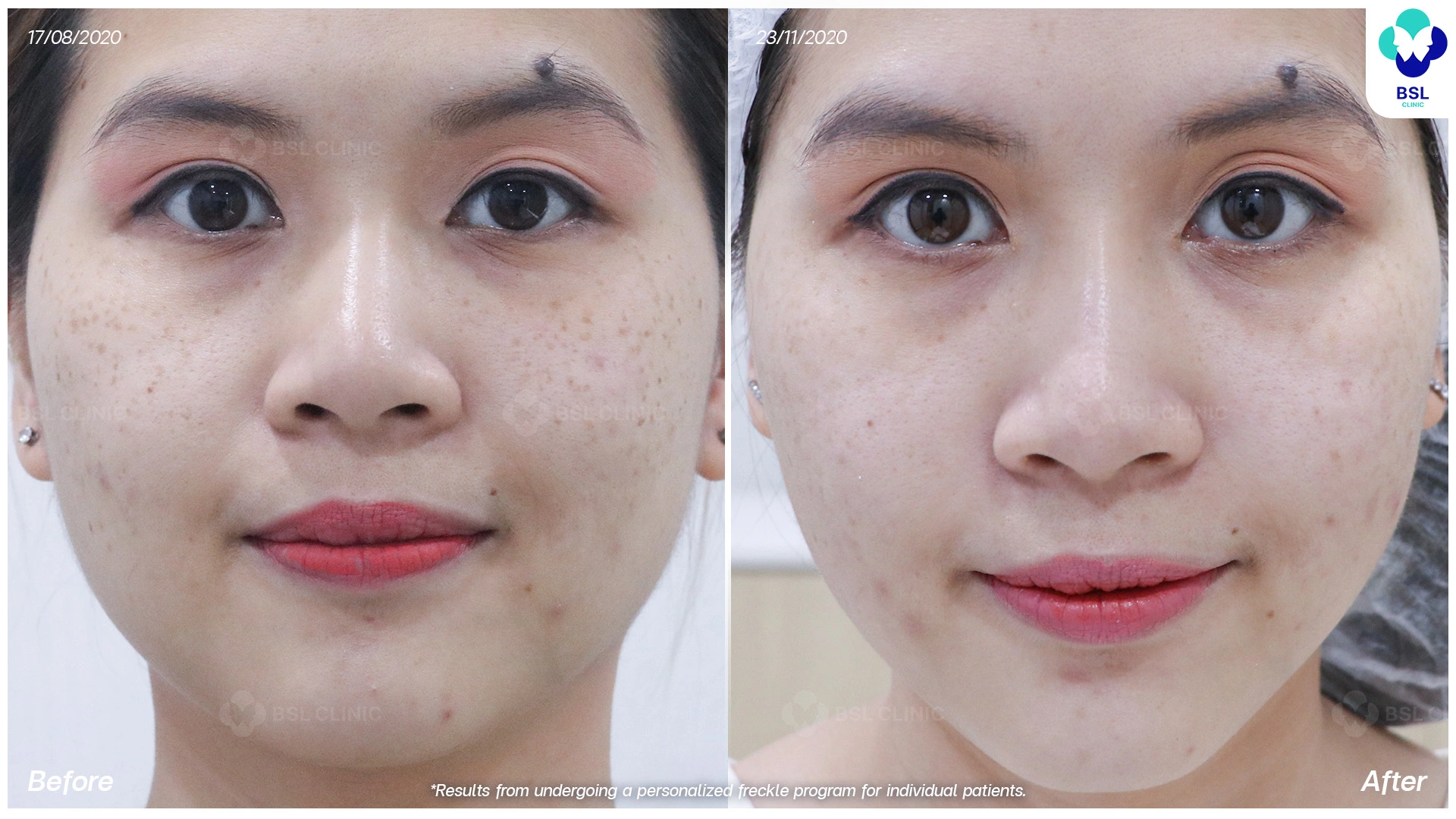
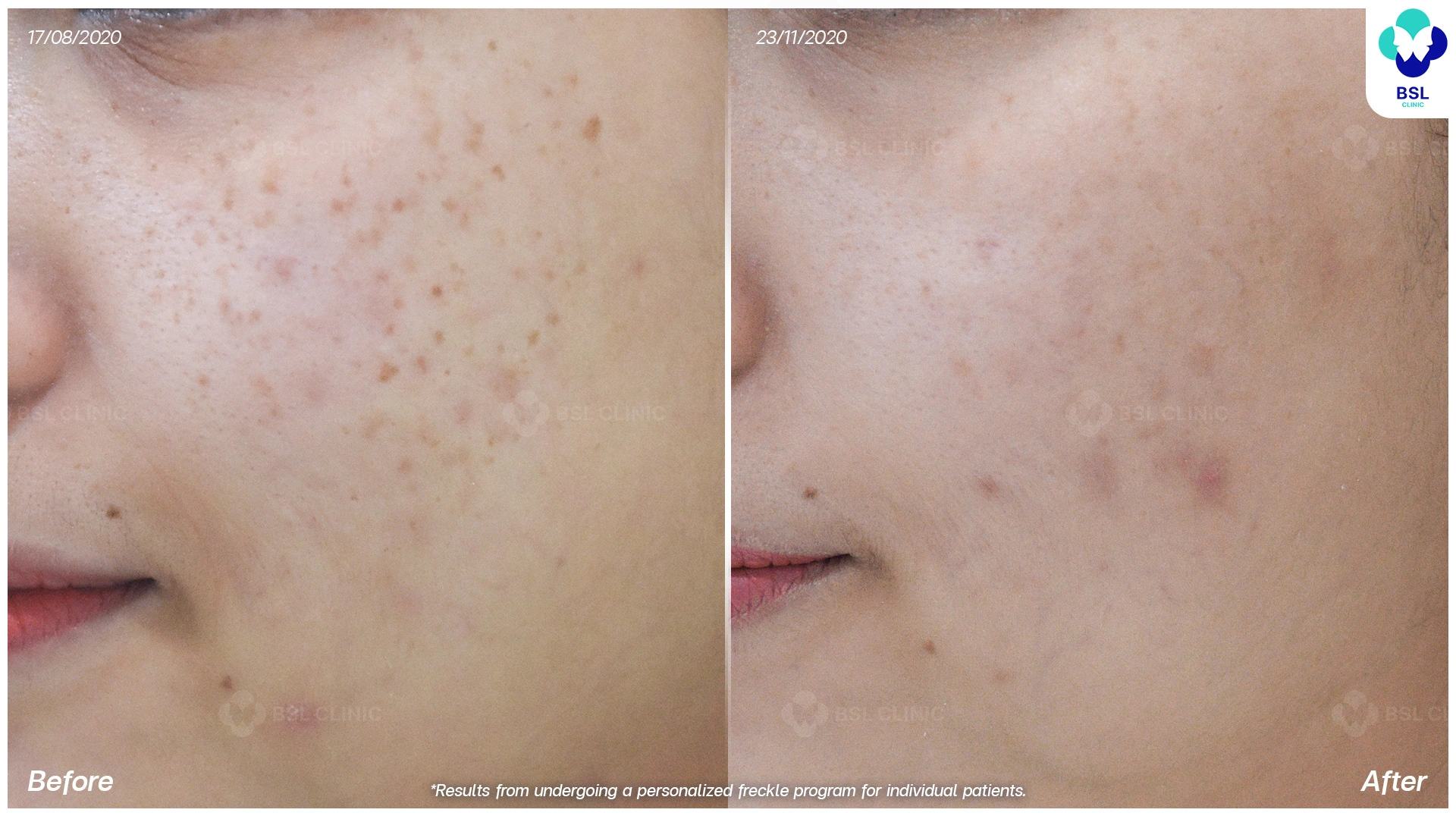
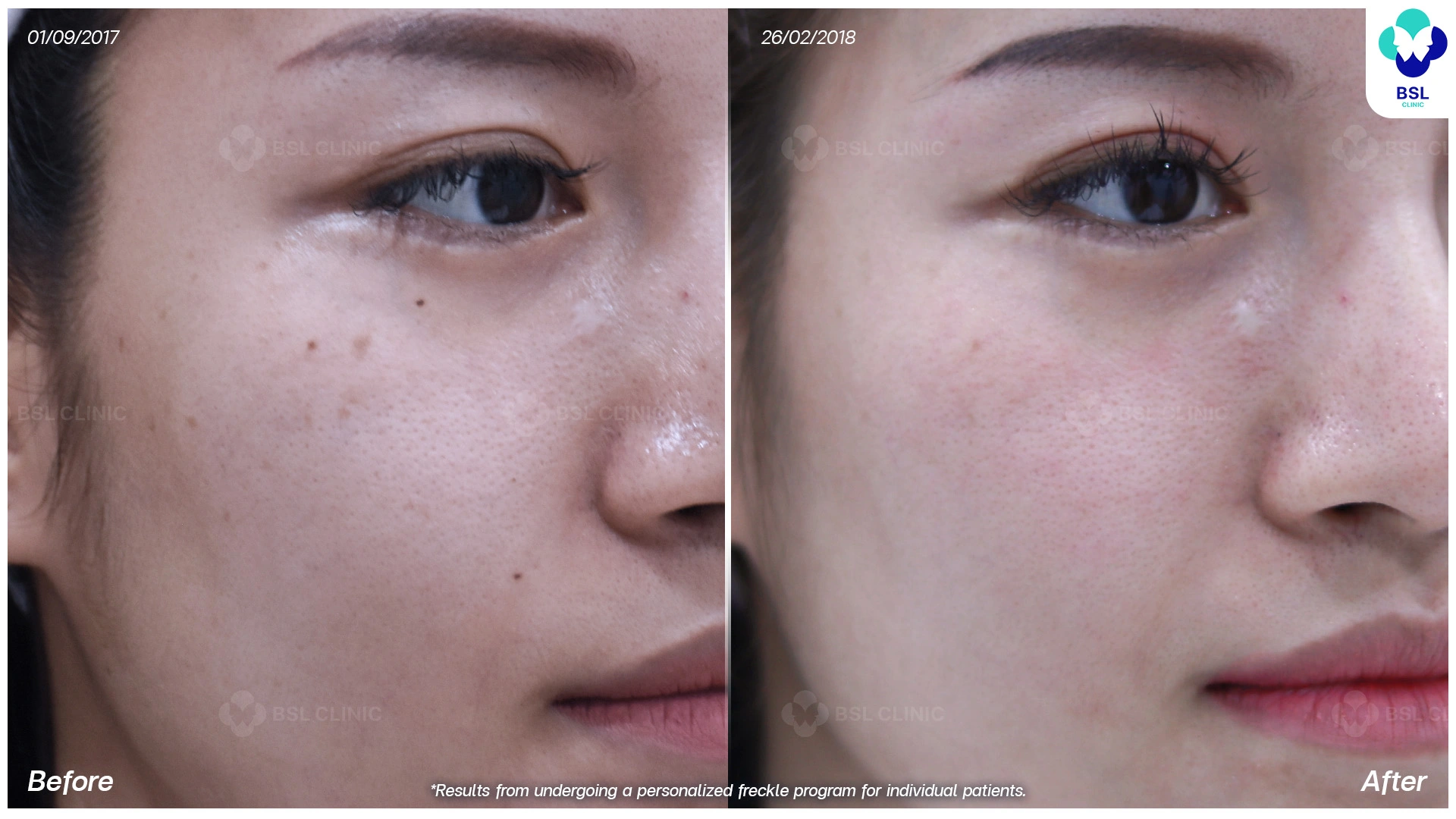
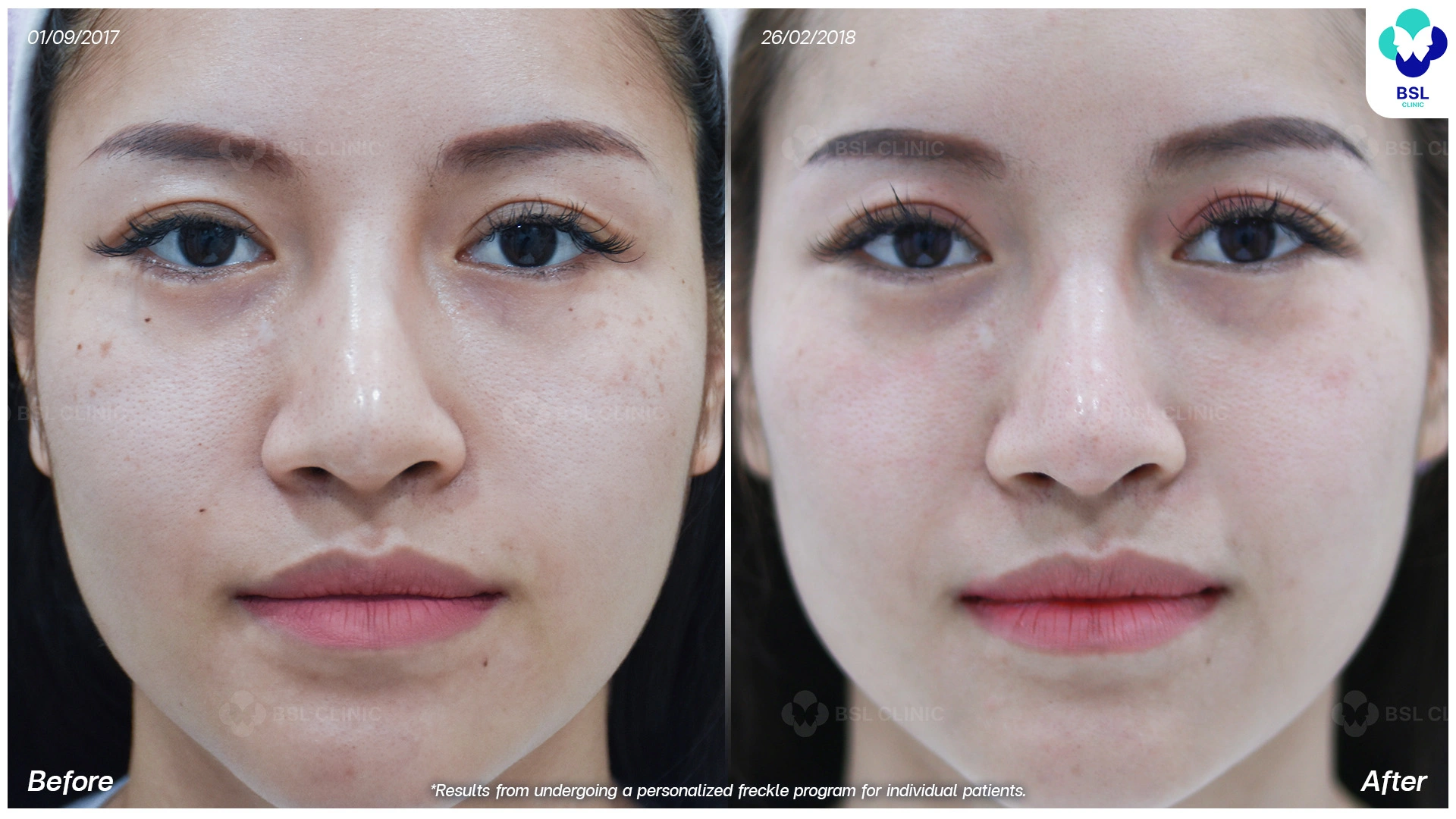
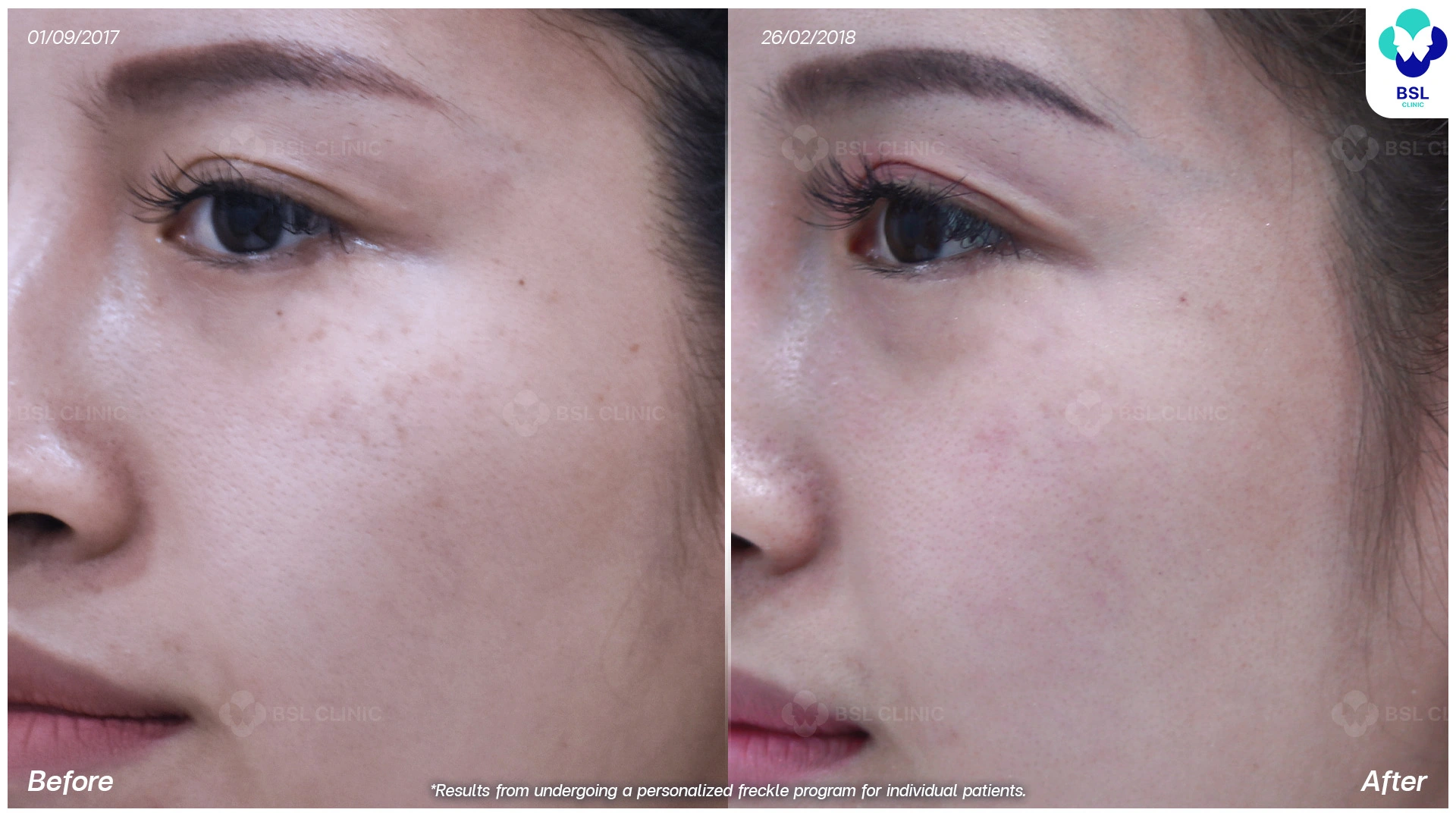
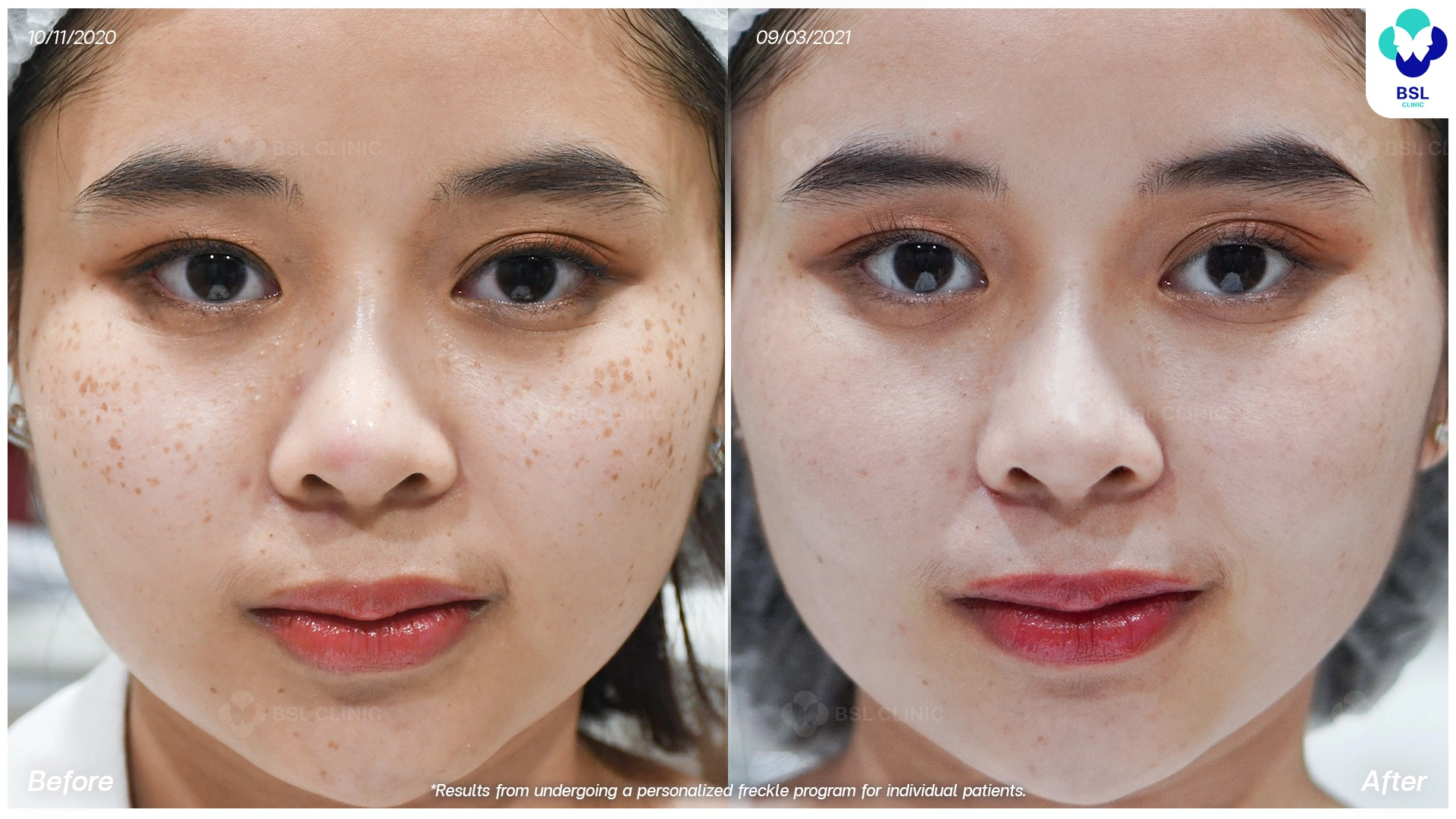
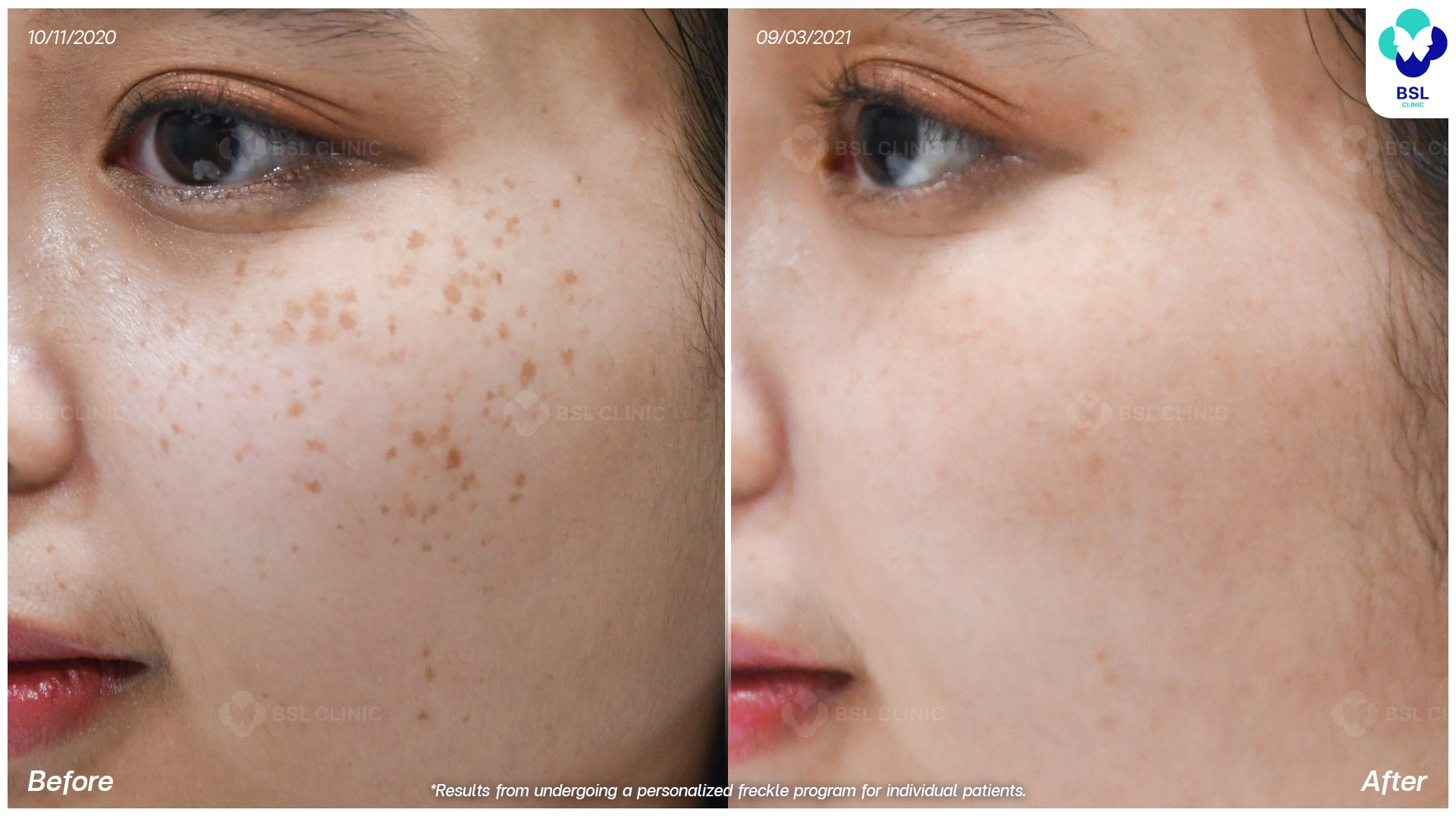
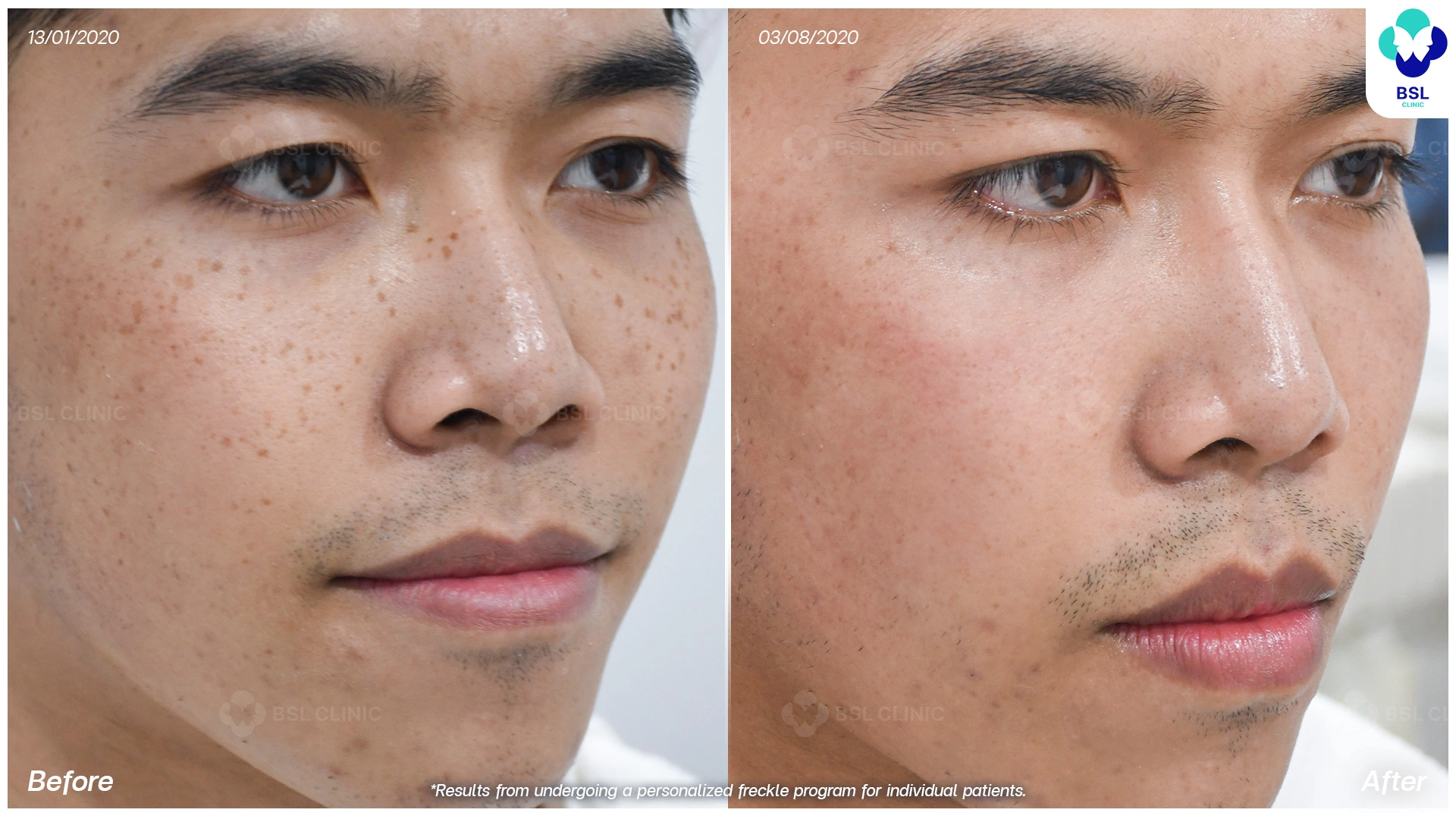
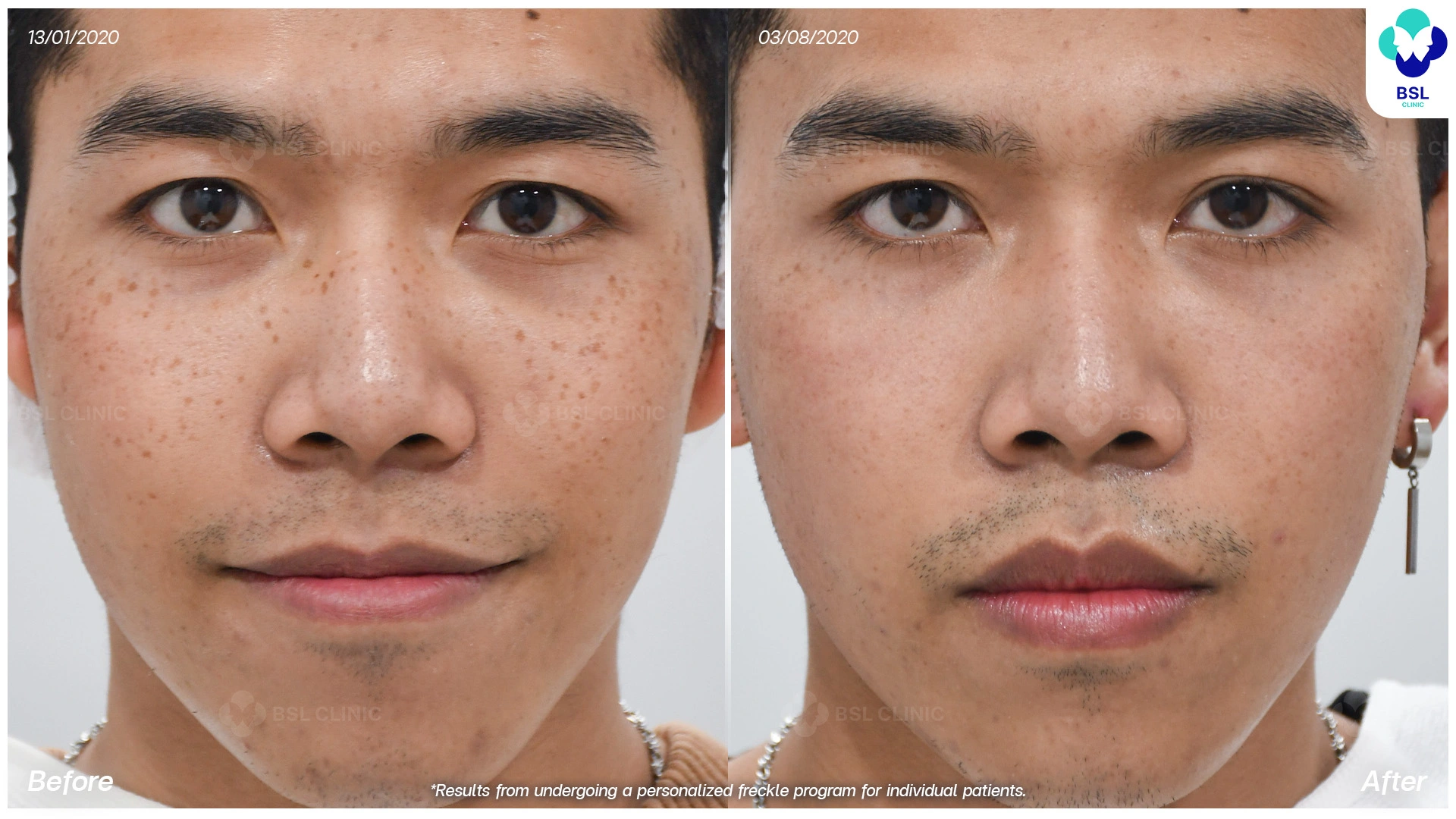
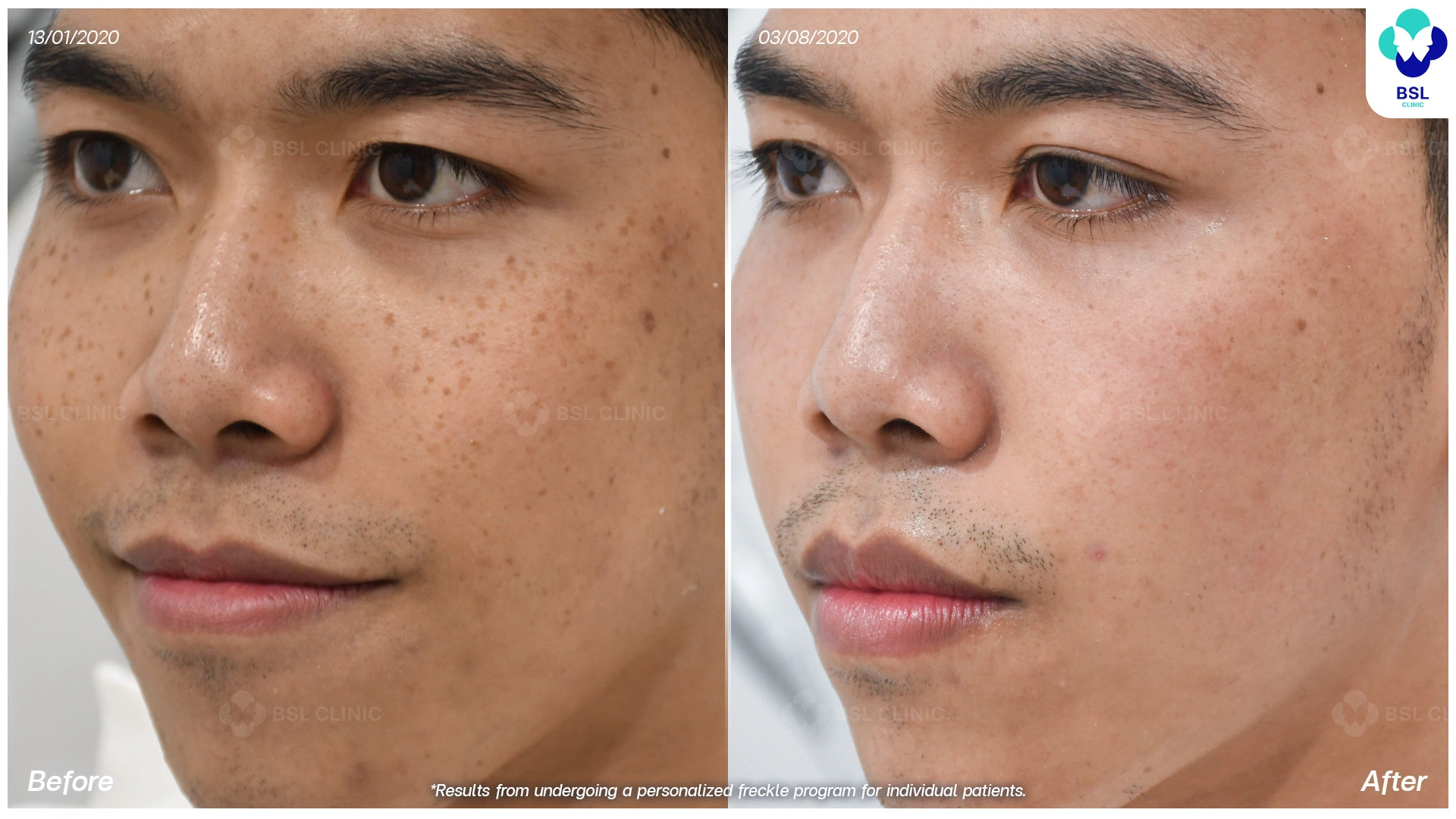
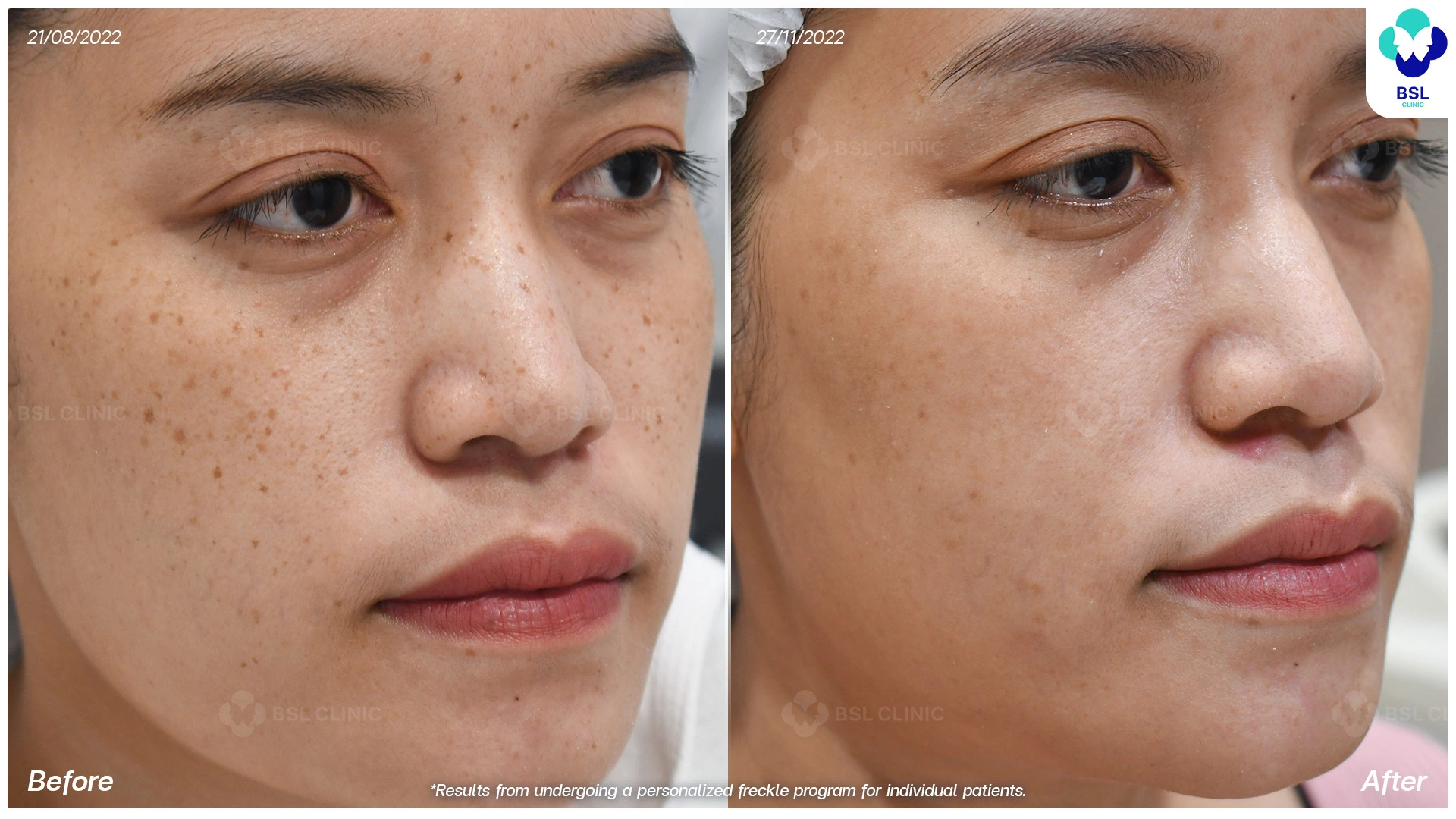
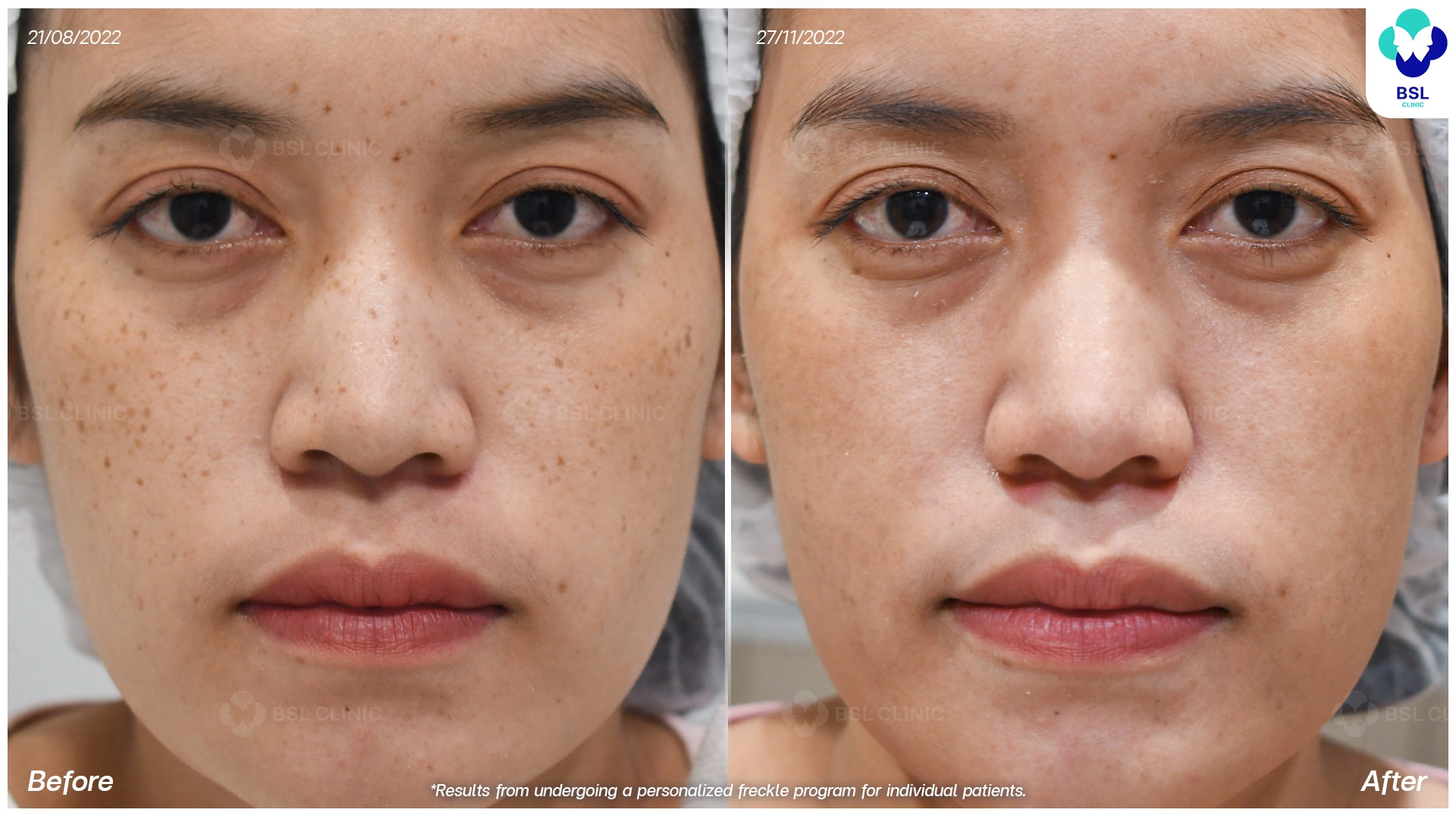
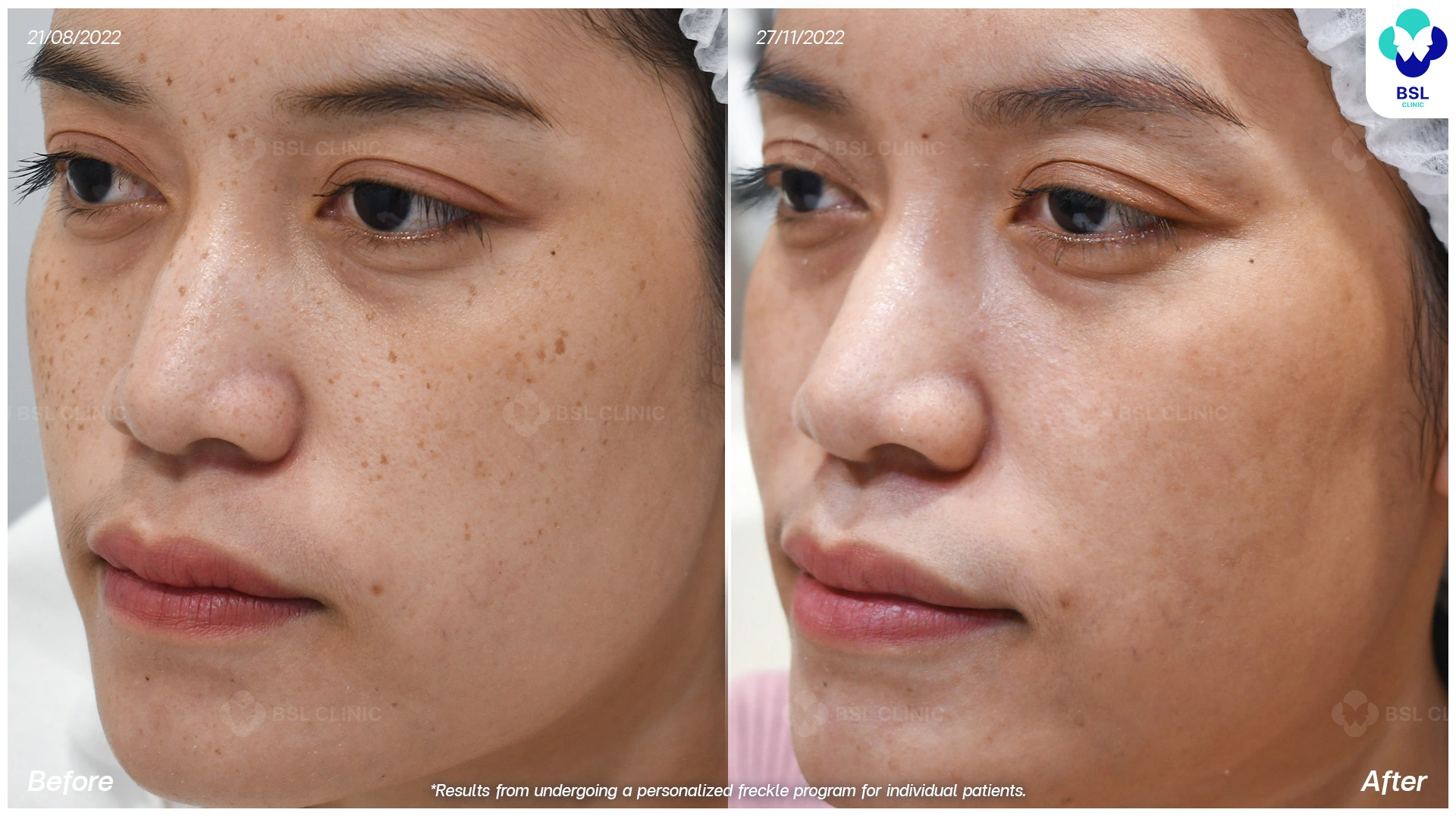
Dark spots can look similar, but their colour, depth and typical patterns can differ. Here are three types commonly discussed when considering pigmentation care.
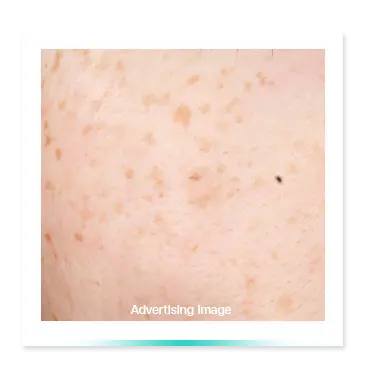
Freckles (ephelides) are small, flat, light-brown spots that often become more noticeable with sun exposure. They commonly appear across the nose and cheeks, as well as other sun-exposed areas such as the shoulders and upper arms.1,2,3
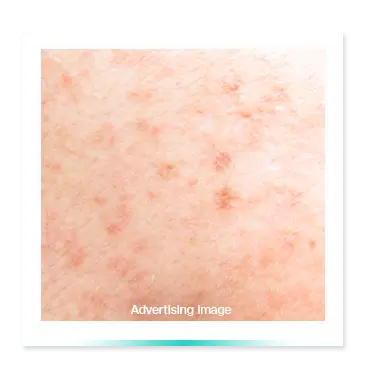
Hori’s nevus, clinically known as acquired bilateral nevus of Ota-like macules, typically appears as blue-grey to grey-brown spots on both cheeks. It usually develops in adulthood and is commonly reported among middle-aged Asian women.4
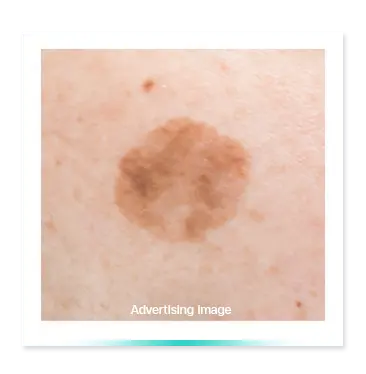
Solar lentigines, also known as sun spots or age spots, are flat brown to dark patches associated with cumulative sun exposure. They commonly appear on sun-exposed areas such as the face, hands and shoulders.5,6,7




Laser treatment for dark spots works by directing specific wavelengths of light toward pigment in the skin. Because freckles, Hori’s nevus and sun spots can differ in pigment depth and skin characteristics, the laser program and wavelength considered may vary from person to person.
Program
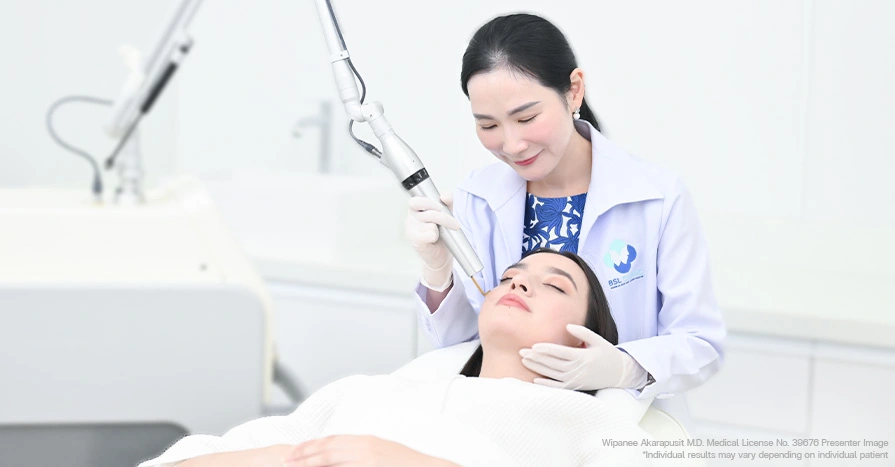
For freckles, sun spots and other pigmentation concerns, the Picoway Laser Program uses ultra-short picosecond pulses to break pigment into smaller particles.1 Its multiple wavelengths allow different pigment depths and skin characteristics to be considered when planning treatment.2,8
PicoWay Program
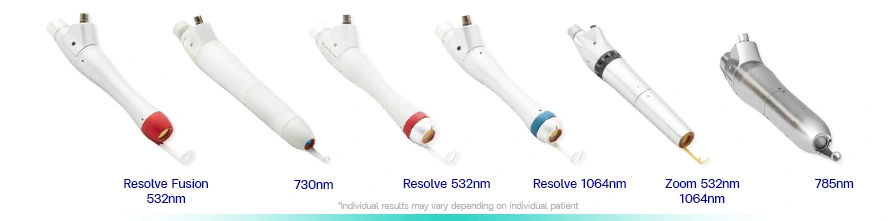
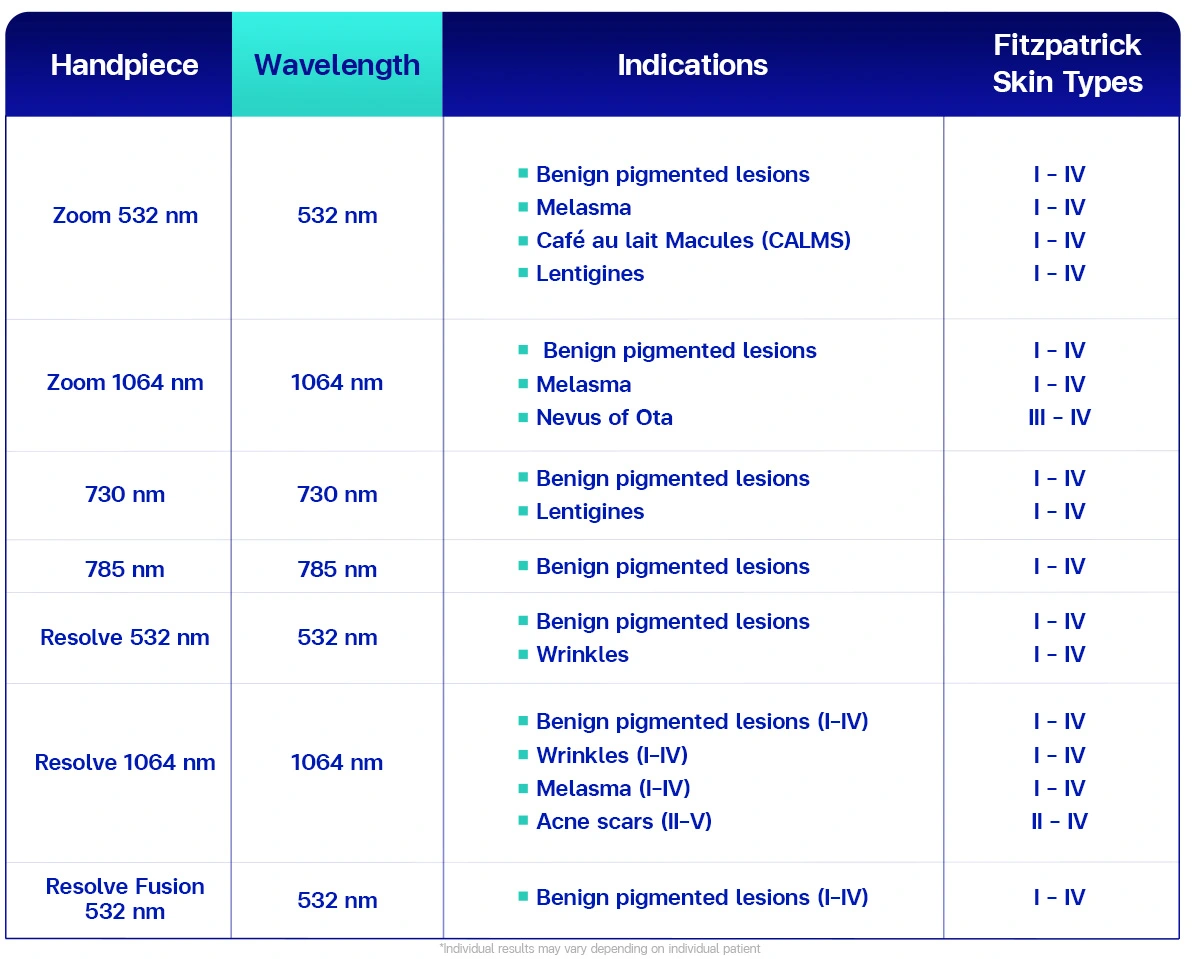
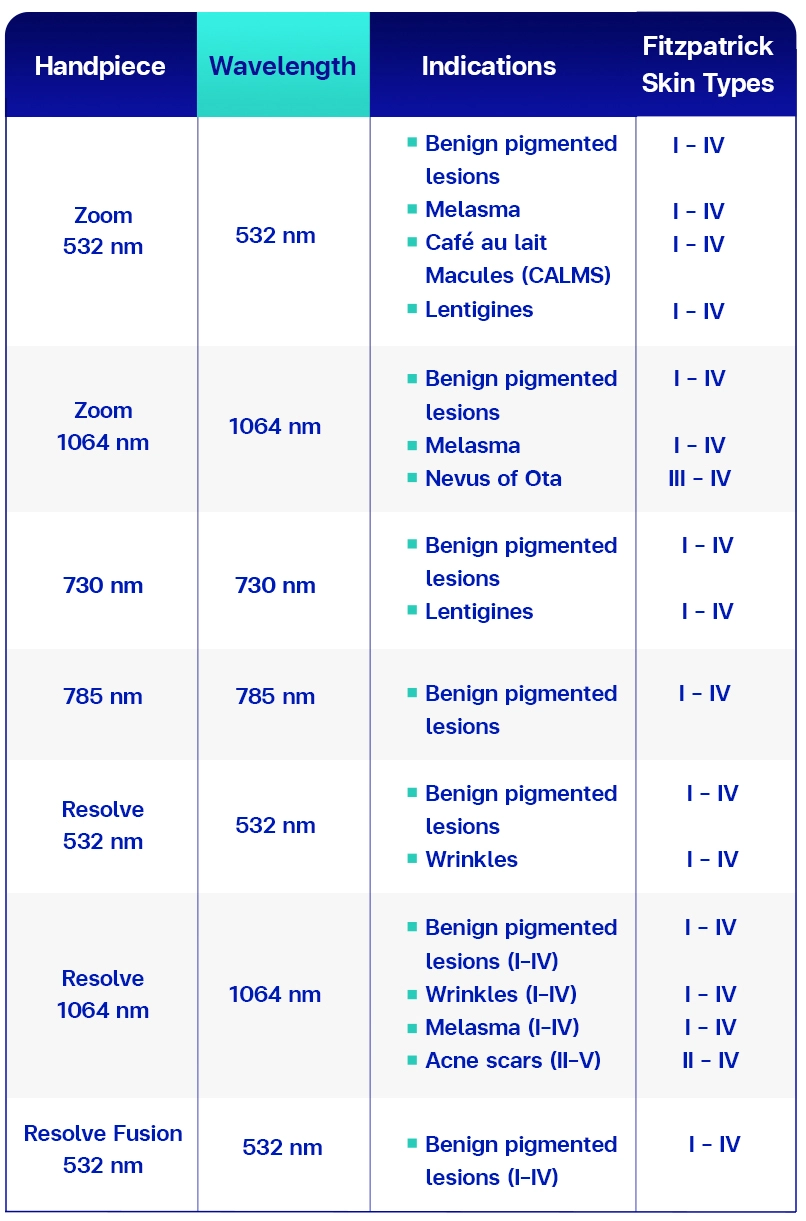

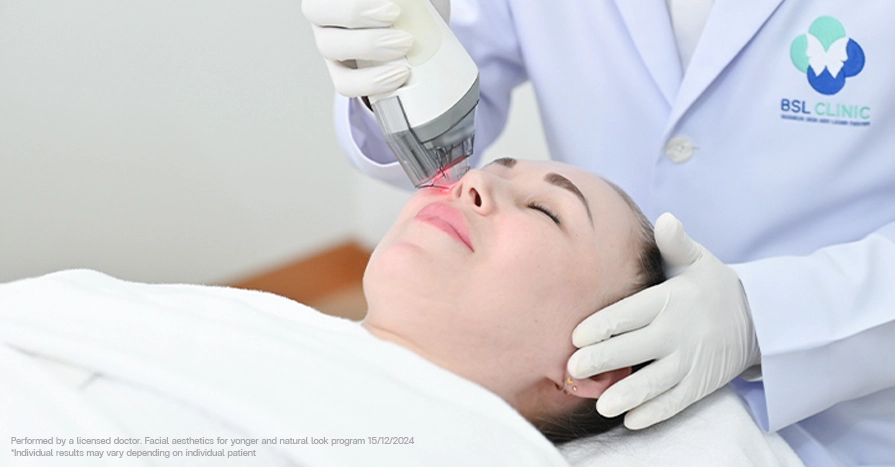
The Pigmentation Removal Laser (Fraxel Dual Program) is another option used in pigmentation care. Its 1550 nm and 1927 nm wavelengths are used to address skin texture and pigmentation at different levels.9 This laser may be considered as part of an individual treatment plan depending on the characteristics of the skin and pigment.
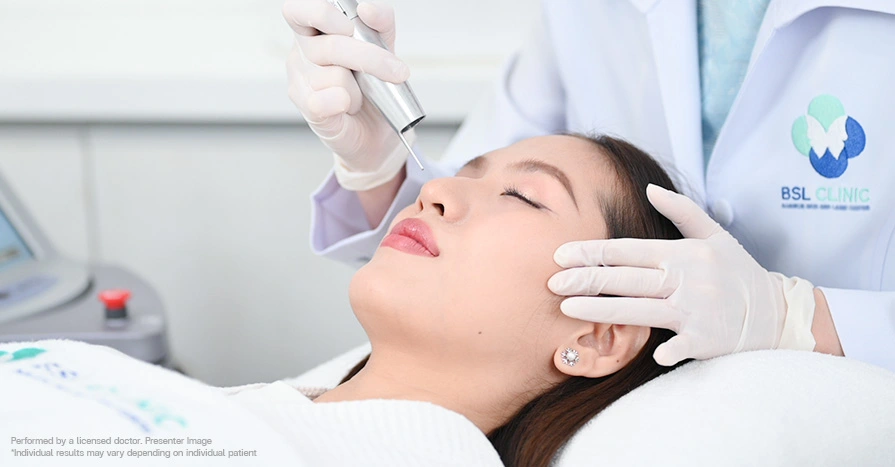
For people searching for freckle removal, treatment does not necessarily mean using the same laser for every type of pigment. The Pigmentation Reduction Laser (Revlite Laser Program) uses laser energy to target excess pigment, which is then broken into smaller particles.¹⁰ The program considered depends on the pigment characteristics and individual skin.
At BSL Clinic, we understand that every individual’s skin type and pigmentation concerns are unique. Using laser technologies, we develop treatment plans tailored to diverse skin needs with precision and care.
Designed to address surface pigmentation, including freckles and pigmented lesions. It focuses on melanin to help improve skin clarity for Fitzpatrick Skin Types 1-2.11
Helps manage melasma and improve skin appearance, particularly for Fitzpatrick Skin Types 3-5.11
Suitable for treating deeper pigmentation in Fitzpatrick Skin Types 4-5, addressing conditions such as Hori’s nevus, birthmarks, and dermal melasma while minimizing the risk of post-inflammatory hyperpigmentation (PIH).11
The Revlite SI Laser Program is designed to support melasma treatment by targeting pigmentation and the underlying blood vessels associated with melasma.10
The number of laser sessions can vary because not all dark spots sit at the same depth or respond in the same way. Freckles, Hori’s nevus and solar lentigines may therefore involve different treatment courses. Your skin characteristics, pigment depth and response over time are also considered when planning each session.
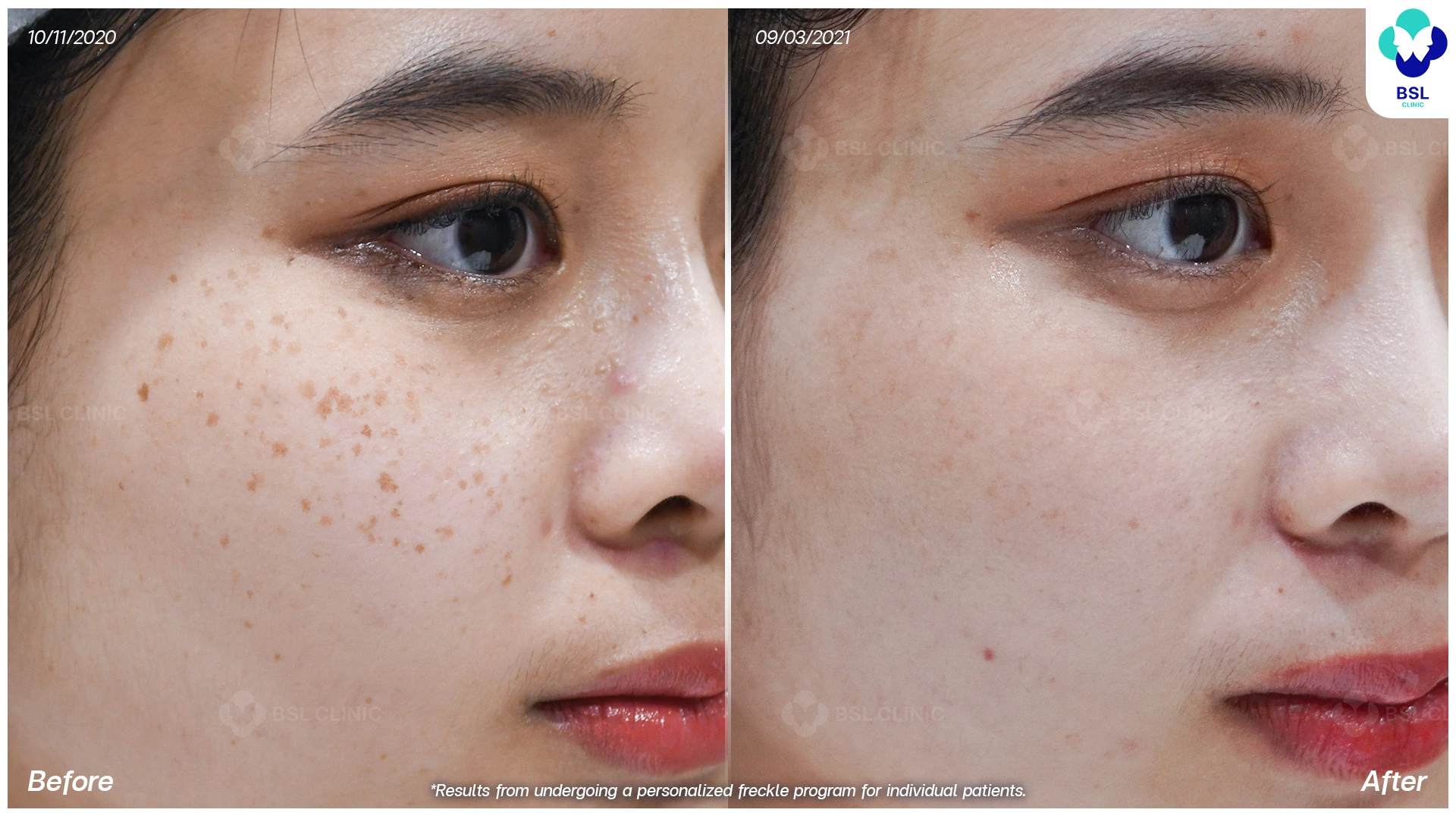
For freckles treatment, approximately 3 sessions may be considered before changes in the appearance of pigmentation become noticeable. Pigment-targeting laser energy works on excess melanin, allowing the fragmented pigment to be gradually cleared over time.
Because freckles can vary in colour, distribution and response, the treatment course may be adjusted according to individual skin and pigment characteristics.
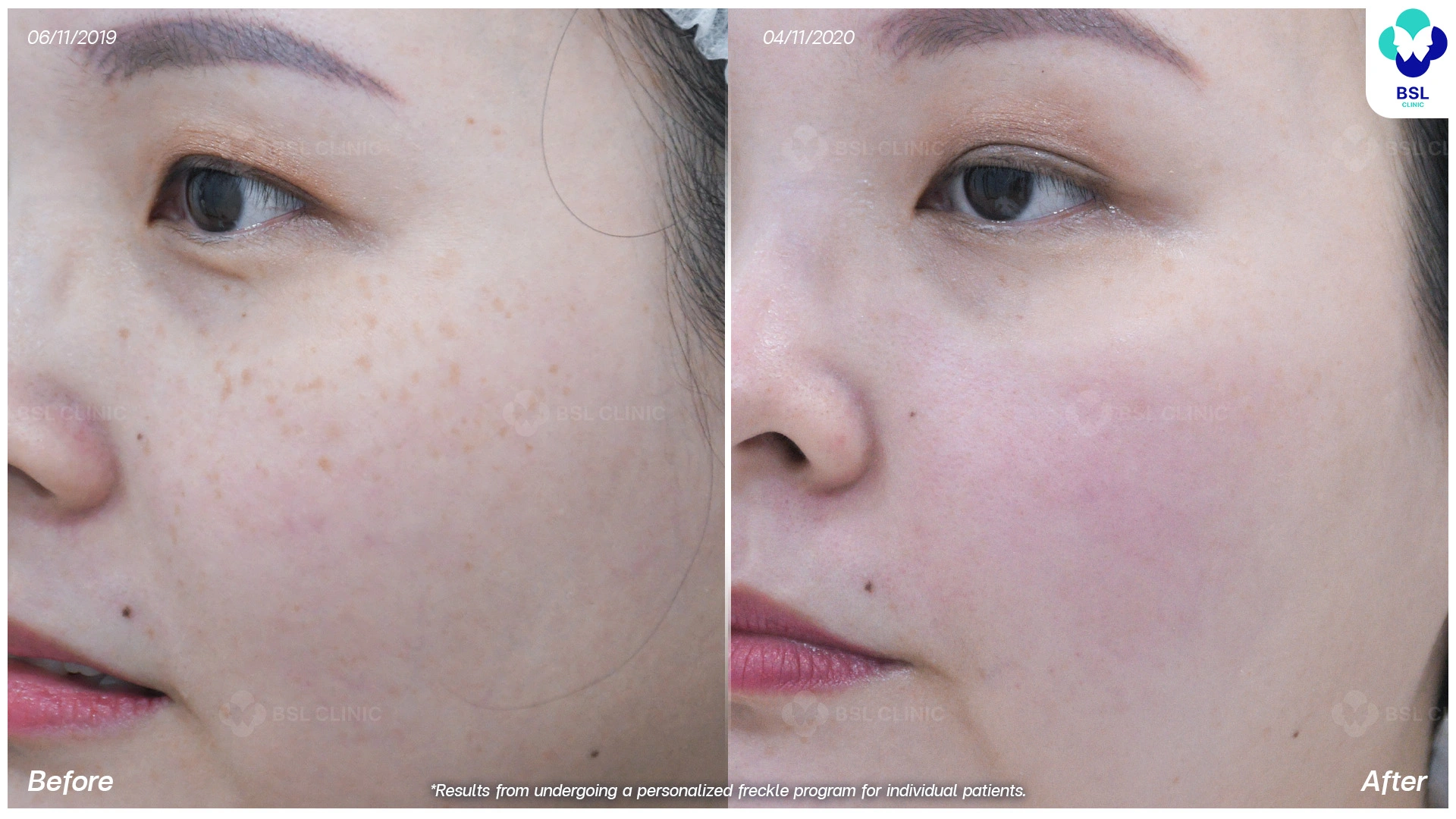
Hori’s nevus involves pigment at a deeper level of the skin than surface-level freckles. Laser energy targets the pigment and breaks it into smaller particles, which are then gradually cleared by the body.
The treatment course described here typically involves around 6 sessions. The actual number may vary depending on pigment depth, individual skin characteristics and response between sessions.
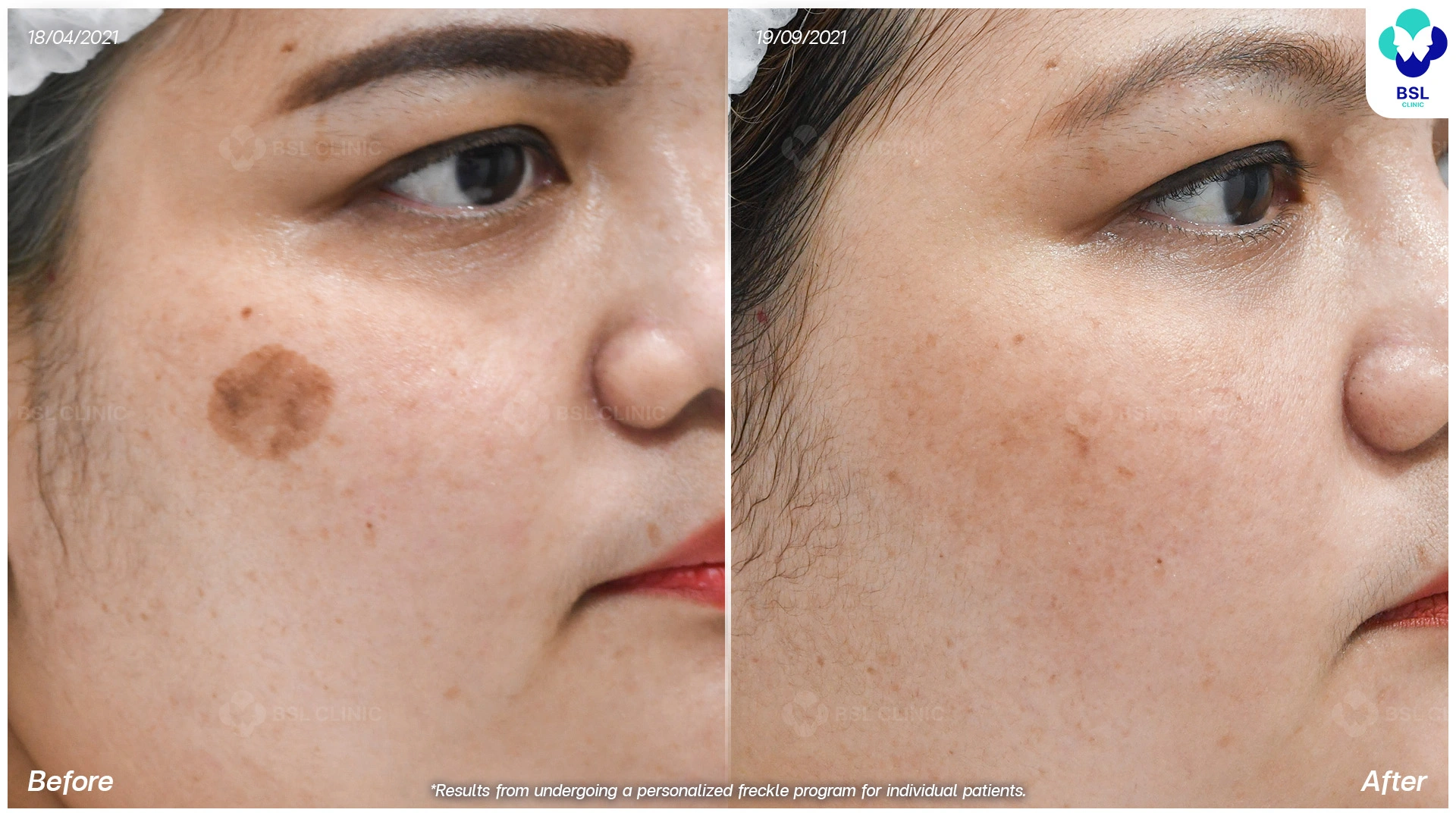
Laser treatment for sun spots, also known as solar lentigines, may involve approximately 1–3 sessions. The laser targets excess pigment within the spots, with changes in their appearance occurring gradually over the course of treatment.
The number of sessions may vary according to the colour, extent and characteristics of the pigmentation, as well as individual skin response.
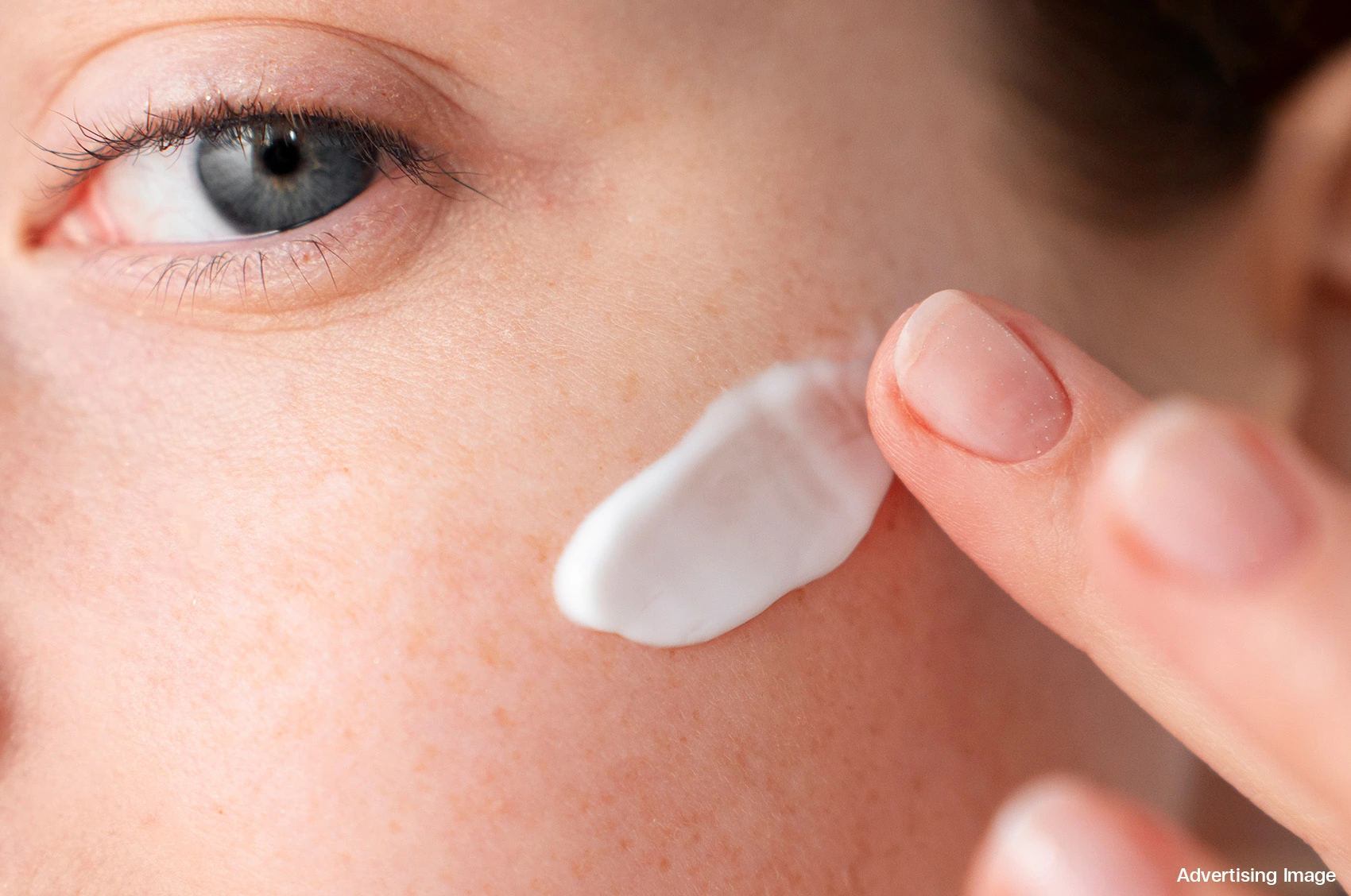
Laser treatment is only one part of pigmentation care. What you do between sessions—especially sun protection, regular moisturising and topical care recommended for your skin—can help support your treatment plan and manage factors that contribute to new pigmentation.
Topical care may also target different stages of melanin production, helping manage how pigment is formed and transferred within the skin.
Four stages of melanin production may be considered in topical pigmentation care:
The products and routine considered may vary depending on your skin, pigmentation concerns and individual treatment plan.
After laser treatment for dark spots, your skin may look or feel slightly different for a short period. What you experience depends on the type of pigment, laser used and how your skin responds.

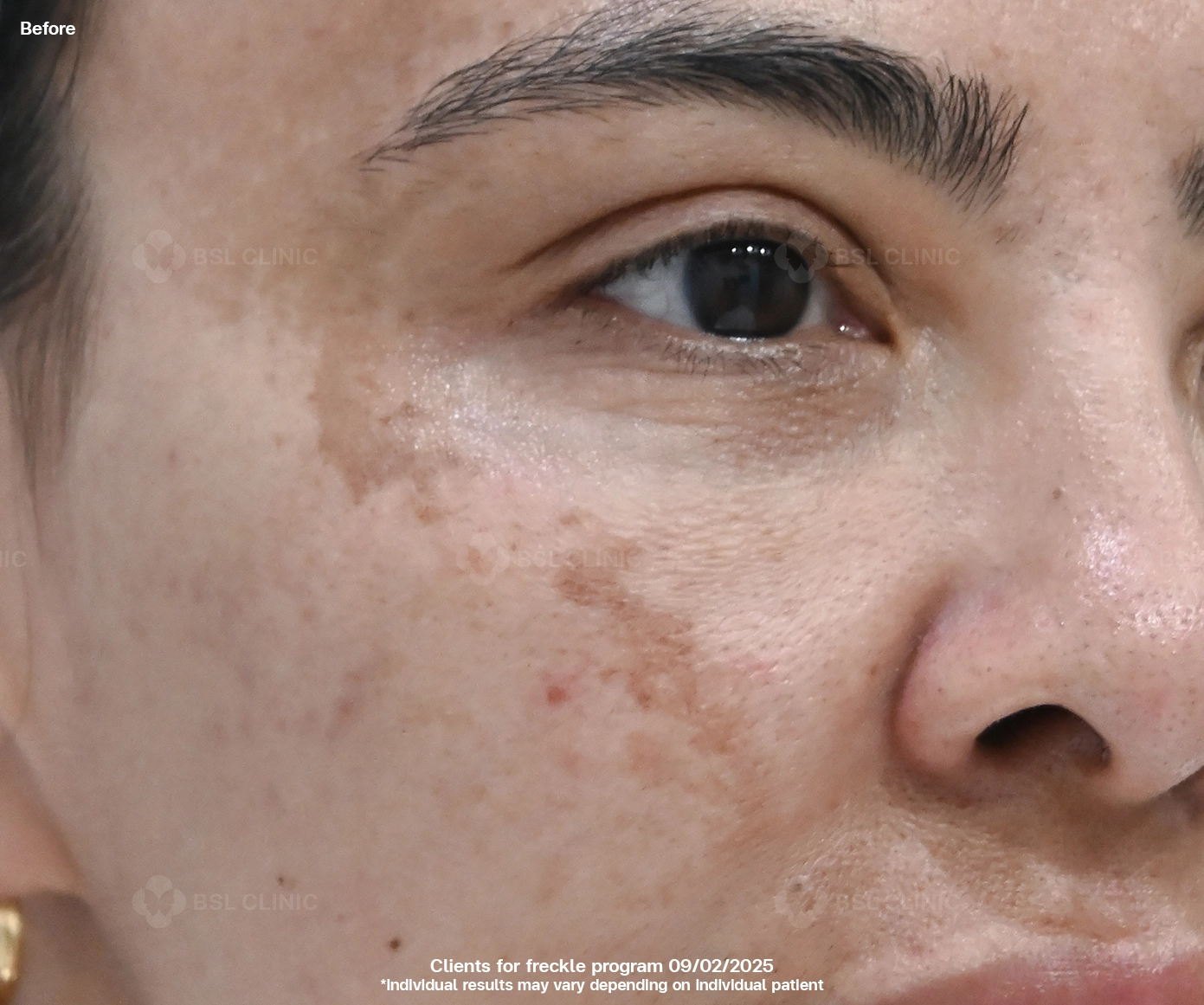
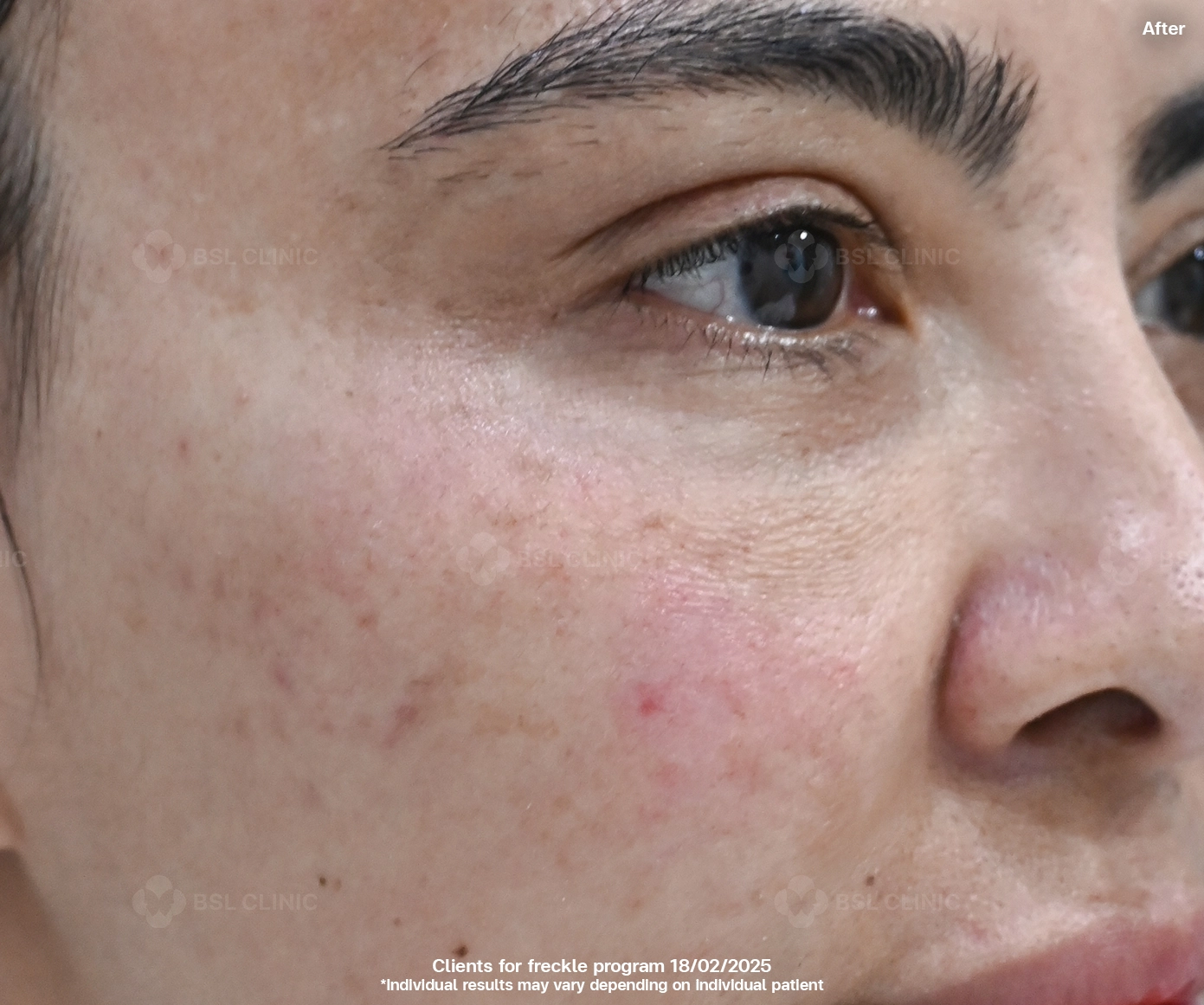
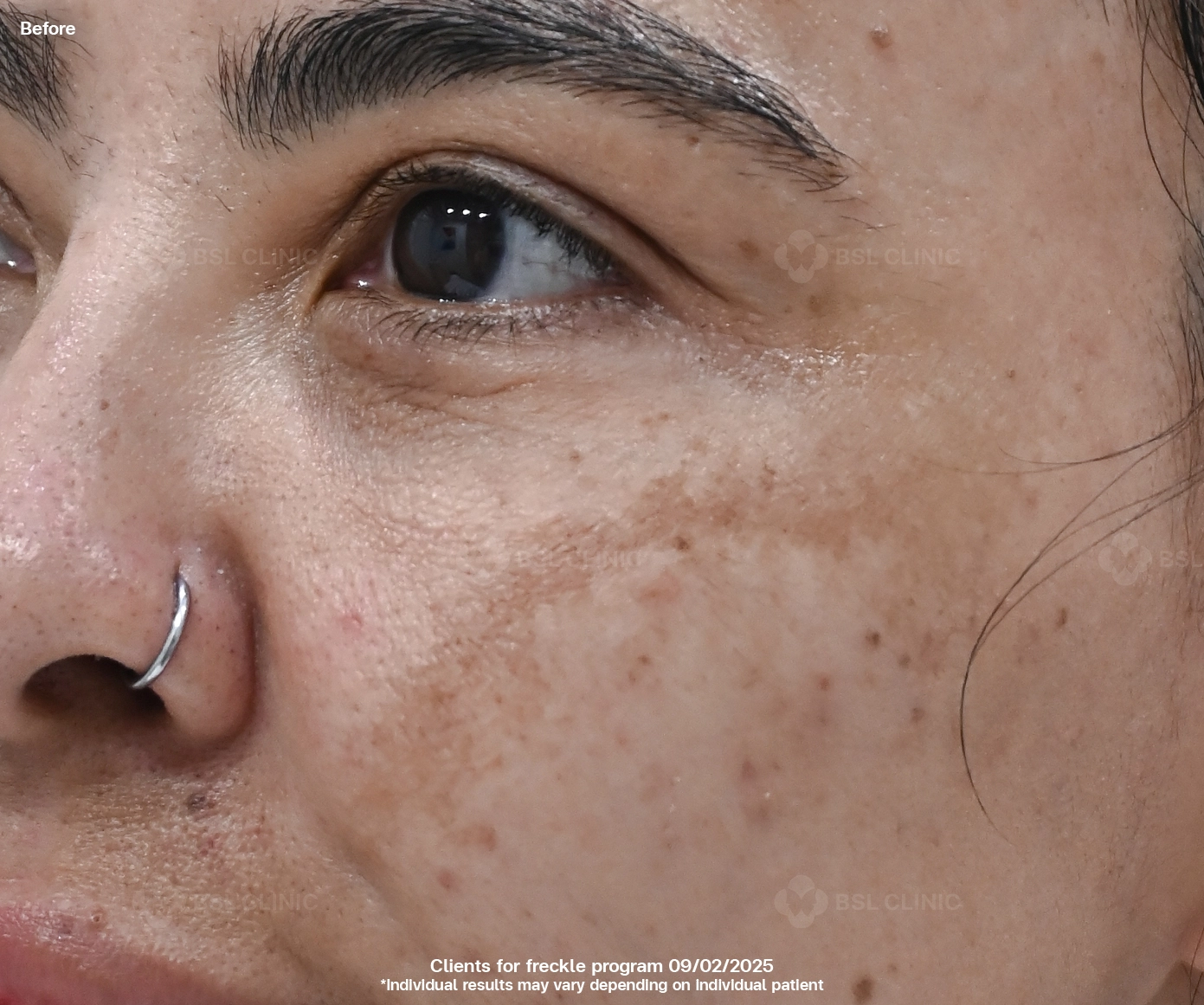
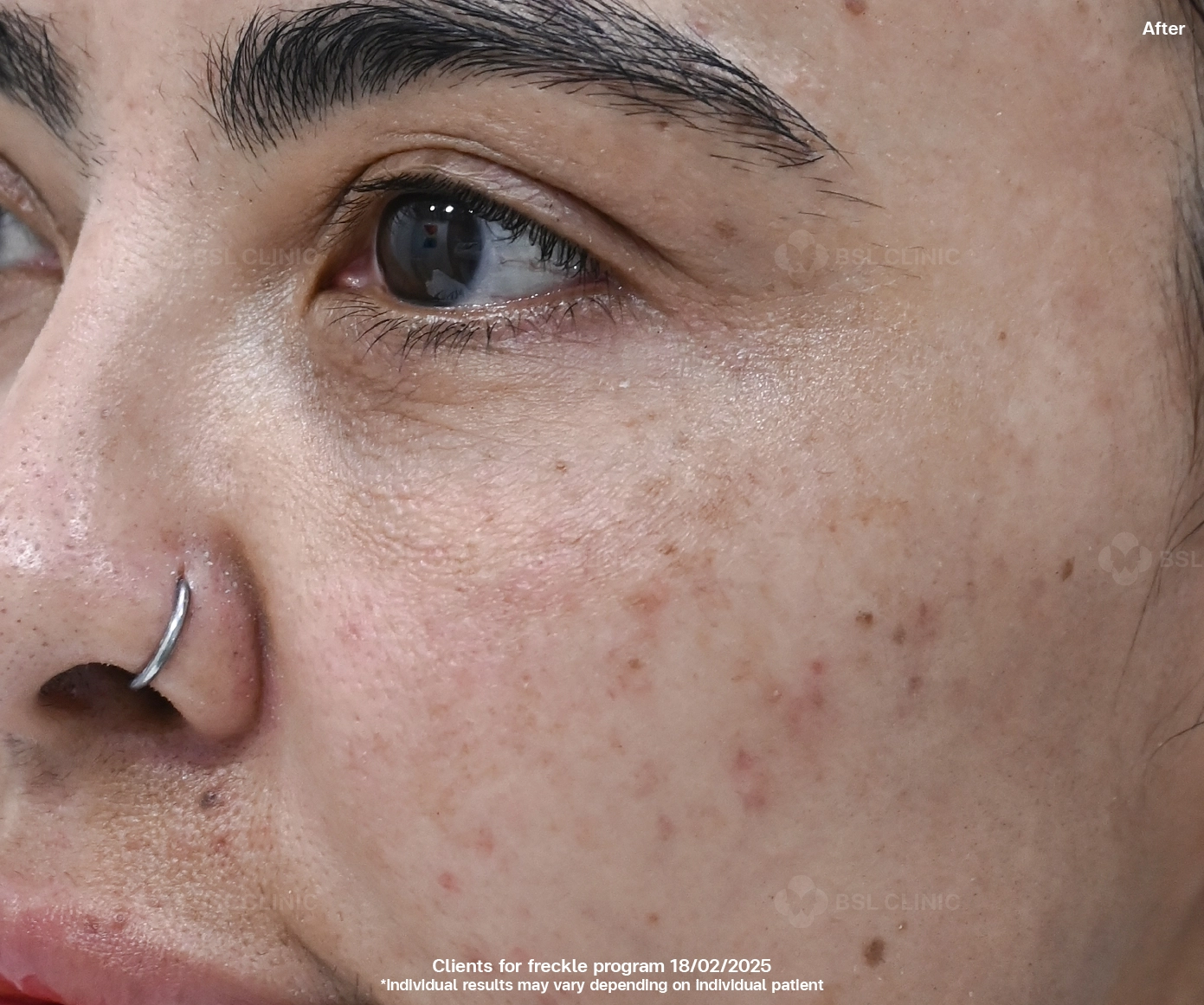
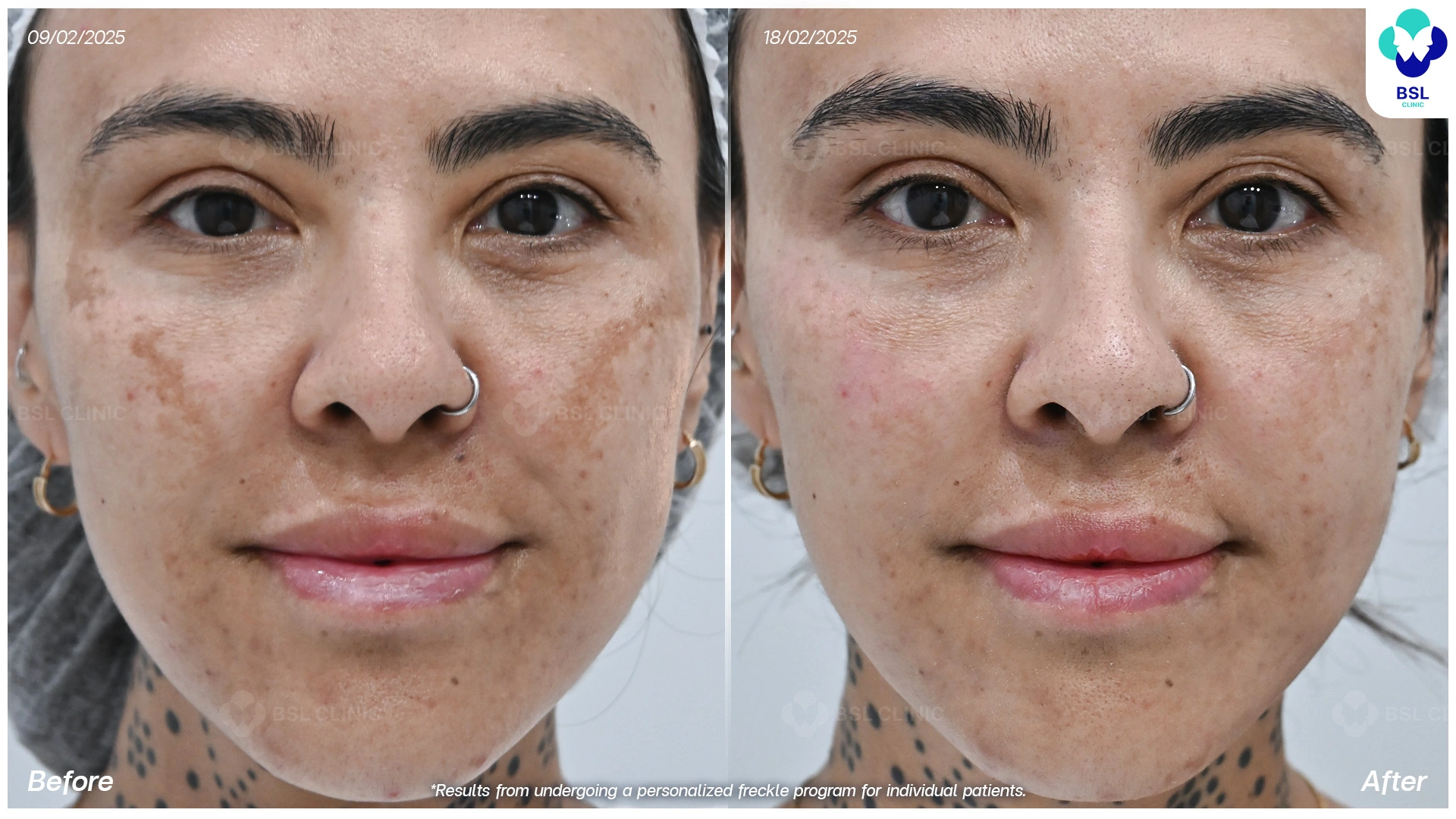
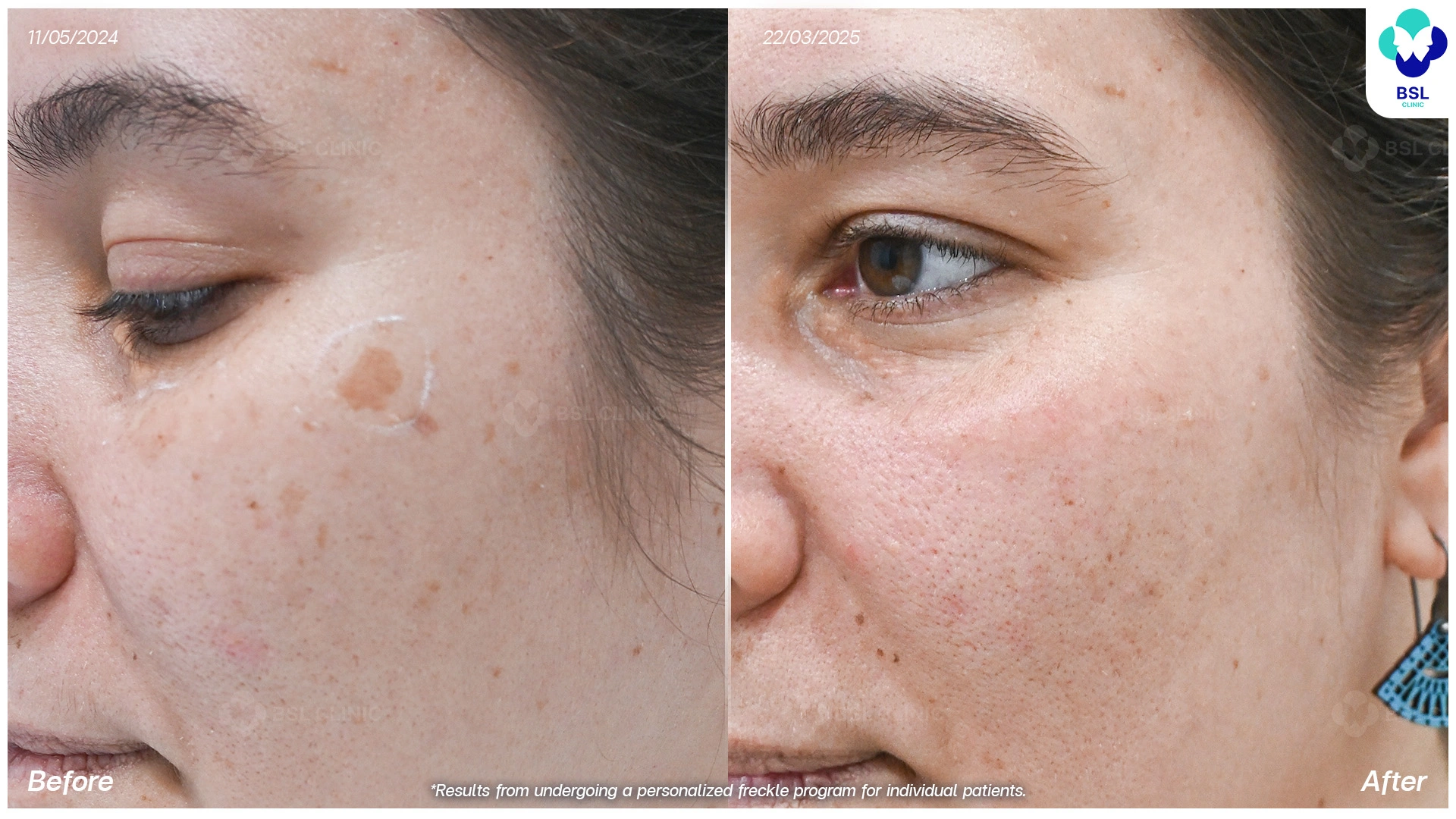
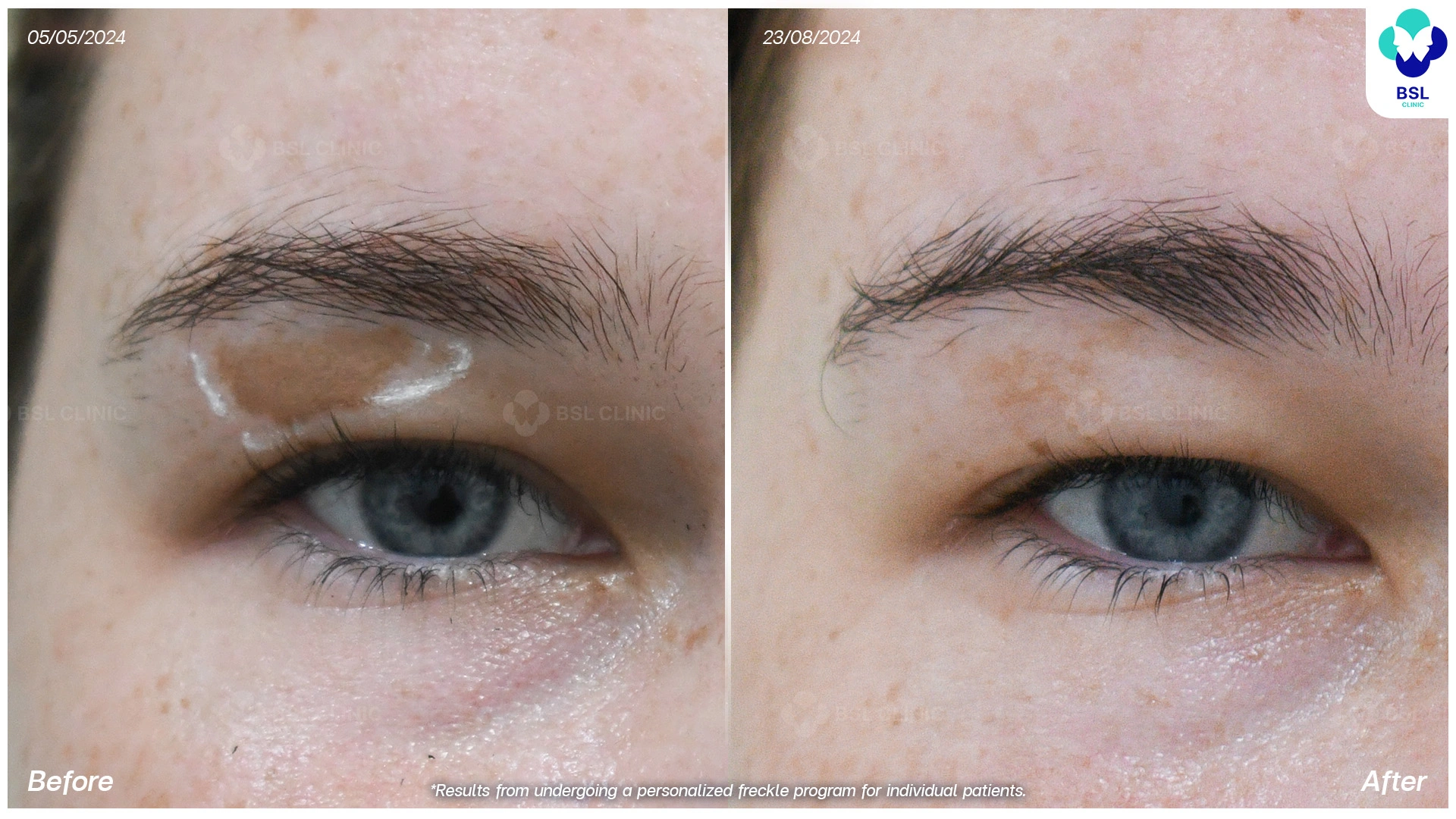
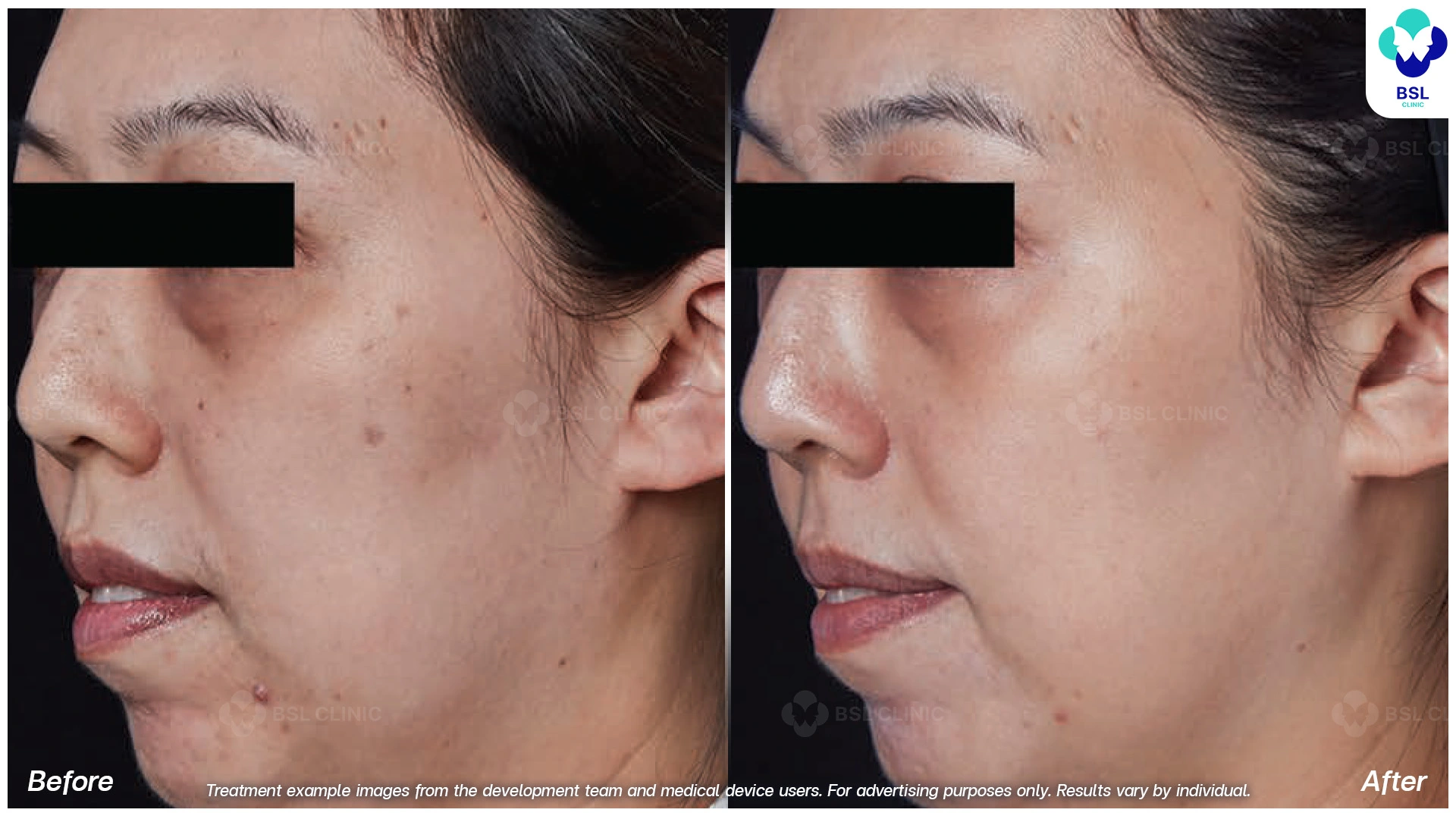
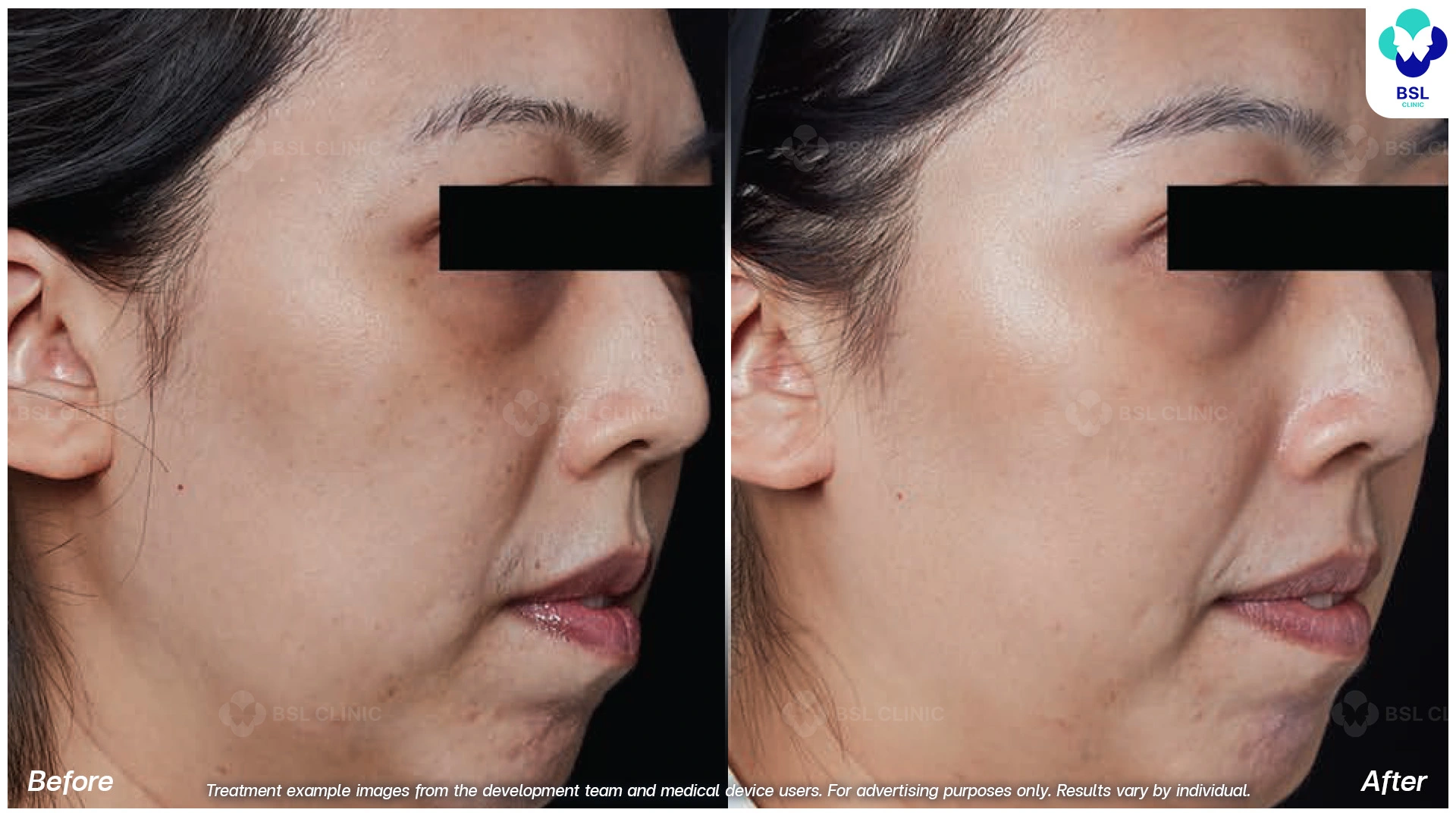
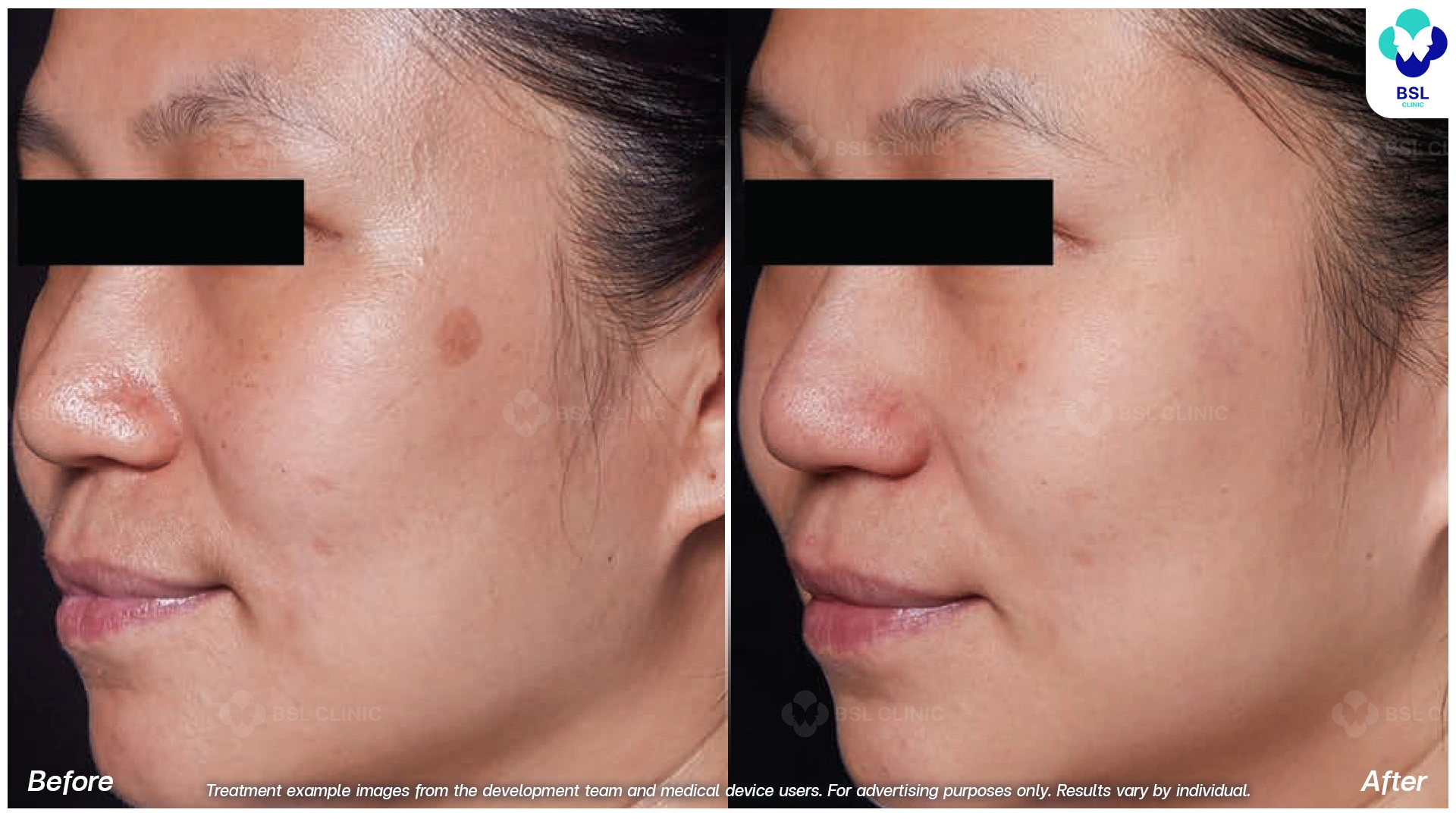
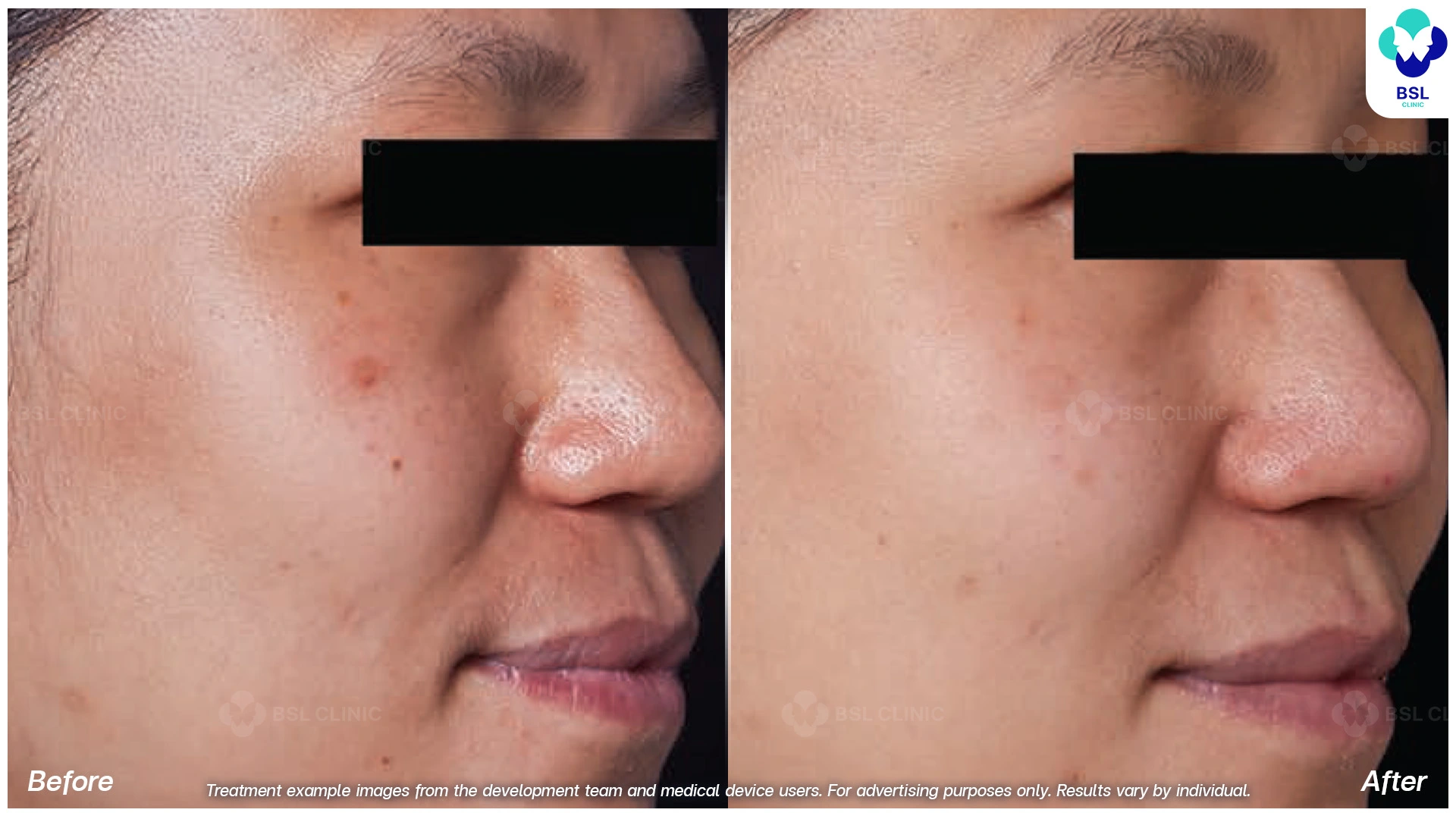
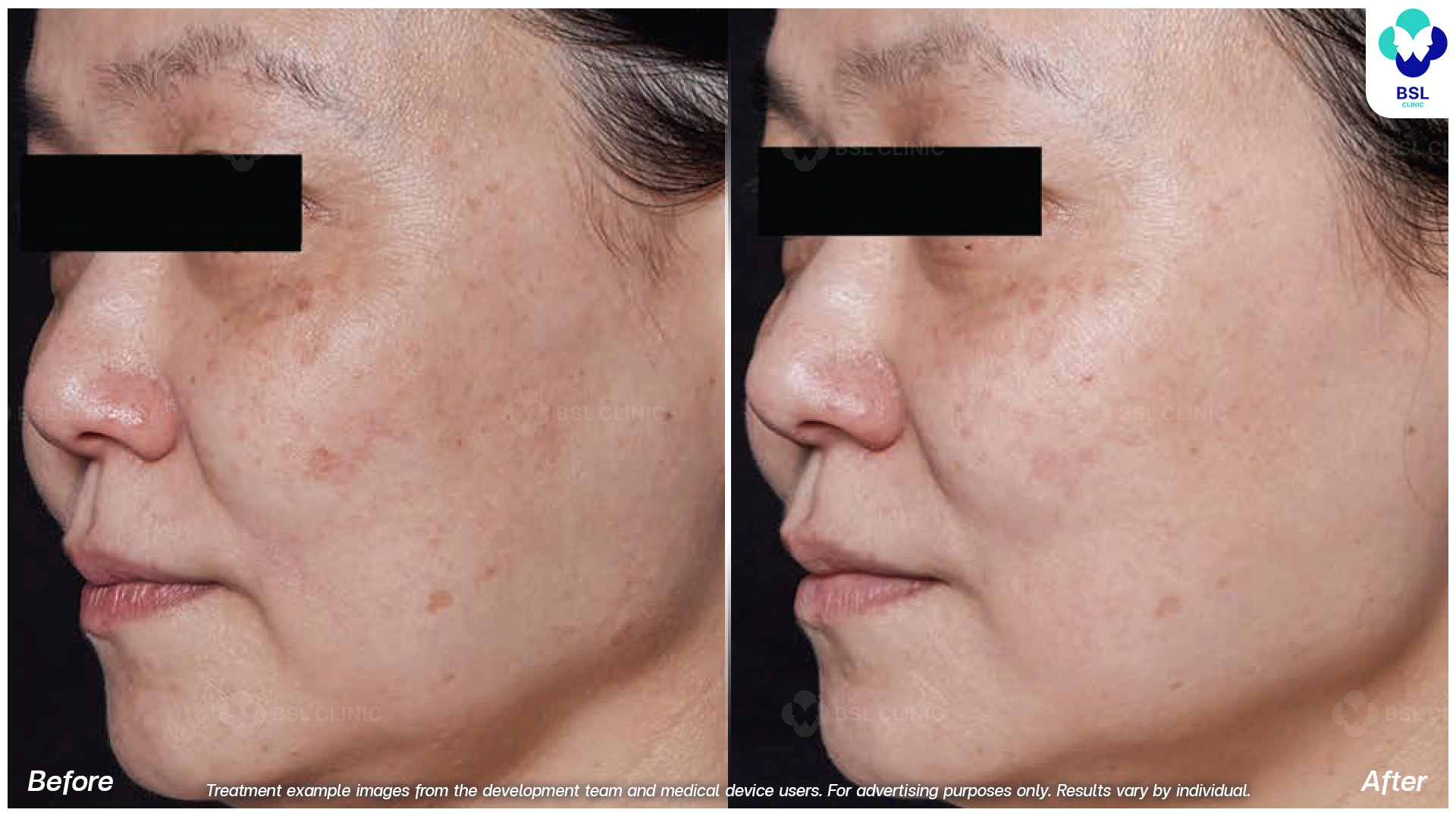
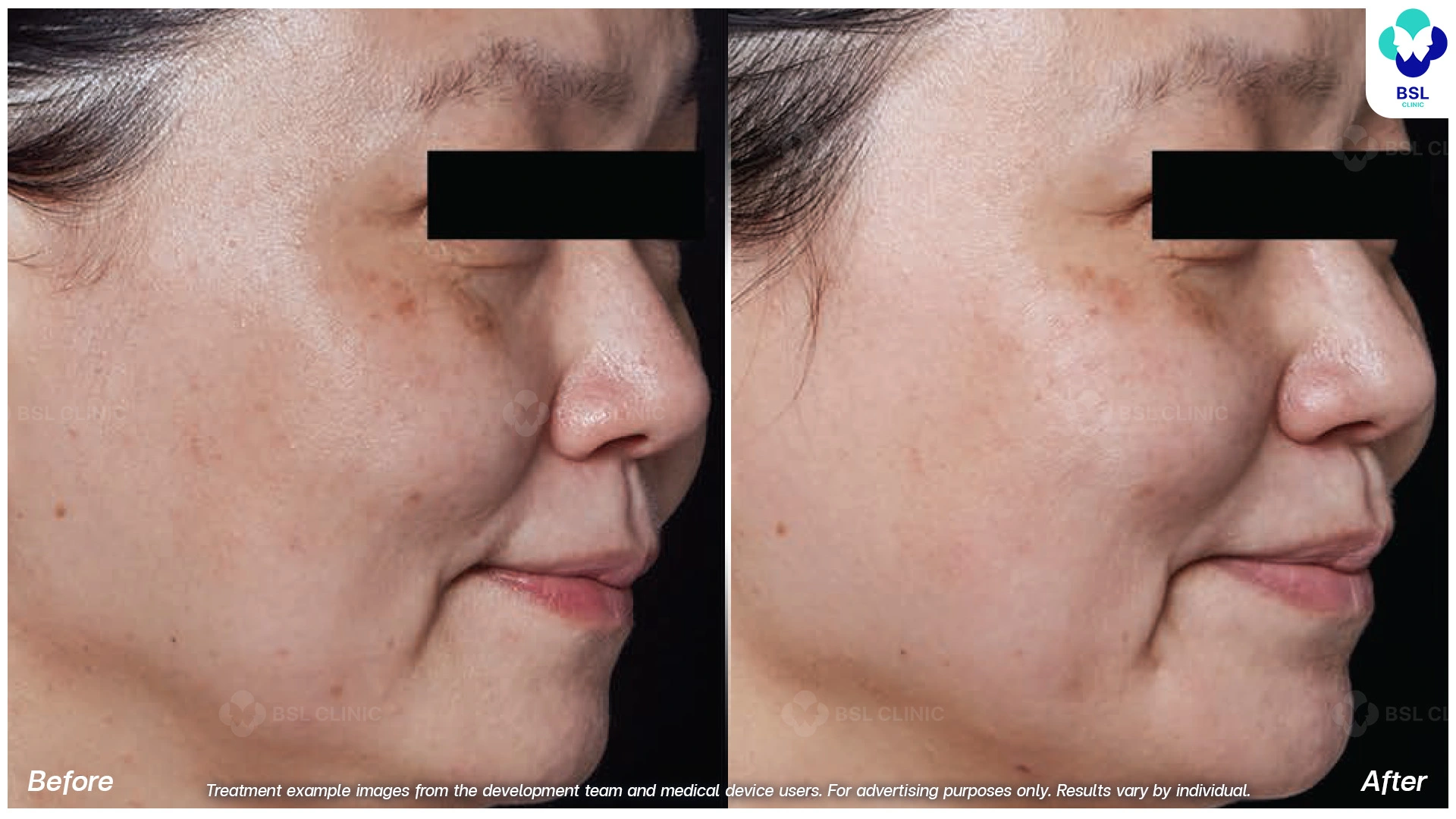
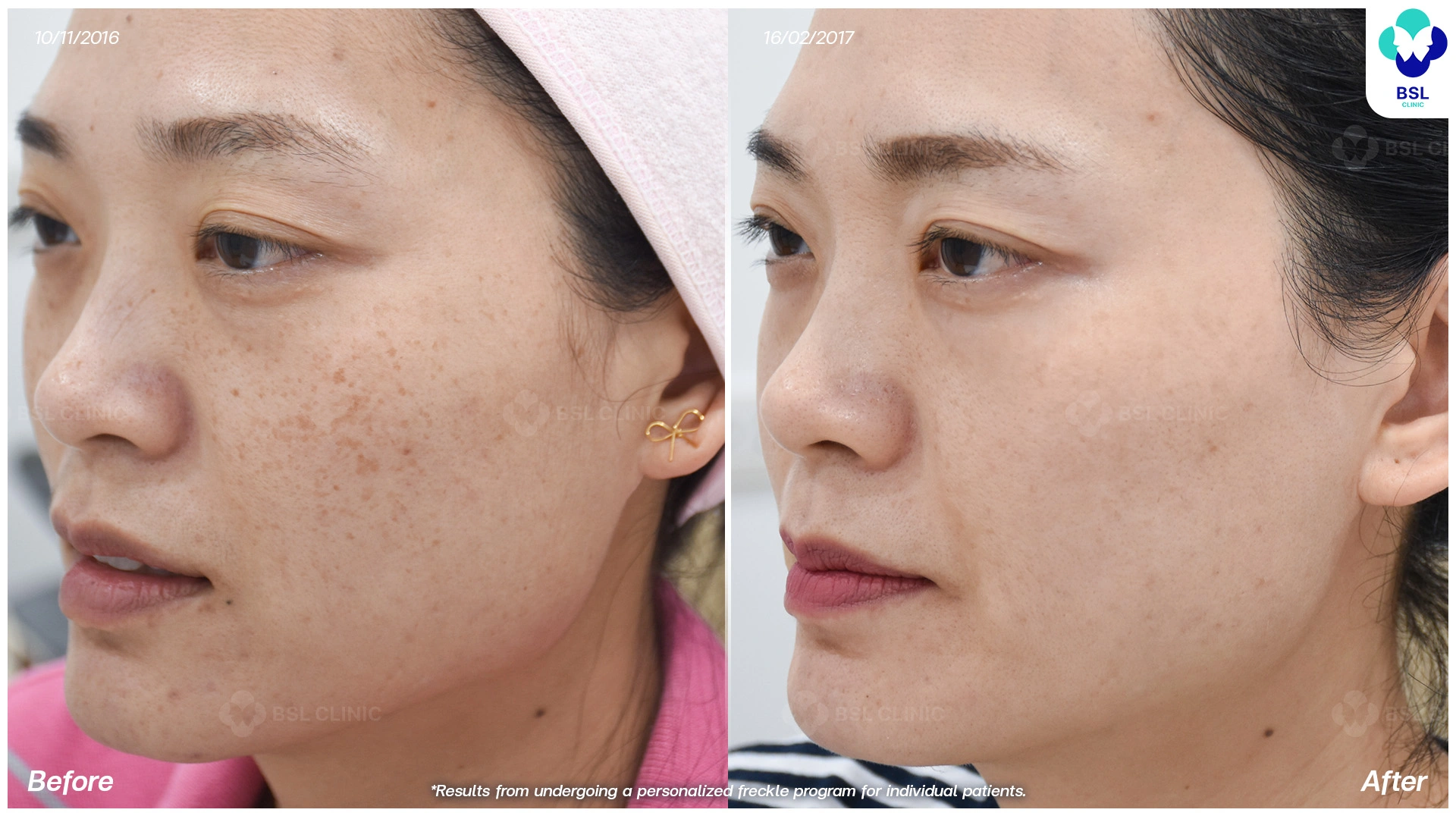
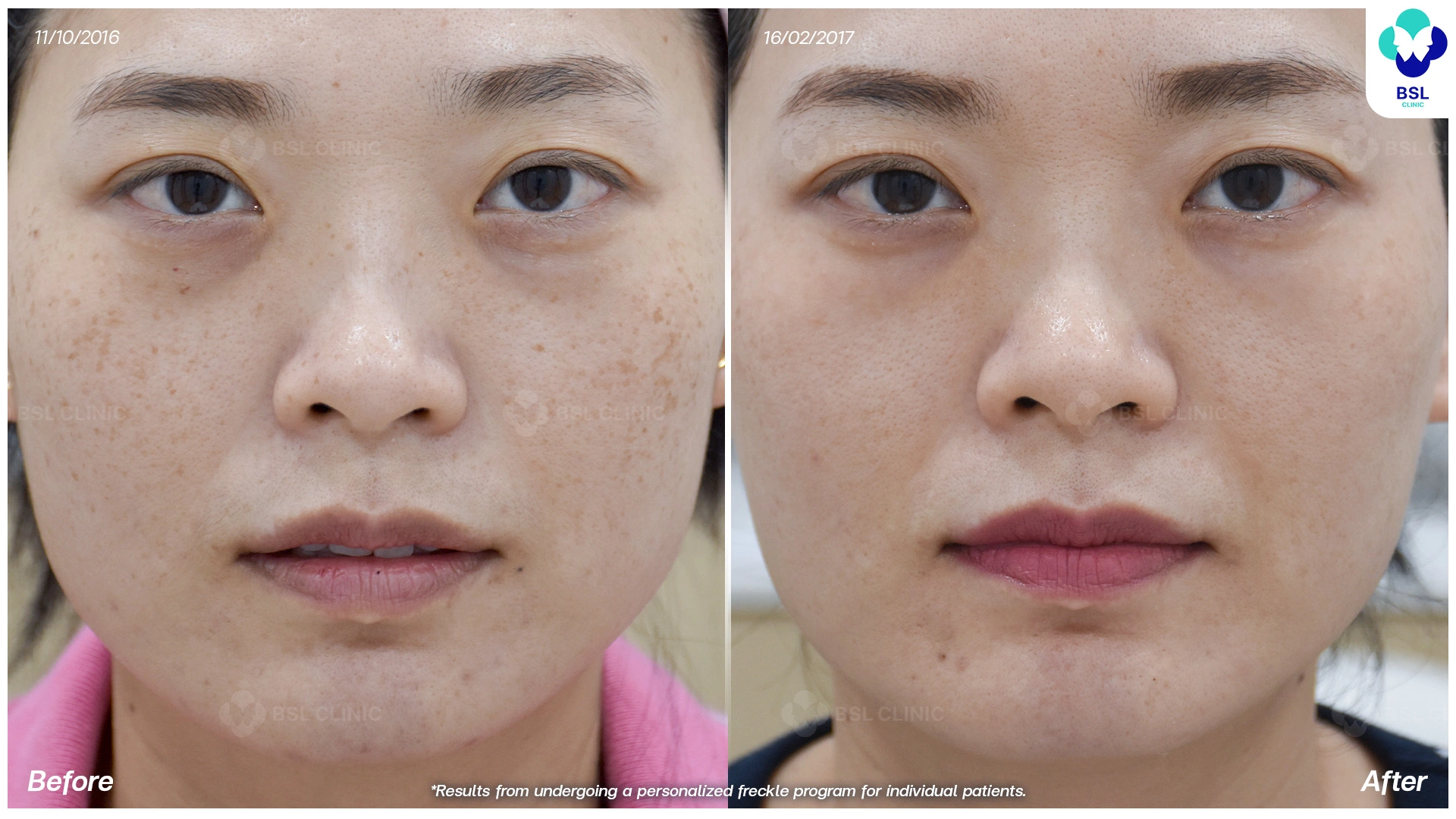
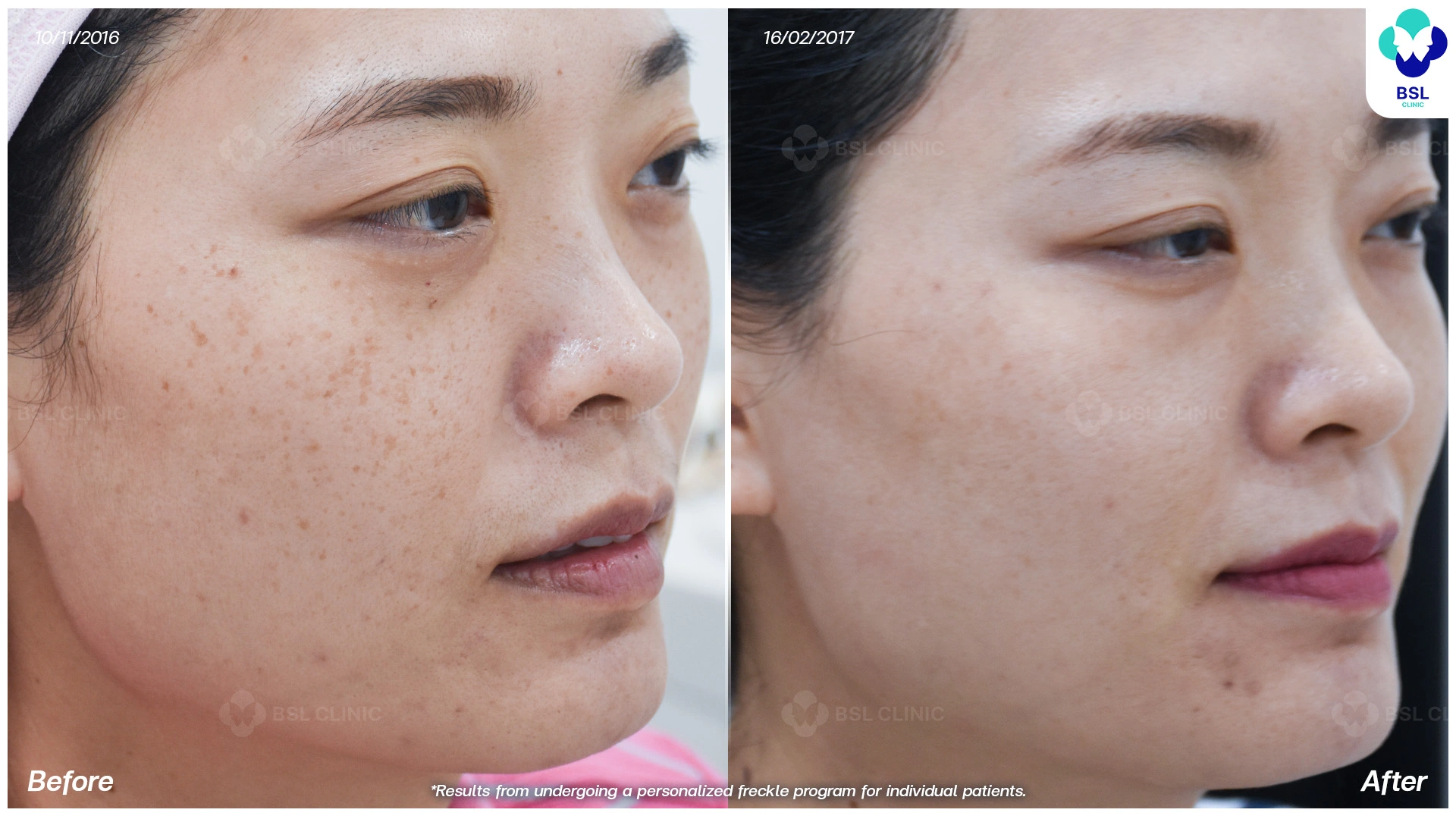
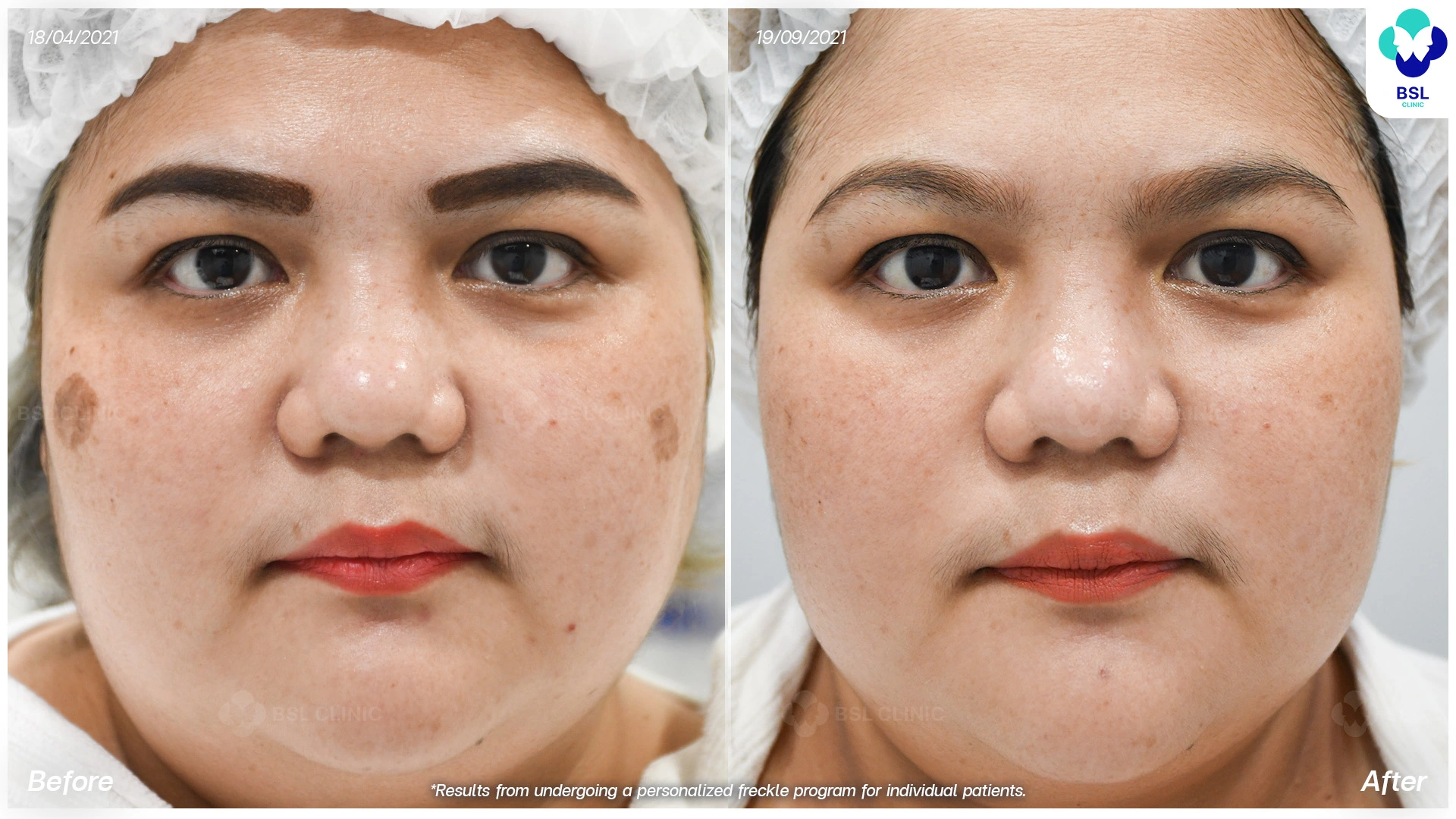
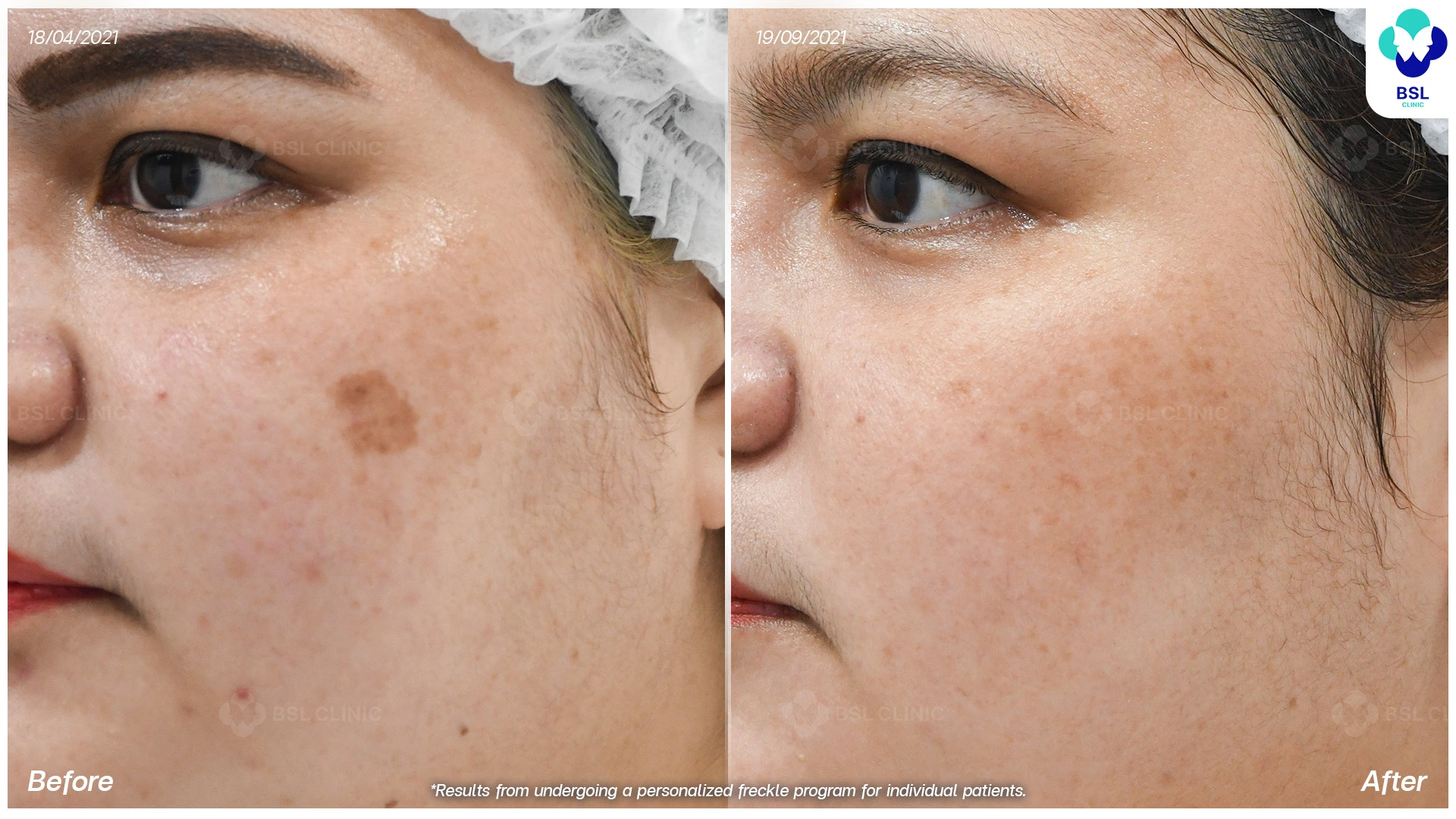
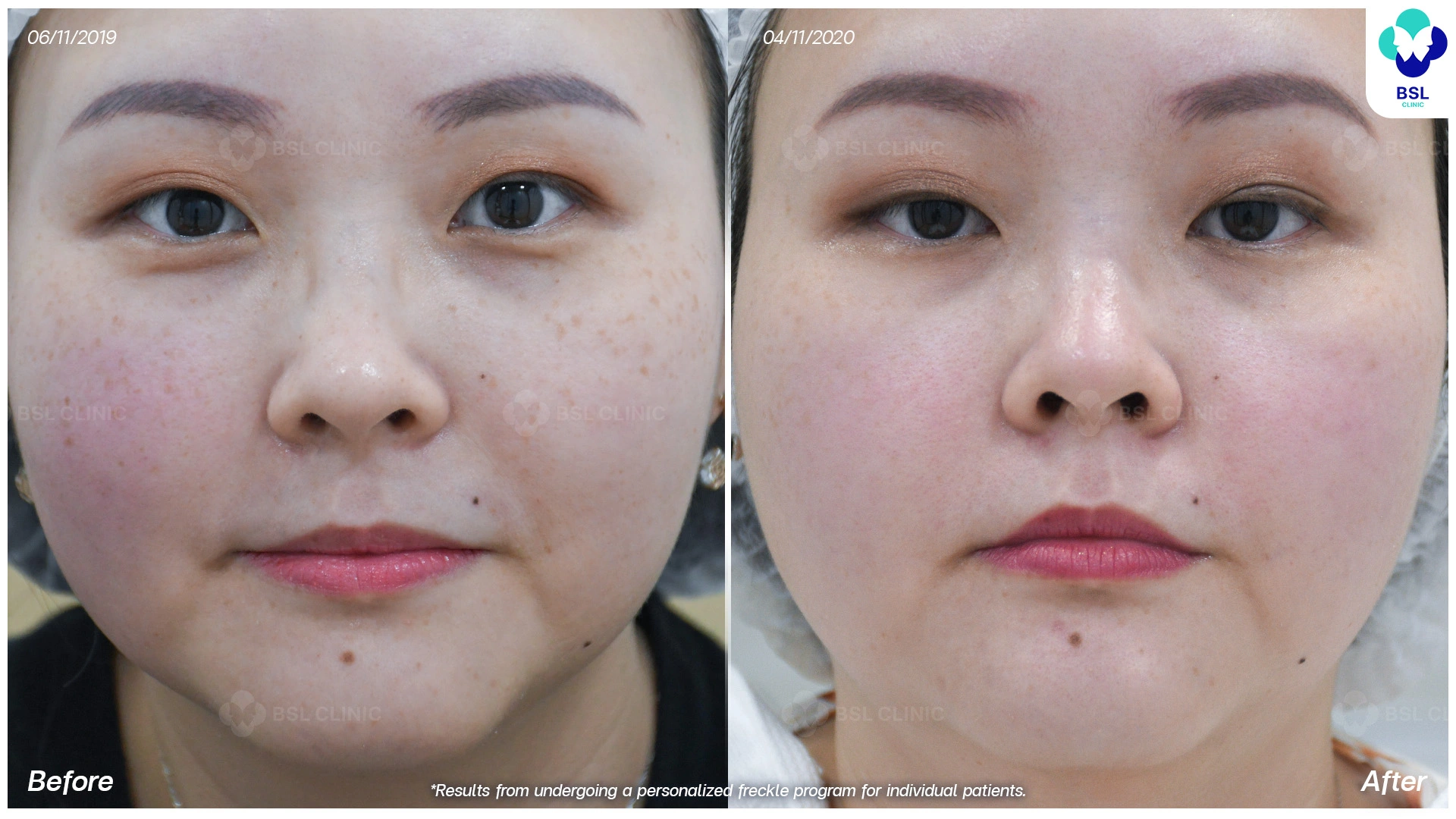
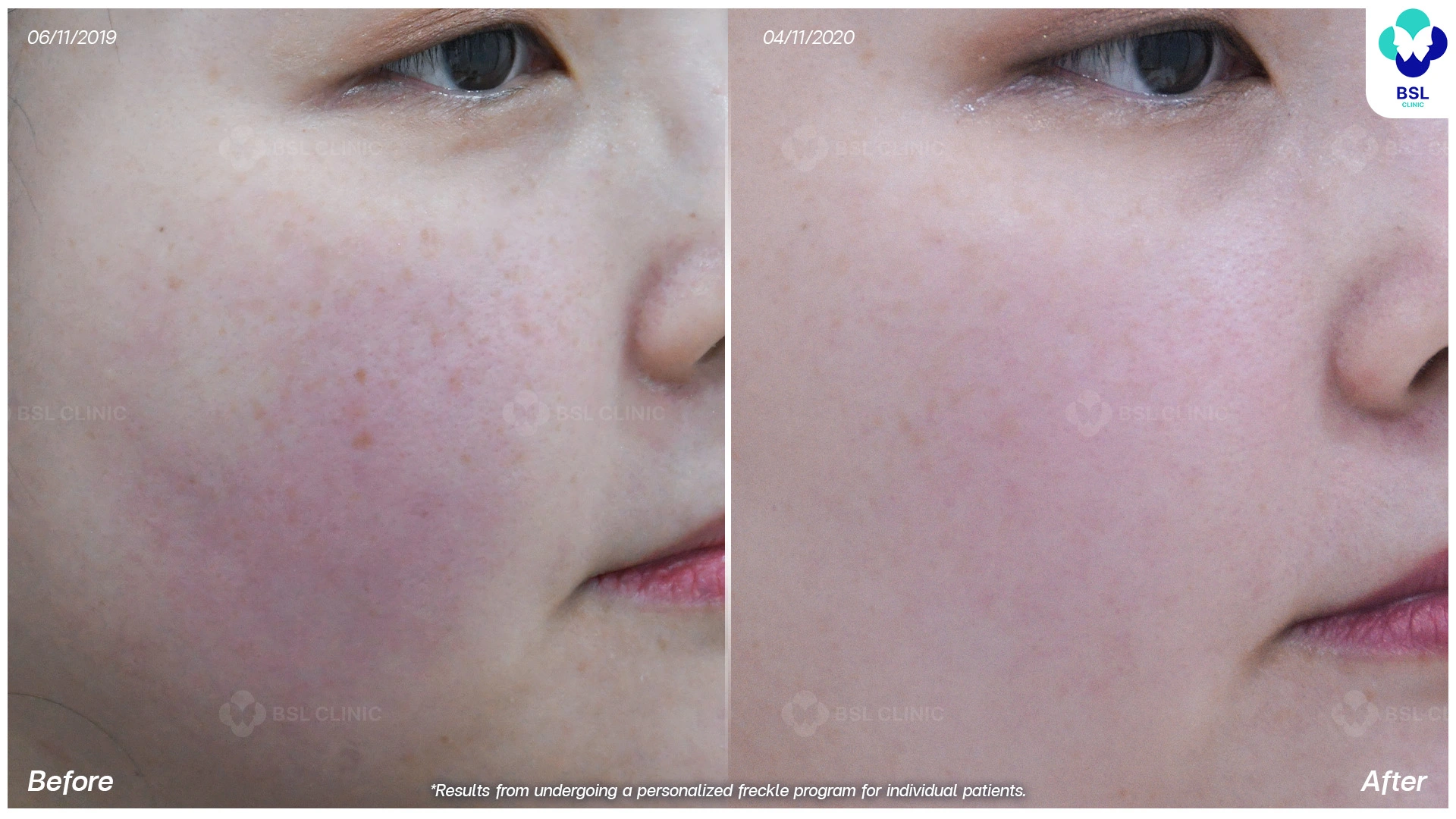
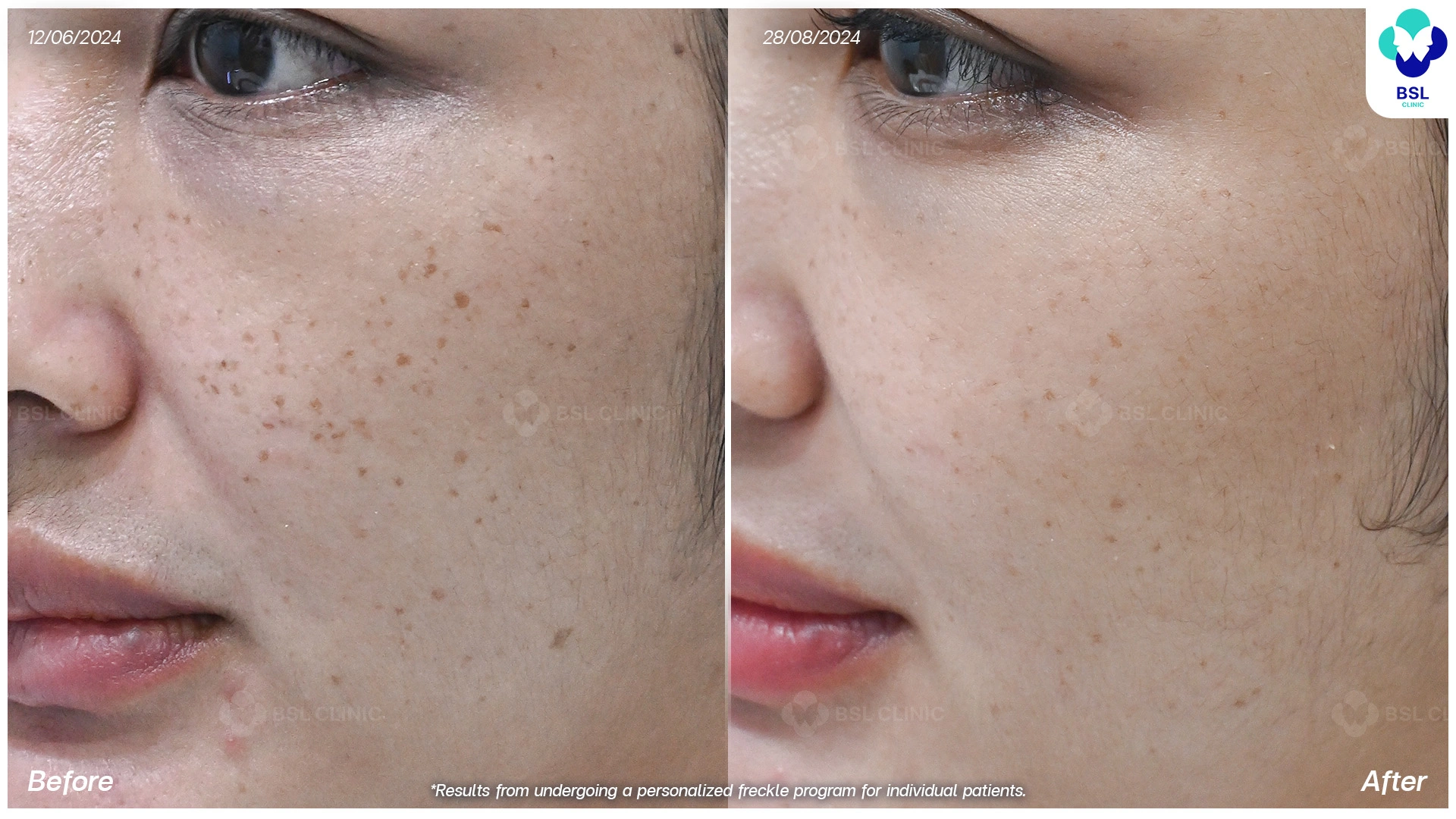
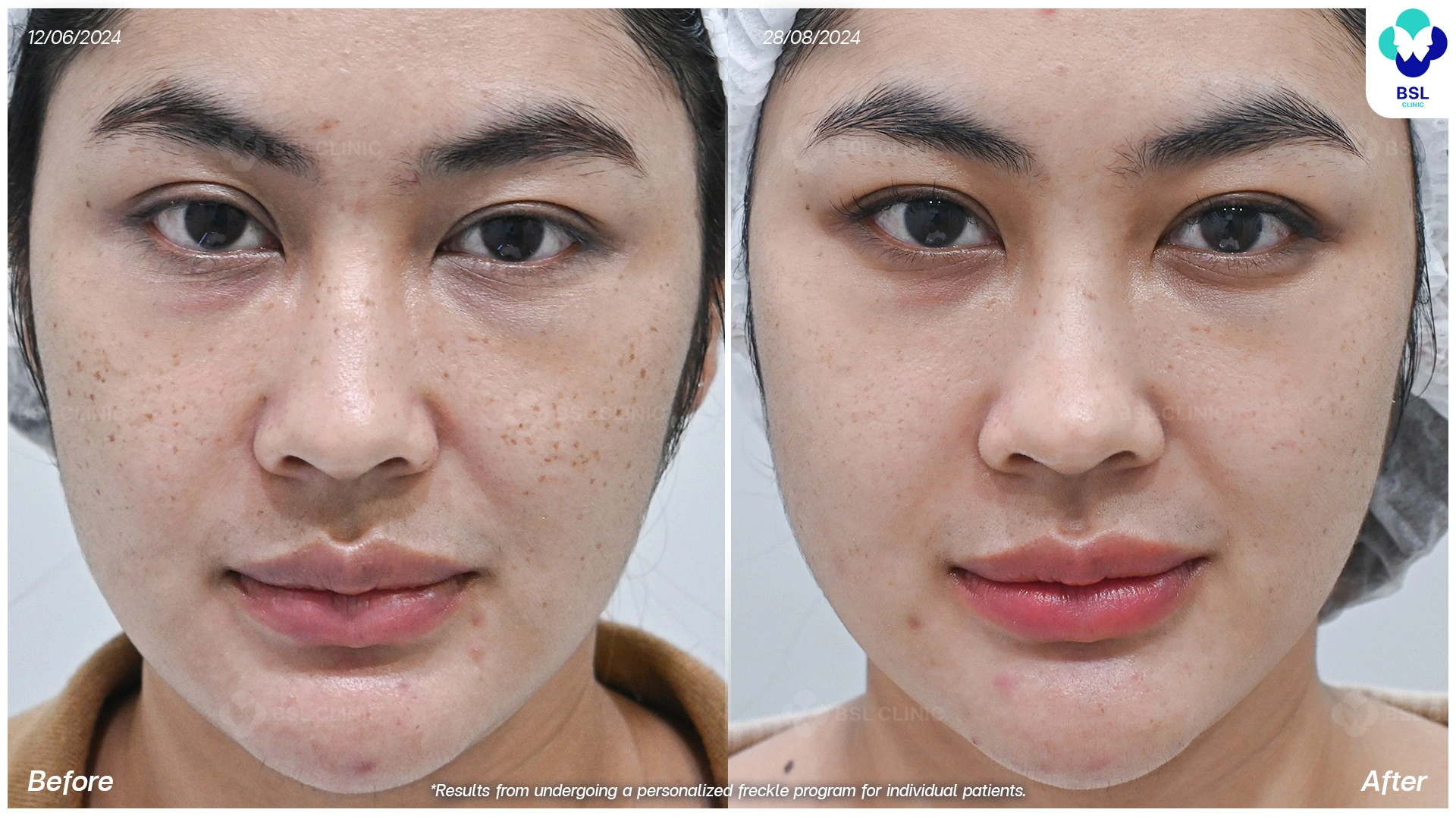
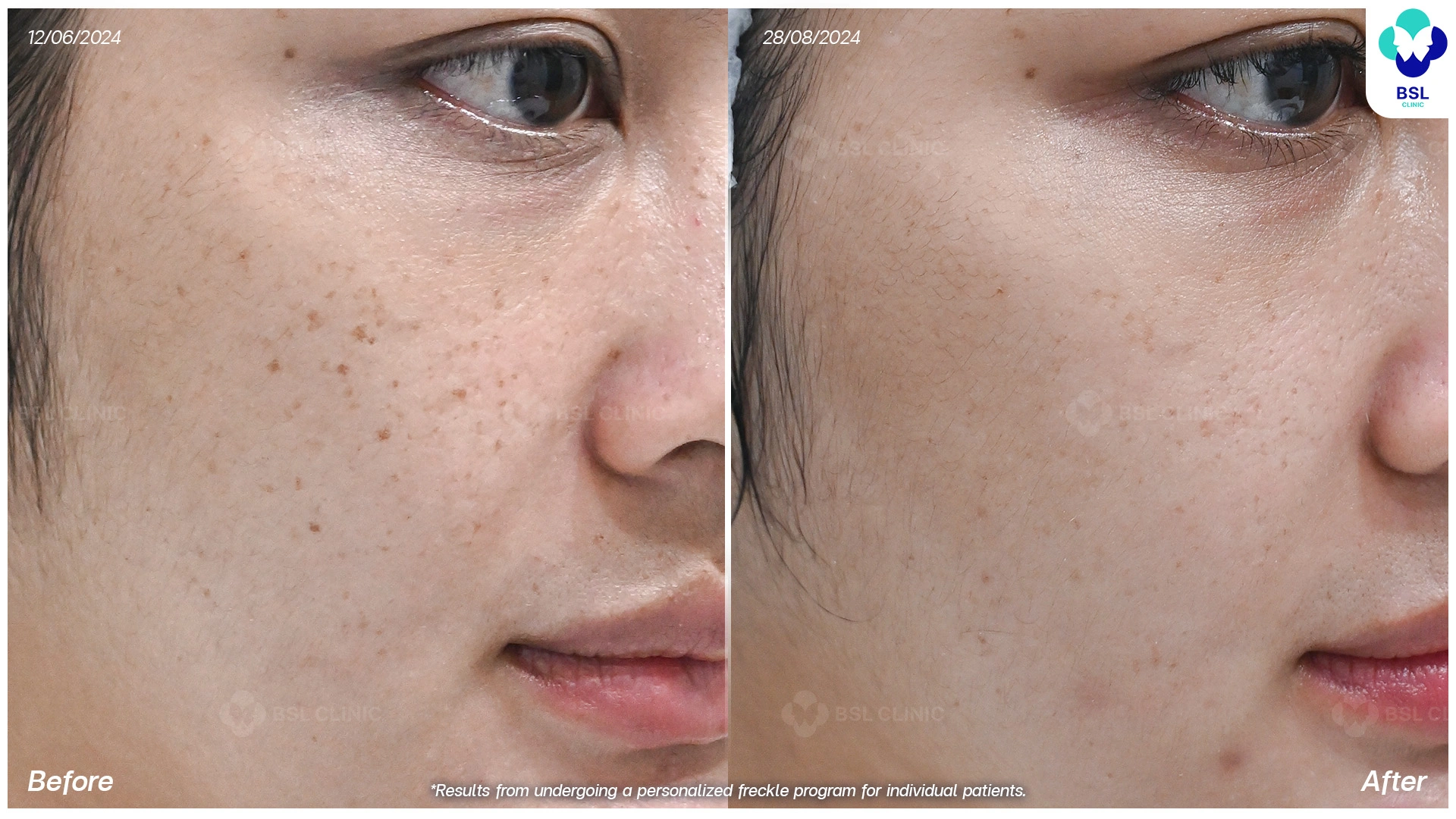
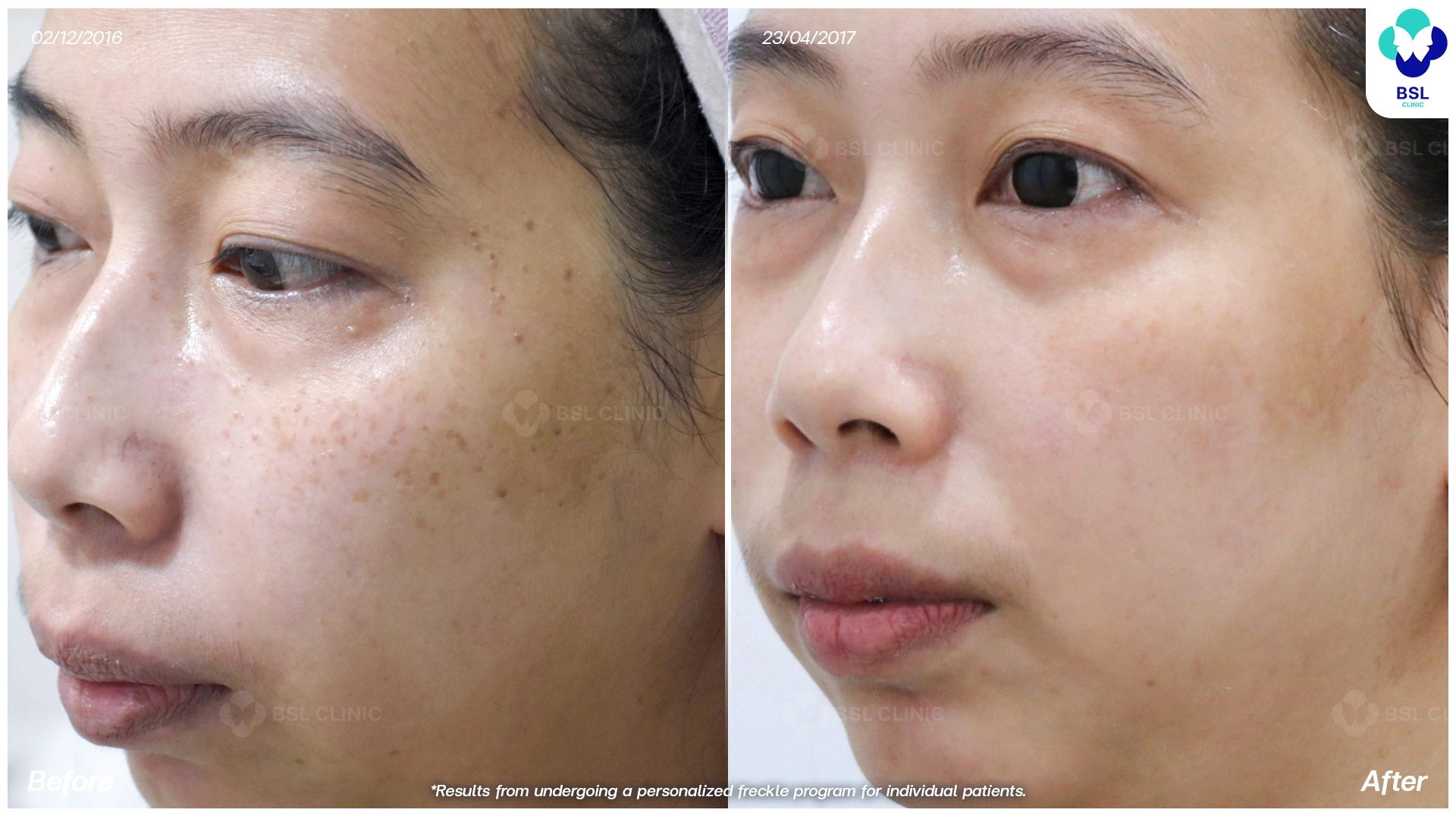
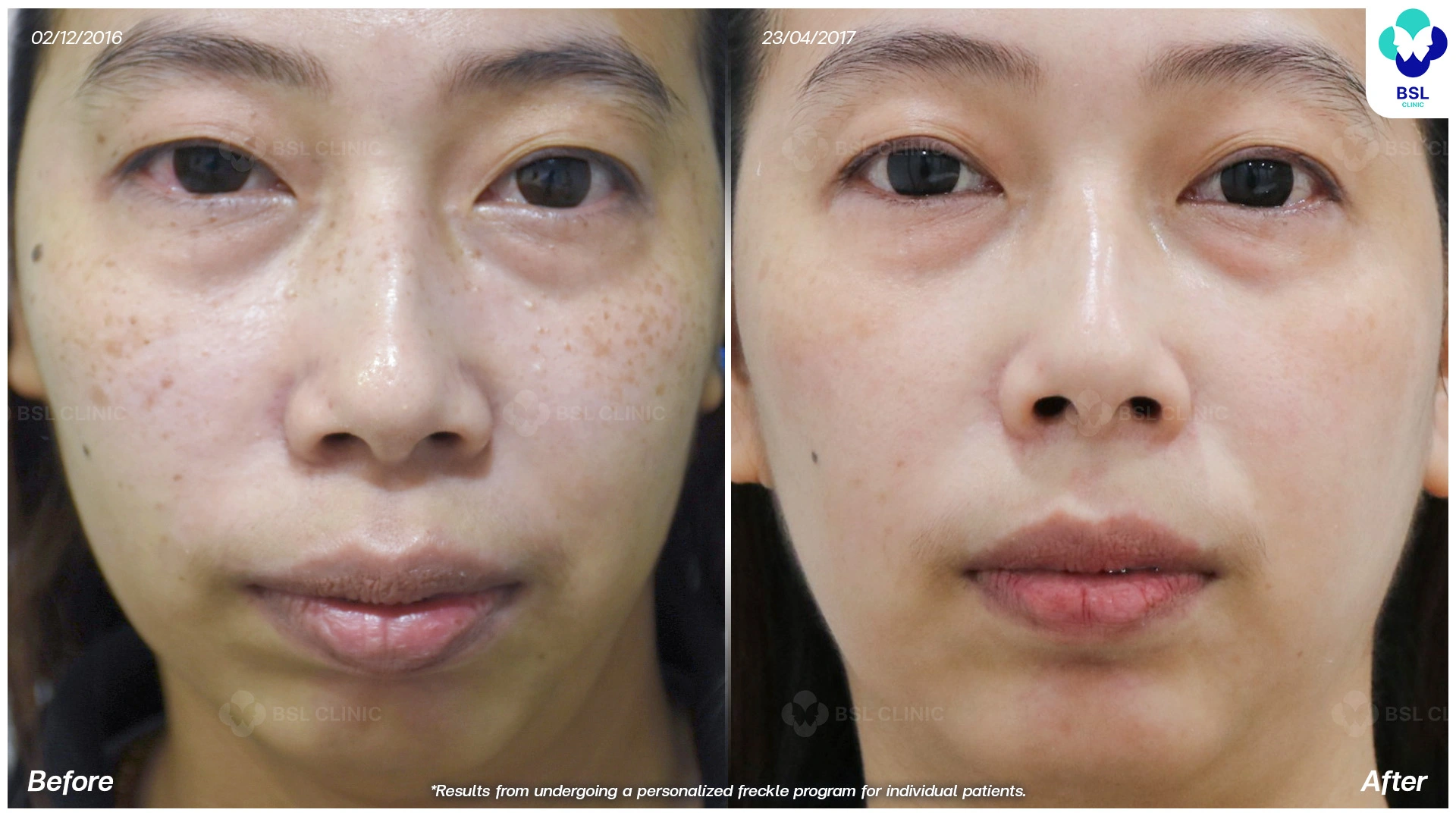
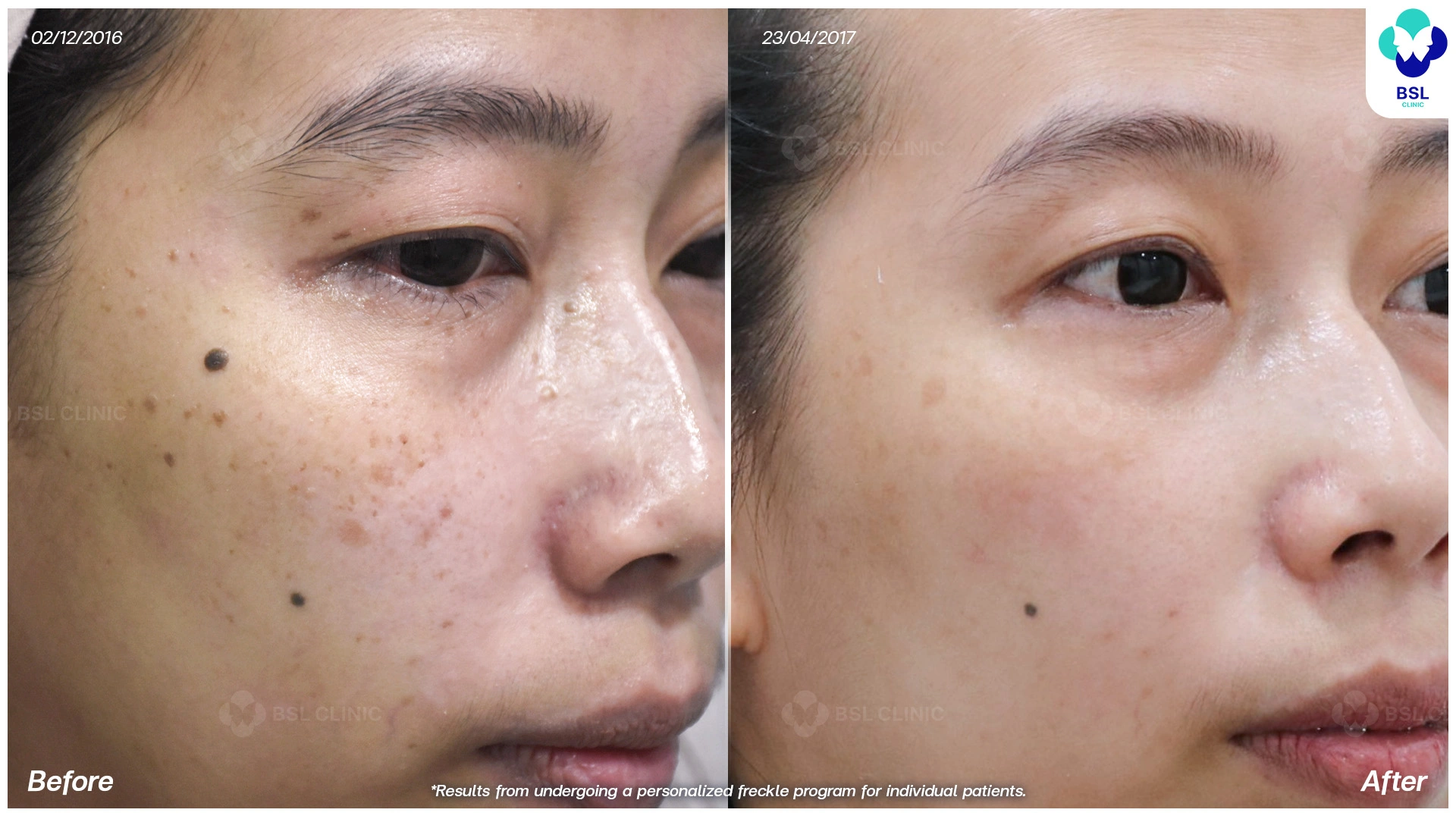
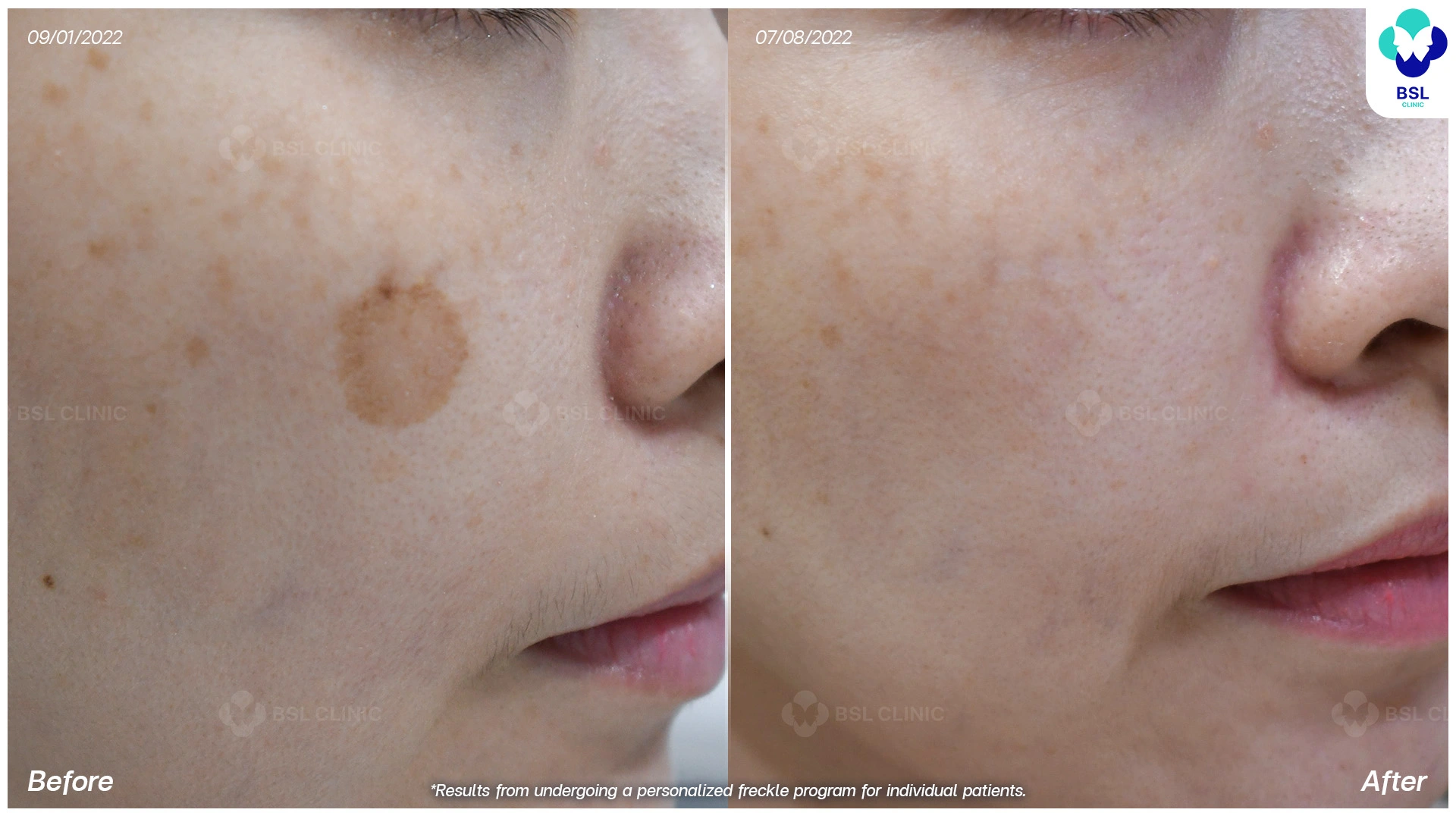
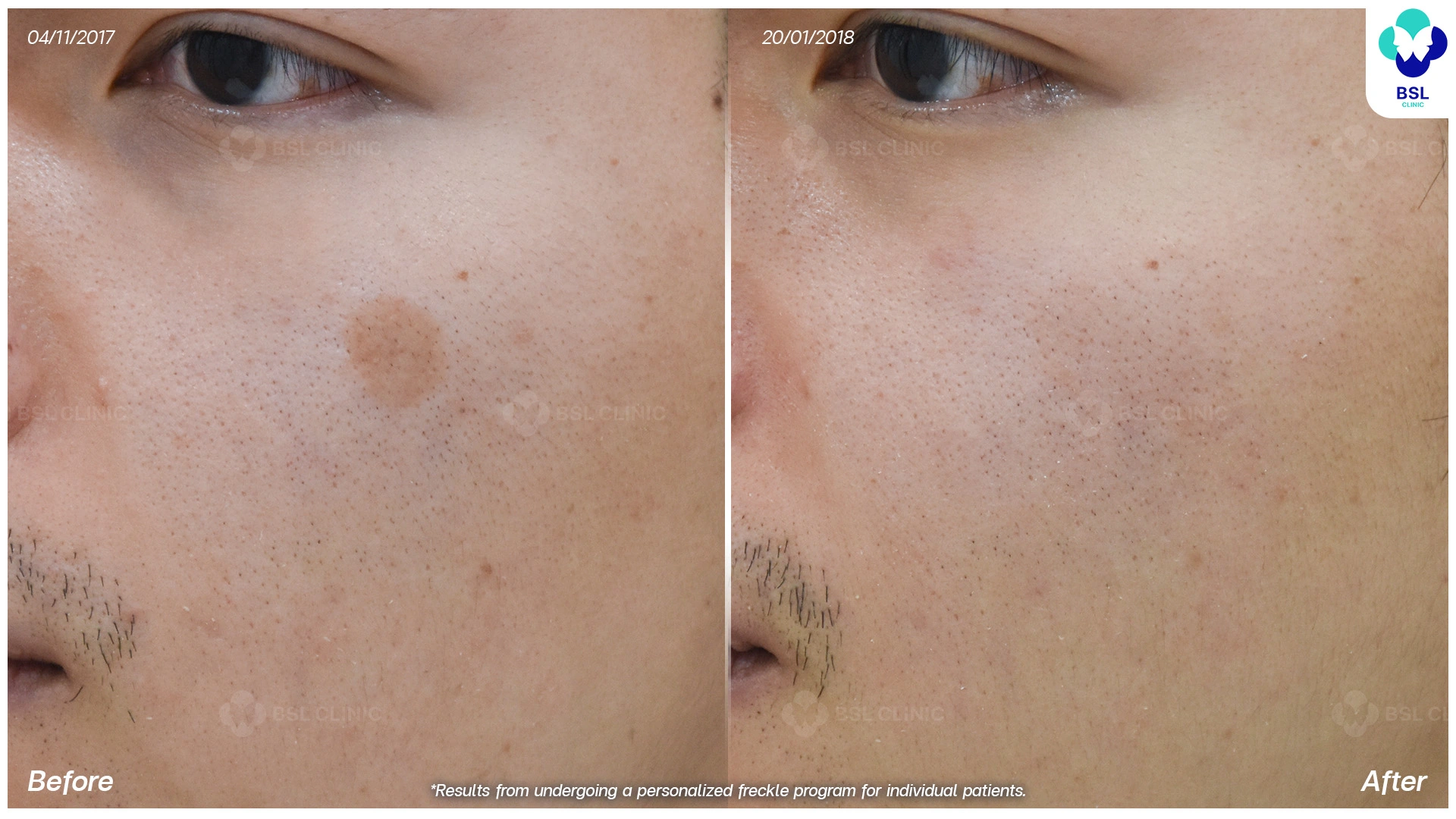
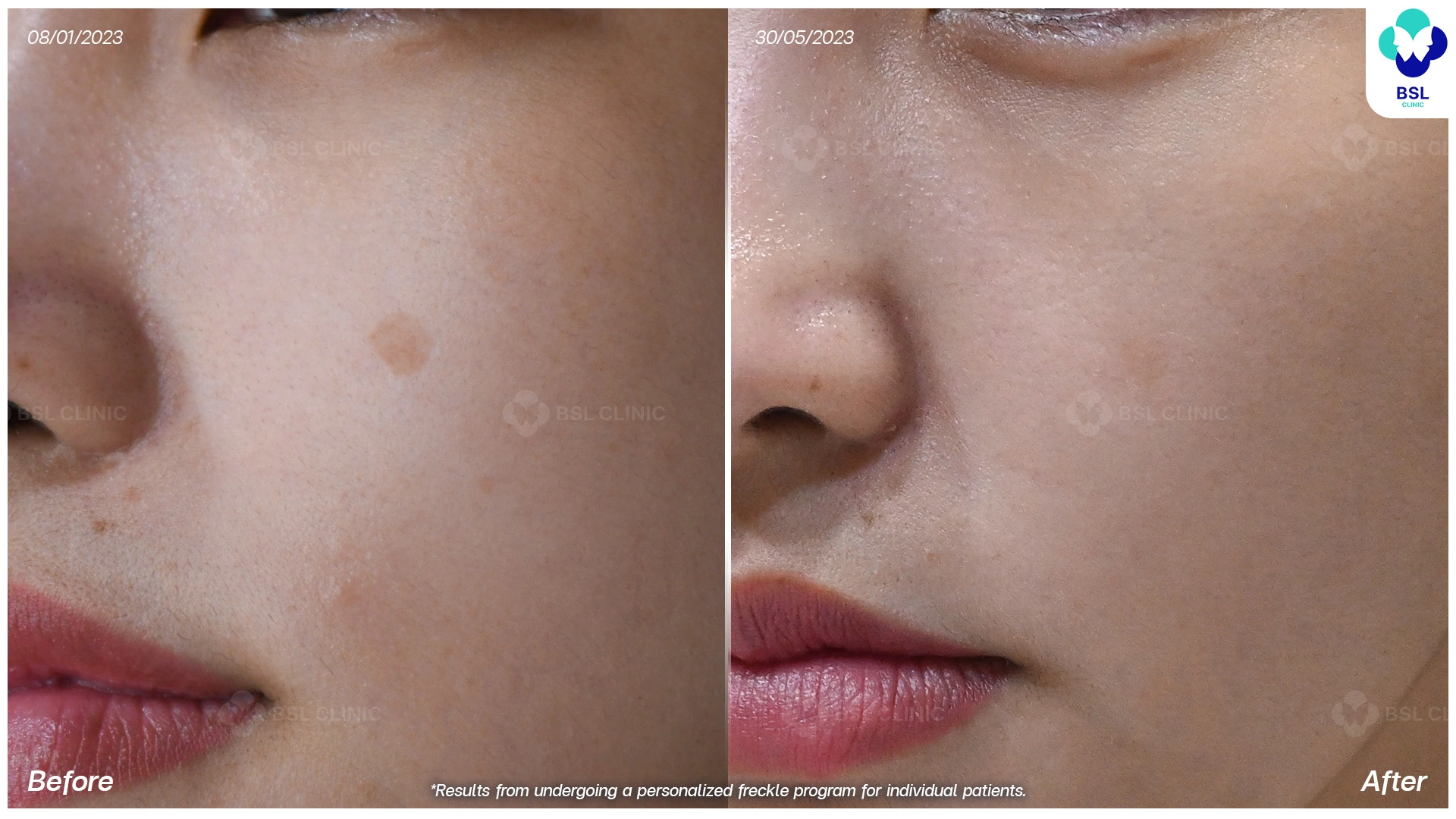
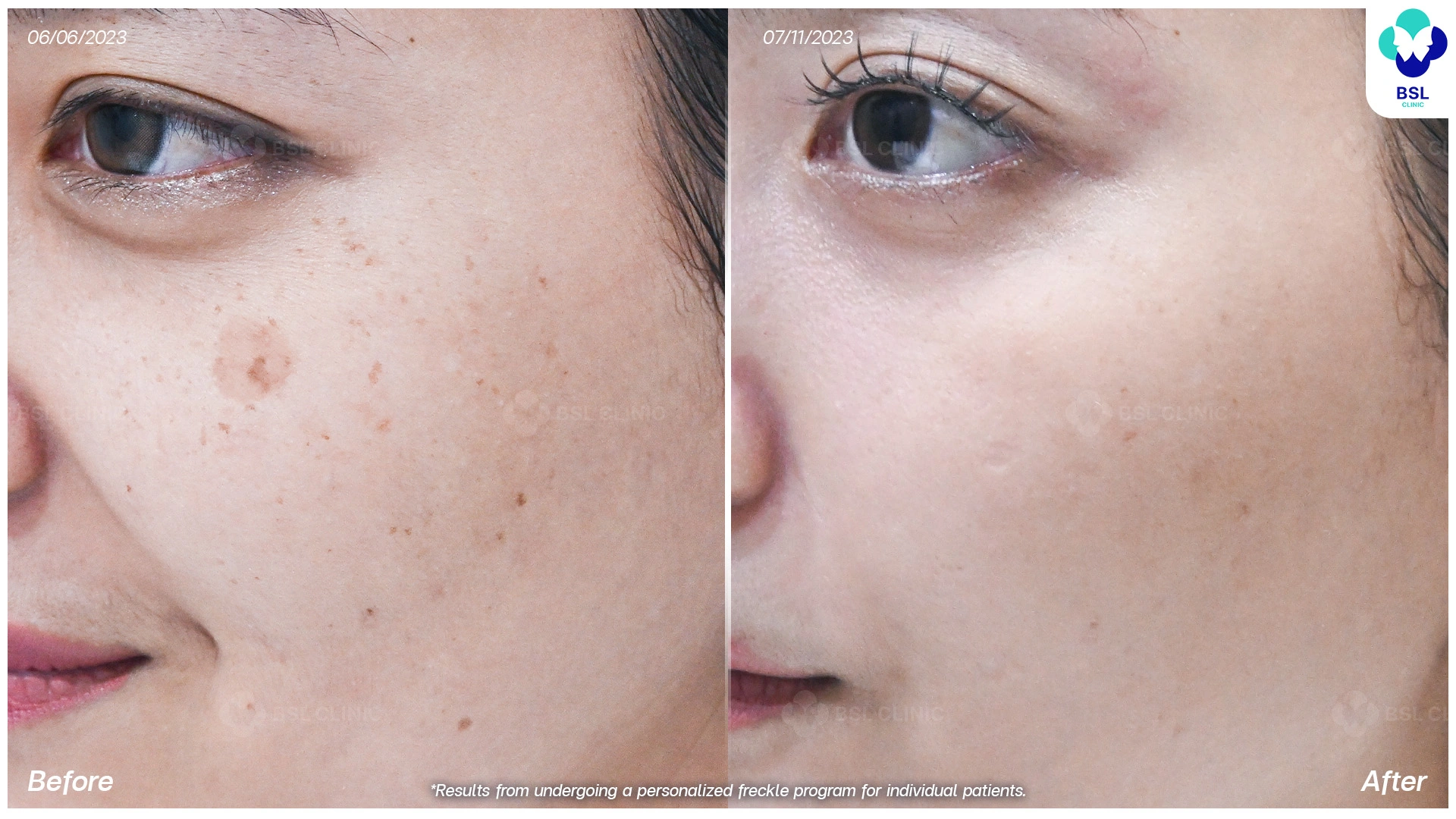
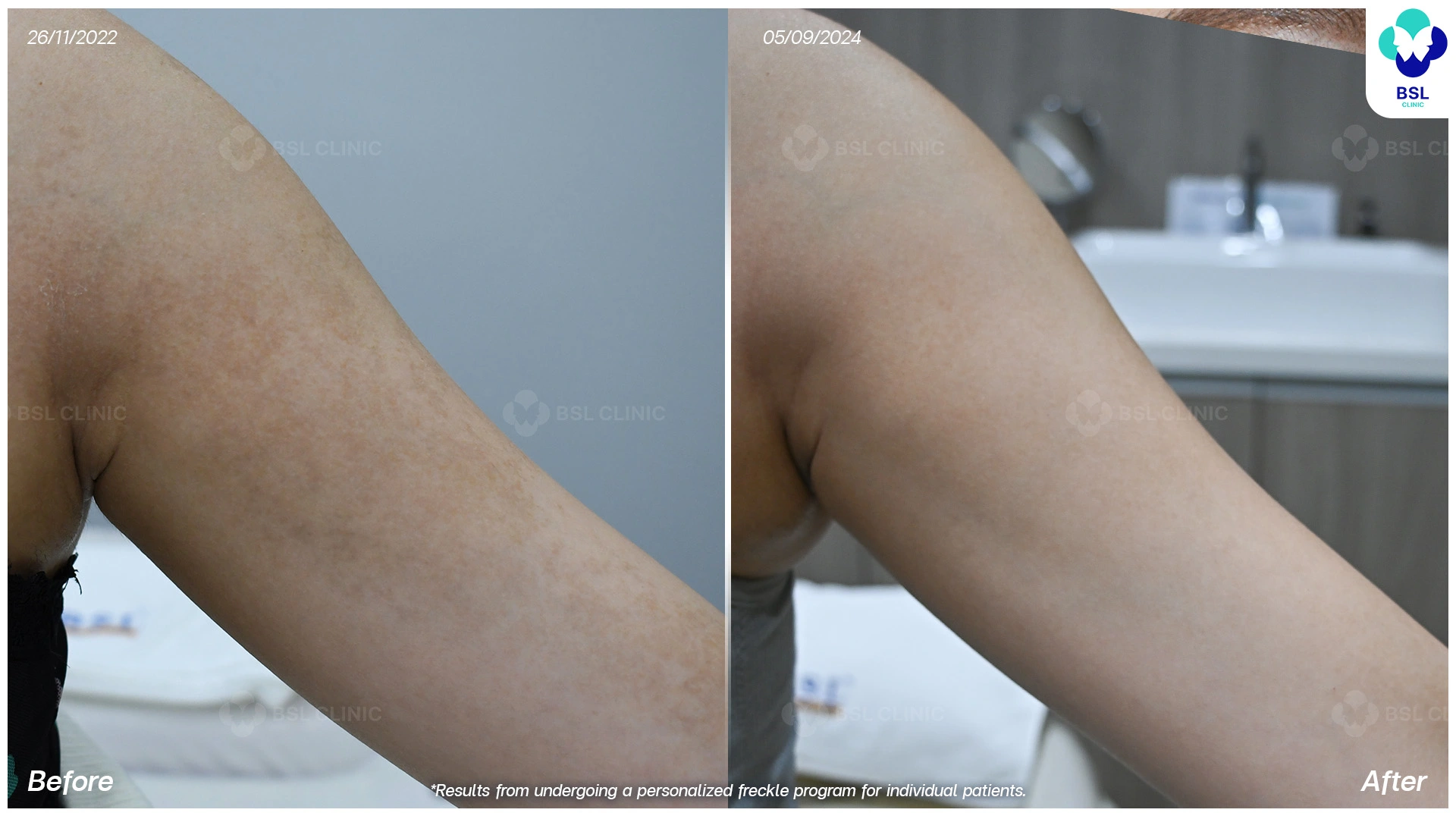
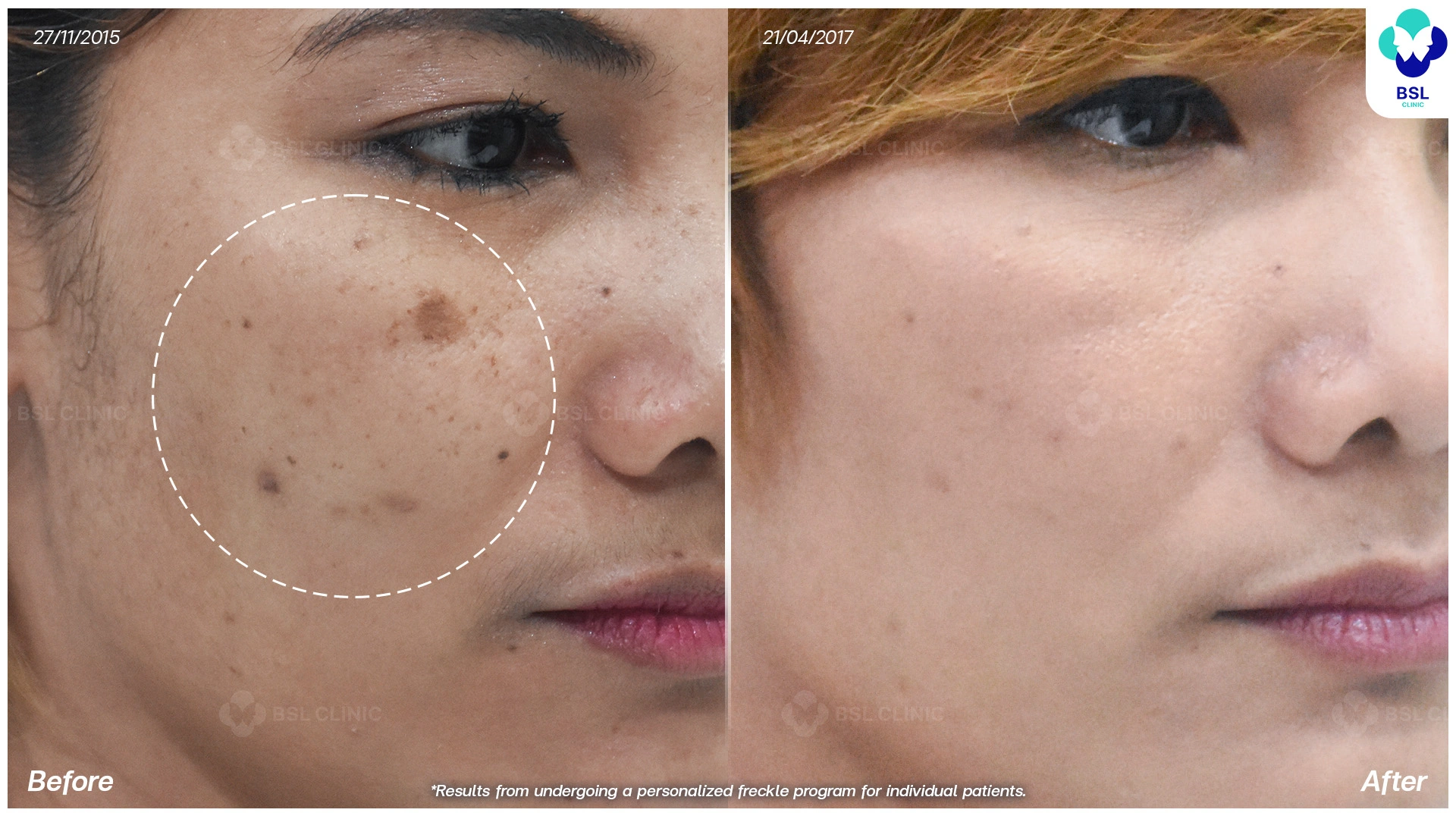
Every pigmentation concern comes with a different story. These patients came to BSL Clinic with freckles, sun spots and other pigmentation concerns—and received treatment plans based on their individual skin and pigment characteristics.
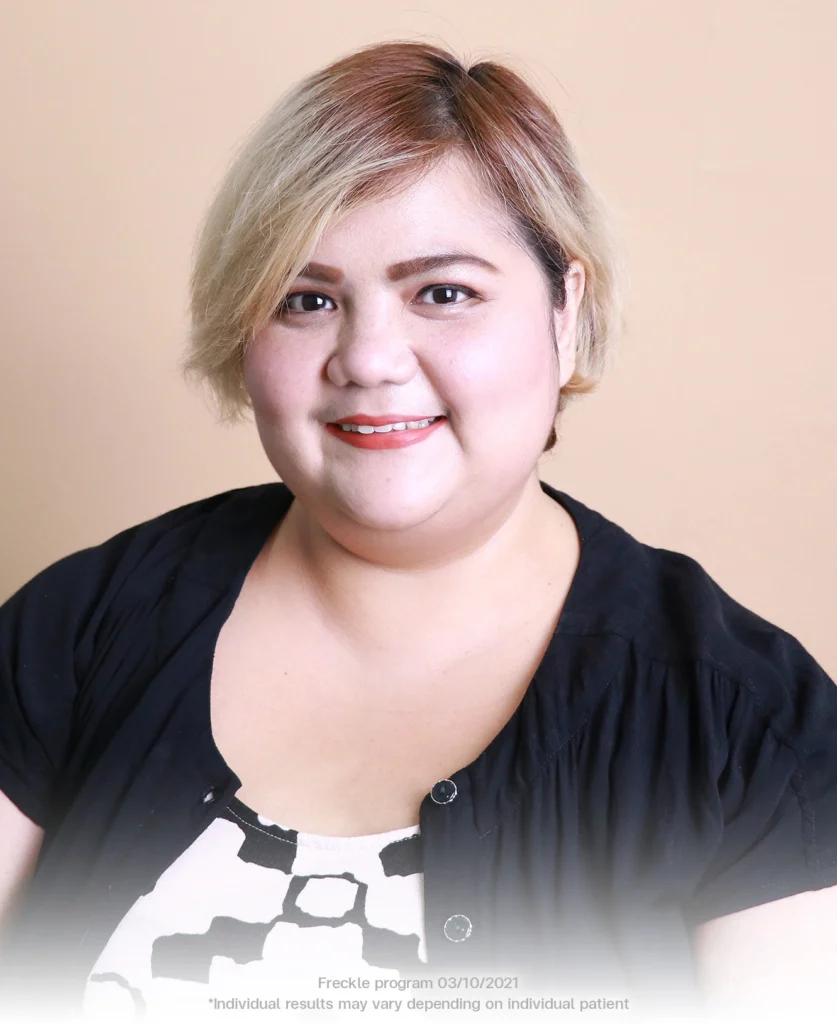
For more than a decade, solar lentigines (sun spots) on both cheeks had been a concern for Ms. Puti, a finance professional from Indonesia who moved to Bangkok two years ago.
“As a woman, the face is our asset. I always felt insecure because of the spots on my face,” shared Ms. Puti.
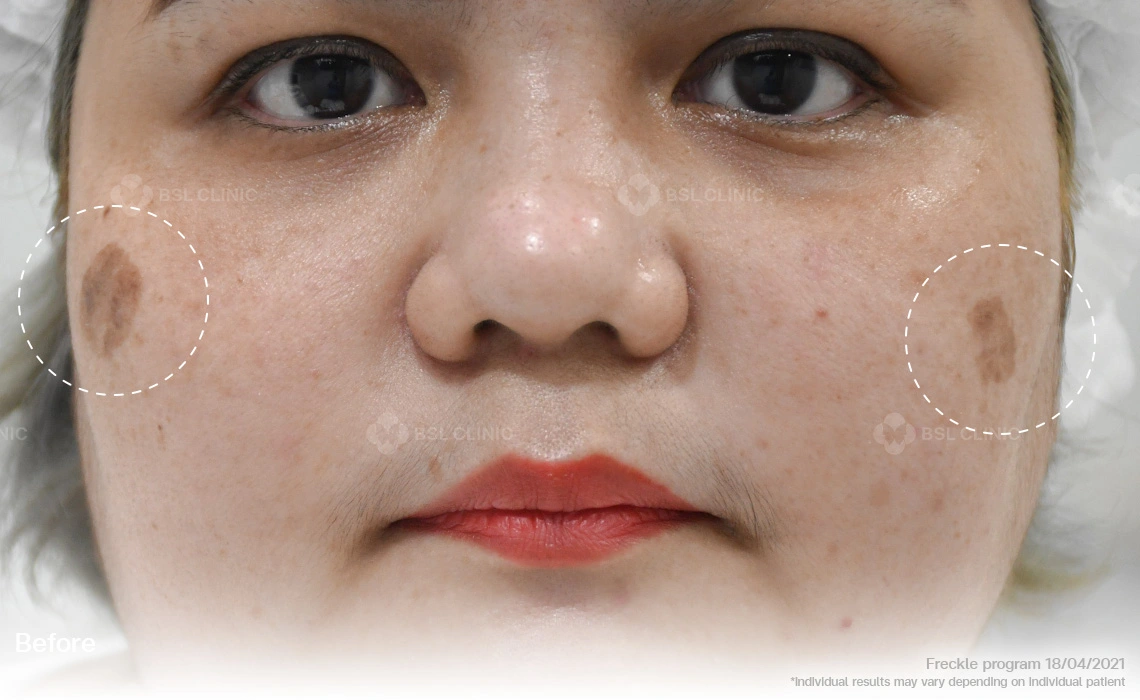
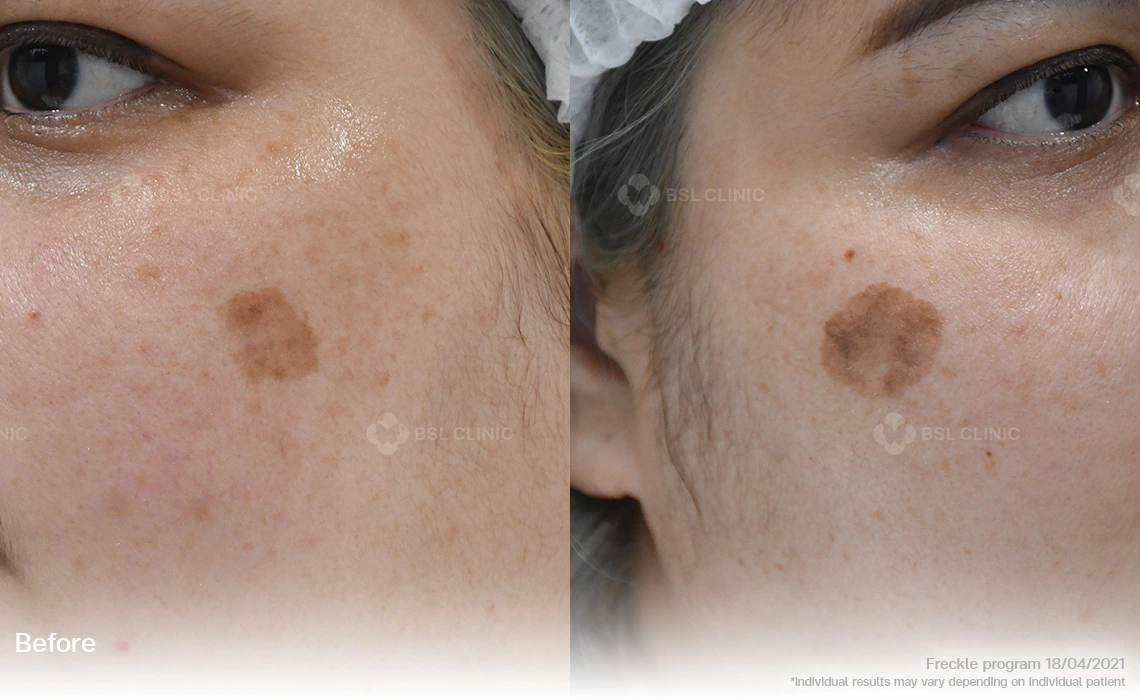
After trying skincare products over the years, she began exploring laser treatment for sun spots. As she does not speak Thai, clear communication and attentive care were also important to her when choosing a clinic.
At BSL Clinic, her treatment plan included:
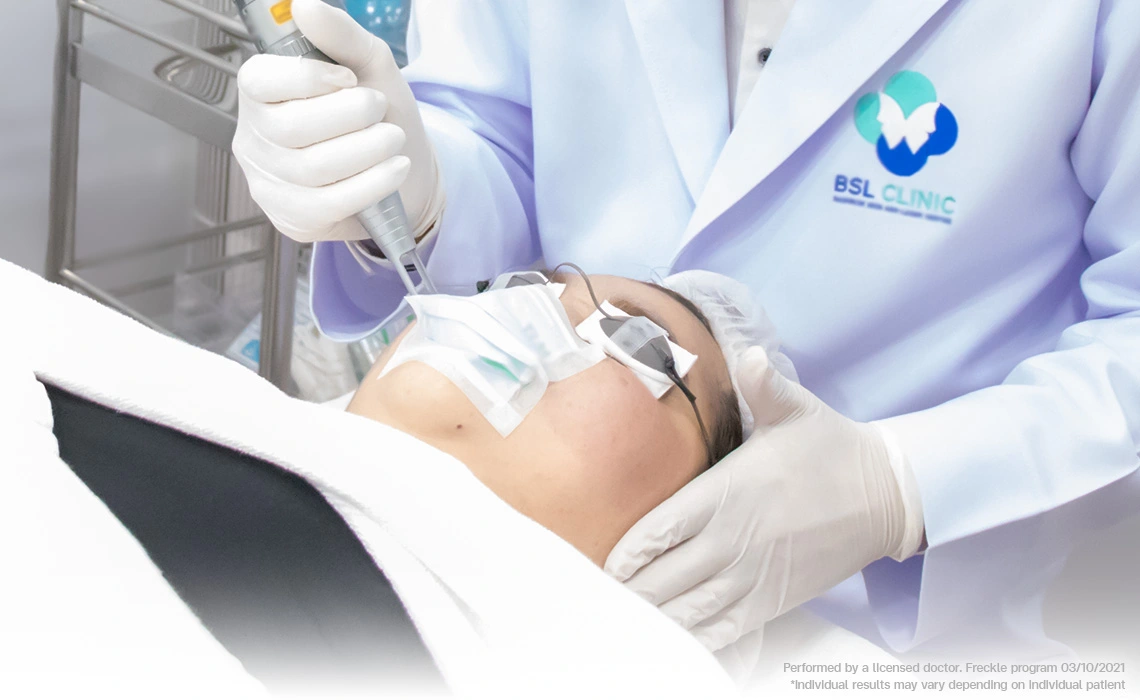
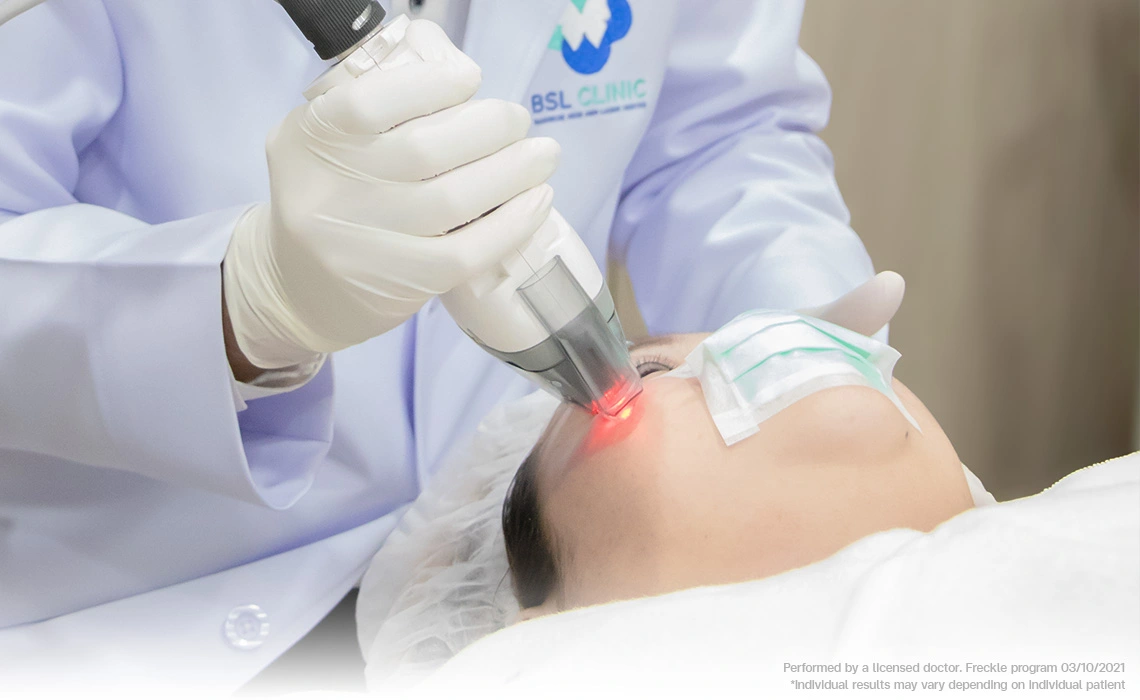
Over the course of treatment, the appearance of her dark spots was reduced and her skin tone appeared more even. For Ms. Puti, the change also influenced how she felt about her appearance.
“After the spots were gone, my confidence grew so much. Now, when I meet friends, they notice how clear and fresh my skin looks,” Ms. Puti shared.
These days she meets the world head-on, with no makeup to hide behind.
The Revlite SI program uses Q-switched Nd:YAG laser technology to break down pigmentation into fine particles, which the body naturally removes. This process helps lighten dark spots, improve skin tone, and enhance skin smoothness with minimal recovery time.
The Fraxel Dual program targets both surface and deeper pigment layers by creating controlled micro-injuries that stimulate natural skin renewal. It effectively fades pigmentation, refines skin texture, and reduces the risk of post-inflammatory hyperpigmentation (PIH) with appropriate aftercare.
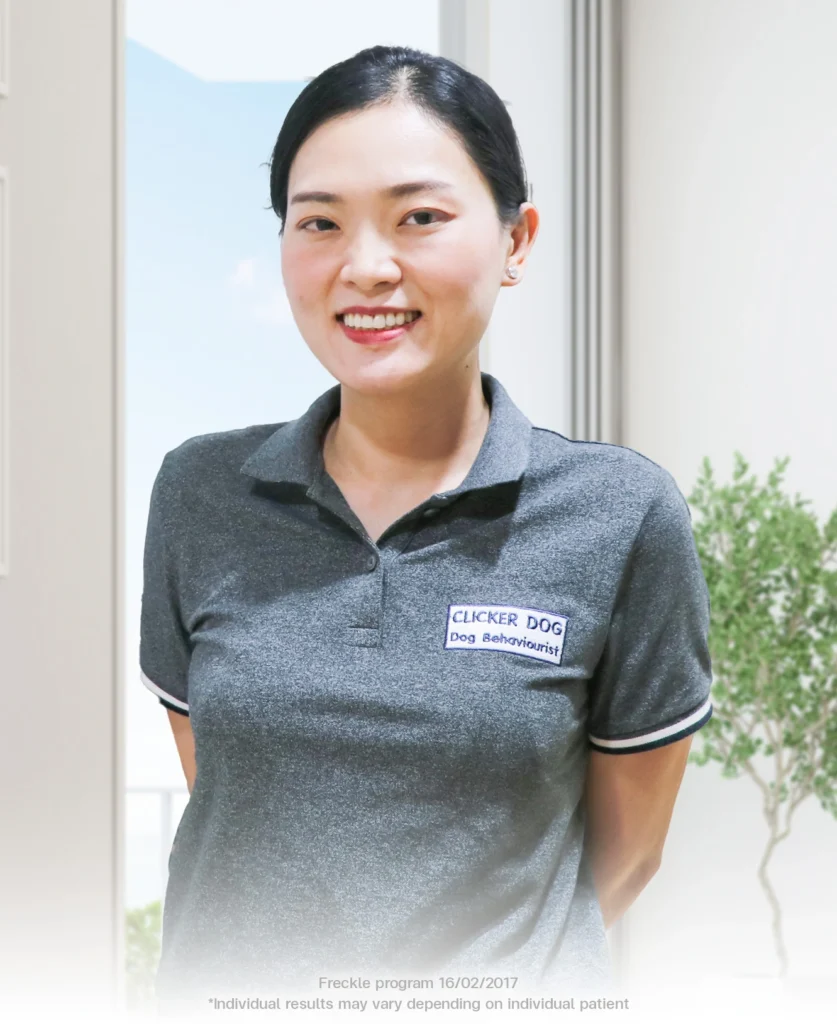
Working as a dog training expert means Ms. Rungjit spends much of her time outdoors. With repeated sun exposure, freckles became increasingly noticeable and eventually became a skin concern she wanted to address.
After consultation at BSL Clinic, she began a freckles treatment plan based on her skin and pigmentation characteristics.
As treatment progressed, the appearance of her freckles was reduced and her skin appeared more even in tone.
Her experience also highlights an important part of managing freckles: sun protection remains important after treatment, as UV exposure can make freckles more noticeable again.
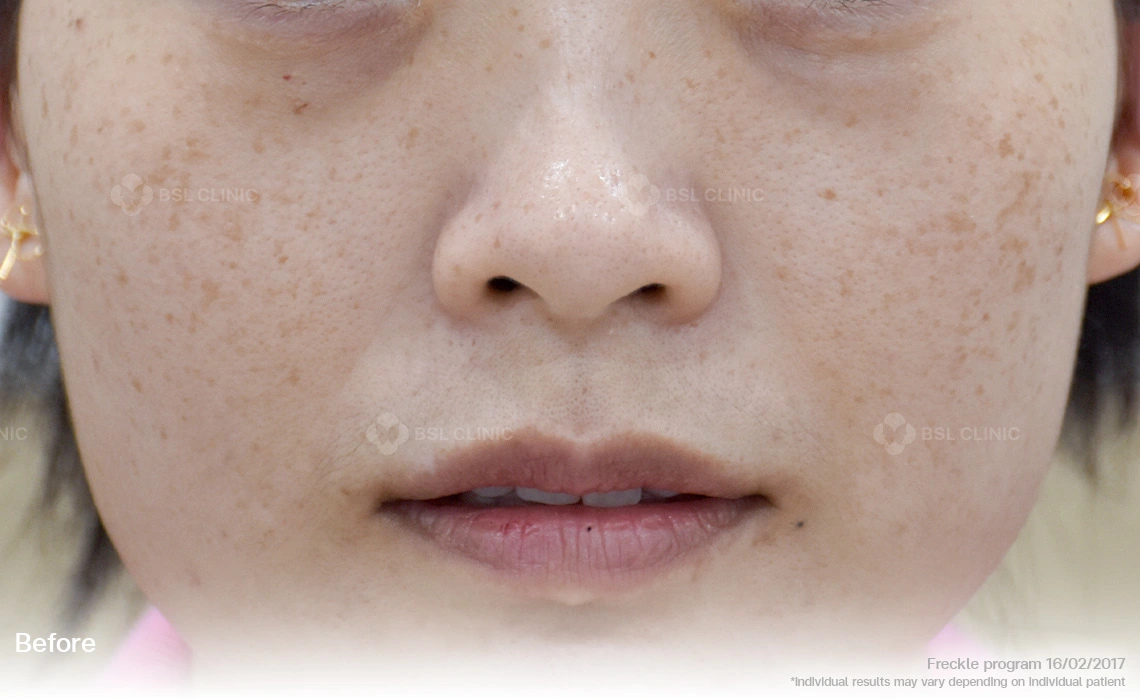
The main types of laser technologies utilised by BSL Clinic are the combination of the pigment reduction and pigment removal lasers.
Laser beams penetrate the skin, breaking down pigments into tiny granules. White blood cells then remove these granules, reducing dark spots and preventing further pigmentation. This treatment leaves the skin smoother and brighter.
The laser targets and breaks down pigmentation, revealing a smoother, brighter complexion. The use of a specific laser for pigmentation removal can inhibit melanin production, reducing the risk of post-inflammatory hyperpigmentation (PIH) and preventing further darkening of pigmentation.
It takes about 3 treatments to gradually reduce broken pigments in the skin. Light brown spots fade over time, and the skin appears brighter and more even-toned.
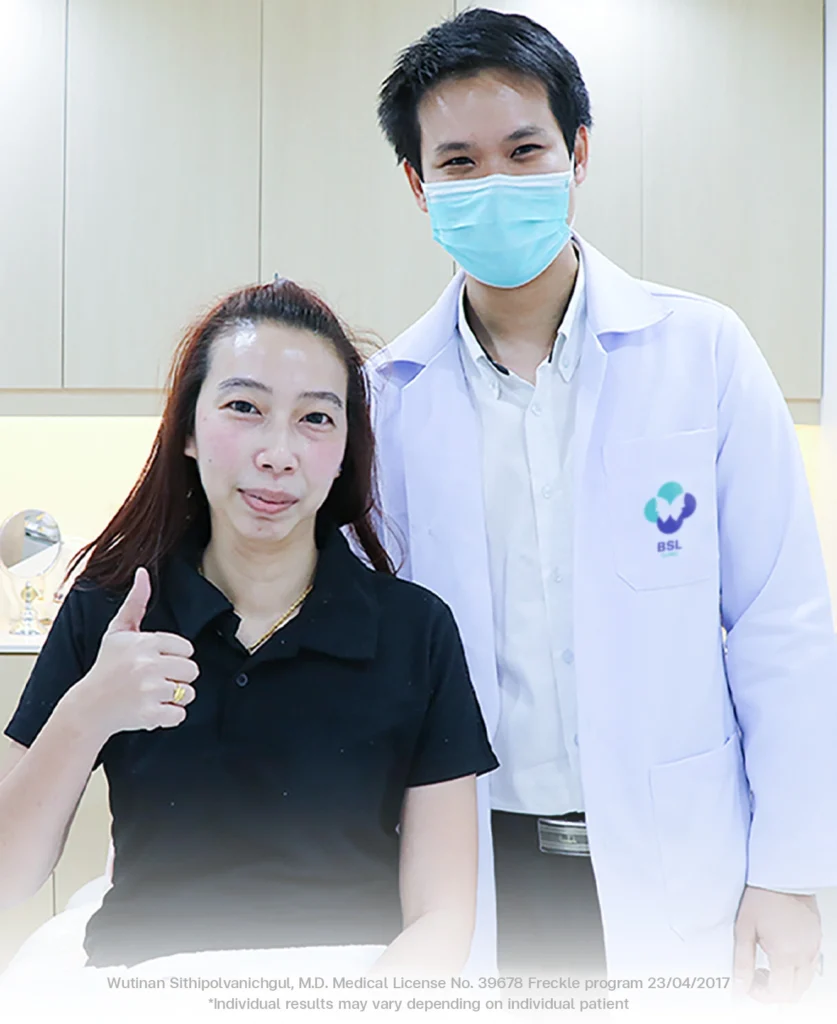
A patient presented to BSL Clinic’s doctors for the treatment of various skin conditions including freckles, hori’s nevus and seborrheic keratosis that have dispersed across both her cheekbones.
Freckles, Hori’s Nevus and Seborrheic Keratosis can cause an uneven skin surface due to excess melanin pigmentation.
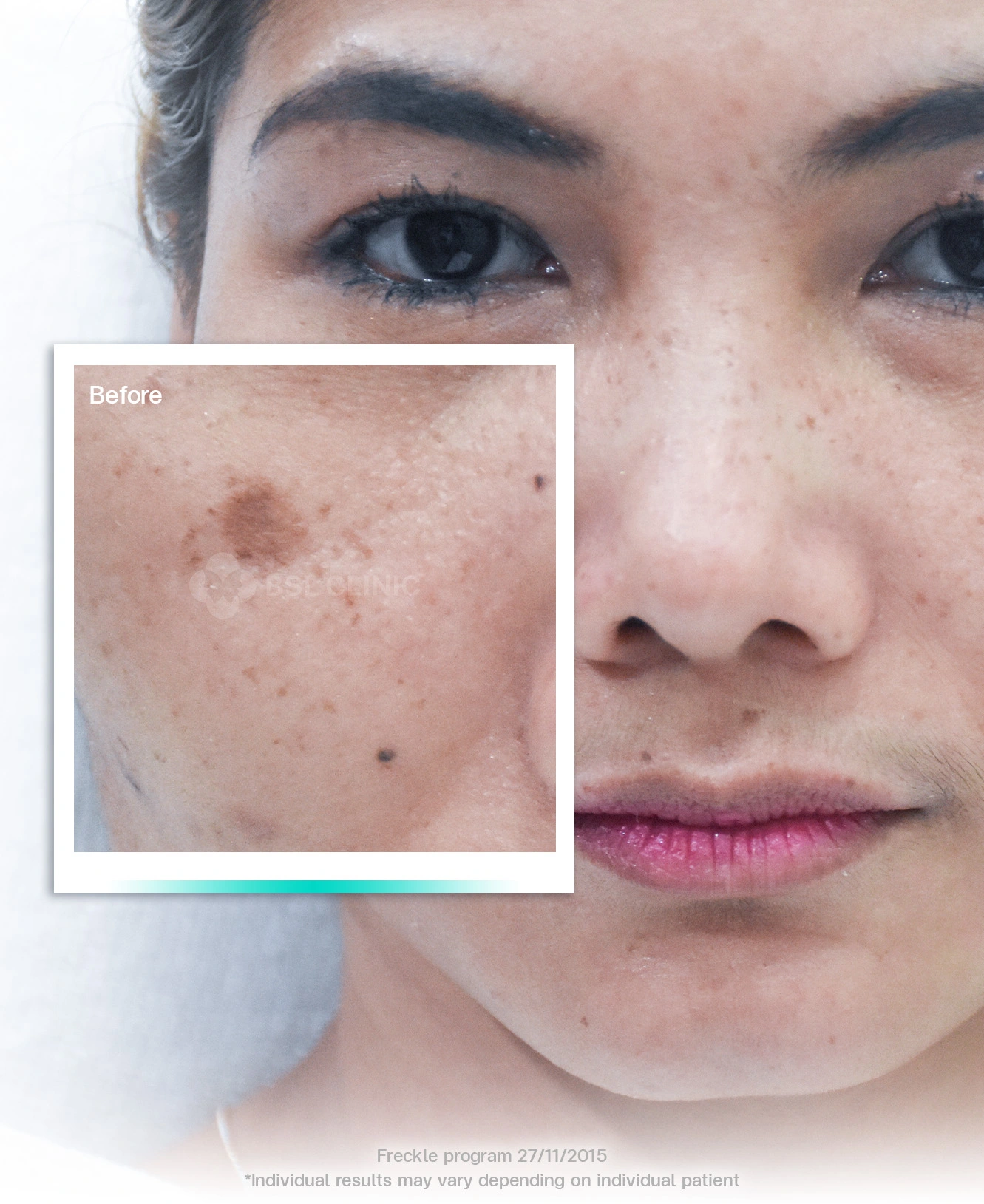
For another patient, freckles and solar lentigines appeared together. She often relied on foundation to make the pigmentation less noticeable, particularly when meeting new people.
After assessment at BSL Clinic, an individual treatment plan was developed to address the different pigmentation concerns.
Over the course of treatment, the appearance of both her freckles and sun spots was reduced. As the pigmentation became less noticeable, she also described feeling more comfortable and confident in social situations.
There is no single laser treatment that is suitable for every type of dark spot. Freckles, Hori’s nevus and sun spots can differ in pigment depth and characteristics, so the laser program and wavelength considered may vary according to the pigmentation and individual skin.
Laser treatment can be used to reduce the appearance of freckles by targeting excess pigment in the skin. However, the response and number of sessions can vary, and sun exposure may make freckles more noticeable again. Sun protection therefore remains an important part of ongoing care.
If you are looking at how to get rid of freckles, the first step is to confirm that the spots are actually freckles rather than another type of pigmentation. Treatment options may include pigment-targeting laser programs, while ongoing sun protection can help reduce factors that make freckles more noticeable.
The number of sessions depends on the type and depth of pigmentation, individual skin characteristics and response to treatment. On this page, the treatment courses described range from approximately 1–3 sessions for solar lentigines (sun spots), around 3 sessions for freckles and around 6 sessions for Hori’s nevus.
Sun exposure can contribute to the development of solar lentigines and other pigmentation, so treating existing spots does not prevent new pigmentation from developing in the future. Consistent sun protection remains important after laser treatment for sun spots.
Temporary redness or sensitivity may occur after treatment. Recovery can vary depending on the laser program and individual skin response, so gentle skincare, sun protection and the aftercare recommended for your skin are important.
The cost can vary depending on the type of pigmentation, laser and treatment plan considered for your skin. An assessment is needed before an individual treatment plan and applicable cost can be determined.
BSL Clinic provides pigmentation assessment and laser treatment for dark spots in Bangkok, including concerns such as freckles, Hori’s nevus and solar lentigines. The approach is planned according to the characteristics of the pigmentation and individual skin.

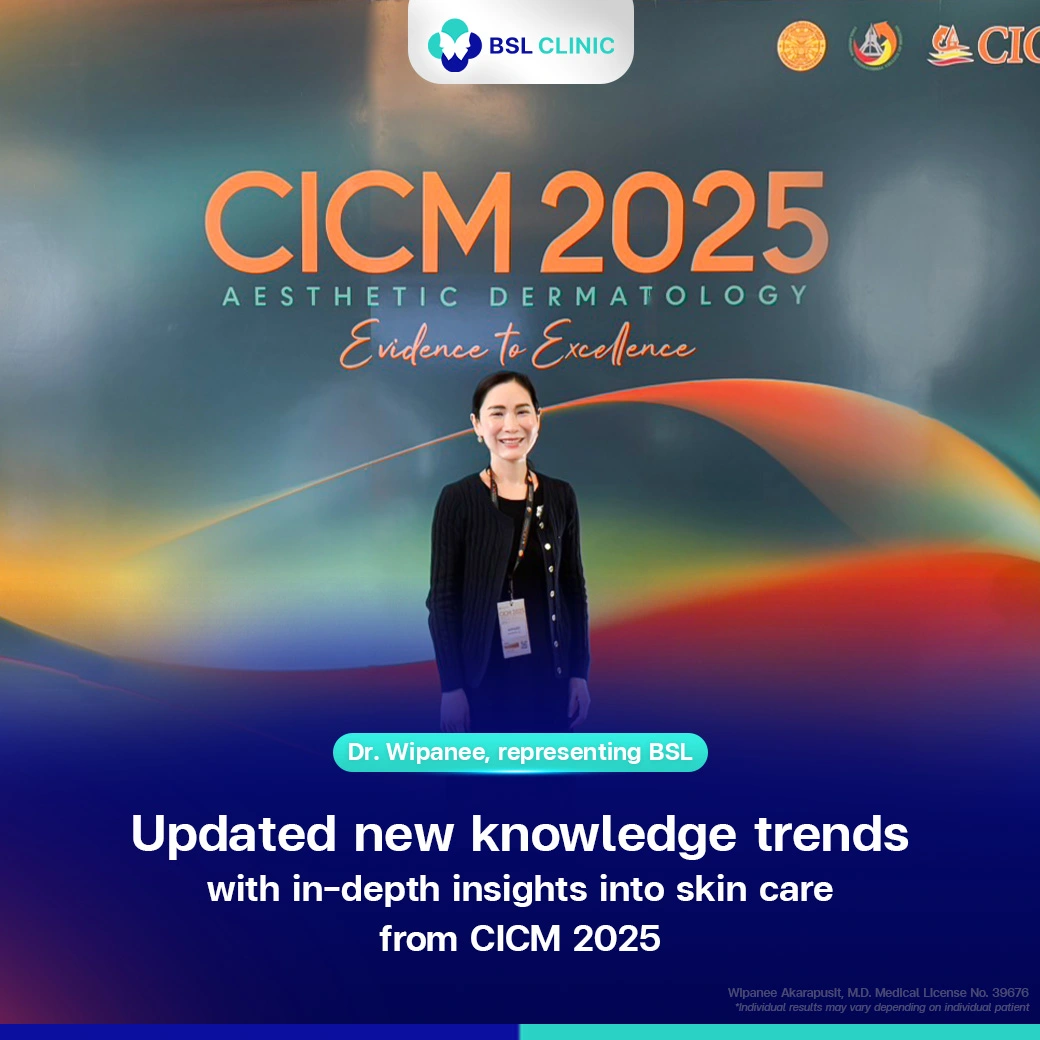
Dr. Wipanee, representing BSL, provided an update on knowledge trends with in-depth insights into skin care from CICM 2025, bringing them back to further develop treatment methods for our clients.
CICM 2025 Aesthetic Dermatology: Evidence-Based Medicine is an annual event that BSL doctors never miss, in order to stay updated with knowledge and research on dermatological treatments — including acne, melasma, freckles, hair loss, and scalp issues — as well as aesthetic procedures such as facial, neck, and body skin tightening, weight loss, and body contouring, all aimed at achieving healthy and youthful-looking skin.
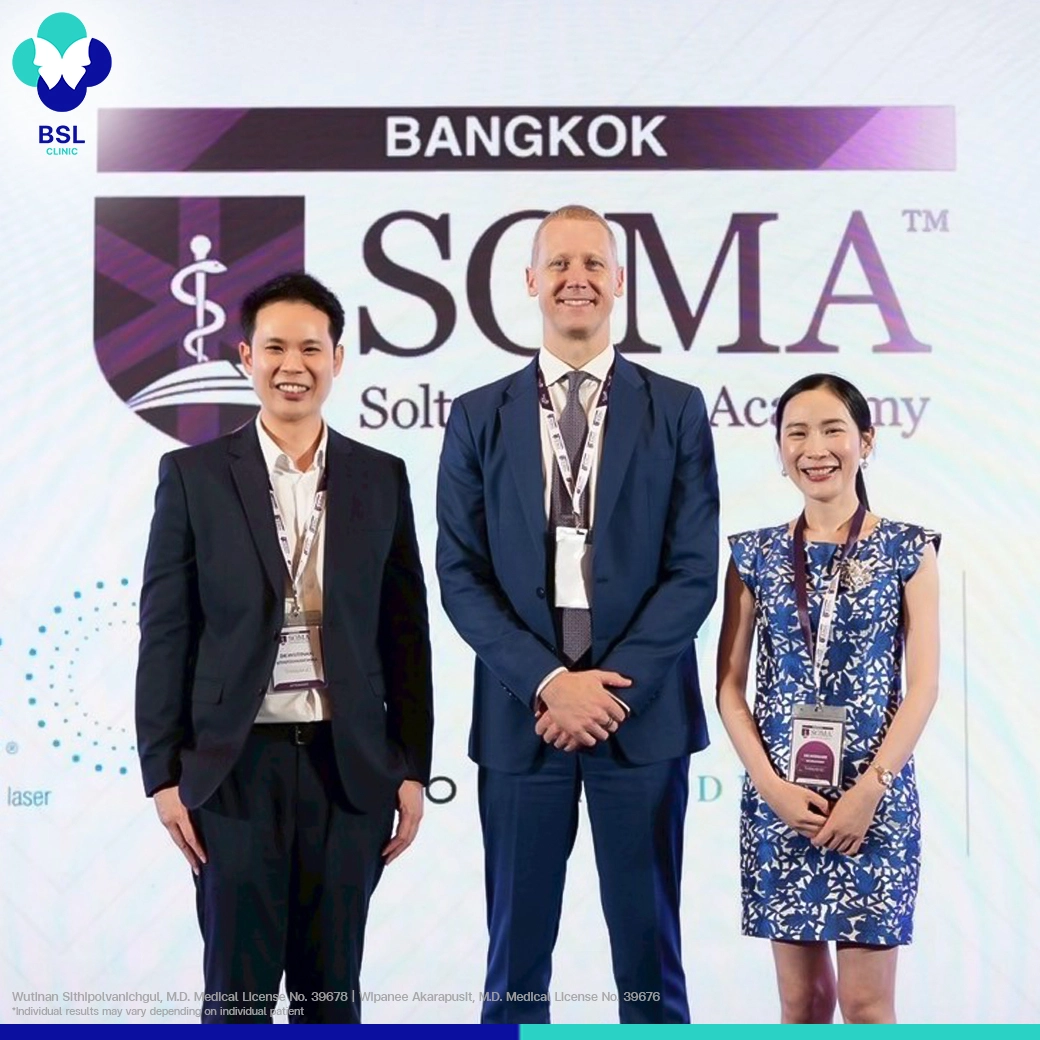
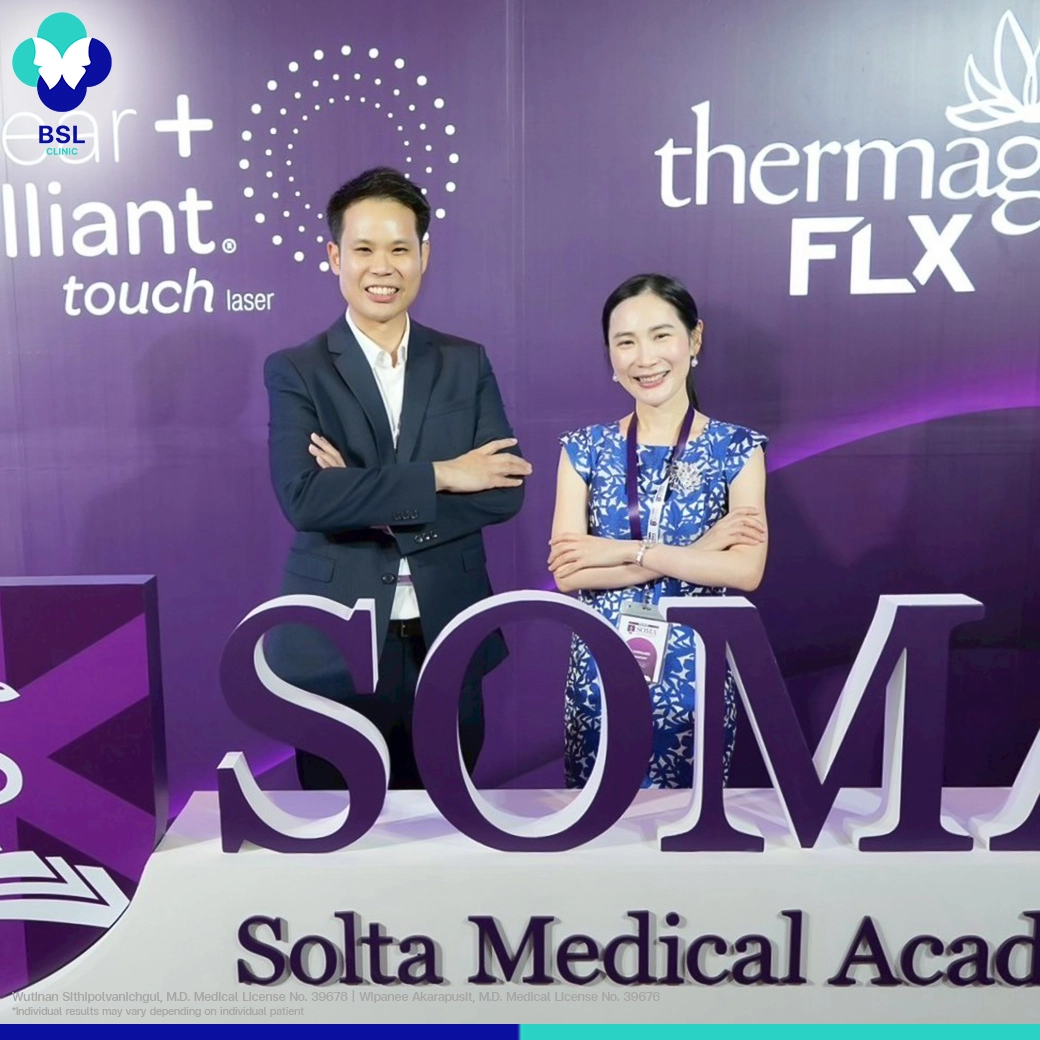
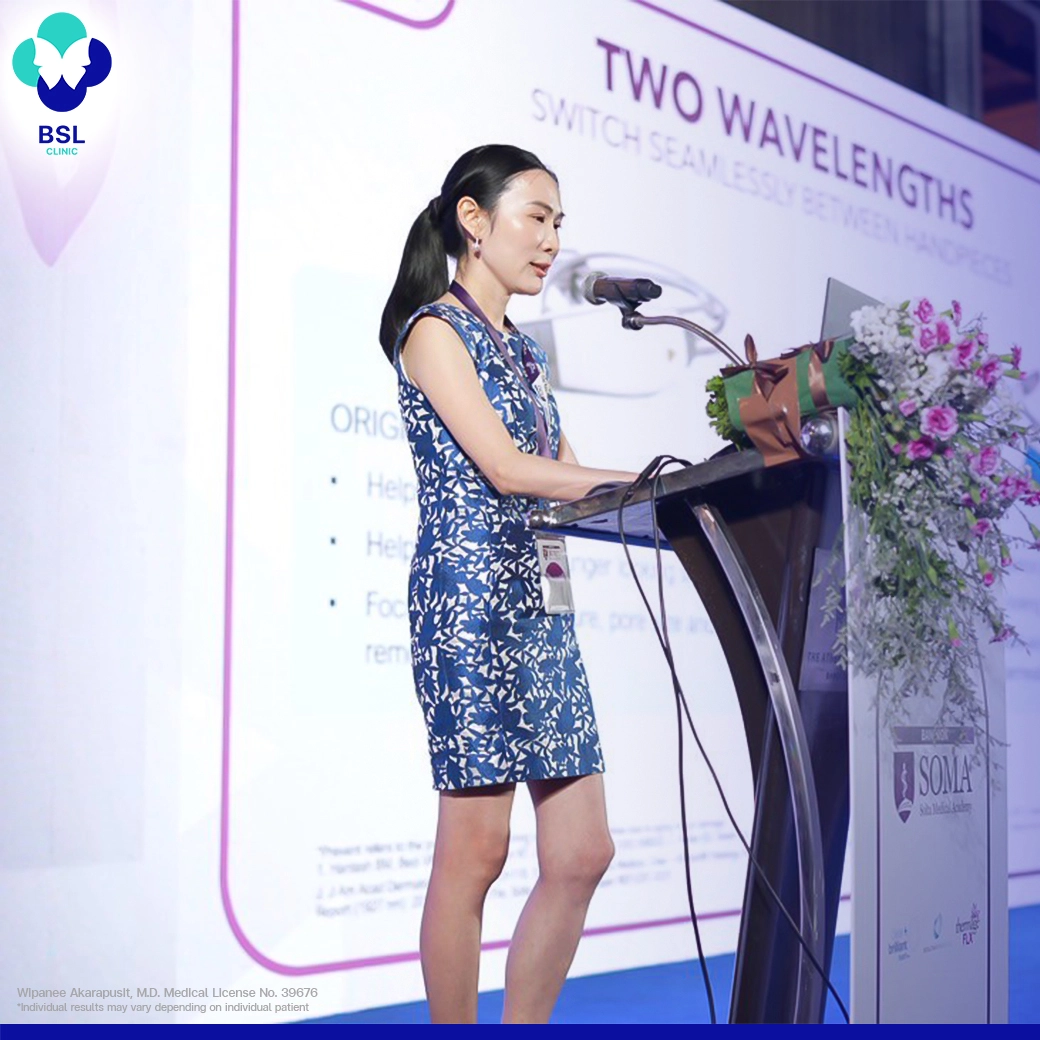
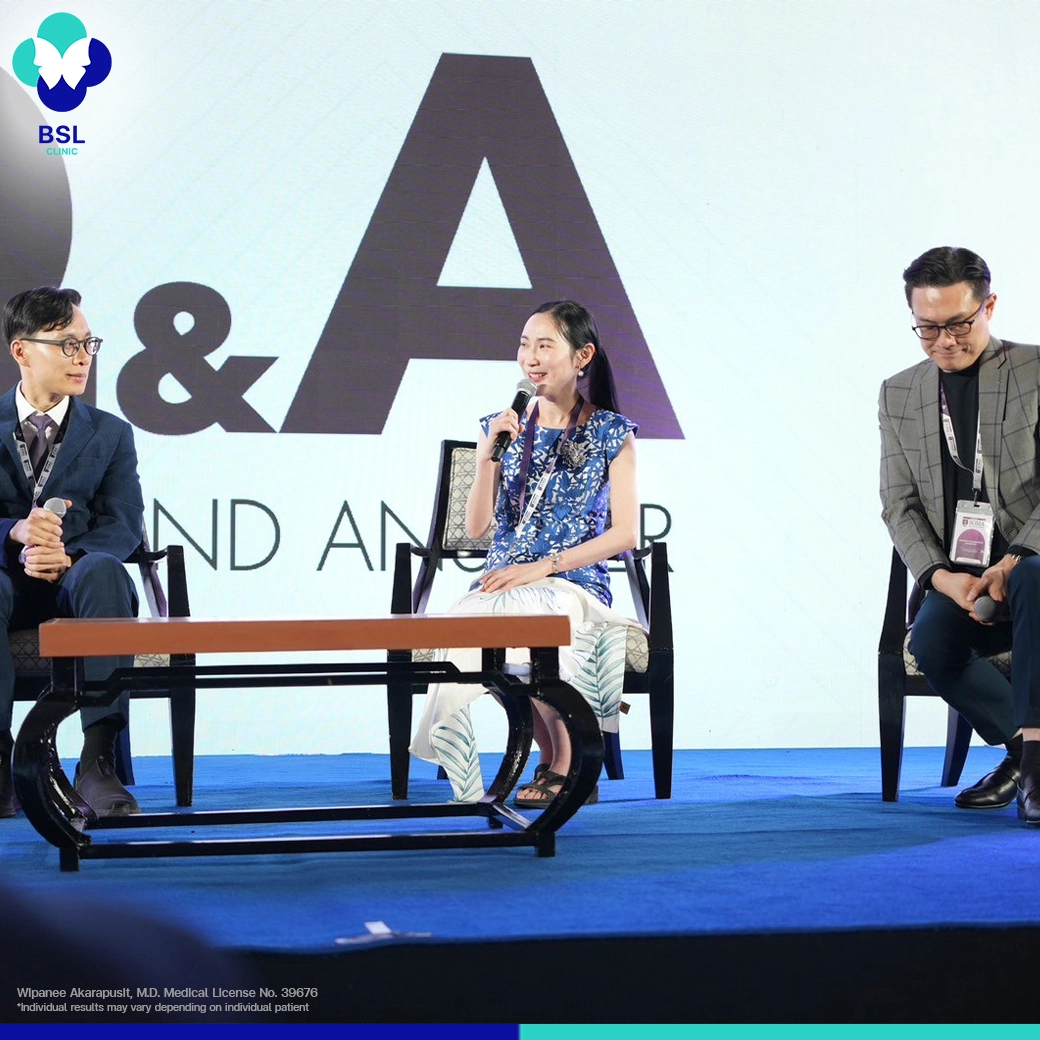
BSL Clinic Participates in Academic Conference Presentation
A stage that brings together dermatology and aesthetic medicine practitioners from various countries to exchange knowledge and experiences in skin care.
Dr. Wipanee Akkaraphusit (Medical License No. 39676) joined as a speaker, presenting on topics that reflect real experiences in patient care, while sharing holistic treatment approaches that emphasize “personalized understanding,” one of the key principles of modern aesthetic medicine.
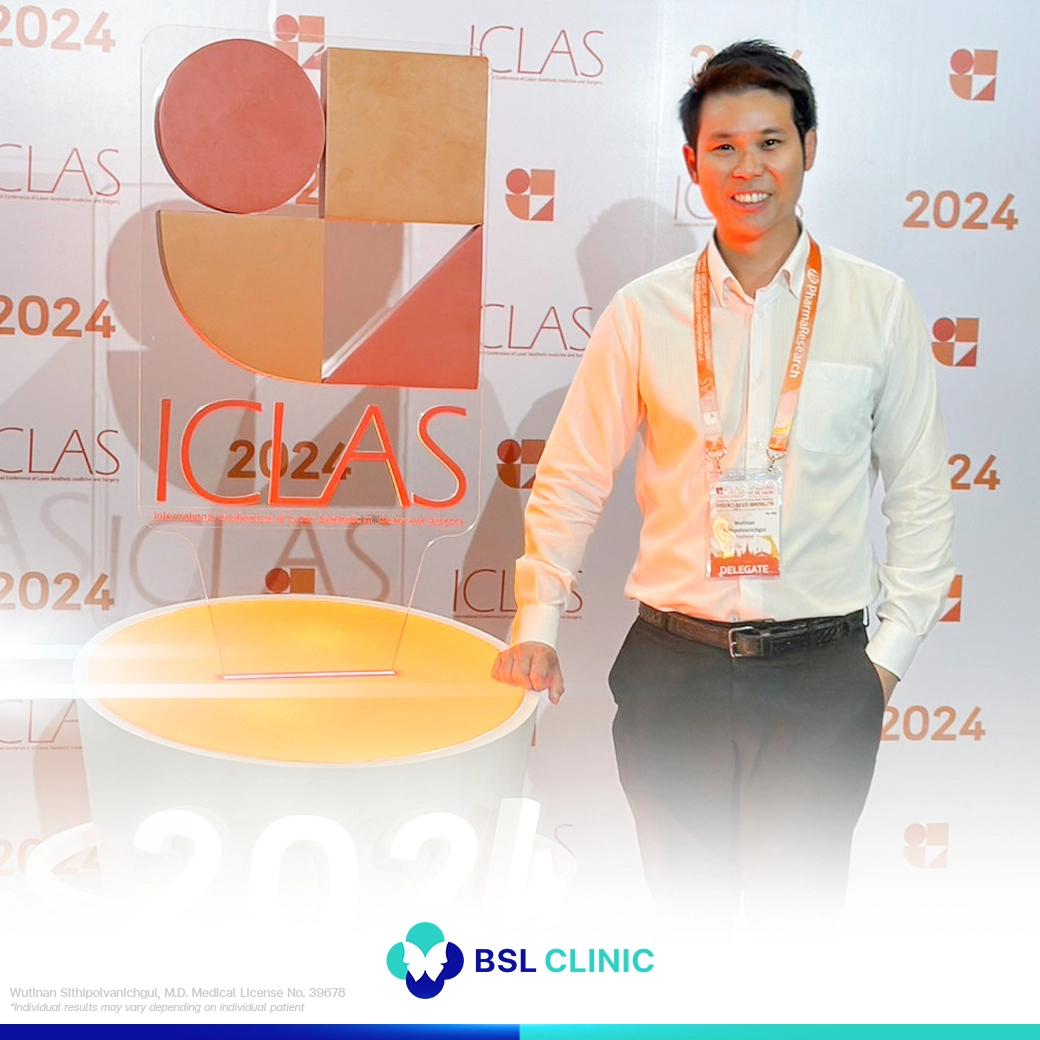
BSL doctors joined to update treatment methods for acne scars, melasma, freckles, skin tightening, filler programs and laser technology at the 3rd International Conference of Laser, Aesthetic Medicine and Surgery (ICLAS) in order to develop new knowledge and various treatment techniques to achieve results that are suitable for each patient.
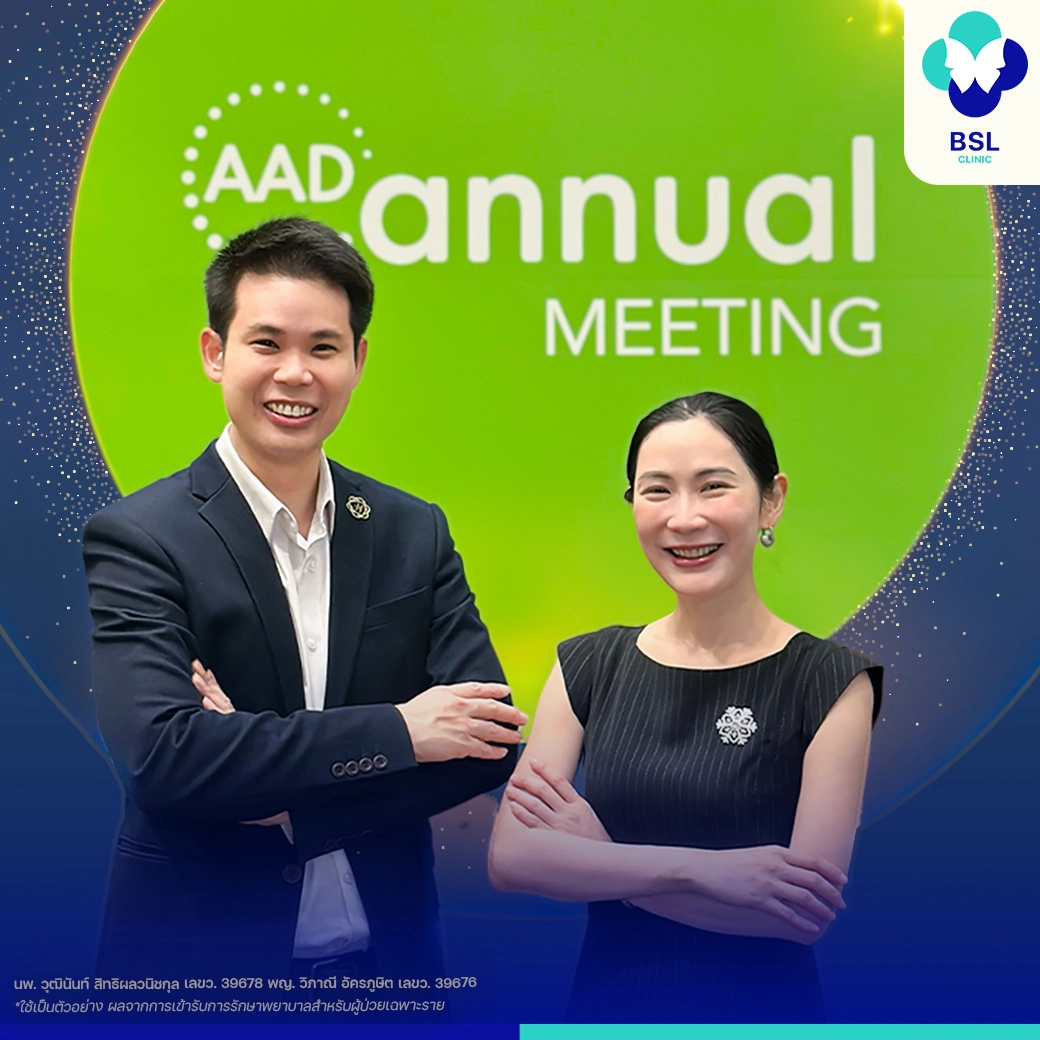
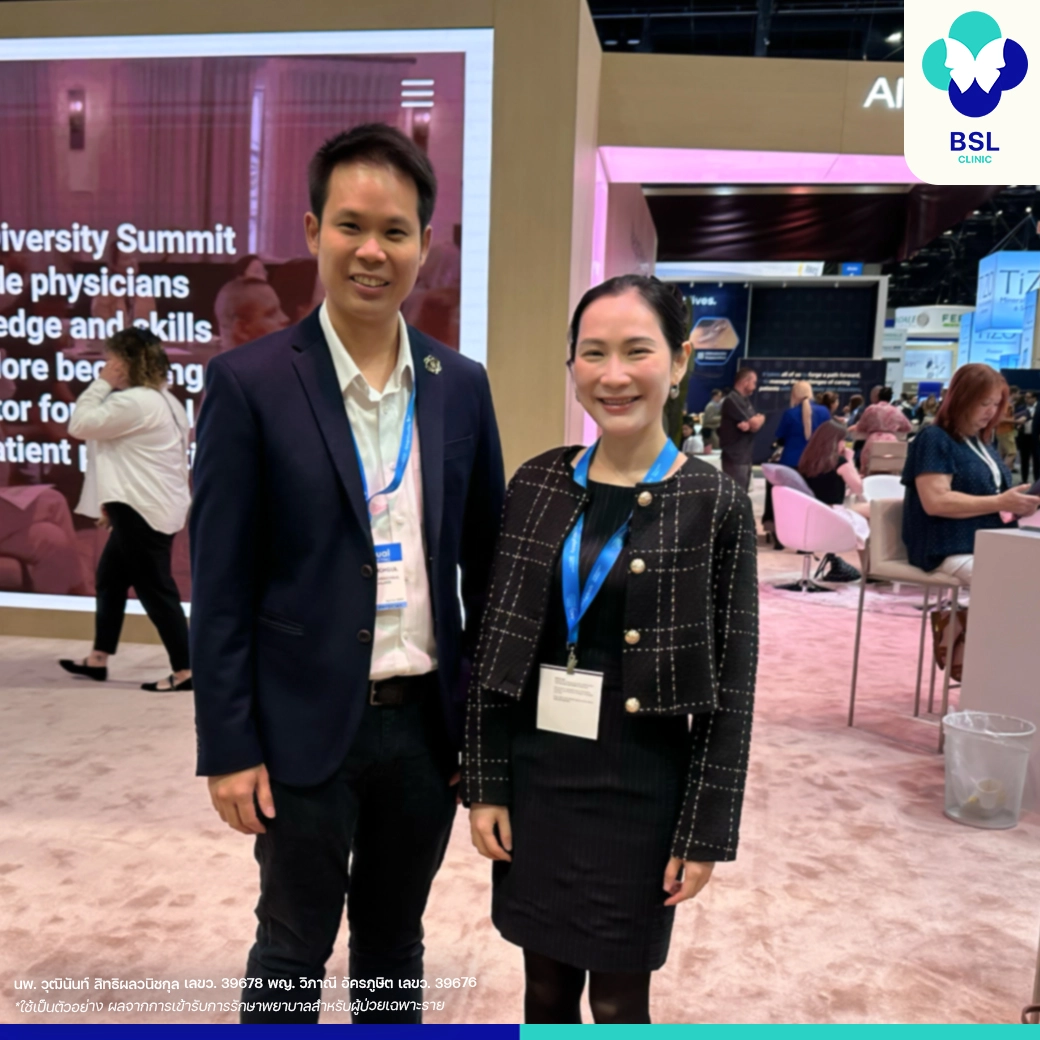
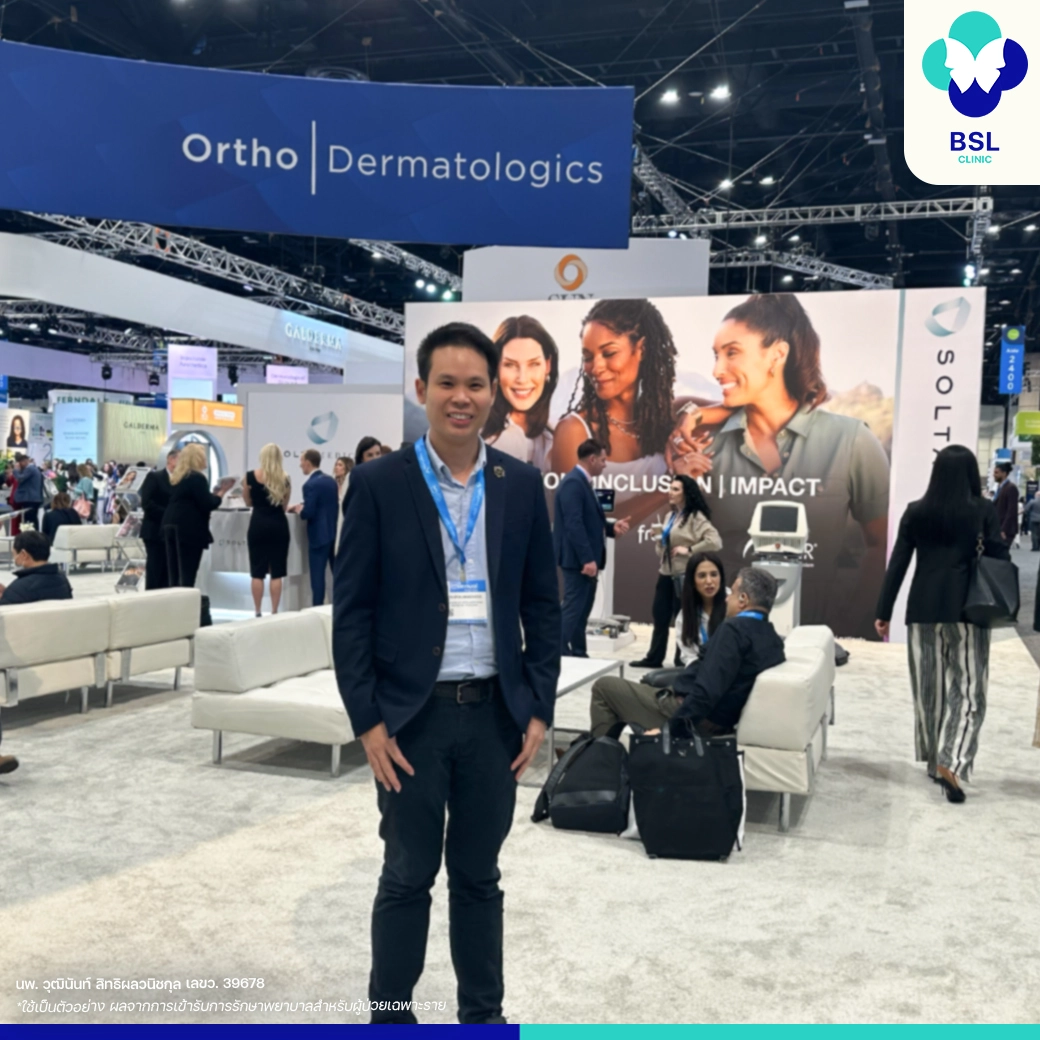
To develop approaches in skin care tailored to individual causes, laser technology that has been studied and applied in many countries is now available at BSL Clinic.
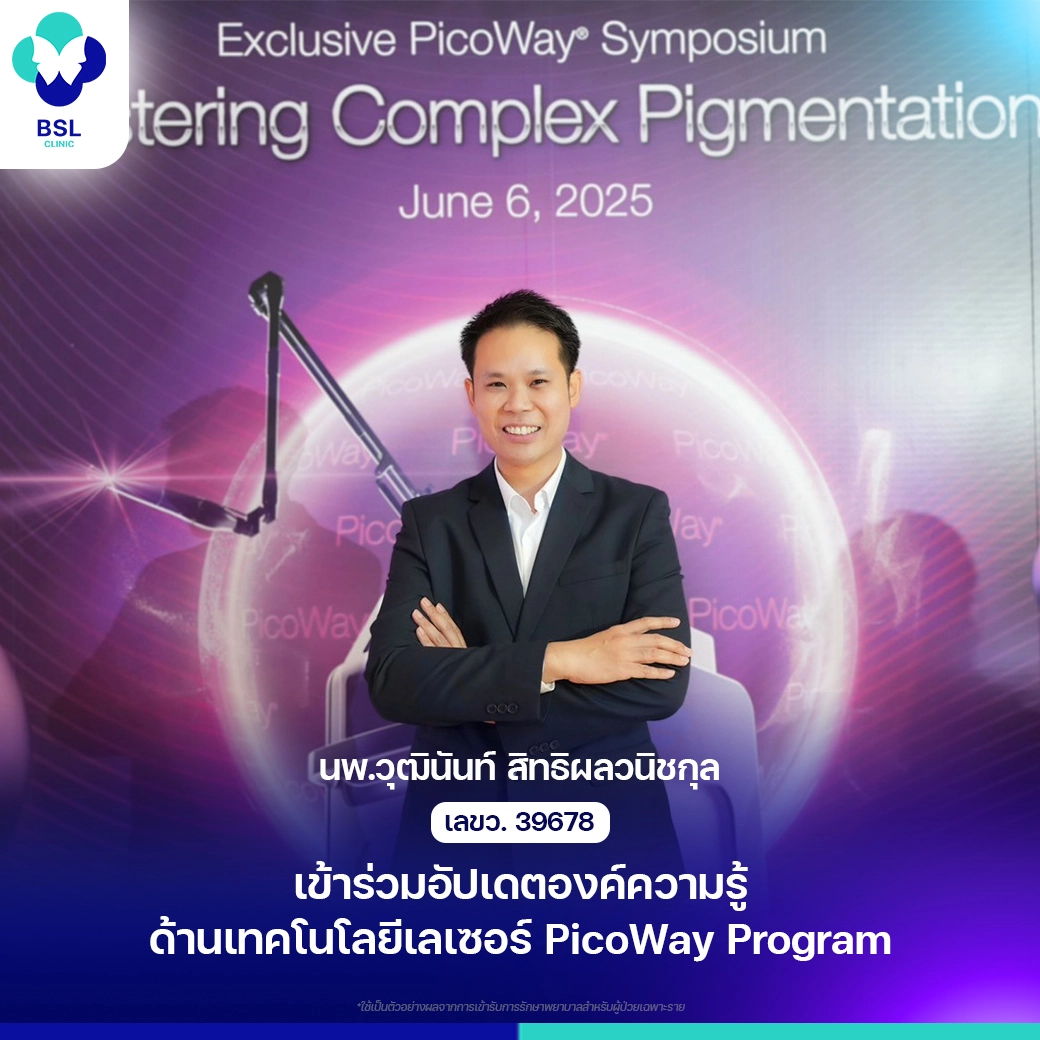
BSL Clinic had the honor to attend the Exclusive PicoWay® Symposium: Mastering Complex Pigmentation, with Dr. Wutthinan Sithipolvanichgul (Medical Council No. 39678) updating knowledge on the PicoWay® Program and approaches to managing skin pigmentation issues such as melasma, freckles, and uneven skin tone, while exchanging perspectives with doctors from various countries to find approaches suitable for each individual.
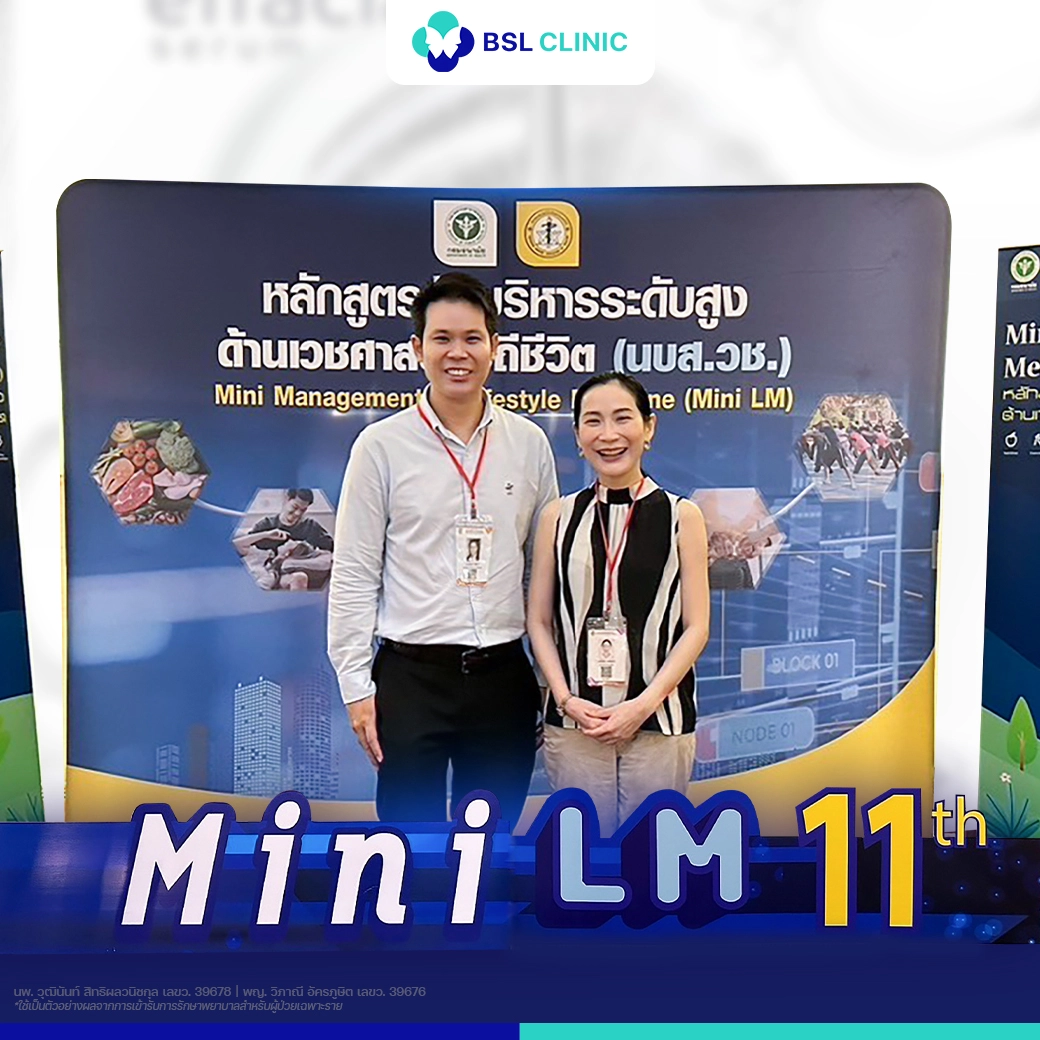
This learning covers knowledge in health promotion, disease prevention, and chronic condition management, with a focus on holistic health care from the level of genes, environment, and lifestyle behaviors. BSL doctors will apply the knowledge gained to consider and plan appropriate health and skin care for each individual client.
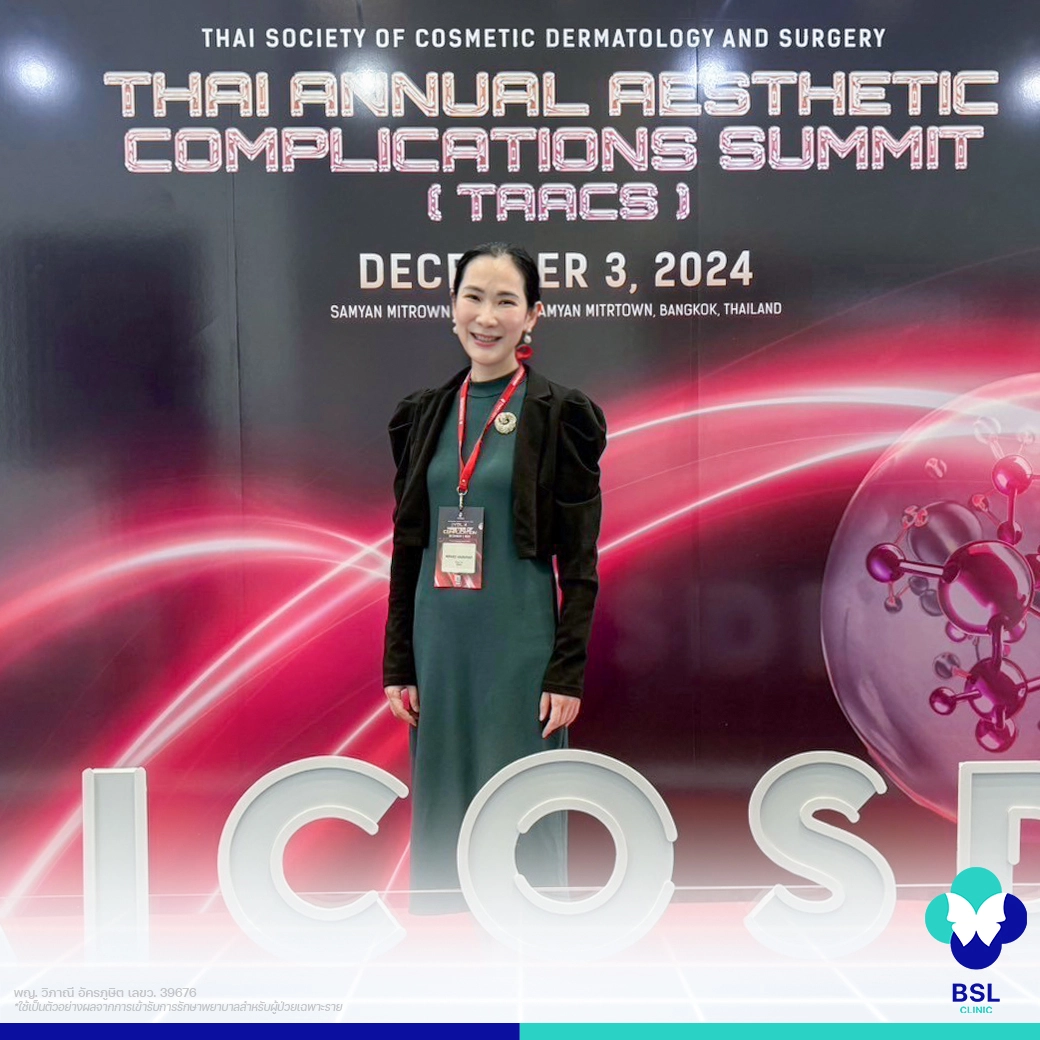
Doctors participated in a national academic conference to exchange knowledge in the treatment of dermatological and aesthetic issues. This conference emphasized methods of care, prevention, and the management of possible complications from treatments, enabling doctors to apply the information in planning care appropriate for each individual.
Wutinan Sithipolvanichgul, M.D. Medical License No. 39678 *Individual results may vary depending on individual patient
BSL Clinic had the honor to attend the Exclusive PicoWay® Symposium: Mastering Complex Pigmentation, with Dr. Wutthinan Sithipolvanichgul (Medical Council No. 39678) updating knowledge on the PicoWay® Program and approaches to managing skin pigmentation issues such as melasma, freckles, and uneven skin tone, while exchanging perspectives with doctors from various countries to find approaches suitable for each individual.
Wutinan Sithipolvanichgul, M.D. Medical License No. 39678 *Individual results may vary depending on individual patient
This learning covers knowledge in health promotion, disease prevention, and chronic condition management, with a focus on holistic health care from the level of genes, environment, and lifestyle behaviors. BSL doctors will apply the knowledge gained to consider and plan appropriate health and skin care for each individual client.

Call Center : +66993438666
Whatsapp : +66620136667
Line ID : @bslclinic
bslclinic.com
BSL Clinic (Sukhumvit Branch)
Time Square Building Room 114 (Ground Floor). 246 Sukhumvit Road, Khlong Toei, Bangkok, Thailand 10110
Copyright © 2015 www.bslclinic.com All Rights Reserved.